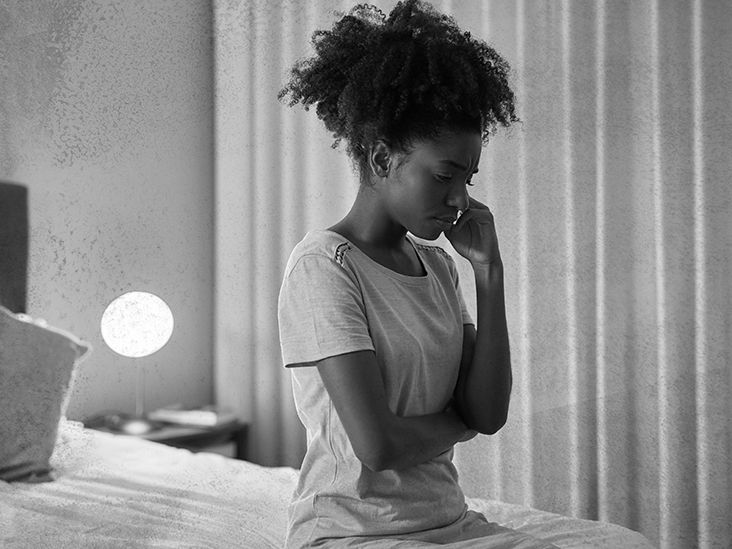
Nighttime anxiety has a special talent for arriving exactly when you finally want peace. The room is quiet, the lights are off, your phone is face-down like a responsible adult’s phone should be, and suddenly your brain opens a 47-tab browser window titled “Everything That Could Possibly Go Wrong.” Charming, isn’t it?
Anxiety at night is common, frustrating, and very real. It can show up as racing thoughts, a pounding heart, tense muscles, restlessness, stomach discomfort, or a sudden fear that sleep simply will not happen. For some people, the problem is occasional and tied to stress. For others, it becomes a nightly pattern that affects mood, focus, energy, school, work, relationships, and overall health.
The good news: nighttime anxiety is not a personal failure, a character flaw, or proof that your brain has joined a tiny drama club. It is often the result of stress hormones, habits, sleep disruption, health conditions, or learned fear around bedtime. Better still, there are practical ways to calm the body, retrain the brain, and make the night feel less like a courtroom cross-examination.
What Is Anxiety at Night?
Anxiety at night refers to worry, fear, physical tension, or panic-like symptoms that become stronger in the evening, at bedtime, or after waking during the night. It may happen before sleep, in the middle of the night, or early in the morning when the mind decides that 3:12 a.m. is the perfect time to review every awkward conversation since 2019.
Nighttime anxiety can be connected to generalized anxiety disorder, panic disorder, trauma-related stress, depression, insomnia, sleep apnea, restless legs syndrome, chronic pain, medication effects, caffeine use, alcohol use, or major life stress. Sometimes it is simply the first quiet moment of the day, and the brain finally has room to process everything that was pushed aside earlier.
Common Symptoms of Nighttime Anxiety
Symptoms vary from person to person, but many people describe a mix of mental and physical signs. Mentally, nighttime anxiety may feel like racing thoughts, worst-case-scenario thinking, fear of not sleeping, replaying mistakes, or worrying about tomorrow before tomorrow has even had coffee.
Physically, symptoms may include a fast heartbeat, shallow breathing, sweating, chest tightness, stomach discomfort, trembling, muscle tension, dry mouth, dizziness, or feeling wired even when exhausted. Some people wake suddenly with intense fear, while others lie awake for hours feeling restless but unable to “switch off.”
Why Anxiety Often Gets Worse at Night
1. There Are Fewer Distractions
During the day, tasks, people, notifications, errands, and responsibilities create constant movement. At night, those distractions disappear. The quiet can feel peaceful for some people, but for anxious minds, it can become an open stage. Thoughts that were politely waiting in the lobby all day may suddenly burst through the door wearing tap shoes.
2. Stress Hormones Keep the Body Alert
Anxiety activates the body’s threat-response system. When the brain senses danger, even if the “danger” is an unpaid bill or an upcoming presentation, the body may release stress hormones that increase alertness. That response is helpful when escaping an actual threat. It is less helpful when the goal is to sleep under a blanket with one foot sticking out for temperature control.
3. Fear of Not Sleeping Becomes Its Own Problem
Many people with nighttime anxiety start worrying about sleep itself. One bad night becomes, “What if it happens again?” Then bedtime turns into a performance test. The bed becomes less associated with rest and more associated with frustration, clock-watching, and mental negotiations such as, “If I fall asleep right now, I can still get five hours and 18 minutes.”
4. Poor Sleep Can Increase Anxiety
Anxiety can disrupt sleep, and poor sleep can increase anxiety. This creates a loop: worry makes sleep harder, sleep loss makes the nervous system more reactive, and the next night feels even more pressured. It is a cycle, not a life sentence. But it can feel exhausting while you are in it.
5. Lifestyle Triggers Can Sneak In
Caffeine late in the day, heavy meals close to bedtime, alcohol, nicotine, irregular sleep schedules, late-night scrolling, bright screens, intense evening arguments, and stressful work right before bed can all make nighttime anxiety worse. The brain is not always great at separating “quick email check” from “emergency command center.”
6. Medical or Sleep Conditions May Be Involved
Sometimes anxiety at night is linked to something happening in the body. Sleep apnea, asthma, acid reflux, thyroid problems, medication side effects, chronic pain, restless legs syndrome, and hormonal changes can all disturb sleep or create sensations that feel like anxiety. If symptoms are frequent, severe, or new, it is wise to talk with a healthcare professional.
How to Calm Anxiety at Night
Create a Wind-Down Routine That Starts Before Bed
A bedtime routine works best when it begins before you are already in full mental popcorn mode. Try creating a 30- to 60-minute transition period. Dim the lights, lower the noise, put away work, and choose calming activities such as reading, stretching, taking a warm shower, listening to quiet music, or writing down tomorrow’s tasks.
The purpose is not to force sleep. Forcing sleep usually works about as well as yelling “RELAX!” at a cat. The goal is to give your body repeated signals that the day is ending and safety mode can return.
Use a Worry Journal
If your brain likes to drop urgent concerns at bedtime, give those concerns an appointment earlier in the evening. Spend 10 minutes writing down worries, possible next steps, and anything that can wait until tomorrow. This simple “brain dump” helps move thoughts out of the mental spin cycle and onto paper.
Example: Instead of lying in bed thinking, “I’m going to forget everything tomorrow,” write: “Tomorrow: pack lunch, reply to Sam, review notes for 20 minutes.” Your brain may still complain, but at least you can remind it, “Already filed, thank you.”
Practice Slow Breathing
Slow breathing can help shift the body away from high-alert mode. Try breathing in gently through the nose for four counts, then breathing out slowly for six counts. Repeat for several minutes. The long exhale is important because it encourages the body to settle.
You do not need to breathe perfectly. This is not the Olympics of oxygen. If counting makes you more anxious, simply focus on making the exhale a little longer than the inhale.
Try Progressive Muscle Relaxation
Progressive muscle relaxation involves gently tensing and releasing muscle groups one at a time. Start with your feet, then move to calves, thighs, stomach, hands, arms, shoulders, jaw, and forehead. Tense each area for a few seconds, then release.
This technique can be especially helpful if your anxiety shows up physically. Many people do not realize how tightly they hold their shoulders, jaw, or stomach until they intentionally let go.
Get Out of Bed If You Are Wide Awake
If you cannot sleep after a while, consider getting out of bed and doing something quiet in dim light until you feel sleepy. This helps prevent the bed from becoming associated with frustration. Choose something boring but gentle: reading a calm book, listening to soft audio, or sitting quietly. Avoid bright screens, dramatic shows, and “just one quick search” adventures that end with learning about deep-sea creatures at 2 a.m.
Make the Bedroom Anxiety-Friendly
A supportive sleep environment is cool, dark, quiet, and comfortable. Consider blackout curtains, a fan, earplugs, white noise, breathable bedding, or removing visual clutter. A messy room does not cause anxiety by itself, but waking up beside a chair covered in clothes can feel like being judged by laundry.
Limit Caffeine and Alcohol
Caffeine can stay active in the body for hours, so afternoon or evening coffee, energy drinks, strong tea, or certain sodas may worsen nighttime anxiety. Alcohol may make people feel sleepy at first, but it can fragment sleep and trigger middle-of-the-night waking. If anxiety at night is a pattern, tracking caffeine and alcohol timing can reveal useful clues.
Keep a Consistent Sleep Schedule
Going to bed and waking up at roughly the same time helps regulate the body’s internal clock. Perfection is not required. Life happens. But a consistent wake time, especially, can help stabilize sleep pressure and reduce the nightly guessing game of “Will I sleep tonight or become a philosophical raccoon?”
Move During the Day
Regular physical activity can reduce stress and support better sleep. It does not have to be intense. Walking, cycling, dancing badly in your room, stretching, or doing light strength training can help the body use stress energy. Try to avoid very intense exercise too close to bedtime if it leaves you feeling wired.
When Nighttime Anxiety Feels Like Panic
Nocturnal panic attacks can wake a person from sleep with sudden fear and intense physical symptoms such as a racing heart, shaking, sweating, shortness of breath, or chest discomfort. These episodes can be scary, especially because they seem to come from nowhere.
If this happens, remind yourself that panic symptoms usually rise, peak, and pass. Sit up, place your feet on the floor, slow your breathing, and name what is happening: “This is panic. It feels awful, but it will pass.” If chest pain, fainting, severe breathing trouble, or new symptoms occur, seek medical care promptly to rule out physical causes.
Treatments That Can Help
Cognitive Behavioral Therapy
Cognitive behavioral therapy can help people identify anxious thoughts, reduce avoidance, and build coping skills. For sleep-specific problems, cognitive behavioral therapy for insomnia, often called CBT-I, is considered a highly effective treatment. It may include sleep scheduling, stimulus control, relaxation skills, and changing unhelpful beliefs about sleep.
Medication May Be an Option
Some people benefit from medication for anxiety, insomnia, or related conditions. Medication decisions should be made with a qualified healthcare professional because the right option depends on symptoms, age, medical history, other medications, and possible side effects. Over-the-counter sleep aids and supplements should also be discussed with a clinician, especially for teens, pregnant people, and anyone with ongoing health conditions.
Medical Evaluation
If nighttime anxiety is frequent, worsening, or paired with loud snoring, gasping during sleep, severe daytime sleepiness, chronic pain, reflux, thyroid symptoms, or sudden changes in mood, a medical evaluation can help. Treating an underlying sleep or health condition may reduce anxiety symptoms dramatically.
What Not to Do When Anxiety Hits at Night
Try not to fight your thoughts like they are villains in a superhero movie. The harder you demand silence from the mind, the louder it may become. Instead, practice noticing thoughts without arguing with every single one. “There’s the worry about tomorrow” is often more calming than “Why am I thinking this? Stop thinking this. Stop stopping the thinking.”
Avoid checking the clock repeatedly. Clock-watching turns the night into a math exam. Also avoid using your phone as a rescue device unless you are using a calm, intentional tool such as a meditation audio or sleep story. Social media, news, and dramatic comment sections are basically espresso for the nervous system.
A Simple Nighttime Anxiety Reset Plan
Here is a practical routine you can test for one week:
- Two hours before bed: Avoid caffeine, heavy meals, intense work, and emotionally loaded conversations when possible.
- One hour before bed: Dim lights, reduce screens, prepare clothes or tasks for tomorrow, and write a short worry list.
- Thirty minutes before bed: Read, stretch, shower, listen to calm music, or do slow breathing.
- At bedtime: Keep the room cool and dark. Remind yourself that rest counts, even if sleep takes time.
- If awake too long: Leave bed briefly, do something quiet in dim light, then return when sleepy.
Real-Life Experiences With Anxiety at Night
Many people describe nighttime anxiety as feeling completely different from daytime stress. During the day, they may look productive, social, and “fine.” They answer messages, finish assignments, attend meetings, make dinner, and keep life moving. Then night arrives, and the emotional backup generator turns on. Suddenly, the smallest concern feels enormous.
One common experience is the “tomorrow spiral.” A person gets into bed and starts thinking about one task: an exam, a work deadline, a doctor’s appointment, or a difficult conversation. Within minutes, that one task becomes a full documentary series. “What if I forget?” becomes “What if I fail?” which becomes “What if my entire future collapses because I did not prepare the perfect spreadsheet?” The thought pattern is dramatic, but it feels convincing in the moment because the tired brain is not known for its courtroom-level evidence review.
Another common experience is body scanning. Someone notices a heartbeat, stomach flutter, or tight chest and immediately worries that something is wrong. That fear increases adrenaline, which makes the heartbeat stronger, which makes the person more afraid. The body and mind start tossing anxiety back and forth like a terrible game of catch. Learning to label the sensation can help: “My nervous system is activated. I am uncomfortable, but I am not in immediate danger.”
Some people also develop anxiety about the bed itself. After several bad nights, bedtime no longer feels cozy. It feels like walking into a test room. They may feel sleepy on the couch but wide awake the second they lie down. This does not mean they are broken. It often means the brain has learned an association between bed and struggle. Gentle stimulus-control habits, such as getting out of bed when wide awake and returning when sleepy, can help rebuild the bed-sleep connection over time.
Parents, students, caregivers, shift workers, and high-responsibility professionals may experience nighttime anxiety because night is the first moment they are not actively solving problems. A student may worry about grades. A parent may replay whether they handled a child’s meltdown well. A worker may remember an email they forgot to send. A caregiver may remain alert for sounds in the house. In these cases, the mind is not being “silly.” It is trying to protect, prepare, and prevent mistakes. The problem is that bedtime is a poor office for crisis management.
People who improve often do not find one magical solution. Instead, they build a small collection of repeatable habits. They reduce caffeine, write worries earlier, make the room more comfortable, practice breathing, stop arguing with every thought, and seek professional help when symptoms are too disruptive. Progress may look boring from the outside, but boring is underrated. Boring is exactly what the anxious brain needs at midnight.
The most helpful mindset is patience. One anxious night does not erase progress. A rough week does not mean nothing works. Sleep is influenced by stress, health, hormones, routine, environment, and emotions. Treating nighttime anxiety is less like flipping a switch and more like teaching a guard dog that the mail carrier is not an invading army. With consistency, support, and the right tools, nights can become calmer again.
When to Get Professional Help
Consider reaching out to a doctor, therapist, or sleep specialist if anxiety at night happens often, affects daytime functioning, causes panic symptoms, leads to ongoing insomnia, or makes you dread bedtime. Help is also important if you rely heavily on alcohol, sedatives, or other substances to sleep.
Professional support can identify whether the root issue is anxiety, insomnia, a sleep disorder, a medical condition, medication effects, or a combination. You do not have to wait until the problem is “bad enough.” If it is interfering with your life, it is worth addressing.
Conclusion
Anxiety at night can feel lonely, but it is a common and treatable problem. It often happens because the quiet of night gives worries more room, while stress hormones, poor sleep habits, health issues, or fear of sleeplessness keep the body on alert. Remedies such as a calming routine, worry journaling, slow breathing, muscle relaxation, consistent sleep timing, and CBT-I strategies can help reduce the cycle.
The main goal is not to bully yourself into sleep. It is to make night feel safer, calmer, and less like a high-pressure event. With small changes and the right support, bedtime can become less of a battle and more of what it was always supposed to be: a daily invitation to rest.