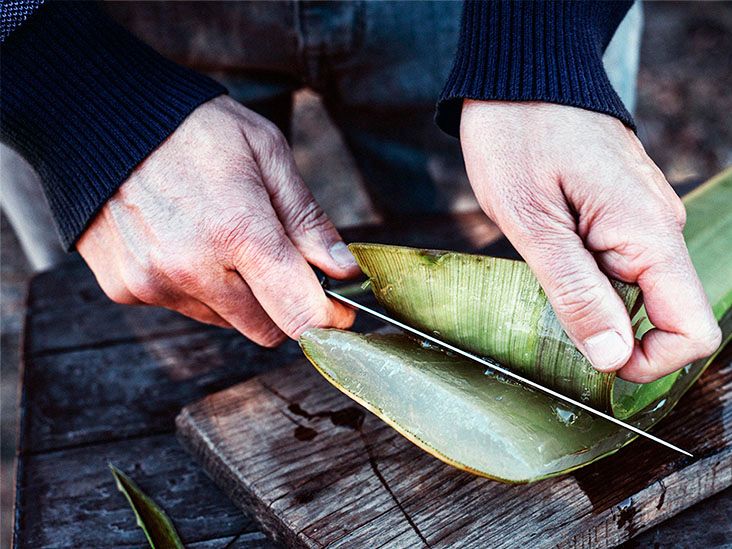
Aloe vera has the résumé of an overachiever. It decorates sunny windowsills, appears in skin-care aisles, stars in after-sun products, and occasionally turns up in drinks that promise everything short of organizing your garage. This spiky succulent is genuinely useful, especially as a soothing topical ingredient, but its reputation often grows faster than the scientific evidence.
The important detail is that “aloe” is not one single substance. The clear inner gel, yellow leaf latex, whole-leaf extracts, creams, juices, powders, and capsules can have very different effects. Some may calm irritated skin; others can cause severe diarrhea, electrolyte disturbances, kidney problems, or medication interactions. In other words, the plant may be green, but the safety questions are not always black and white.
What is aloe vera?
Aloe vera, also known as Aloe barbadensis Miller, is a succulent that stores water in thick, fleshy leaves. Those leaves contain two medically important materials:
- Inner-leaf gel: The clear, water-rich substance commonly used in moisturizers, burn gels, cosmetics, and some beverages.
- Aloe latex: A bitter yellow layer found just beneath the leaf’s outer skin. It contains anthraquinones, including compounds with powerful stimulant-laxative effects.
A whole-leaf product may contain both materials unless it has been carefully processed to remove the latex compounds. That distinction matters because most of aloe’s serious safety concerns involve oral exposure to latex or inadequately purified whole-leaf extract, not ordinary topical use of purified gel.
Potential aloe vera benefits and medical uses
Aloe vera has been studied for burns, wound healing, psoriasis, oral health, blood sugar control, digestive complaints, and several other conditions. The evidence is strongest for a few topical uses, while many oral-health claims remain preliminary.
1. Soothing mild sunburn
Applying a moisturizer that contains aloe vera may help cool and soothe mildly sunburned skin. The American Academy of Dermatology includes aloe-containing moisturizer among its recommendations for easing sunburn discomfort, along with cool baths, hydration, and protection of any blisters.
Aloe does not reverse ultraviolet damage, prevent skin cancer, or replace sunscreen. Think of it as the cleanup crew, not the security system. Broad-spectrum sunscreen, protective clothing, and shade are still necessary to prevent the burn in the first place.
2. Supporting the healing of minor burns
Clinical studies and systematic reviews suggest that topical aloe preparations may help some superficial or partial-thickness burns heal more quickly. Researchers have reported improvements in epithelialization, the process by which new surface skin forms over an injury. However, products, study methods, and comparison treatments differ considerably, so aloe should not be treated as a universal burn medicine.
Use cool running waternot iceas initial first aid for a minor thermal burn. Seek medical attention for deep burns, large burns, chemical or electrical burns, extensive blistering, signs of infection, or injuries involving sensitive areas. Do not smear aloe from a garden leaf onto a serious open wound and hope the plant has secretly completed medical school.
3. Moisturizing and calming irritated skin
Aloe gel contains a large amount of water and can provide lightweight hydration. It is often included in moisturizers for sensitive, oily, or sun-exposed skin because it feels less greasy than heavy ointments. Some people find that it temporarily reduces sensations of tightness, warmth, or irritation.
That does not make every aloe product gentle. Added alcohol, fragrance, dyes, essential oils, and preservatives may sting or trigger contact dermatitis. Even pure aloe can occasionally cause burning, itching, rash, or eczema. A patch test is wise, particularly for people with reactive skin.
4. Helping some cases of plaque psoriasis
Small clinical trials have found that aloe-containing creams may improve redness, scaling, thickness, or overall severity in some people with mild to moderate plaque psoriasis. In a few comparisons, topical aloe performed similarly to or better than certain conventional creams, but the evidence base remains limited and inconsistent.
Psoriasis is an immune-mediated disease, not simply dry skin with ambition. Aloe may serve as an adjunct for soothing or moisturizing, but it should not replace a dermatologist’s treatment plan, especially when psoriasis is widespread, painful, affecting the joints, or interfering with daily life.
5. Possible benefits for plaque and gingivitis
Several small trials and reviews suggest that professionally formulated aloe vera mouthwash may reduce dental plaque and gingival inflammation. Some studies found results comparable to chlorhexidine mouthwash over limited study periods, although formulations and study quality varied.
This does not mean chewing a leaf is the botanical equivalent of a dental cleaning. Raw aloe latex can irritate the digestive system, and homemade mixtures may have unpredictable concentrations or contamination. Aloe mouthwash should be viewed as a possible supplement to brushing, fluoride toothpaste, flossing, and professional dental carenot a replacement for them.
6. Oral ulcers and treatment-related mouth irritation
Topical oral gels and rinses containing aloe have been studied for recurrent mouth ulcers and certain forms of treatment-related oral irritation. Some findings suggest shorter healing times or reduced discomfort, but the studies are generally small and use specialized products rather than kitchen-prepared aloe.
Anyone receiving chemotherapy or radiation therapy should ask the oncology team before using an herbal mouth product. Ingredients that seem harmless may irritate damaged tissue, introduce contaminants, or conflict with an established oral-care protocol.
7. Possible effects on blood sugar
Some trials involving people with prediabetes or type 2 diabetes have reported reductions in fasting blood glucose, hemoglobin A1C, or certain blood lipids after oral aloe supplementation. Meta-analyses describe the results as promising but emphasize differences in product type, dosage, duration, and study quality.
Aloe is not an approved substitute for diabetes medication, nutrition therapy, physical activity, or glucose monitoring. Combining an aloe supplement with insulin or glucose-lowering drugs could potentially push blood sugar too low. Anyone considering oral aloe for metabolic health should discuss it with a physician or pharmacist first.
8. Constipation: effective does not always mean advisable
Aloe latex stimulates the intestine and can produce a bowel movement. Unfortunately, it may also cause severe cramping, watery diarrhea, dehydration, potassium loss, kidney injury, and dangerous medication interactions. Repeated use can worsen electrolyte imbalance and may contribute to laxative dependence.
The U.S. Food and Drug Administration determined that aloe ingredients used as over-the-counter stimulant laxatives were not generally recognized as safe and effective because adequate safety data were lacking. Safer, better-studied constipation options are available, so oral aloe latex is not a sensible first choice.
What aloe vera has not been proven to do
Aloe vera has not been proven to cure cancer, eliminate infections, “detox” the liver, permanently erase wrinkles, replace diabetes treatment, or protect skin from ultraviolet radiation. Laboratory findings showing antioxidant, antimicrobial, or anti-inflammatory activity do not automatically translate into a safe and effective treatment in humans.
Claims about “boosting immunity” or cleansing unspecified toxins should also invite healthy skepticism. The body already has a liver, kidneys, lungs, skin, and digestive system working the detox shift around the clock. They do not normally require assistance from a neon-green beverage marketed by an influencer standing beside a waterfall.
Aloe vera safety and side effects
| Form | Typical use | Main safety concerns |
|---|---|---|
| Topical inner-leaf gel | Sunburn, mild irritation, moisturizing | Stinging, redness, rash, allergic contact dermatitis |
| Purified oral gel | Juices or supplements | Diarrhea, medication interactions, uncertain long-term safety |
| Aloe latex | Historically used as a stimulant laxative | Cramping, severe diarrhea, potassium loss, kidney injury |
| Whole-leaf extract | Some drinks and supplements | Variable anthraquinone exposure, liver or kidney concerns, uncertain purity |
Topical reactions
Topical aloe gel is generally well tolerated, but reactions can occur. Stop using it if the skin becomes increasingly red, swollen, itchy, painful, or blistered. Avoid applying cosmetic aloe products inside the eyes, on deep wounds, or to infected skin unless a healthcare professional has recommended the specific product.
Digestive and electrolyte problems
Oral latex and whole-leaf preparations may cause abdominal pain, cramps, and diarrhea. Significant diarrhea can lower potassium and disturb the body’s fluid balance. That risk is especially concerning for older adults and people with kidney disease, heart disease, or conditions requiring careful electrolyte control.
Liver and kidney injury
Oral aloe products have been linked to rare cases of clinically apparent liver injury. High exposure to aloe latex has also been associated with acute kidney damage. Stop taking an aloe supplement and seek medical advice if symptoms such as dark urine, yellow skin, unusual fatigue, persistent vomiting, severe abdominal pain, or reduced urination develop.
Medication interactions
Oral aloe may interact with diabetes medicines, diuretics, digoxin and other heart medications, anticoagulants, antiplatelet drugs, and products that affect potassium levels. A possible interaction with the anesthetic sevoflurane has also been reported. Tell the surgical and anesthesia teams about any aloe supplement well before a procedure.
Pregnancy, breastfeeding, and children
Oral aloe latex should be avoided during pregnancy because of concerns about intestinal and possibly uterine stimulation. Safety during breastfeeding is not well established, and laxative compounds may cause digestive problems. Oral aloe products should not be given to children without guidance from a pediatric healthcare professional.
How to use topical aloe vera more safely
- Choose the right product. Look for a topical gel or moisturizer intended for skin use. Fragrance-free and alcohol-free formulas are less likely to sting sensitive skin.
- Read the complete ingredient list. A bottle labeled “aloe” may contain more perfume and coloring than actual aloe.
- Patch-test first. Apply a small amount to the inner arm and wait for signs of irritation before using it over a larger area.
- Use it for minor problems only. Aloe may soothe a mild sunburn or small superficial burn, but serious injuries require medical care.
- Do not apply it to infected skin. Increasing pain, pus, spreading redness, fever, or red streaks are reasons to contact a healthcare professional.
- Stop if it makes things worse. “Natural” ingredients do not receive a free pass from the immune system.
Should you drink aloe vera juice?
Commercial aloe drinks are usually made from processed inner-leaf gel, but composition varies widely. Some are decolorized or purified to reduce anthraquinones; others contain sweeteners, flavors, acids, or blends of whole-leaf material. The phrase “aloe juice” therefore tells you less than you might expect.
There is no essential nutritional reason to drink aloe. People who enjoy it should examine the ingredient label, serving size, sugar content, purification information, and third-party quality testing. Avoid products containing aloe latex or poorly defined whole-leaf extract. Do not drink gel scraped directly from a houseplant, because removing the latex layer reliably is difficult.
People who are pregnant, breastfeeding, preparing for surgery, taking prescription medication, managing diabetes, or living with kidney, liver, or heart disease should consult a healthcare professional before using oral aloe.
Practical experiences with aloe vera
The following are composite, real-world-style scenarios designed to illustrate sensible use. They are not personal testimonials, medical proof, or substitutes for professional care.
The forgotten-shoulders sunburn
A person spends an afternoon outdoors, remembers sunscreen on the face, and forgets the shouldersthe classic “I protected the expensive real estate” strategy. That evening, the skin is pink, warm, and tender but not deeply blistered. After a cool shower, a fragrance-free moisturizer containing aloe is applied while the skin is still slightly damp. The gel feels cooling and reduces tightness, although it does not make the redness disappear. Extra water, loose clothing, shade, and time do most of the healing work. The useful lesson is that aloe can improve comfort, but prevention would have been considerably less dramatic.
The minor kitchen burn
During an argument with a hot baking sheetwhich the baking sheet winsa small area of the hand is briefly burned. The person immediately holds it under cool running water. Once the skin is cooled and the injury appears superficial, a simple aloe gel is applied for comfort. Over the next day, the area is monitored instead of repeatedly covered with mystery ingredients from the refrigerator. If blistering, worsening pain, numbness, or spreading redness develops, medical advice is sought. Here, aloe plays a supporting role after appropriate first aid; it is not the star, director, and emergency department.
The sensitive-skin surprise
A shopper buys a bright green “99% soothing aloe” product and applies it generously to irritated skin. Within minutes, the skin stings. A closer look at the label reveals fragrance, denatured alcohol, coloring, and several botanical extracts. The product is washed off, and the irritation settles. A later patch test with a simpler fragrance-free formula causes no reaction. The experience demonstrates why front-label marketing is not a substitute for reading the ingredients. Sometimes aloe is innocent, while the supporting cast is causing all the trouble.
The psoriasis add-on
Someone with mild plaque psoriasis tries an aloe moisturizer between applications of prescribed treatment. It helps reduce dryness and makes scaling feel less uncomfortable, but it does not eliminate the plaques. Instead of abandoning the prescription because the plant “feels more natural,” the person asks a dermatologist whether both products can fit into the routine. The moisturizer remains a comfort tool, while evidence-based medication manages the underlying inflammation. This is often the most realistic role for complementary care: useful assistant, not surprise replacement physician.
The aloe-drink experiment
A person begins drinking aloe juice after seeing claims about digestion and blood sugar. The first bottle contains purified inner-leaf gel, while another product casually placed beside it contains whole-leaf extract. After reviewing the labels and discussing the idea with a pharmacist, the person decides not to use the whole-leaf version because of medication and electrolyte concerns. The purified drink is tried in a small labeled serving, but no meaningful benefit is noticed. Rather than assuming that “more” must be the missing ingredient, the experiment ends. A supplement that provides no clear advantage does not deserve an automatic lifetime subscription.
The most useful takeaway from everyday use
Across these scenarios, aloe works best when expectations remain modest. It may cool, moisturize, soothe, or complement another treatment. Problems arise when a topical comfort product is treated as a cure, when a serious burn is managed at home for too long, or when oral aloe is assumed to be harmless because it came from a plant. Sensible use means choosing the correct form, checking the ingredient list, testing a small area, and knowing when the situation has moved beyond home care.
Conclusion
Aloe vera has legitimate medical and cosmetic uses, particularly as a topical soothing ingredient for mild sunburn, superficial irritation, and possibly certain minor burns or psoriasis symptoms. Research also suggests potential benefits for oral health and blood sugar management, but these findings are not strong enough to justify replacing established treatment.
The safest general rule is simple: topical inner-leaf gel is usually the low-drama option, while oral latex and poorly defined whole-leaf products deserve much more caution. Aloe can be a helpful member of the home skin-care cabinet, but it should not be promoted to chief medical officer.