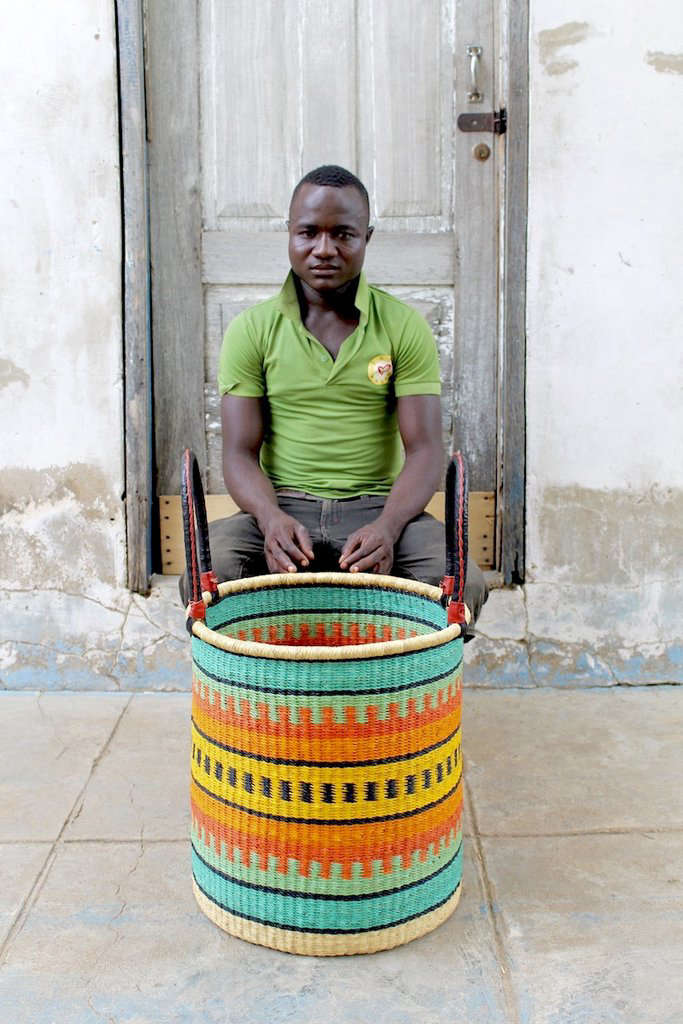
Laundry is one of life’s great constantsright up there with taxes, inbox zero being a myth, and that one sock that escapes into a parallel universe. The good news: you can make laundry look better (and feel a little less like a chore) with African woven laundry baskets and hampers. These pieces don’t just hold clothes; they bring texture, craft, and “I have my life together” energy to bedrooms, bathrooms, and laundry rooms.
In this guide, we’ll break down what makes African woven hampers special, the most common materials and weaving traditions you’ll see in U.S. shops, how to pick the right size and shape, and how to keep your basket looking great for years. We’ll also talk sustainability, fair trade considerations, and real-life setup ideasbecause a hamper that collapses when you look at it wrong is not the vibe.
Why African Woven Hampers Hit Different
A typical plastic laundry basket is basically a loud announcement that laundry exists. A woven hamper, on the other hand, blends in like decorbecause it is decor. African woven laundry baskets and hampers are especially popular because they often combine:
- Durability: Many are made from tough natural fibers designed for daily use.
- Breathable storage: A woven structure can help with airflow (great for dry laundry).
- Handcrafted character: Subtle variations make each piece feel one-of-a-kind.
- Style range: Natural neutrals, bold patterns, leather handles, sculptural lidspick your personality.
- Story + impact: When sourced responsibly, purchases can support artisan communities and preserve craft traditions.
Meet the Stars: Popular African Weaves You’ll See in the U.S.
“African woven basket” is a big umbrella. Here are a few of the most common styles and origins that show up in American home stores and fair-trade marketplaces.
Bolga Baskets (Ghana): Elephant Grass / Veta Vera, Big Energy
If you’ve ever seen a sturdy, round, handwoven basket with a slightly structured body and (often) leather-wrapped handles, you’ve likely met a Bolgatanga (Bolga) basket. Traditionally known as market baskets, many larger sizes double beautifully as African woven laundry basketsespecially for families, blanket storage, or “I will fold these later” staging.
What makes them laundry-friendly? They’re tough, they hold shape well, and they’re often designed to be reshaped with water if they arrive flattened from shipping. Translation: they can survive real life.
Senegalese Woven Hampers: Sweetgrass + Recycled Plastic, Bold Patterns
Senegalese baskets are known for crisp, graphic patterns and vivid color. Many are woven from local grasses with recycled plastic strips worked into the designcreating that signature pop and improving structure. In a laundry room, they bring instant personality: your detergent suddenly feels like it belongs in a design magazine.
These are often better as dry laundry hampers (think: clothes, linens, towels once they’re dry), because mixed fibers and tight weaves can trap moisture if you toss in wet items.
South African Palm Weaves: Clean Lines, Modern Minimalist Texture
If your style is “calm, neutral, organized” (or your goal is to appear that way), you’ll likely love palm-woven African storage pieces. Some U.S.-sold collections highlight South African weaving traditions using palm fibers, with an emphasis on sustainable sourcing and functional designoften including lids and sturdy handles.
Beyond the Big Three: Coiled Baskets, Telephone Wire, and Mixed-Material Artistry
Depending on where you shop, you may also find coiled baskets (often tightly stitched coils), or South African telephone wire basketry (more common as decorative bowls than hampers). Even when they’re not “laundry hampers,” they can be perfect for sorting: delicates, socks, clean towels, or the eternal “miscellaneous” pile.
Basket vs. Hamper: Which One Do You Actually Need?
It sounds obvious, but this matters. A laundry basket is often designed for carrying clothes. A laundry hamper is designed for storing dirty laundry. In real homes, many of us use one container for bothuntil we realize that hauling a tall hamper down stairs is basically a workout plan.
Choose a Basket If You…
- Carry laundry to a shared laundry room or laundromat.
- Want open access (no lid) for quick toss-and-go.
- Prefer multiple smaller baskets for sorting by person or color.
Choose a Hamper If You…
- Want to hide visual clutter (a lid = instant peace).
- Need one “main” drop zone in a bedroom or bathroom.
- Want a liner to protect knits from snagging on woven fibers.
How to Pick the Right African Woven Laundry Hamper
The goal is to buy something that looks good and works with your routine. Here’s what to evaluate before you click “add to cart” and start emotionally committing to a basket you’ve never met.
1) Size and Capacity: Don’t GuessThink in Loads
A practical way to choose size: estimate how many days you want to store laundry before washing, and how many people the hamper serves.
- Small (1 person / light loads): ideal for delicates, gym clothes, or bathroom towels.
- Medium (1–2 people): the everyday sweet spot for most bedrooms.
- Large (family / linens): great for bulk, but consider weight when it’s full.
Pro tip: If you live upstairs, a slightly smaller basket you can actually carry beats a giant hamper that becomes a stationary sculpture.
2) Structure: Soft vs. Supported
Some woven baskets are naturally structured; others rely on an internal frame. For laundry hampers, a supported structure helps the basket keep its shape when it’s half-full (aka: most of its life).
3) Handles: The Hidden Dealbreaker
Handles determine whether you’ll love your hamper or resent it. Look for:
- Reinforced attachment points (especially for larger baskets).
- Comfortable grip (leather-wrapped handles can feel nicer in the hand).
- Side handles if you want easier lifting from shelves or tight corners.
4) Lids and Liners: Aesthetics vs. Airflow
Lids hide laundry (bless), but they can also reduce airflow (less bless). A removable liner helps in two ways: it protects clothing from snags and it’s easier to carry the clothes to the washer.
If you choose a lidded hamper, keep one rule: only put dry laundry inside. Wet towels + a lid = science project.
5) Weave Tightness: Snag Risk vs. Ventilation
A tight weave looks polished and may snag less than a looser, more open weave. But a slightly open weave can offer more airflow. If you’re using it for delicate knits, prioritize a tighter weave or a liner.
Material Matters: What Your Basket Is Made Of (and Why You’ll Care)
African woven hampers and baskets come in a range of natural fibers. You don’t need a botany degree, but knowing the basics helps you choose the right basket for your room and routine.
Elephant Grass / Veta Vera (Common in Ghanaian Bolga Baskets)
Strong, flexible, and famously reshape-able with water. Great for daily use and larger storage. Often arrives flattened to save shipping space, then reshaped at home.
Sweetgrass + Recycled Plastic (Common in Senegalese Baskets)
The grass gives natural texture; the recycled plastic adds color and can increase structure. Perfect for statement storage, toy storage, and dry laundry. Keep away from long-term moisture exposure.
Palm Fibers (Common in Southern African Weaving)
Often produces a smooth, modern weave with a lighter visual feel. These styles tend to look especially good in minimalist, Scandinavian, or contemporary interiors.
Where African Woven Laundry Baskets Fit Best in the Home
These baskets aren’t just for laundry rooms. They can make multiple “mess zones” look intentionallike you meant to have stuff.
- Bedroom: lidded hamper for daily clothes; smaller baskets for socks, belts, or scarves.
- Bathroom: a medium hamper near the shower for dry towels; avoid wet towel storage.
- Laundry room: multiple baskets for sorting (whites, darks, delicates), plus one for clean clothes to fold.
- Living room: big Bolga-style basket for throws, pillows, or the “remote control sanctuary.”
Care & Cleaning: How to Keep Woven Hampers Looking Fresh
Woven baskets are tough, but they’re not invincible. The #1 enemy is lingering moisture. The #2 enemy is pretending dust isn’t real.
Weekly Maintenance (Fast, Low Drama)
- Shake out lint and dust (outside, unless you enjoy glittery lint confetti indoors).
- Vacuum with a brush attachment or use a soft brush to lift dust from crevices.
- Spot-clean with a slightly damp cloth if needed, then air dry.
Deeper Cleaning (When Life Happens)
- Make a mild solution: warm water + a few drops of gentle dish soap.
- Wipe with the weave: use a microfiber cloth or soft brush, moving in the direction of the fibers.
- Rinse carefully: avoid soaking unless the maker specifically says it’s okay.
- Dry thoroughly: air dry in a well-ventilated area away from harsh heat.
Mildew or Musty Smell? Don’t PanicDo This
If you spot mildew on wicker or woven fibers, a common approach is a diluted white vinegar solution, applied carefully, followed by thorough drying. The key step is ensuring the basket dries completely afterwardfans, airflow, and patience are your friends.
Reshaping Ghanaian-Style Woven Baskets
Many Ghanaian woven baskets can be reshaped by wetting the natural fiber (often with cold water), letting it become pliable, then molding it back into form. If your basket has leather handles, keep the leather as dry as possible while you reshape the body.
Sustainability & Ethics: How to Shop With Your Eyes Open
African woven hampers can be a more sustainable choice than synthetic plasticsespecially when made from renewable plant fibers. But sustainability isn’t just materials; it’s also labor and supply chain transparency.
Look for sellers who clearly explain:
- Who made it (artisan groups, regions, weaving communities).
- How wages work (fair trade practices, long-term partnerships).
- How materials are sourced (renewable fibers, responsible harvesting).
- How the basket is finished (dyes, sealants, protective coatings, if any).
If a listing says “handmade” but can’t answer basic questions, that’s your cue to keep scrolling.
Styling Ideas That Make Laundry Look Intentional
Here’s the trick: treat your hamper like a furniture piece, not a utility object. A few easy wins:
- Match textures: pair a natural woven hamper with wood, linen, or matte ceramic accessories.
- Add a lid for calm: if your room feels visually busy, a lidded hamper is instant declutter magic.
- Create a “laundry station”: hamper + small basket for stain spray + hooks for air-dry items.
- Use two baskets instead of one: lights vs. darks, or adult laundry vs. kids’ laundry.
Common Mistakes (and How to Avoid Basket Regret)
Buying Too Big
A huge basket looks amazing… until it’s full and you have to carry it. If you transport laundry often, choose a size you can lift comfortably.
Storing Wet Items in a Lidded Hamper
If you want a lidded woven hamper, commit to dry laundry only. For wet towels, use hooks, a drying rack, or a breathable open bin that gets emptied frequently.
Skipping a Liner When You Need One
If you wear knits, delicate fabrics, or anything snag-prone, a removable liner is worth it. It’s also easier to toss a liner in the wash than to deep-clean a whole basket.
of Real-Life Experience: Living With African Woven Laundry Baskets & Hampers
Let’s talk about the part no product description tells you: what it’s actually like to live with an African woven hamper when you’re a normal human who sometimes leaves clean clothes in a basket for three business days. I’ve used woven baskets as hampers in small apartments, family homes, and the kind of “this laundry corner is also a hallway” setup that makes interior designers cry quietly.
First surprise: a good woven hamper changes your habitsnot because it’s magical, but because it’s visible and attractive. When your hamper looks like decor, you stop trying to hide it behind doors like a shame secret. It lives out in the open, which means you put laundry where it belongs more often. That alone reduces the dreaded “floor pile.” (The floor pile is laundry’s natural predator, but somehow it never wins.)
Second surprise: shape matters more than you think. A round, structured Bolga-style basket is incredibly forgiving. It swallows towels, jeans, hoodiesbulkier items that make flimsy hampers buckle. It also works as a “clean laundry landing zone” when you’re folding in stages: socks now, shirts later, existential crisis in between. The basket can handle all phases of your journey.
Third surprise: lids are wonderful… until they aren’t. A lidded hamper is visually calming and makes a bedroom feel more put together instantly. But lids can also encourage bad decisions. The moment you toss in a slightly damp gym shirt and close the lid, you’ve basically scheduled a future appointment with a musty smell. The fix is simple: keep a small “air-out” spot (hooks or a mini drying rack) for anything damp, and only put fully dry laundry into the lidded hamper.
Fourth surprise: liners are not optional if you own delicate fabrics or you’re sensitive to snags. Some woven textures are smooth and tight; others are more rustic. If you’re tossing in sweaters, activewear, or anything with straps, a liner protects your clothes and makes laundry day easier because you can lift the bag out and go. It feels oddly satisfyinglike you’re running a tiny hotel laundry service, minus the tiny soaps.
Fifth surprise: guests notice. People rarely compliment a plastic hamper. They do comment on a beautiful woven basket. It becomes a conversation pieceespecially Senegalese patterns or Ghanaian weaving with leather handles. And yes, it’s mildly hilarious that adults will admire your hamper. But we take the wins we can get.
Final takeaway: the best African woven laundry basket isn’t the fanciest one. It’s the one that matches your real life: your space, your laundry routine, your willingness to carry a full load, and your tolerance for lids. Pick the right design, care for it like the handcrafted piece it is, and you’ll end up with something that makes the most boring chore in the house feeldare we sayalmost stylish.
Conclusion
African woven laundry baskets and hampers bring craftsmanship and function into one hardworking piece. Choose your weave and material based on how you actually do laundry (not how you aspire to do laundry), prioritize good handles and optional liners, and keep moisture in check. Do that, and your hamper won’t just hold laundryit’ll hold your space together.