Note: This article is a composite narrative inspired by real experiences reported by U.S. family physicians, public-health agencies, medical organizations, and peer-reviewed research. It is written for educational and editorial purposes, not as personal medical advice.
Before COVID-19, the average family physician’s day already had the rhythm of controlled chaos: sore throats before breakfast, blood pressure follow-ups after lunch, a toddler with a Lego in one nostril, and at least one patient who began the visit with, “I know I only have one quick question,” then unfolded a handwritten scroll long enough to qualify as an archaeological artifact.
Then came 2020. The scrolls disappeared, the waiting room emptied, the phones exploded, and suddenly primary care became the front door, back door, side window, and emotional support porch swing of American health care. This is a family physician’s COVID story: not one tidy tale with a heroic violin soundtrack, but a human account of uncertainty, adaptation, fear, grief, humor, science, and the stubborn belief that taking care of people still matterseven when the exam room is a laptop screen and the stethoscope is sharing desk space with hand sanitizer.
The Day the Waiting Room Went Quiet
In family medicine, silence can be alarming. A quiet waiting room in March 2020 did not feel peaceful; it felt like the pause before a storm. Patients canceled routine checkups. Parents delayed vaccines. Older adults were afraid to leave home. People with diabetes, asthma, heart disease, anxiety, pregnancy concerns, and suspicious lumps still needed care, but the usual pathways suddenly looked risky.
Family physicians had to become translators of uncertainty. They explained what was known, what was not yet known, and what might change by Friday. That last part was important because guidance changed often. Masks, testing, isolation, school closures, vaccine timing, antiviral access, quarantine ruleseverything moved. Medicine usually likes algorithms; COVID arrived with a fog machine and a leaf blower.
For many doctors, the hardest sentence was not “You have COVID.” It was “I don’t know yet.” Patients wanted certainty, and physicians wanted to give it. But early in the pandemic, certainty was in short supply. What family doctors could offer was presence: a phone call, a video visit, a pulse oximeter recommendation, a plan for warning signs, a reminder to hydrate, and sometimes a calm voice when the news cycle sounded like a smoke alarm with opinions.
Primary Care Became the Community Switchboard
Family physicians are trained to see the whole person, not just the diagnosis. During COVID-19, that training became essential. One patient needed a test. Another needed a work note. A third needed help understanding why her husband’s oxygen level mattered. A fourth needed reassurance that chest tightness might be anxietybut also needed clear instructions about when to go to the emergency department.
COVID did not arrive alone. It brought job loss, food insecurity, loneliness, delayed cancer screenings, worsening depression, uncontrolled blood pressure, and arguments about vaccines at Thanksgiving tables across America. Family physicians were not only treating a virus. They were caring for families under pressure.
The pandemic also exposed health disparities that had existed long before the first nasal swab entered the national imagination. Communities of color, essential workers, low-income families, people with limited internet access, rural residents, and patients without reliable transportation often carried heavier burdens. A family physician could see those inequities in real time: the patient who could not isolate because six people shared two rooms, the cashier who had no paid sick leave, the grandmother who missed telehealth visits because her phone had no data left.
The Great Telehealth Experiment
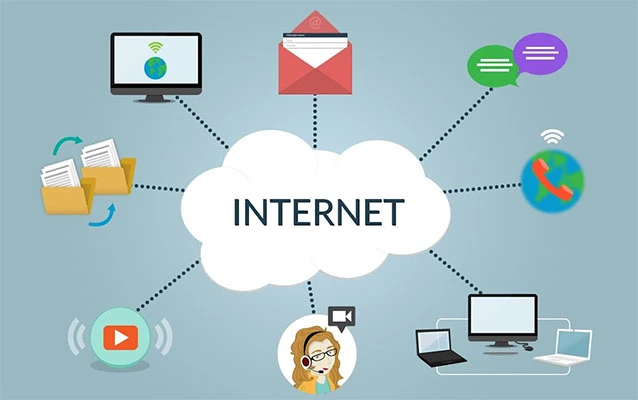
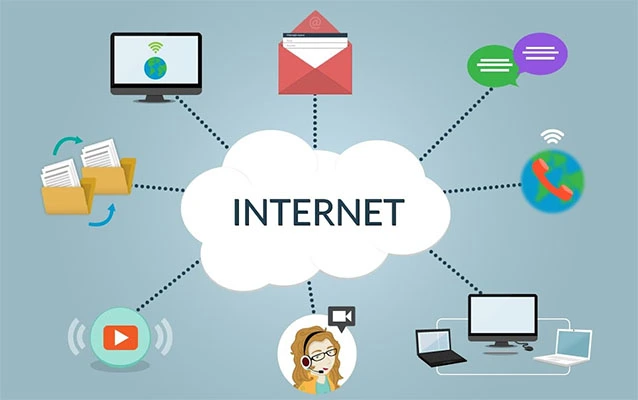
Telehealth had been “the future” for years, which in health care often means “we will discuss it at a committee meeting and then create a password nobody remembers.” COVID changed that overnight. Suddenly, video visits were not a futuristic accessory; they were a lifeline.
Family physicians learned to diagnose rashes through pixelated video, evaluate breathing by watching shoulders rise and fall on a phone screen, and ask patients to angle the camera toward a medicine bottle without accidentally giving a full tour of the laundry room. Pets became unofficial medical assistants. Toddlers photobombed depression screenings. Patients discovered the mute button only after explaining their symptoms to a silent physician for three minutes.
But telehealth also worked. It helped people avoid unnecessary exposure. It allowed older adults, caregivers, rural patients, and people with mobility challenges to connect with care. It made follow-up visits easier for chronic conditions and mental health concerns. It did not replace hands-on medicine, and no physician wants to palpate an abdomen through Wi-Fi. Still, telehealth proved that access can be redesigned when urgency forces imagination.
Fear, PPE, and the New Rituals of Care
Before COVID, putting on personal protective equipment was a clinical task. During COVID, it became a ritual. Mask, eye protection, gown, gloves, hand hygiene, mental checklist. Physicians worried about exposure, but also about exposing their families. Many came home and changed clothes in garages, showered before hugging children, and treated doorknobs like suspicious characters in a mystery novel.
The emotional load was heavy. Family physicians watched patients deteriorate quickly. They called families who could not visit loved ones in the hospital. They counseled people who were afraid, angry, misinformed, grieving, or exhausted. They kept working while staff got sick, childcare collapsed, and schedules changed by the hour.
Burnout was not a buzzword; it was a lived reality. Physicians faced staffing shortages, endless messages, moral distress, administrative demands, and the strain of being both a clinician and a public-health explainer. The joke in many clinics was that everyone was “fine,” which is medical shorthand for “currently upright and drinking coffee as if it were a personality trait.”
Vaccine Conversations at the Kitchen Table of Medicine
When COVID vaccines became available, family physicians became some of the most important messengers in the country. Not because they had the loudest microphones, but because they had relationships. A patient may ignore a press conference, distrust a social media post, and side-eye a government website, yet still ask the doctor who delivered her baby or managed her father’s diabetes, “What do you think I should do?”
Those conversations required patience. Some patients were eager. Some were cautious. Some were misinformed. Some were not anti-science; they were scared, overwhelmed, or carrying historical reasons to distrust the medical system. A good family physician did not begin by scolding. The better first move was listening.
“Tell me what worries you most” often worked better than “Here is why you are wrong.” Trust is not built with a lecture cannon. It is built through repeated, respectful conversations. Family physicians explained risk, benefits, immune response, side effects, protection against severe illness, and why recommendations could change as the virus changed. They also acknowledged uncertainty when it existed. Honesty did more for trust than pretending medicine had a crystal ball in the supply closet.
COVID Treatment Moved Into the Exam Room
As the pandemic evolved, family physicians shifted from crisis navigation to risk-based outpatient management. Testing became more accessible. Antiviral treatment became part of the conversation for eligible high-risk patients. Doctors had to consider age, immune status, kidney function, medication interactions, timing of symptoms, pregnancy status, and whether a patient could actually get the medication quickly enough for it to help.
This was classic family medicine: science plus logistics. A treatment plan is only useful if the patient can fill it, understand it, afford it, and take it safely. The physician’s job was not simply to know that an antiviral existed. It was to identify the patient who needed it, check for interactions, explain expectations, and make sure the plan fit real life.
COVID also reminded clinicians that “mild” can be a misleading word. A case may be medically mild because it does not require hospitalization, but still feel miserable to the person coughing through the night, missing work, caring for children, and wondering if every strange sensation is a bad sign. Family physicians helped patients sort symptoms into categories: expected, concerning, urgent, and “please stop reading random comment threads at 2 a.m.”
Long COVID Changed the Ending
For many people, COVID did not end when the test turned negative. Long COVID brought fatigue, brain fog, shortness of breath, dizziness, sleep problems, palpitations, headaches, anxiety, post-exertional crashes, and a frustrating sense that the body had misplaced the instruction manual.
Family physicians became central to Long COVID care because primary care is where complex, uncertain, multi-system problems often land first. A patient might need evaluation for anemia, thyroid disease, asthma, heart rhythm issues, depression, medication side effects, or post-viral complications. Another might need pacing strategies, workplace paperwork, rehabilitation referrals, or simply someone to say, “I believe you.”
That last sentence mattered. Many Long COVID patients felt dismissed because tests could be normal while symptoms were disabling. Family medicine’s patient-centered approachlistening, validating, ruling out dangerous conditions, setting practical goals, coordinating carebecame one of the most valuable tools available.
The Patients Who Stayed in Memory
Every family physician carries a mental album of patients. During COVID, that album grew heavier. There was the elderly man who learned video visits faster than anyone expected because he wanted to show his doctor his tomato plants. There was the nurse who cried in her car between shifts. There was the young father who recovered physically but could not shake the panic of having struggled to breathe. There was the patient who refused vaccination for months, then quietly asked for it after losing a cousin.
There were also small victories. A patient with uncontrolled diabetes finally got regular telehealth follow-ups and improved. A teenager opened up about depression because video felt less intimidating than an office visit. A homebound patient received care without arranging transportation. A family doctor learned that compassion can travel through a screen, though it sometimes competes with frozen audio and a cat walking across the keyboard.
What COVID Taught Family Medicine
1. Trust Is a Clinical Tool
COVID proved that trust is not soft or optional. It affects whether people test, isolate, vaccinate, seek treatment, return for follow-up, or believe medical advice. Family physicians build trust over years, often in ordinary visits that do not look dramatic at the time. Then a crisis comes, and those relationships become public-health infrastructure.
2. Access Must Be Flexible
Care cannot depend on one doorway. In-person visits, telehealth, phone calls, remote monitoring, community outreach, pharmacies, and home-based support all have roles. The best system is not the one with the fanciest portal. It is the one patients can actually use.
3. Burnout Is a Systems Problem
Yoga, gratitude journals, and better snacks are nice. They are not enough. Physicians need adequate staffing, sane inbox expectations, administrative support, fair payment, mental health resources, and leadership that understands “resilience” should not mean “please survive a broken system more quietly.”
4. Public Health Starts Locally
National guidance matters, but patients often make decisions after talking to someone they know. Family physicians, nurses, medical assistants, pharmacists, and community health workers translate public health into daily life. They explain what guidance means for a grandmother with COPD, a pregnant teacher, a college student, or a warehouse worker with no sick leave.
Additional Experiences: The Human Side of a Family Physician’s COVID Story
The most memorable COVID experiences were not always the most medically dramatic. Sometimes they were ordinary moments made strange by the pandemic. A physician might remember standing in an empty clinic hallway, hearing every phone ring at once, and realizing that the job had changed before anyone had time to update the job description. One call was about fever. Another was about unemployment paperwork. Another was from a patient who had run out of blood pressure medicine but was too afraid to go to the pharmacy. The virus was the headline, but life kept submitting footnotes.
Family physicians also became coaches for home care. They explained how to monitor temperature, when to check oxygen saturation, how to avoid spreading infection at home, and which symptoms should prompt urgent care. They taught patients not to panic over every cough, but not to ignore chest pain, confusion, bluish lips, or worsening shortness of breath. This balancing act required careful language. Too much reassurance could be dangerous. Too much alarm could send everyone to the emergency department. The goal was calm vigilance, which sounds elegant until you are explaining it to a worried family on speakerphone while the dog barks and someone’s smoke detector needs a battery.
There were moments of humor because humans create humor when reality becomes too heavy to carry without handles. Patients apologized for messy houses during video visits, as if the doctor were there to grade interior design. One man joined a visit from his parked truck because it was the only quiet place he could find. A child demonstrated “deep breathing” with the solemn intensity of a tiny opera singer. These small scenes mattered. They reminded clinicians that patients were not case numbers. They were people improvising their way through history in kitchens, bedrooms, cars, break rooms, and crowded apartments.
Yet the grief was real. Physicians lost patients. They watched families mourn without normal rituals. They saw misinformation fracture relationships. They listened to people regret choices made too late. They carried anger tooanger at preventable suffering, at inequity, at supply shortages, at the way some people treated exhausted health workers as if compassion were an unlimited subscription service with no monthly fee.
Still, many family physicians emerged with a clearer sense of purpose. COVID reinforced why primary care matters. A family doctor is not just a prescriber or referral machine. A family doctor is a witness, interpreter, advocate, scientist, neighbor, and sometimes the person who says, “Let’s take this one step at a time,” when the world is moving too fast. The pandemic did not make family medicine important. It revealed how important it had always been.
Conclusion: The Story Is Not Over
A family physician’s COVID story is not only about masks, vaccines, telehealth, burnout, antivirals, or Long COVID. It is about relationship-based medicine under stress. It is about showing up when the map is incomplete. It is about learning new tools without abandoning old values. It is about answering the phone, listening carefully, admitting uncertainty, and treating people with dignity even when everyone is tired.
COVID changed American primary care. Some changes were painful. Some were overdue. Telehealth became normal. Infection control became more visible. Physician well-being became harder to ignore. Health disparities became impossible to politely overlook. Patients learned that public health is not abstract; it is the difference between a plan that works on paper and a plan that works in a household with bills, jobs, grandparents, Wi-Fi problems, and fear.
The family physician’s COVID story ends, for now, with a lesson that is both simple and stubborn: medicine is not only about fighting disease. It is about caring for people through uncertainty. And if a doctor can do that while troubleshooting a video visit, reviewing drug interactions, calming a frightened patient, and politely ignoring a cat tail on camera, that is not just resilience. That is family medicine.