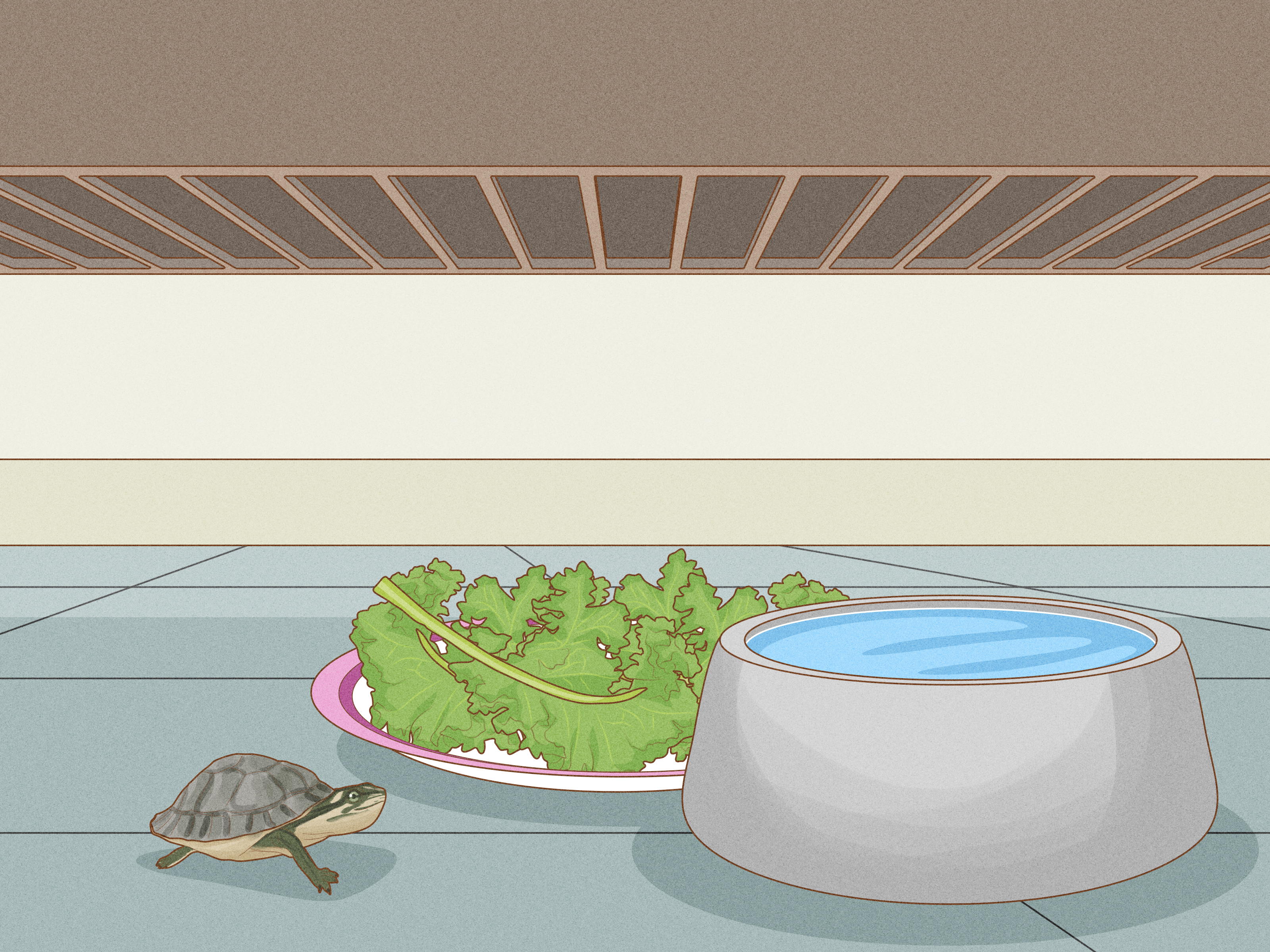
Finding a turtle sounds simple, right? Walk outside, whisper “turtle,” and wait for a tiny armored dinosaur to appear. Unfortunately, turtles are not usually taking appointments. They are quiet, cautious, surprisingly good at blending into mud, leaves, and logs, and often most active when people are least dramatic about looking for them.
Whether you want to observe a wild turtle, locate a missing pet turtle, or find a turtle to adopt responsibly, the key is patience, respect, and a little detective work. This guide explains three practical, humane, and legal ways to find a turtle without disturbing wildlife or accidentally turning a wholesome nature mission into a problem for the turtle, the ecosystem, or your local wildlife officer.
Before we begin, one important rule deserves a spotlight: finding a wild turtle does not mean taking it home. Native turtles play important roles in freshwater, wetland, grassland, and coastal ecosystems. Many species are slow to mature, slow to reproduce, and vulnerable to road mortality, habitat loss, illegal collection, and disease. So the best turtle search is usually a turtle observation, not a turtle relocation project.
Way 1: Find Wild Turtles by Looking in the Right Habitat
The easiest way to find a turtle in nature is to stop searching randomly and start thinking like a turtle. Turtles are not wandering aimlessly with tiny backpacks. They are looking for food, warmth, safety, nesting areas, and water. If you understand those needs, your chances of seeing one go way up.
Start Near Slow-Moving Freshwater
Many common freshwater turtles are most often seen around ponds, marshes, wetlands, slow-moving streams, quiet rivers, canals, ditches, and lakes. Look for places with aquatic vegetation, soft banks, muddy edges, and exposed logs or rocks. Turtles often bask in the sun to regulate their body temperature, which means a fallen tree over a pond can become the reptile version of a luxury spa chair.
Good viewing spots include nature preserves, wildlife refuges, botanical gardens with ponds, public parks with wetlands, boardwalk trails, canoe launches, and quiet lake edges. Bring binoculars if you have them. A turtle that looks like a wet rock from twenty yards away may become very obviously turtle-shaped through lenses.
Check Logs, Rocks, Mud Banks, and Sunny Edges
When scanning a pond or stream, do not stare only at the water. Look at every sunlit log, flat rock, root tangle, stump, and muddy bank. Painted turtles, sliders, cooters, map turtles, and other aquatic turtles often sit in rows on exposed surfaces. The first turtle is the hardest to spot. Once your eyes adjust, you may notice that half the “lumpy sticks” in the pond have heads.
Move slowly and keep your distance. Turtles are alert. If you stomp toward the water like a marching band, they may slide off their basking spot before you even raise your camera. Approach quietly, pause often, and use shade or vegetation as natural cover. You are not sneaking up to catch them; you are simply trying not to announce yourself like a leaf-crunching giant.
Search at the Right Time of Day and Year
Warm, sunny days are often best for spotting basking turtles. In many regions of the United States, spring through early fall offers the best viewing. During spring and early summer, some turtles move across land to reach nesting areas, wetlands, or seasonal habitats. That is why people often see turtles crossing roads after rain or during warm weather.
Morning and late afternoon can be productive because turtles may bask when the sun is warm but not brutally hot. On very hot days, they may retreat to water or shade. After storms, look carefully near roads, trails, pond edges, and damp grassy areas, but keep safety first. Never stop suddenly in traffic or walk into a roadway just to investigate a shell-shaped mystery.
Know the Difference Between Observing and Disturbing
If you find a turtle in the wild, admire it from a respectful distance. Do not feed it, chase it, pick it up for photos, or move it to a “better” place. Turtles know their home ranges better than we do. Moving a turtle far from where it was found can separate it from food, shelter, mates, nesting areas, or familiar water sources.
If a turtle is crossing a road and you can help safely, the usual advice is to move it only a short distance off the road in the direction it was already heading. Do not turn it around because it will probably try to cross again, and now everyone is annoyed, including the turtle. Never put a land turtle or tortoise into water. Some, like gopher tortoises, are land animals and can drown.
For large snapping turtles, injured turtles, sea turtles, nesting turtles, or any situation that feels unsafe, contact a park ranger, wildlife rehabilitator, animal control office, or state wildlife agency. Heroism is nice; keeping all your fingers and not stressing the animal is nicer.
Way 2: Find a Lost Pet Turtle With a Calm, Methodical Search
Pet turtles are escape artists in slow motion. One minute they are in their enclosure looking like decorative pottery with eyes; the next minute they have vanished behind a bookshelf, under the porch, or into the yard. If your pet turtle is missing, the best thing you can do is start searching immediately and stay organized.
Search the Closest Hiding Places First
Most lost pet turtles do not travel as far as panicked owners imagine, especially in the first few hours. Start near the enclosure, tank, outdoor pen, doorways, and warm areas. Indoors, check under furniture, behind appliances, inside closets, under beds, behind curtains, near floor vents, in laundry piles, and anywhere dark and snug. A turtle may wedge itself into a corner and stay still for a long time, making it surprisingly easy to miss.
Use a flashlight even during the day. Shine it low along the floor because shells may reflect light. Look behind boxes, bags, shoes, pet beds, and storage bins. Keep other pets away during the search so they do not scare or injure the turtle. Also close doors to reduce the search zone. A missing turtle investigation becomes harder when the suspect keeps expanding the crime scene.
Follow Warmth, Moisture, and Shelter
Turtles often seek warmth and cover. Indoors, they may move toward sunny patches, baseboard heaters, warm electronics, bathrooms, kitchens, laundry rooms, or humid corners. Outdoors, check under shrubs, near downspouts, beside garden borders, under decks, beneath leaf piles, around pond edges, and along fences. Turtles tend to follow barriers, so inspect the entire fence line slowly.
If your turtle escaped outside, search during daylight and again in the early evening. Place shallow water nearby for hydration, but do not create a deep water hazard. You can also place familiar food near likely hiding areas, though food alone may not lure a nervous turtle into the open immediately. Patience matters. Turtles are excellent at the “I am a rock” strategy.
Use a Grid Search Outdoors
For yards, gardens, or nearby outdoor areas, divide the space into sections. Search one section at a time, moving slowly and looking from multiple angles. A shell can disappear under three leaves and a dramatic amount of confidence. Kneel down and scan at turtle height. Look for movement, disturbed soil, flattened grass, or a small path through mulch.
Ask family members or neighbors to help, but give everyone clear instructions: do not grab roughly, do not chase, and do not step through dense plants without watching the ground. If your turtle has been missing for more than a few hours, notify neighbors, local animal shelters, reptile rescues, veterinarians, and community lost-pet groups. Include a clear photo, species if known, approximate size, color markings, and the area where the turtle disappeared.
After You Find the Turtle, Improve the Enclosure
Once your turtle is safe, inspect the escape route. Check loose lids, low walls, gaps under fences, climbable decorations, unsecured doors, and outdoor pen corners. Some turtles can climb better than expected, especially when motivated by curiosity, romance, or a personal commitment to chaos.
Wash your hands after handling the turtle or anything from its habitat. Pet turtles can carry germs even when they look healthy. Keep turtle supplies away from food-preparation areas, and clean tanks or accessories safely. A found turtle is good news; a kitchen sink full of turtle germs is not the celebratory ending anyone asked for.
Way 3: Find a Turtle to Adopt or Buy Responsibly
If your goal is to find a turtle as a pet, pause before buying the first cute shell you see online. Turtles are long-term animals. Some species can live for decades, require specialized lighting and heating, need large enclosures, and produce more mess than their calm faces suggest. A turtle is not a low-effort decoration. It is a living reptile with specific needs and a surprisingly serious real estate requirement.
Start With Reptile Rescues and Shelters
One of the most responsible ways to find a pet turtle is through a reptile rescue, animal shelter, or experienced rehoming organization. Many turtles are surrendered because owners underestimated their size, lifespan, equipment needs, or care costs. Adoption can give an existing turtle a better home without encouraging illegal or irresponsible collection from the wild.
When contacting a rescue, ask about the turtle’s species, age, adult size, diet, health history, temperament, enclosure needs, and whether it was captive-bred or surrendered. A good organization will ask you questions too. That is a positive sign. Responsible turtle people are not being nosy; they are making sure the turtle does not end up in another unsuitable setup.
Avoid Wild-Caught Turtles
Do not take a turtle from a pond, road, park, beach, or backyard and make it a pet. Wild turtles can be protected by state or federal laws, and removing them can harm local populations. It can also expose your household to parasites, disease risks, and stress-related health problems in the turtle. A wild turtle that looked charming in the grass may become a very unhappy captive with a strong desire to return to its home range.
Also avoid sellers who cannot clearly explain where the turtle came from. Ask whether the turtle is captive-bred, what permits are required in your state, and whether the species is legal to own. In the United States, turtles with shells under four inches cannot be sold as pets. If someone is selling tiny turtles from a roadside stand, flea market, or questionable website, that is a red flag wearing a tiny shell.
Research the Species Before You Commit
Different turtles have different needs. A red-eared slider, for example, may look small in a store but can grow large and require a spacious aquatic setup with filtration, basking space, heat, UVB lighting, and long-term maintenance. Box turtles are not aquatic swimmers like sliders and need land-based habitats with humidity, hiding spots, and proper diet. Tortoises have their own specialized requirements and should never be treated like pond turtles.
Before bringing home any turtle, price the full setup: enclosure, filter, basking platform, UVB lamp, heat lamp, thermometer, water conditioner if needed, substrate, hides, food, supplements, veterinary care, and backup equipment. The turtle may be inexpensive; the proper habitat is where your wallet discovers character development.
Helpful Tools for Finding Turtles Without Causing Trouble
You do not need fancy gear to find a turtle, but a few simple tools help. For wild turtle watching, bring binoculars, a field guide or reputable identification app, a notebook, water, sun protection, and a camera with zoom. For a lost pet search, use a flashlight, towels, a shallow water dish, a printed photo, and a checklist of searched areas.
If you photograph a wild turtle, avoid posting its exact location publicly, especially for rare or attractive species. Unfortunately, poachers sometimes use online location details to target wildlife. Share the general experience, not the GPS-level treasure map.
Common Mistakes to Avoid
Mistake 1: Taking a Wild Turtle Home
This is the biggest mistake. A turtle found in the wild belongs in the wild unless a licensed rehabilitator or wildlife agency says otherwise. Even well-meaning rescues can harm animals when people move healthy turtles away from their habitat.
Mistake 2: Moving a Turtle to a Random Pond
Not all turtles are aquatic, and not all ponds are safe or suitable. Moving turtles can spread disease, introduce nonnative species, or place the turtle outside its home range. If the turtle is not in immediate danger, leave it where it is.
Mistake 3: Handling Every Turtle You See
Handling stresses wild turtles and can expose people to germs. Some turtles can bite, scratch, or urinate defensively. Observe first. Touch only when necessary for immediate safety, such as moving a small turtle off a road when traffic conditions allow.
Mistake 4: Forgetting That Sea Turtles Are Protected
If you are on a beach during nesting season, watch from a distance. Do not use bright lights, flash photography, or approach nesting turtles, nests, or hatchlings. Keep beaches clean, dark, and free of obstacles. Sea turtles do not need a cheering section standing three feet away with phone flashlights.
Experience Notes: What Turtle Searches Teach You
The first lesson from looking for turtles is that speed is overrated. People rush along trails expecting wildlife to present itself like a museum display, but turtles reward the slow observer. The best turtle sightings often happen after you stop moving, stop talking, and let the landscape settle. A pond that looked empty five minutes ago suddenly reveals a head above the water, then a shell on a log, then three more turtles stacked like pancakes in the sun.
Another common experience is that turtles are easier to notice once you learn their shapes. At first, every stump looks like a turtle and every turtle looks like a stump. Then your eye begins to recognize the smooth dome of a shell, the angle of a stretched neck, or the tiny triangle of a head at the waterline. This is part of the fun. Turtle finding is less like hunting and more like learning a quiet visual language.
Searching for a lost pet turtle teaches a different lesson: panic is loud, but method works. Many owners begin by imagining their turtle halfway across town wearing sunglasses and starting a new life. In reality, escaped turtles often hide close by. The successful searches usually involve careful corners, flashlight checks, warm spots, barriers, and repeated passes through the same area. You may look under a shelf three times and only see the turtle on the fourth because it finally moved one inch. That one inch can feel like a plot twist.
Outdoor searches also teach humility. A turtle can vanish in short grass, leaf litter, mulch, or garden shadows with almost magical skill. The trick is to lower your viewpoint. Humans scan from five or six feet up; turtles live at ankle height. When you crouch down, gaps under shrubs, fence lines, and small tunnels through plants become obvious. Suddenly the yard is not a yard anymore. It is a turtle-sized city.
People who responsibly find turtles for adoption often learn the most surprising lesson: the turtle is the affordable part. The habitat, lighting, filtration, heating, veterinary care, and long-term commitment are the real story. A healthy turtle setup takes planning. The reward, however, is a fascinating animal with routines, preferences, and personality. Some turtles learn feeding schedules, recognize familiar movement, and investigate their environment with slow but determined curiosity.
The best turtle experiences have one thing in common: respect. Respect the wild turtle by leaving it wild. Respect the lost pet by searching carefully and improving its enclosure afterward. Respect the adopted turtle by preparing a proper habitat before bringing it home. When you do that, finding a turtle becomes more than a cute moment. It becomes a small act of conservation, responsibility, and wonder. Also, yes, it is still perfectly acceptable to whisper, “Nice shell, buddy,” from a respectful distance.
Conclusion
There are three smart ways to find a turtle: look for wild turtles in the right habitats, search calmly and systematically for a lost pet turtle, or adopt responsibly through a rescue, shelter, or reputable captive-bred source. Each path requires patience, safety, and respect for the animal. The golden rule is simple: observe wild turtles, protect lost pet turtles, and never remove native turtles from their natural homes.
Turtles may move slowly, but the choices people make around them can have long-lasting effects. A turtle taken from the wild may never contribute to its local population again. A released pet turtle may spread disease or compete with native species. A careless beach visitor with bright lights may disturb nesting sea turtles. On the brighter side, a thoughtful observer, careful driver, prepared pet owner, or responsible adopter can make a real difference.
So grab your binoculars, slow your pace, check the sunny logs, and keep your hands mostly to yourself. The turtle world is out there, quiet and ancient, waiting for patient people to notice it.