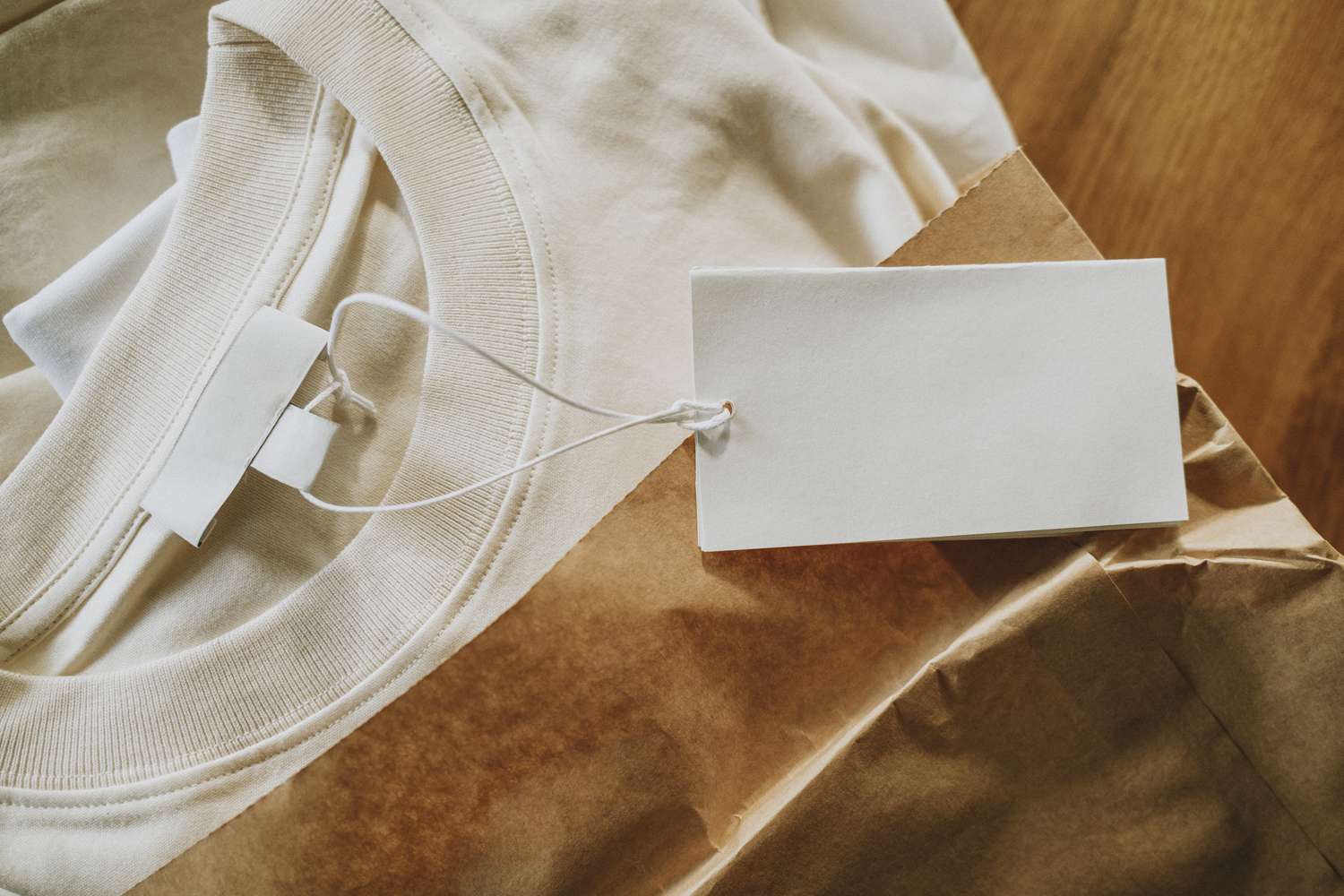
You know the feeling: you get home with a brand-new shirt, a fresh pair of jeans, or the online order you absolutely did not need but definitely deserved. The tags are still attached. The fabric looks crisp. The color is perfect. You want to wear it immediately and strut around like the main character in a detergent commercial.
But then a tiny voice in your head asks a very unglamorous question: Should I wash this first?
According to dermatologists, pediatric experts, textile specialists, and laundry pros, the answer is usually yes. Washing new clothes before wearing them is generally a smart idea, especially if the item sits close to your skin, if you have sensitive skin, or if the garment is for a baby or child. That does not mean every new sweater is secretly plotting against you. It simply means “new” does not always equal “clean.”
New clothes may carry residual dyes, finishing agents, starches, dust, and whatever mystery souvenirs come from factories, warehouses, shipping boxes, dressing rooms, and many human hands along the way. Add in the chance of dye transfer, minor shrinkage, or fabric stiffness, and that first wash starts looking less like paranoia and more like common sense.
So, should you wash new clothes before wearing them? In most cases, yes. Here is what experts want you to know, plus how to do it without accidentally turning your white socks pink or your favorite new tee doll-sized.
The Short Answer: Yes, Most New Clothes Should Be Washed First
If you want the simplest possible answer, here it is: wash most new clothes before you wear them. This is especially true for underwear, socks, pajamas, workout gear, T-shirts, baby clothes, and anything that fits snugly or rubs against the skin for hours at a time.
Experts tend to be a little more relaxed about items that do not have much direct skin contact, such as coats, jackets, or some sweaters worn over other layers. Dry-clean-only items can also be a special case, since “wash it first” is not exactly helpful advice if the label basically says, “Touch water and regret everything.”
Still, for everyday clothing, a first wash is usually the safer play. Think of it as a soft launch for your wardrobe.
Why Experts Recommend Washing New Clothes Before Wearing Them
1. New Clothes Can Carry Residual Dyes and Fabric Finishes
Many garments are treated during manufacturing so they look polished on the rack or survive transport without arriving like a wrinkled paper bag. Those treatments can include dyes, resins, starches, softeners, and other finishing chemicals. Even when they are considered acceptable for sale, some people still find that these residues irritate the skin.
This is one reason dermatologists often recommend washing new clothes before first wear. A single wash may help remove some of the leftover chemicals and excess dye that did not quite get the memo to stay inside the fabric.
Translation: the shirt may look innocent, but it has had a long trip.
2. Sensitive Skin, Eczema, and Contact Dermatitis Can Make New Clothes More Problematic
If your skin reacts dramatically to life in general, brand-new clothes may not get a free pass. People with eczema, contact dermatitis, allergies, or generally sensitive skin are more likely to notice itching, redness, or irritation from certain fabrics, dyes, or finishes.
Dark dyes can be a particular issue for some people, and synthetic materials can also be irritating, especially when combined with sweat and friction. If you have ever put on a new top and immediately felt itchy around the neckline, waistband, or underarms, your skin may have already voted on this issue.
That is also why pediatric guidance often recommends washing baby clothes before use. Babies have delicate skin, and they are not exactly known for calmly explaining what is bothering them.
3. “New” Does Not Mean Untouched
Clothes pass through a lot before they reach your closet. They are manufactured, packed, shipped, unpacked, stocked, touched by store employees, brushed by shoppers, tried on in fitting rooms, returned, restocked, folded again, and finally purchased by you. It is not a glamorous journey.
Textile experts point out that garments can pick up dirt and residue simply through handling and transport. So while your new blouse may be fresh to you, it is not exactly living in a sealed bubble of purity.
This is not a reason to panic. It is just a good reason to let your washing machine do a quick opening act.
4. The First Wash Can Prevent Dye Transfer
Ever worn dark jeans once and discovered your legs, couch cushion, tote bag, or favorite white sneakers suddenly looked like they had joined a blues festival? Excess dye transfer is very real, especially with dark, bright, or heavily saturated fabrics.
A first wash helps rinse out some of that loose dye before it lands on your skin or your other laundry. Laundry experts also recommend washing new dark or bright items separately for the first few cycles, just in case they decide to get dramatic.
5. Clothes Often Feel Better After a Wash
Sometimes the first wash is not just about hygiene or skin comfort. It is also about wearability. New clothes can feel stiff, overly crisp, or strangely “coated.” Washing can soften the fabric, relax the fibers, and improve the fit.
Cotton garments, in particular, may go through a bit of relaxation shrinkage after the first wash. Better for that to happen on laundry day than during your first wear when your “regular fit” suddenly becomes “optimistic.”
Which New Clothes Should You Definitely Wash Before Wearing?
Some items deserve an especially firm yes, wash it first:
Underwear, Bras, Socks, and Pajamas
These sit right against your skin and stay there for long stretches. They also hit sensitive areas, which is exactly where you do not want mystery residue, excess dye, or fabric finishes hanging around.
Baby Clothes and Children’s Clothing
Babies and young kids tend to have more delicate skin, and their clothes are in close, constant contact with the body. A gentle first wash is a simple precaution that makes good sense.
Workout Clothes and Tight-Fitting Garments
Anything that traps heat, sweat, and friction can make irritation more likely. Wash leggings, sports bras, fitted tees, uniforms, and performance fabrics before first wear.
T-Shirts, Tank Tops, and Anything Worn Close to the Skin
If it hugs your torso, rubs your underarms, or sits on your waistband all day, give it a wash first. Your skin may thank you by not staging a protest.
Dark Denim and Bold Colors
Dark jeans, red tops, black pants, and richly dyed items are the usual suspects for color bleeding. Washing first helps reduce the chances of dye transfer to your skin, other garments, furniture, or bags.
When You Might Skip the First Wash
Not every new item requires a laundry sprint the second it enters your home.
You may decide not to pre-wash:
Outerwear: Coats and jackets generally do not have much direct skin contact, and frequent washing is not always practical.
Layered sweaters: If a sweater is worn over a shirt and the fabric is not irritating, some people skip the first wash.
Dry-clean-only garments: Follow the care label. If the item is expensive, delicate, structured, or formal, treat the label like a tiny legal contract.
That said, if you have very sensitive skin, a history of contact dermatitis, or the garment smells strongly chemical right out of the package, it may still be worth cleaning it according to the label before use.
How to Wash New Clothes the Right Way
The goal is simple: remove residue without wrecking your new purchase. Here is the practical approach.
Read the Care Label First
Yes, the tiny tag with the laundry hieroglyphics matters. It tells you whether the garment prefers cold water, gentle cycles, air-drying, hand-washing, or complete emotional distance from your dryer.
Sort by Color
Wash darks, brights, and whites separately. New colored items are more likely to bleed during the first few washes, so do not introduce them to your pale laundry like you are hosting a chaotic mixer.
Turn Clothes Inside Out
This helps protect the outer surface from friction and fading while also cleaning the inside of the garment, where body oils, sweat, and skin contact matter most once you start wearing it.
Use a Mild Detergent
If you have sensitive skin, choose a fragrance-free, dye-free detergent. More detergent is not better. In fact, using too much can leave residue behind, which defeats the whole point.
Choose Cool or Warm Water Unless the Label Says Otherwise
Hot water is not automatically the hero. Cool or warm water is usually enough for a first wash and is often kinder to color and fabric. Save hot water for cases where the care label allows it and the situation actually calls for it.
Consider an Extra Rinse for Sensitive Skin
If your skin gets irritated easily, an extra rinse can help remove more detergent residue. It is a small step, but sometimes small steps are what keep your neck from itching all afternoon.
Do You Need to Sanitize New Clothes?
Usually, no. Regular washing is enough for most new clothes. You do not need to treat every new shirt like it just returned from a medical drama.
Sanitizing is generally reserved for specific situations, not routine first wear. For standard new clothing, a normal wash with detergent, following the care label, is the reasonable choice. The main goal is removing surface residue, excess dye, and the effects of handling, not turning your laundry room into a hazmat station.
Common Myths About Washing New Clothes
Myth: If It Looks Clean, It Is Clean
Not necessarily. Crisp fabric and folded sleeves do not reveal what residues or handling the garment has been through.
Myth: Washing New Clothes Ruins Them
Not if you follow the care instructions. In many cases, the first wash actually improves comfort and helps you learn how the garment behaves.
Myth: You Only Need to Wash Thrifted Clothes
Secondhand pieces absolutely need a wash, but brand-new clothes can also benefit from one. “New” and “ready to wear immediately” are not always the same thing.
Myth: You Must Wash Everything in Hot Water
Nope. Check the label. Many fabrics do just fine in cool or warm water, and those settings are often gentler on color and shape.
The Bottom Line
So, should you wash new clothes before wearing them? In most cases, yes. It is a low-effort, high-common-sense habit that can help remove excess dye, residual chemicals, surface dirt, and the effects of handling while also making clothes softer and easier to wear.
It matters most for close-fitting garments, underwear, baby clothes, workout wear, and anything worn by people with sensitive skin, eczema, or a history of irritation. You may skip the first wash for some outerwear or dry-clean-only items, but for everyday basics, washing first is usually the better bet.
Think of it this way: your washing machine is not ruining the big moment. It is just giving your new clothes a proper introduction before they join the rotation.
Everyday Experiences That Make the “Wash It First” Rule Feel Very Real
One reason this topic keeps coming up is that people often learn the answer the memorable way: by wearing something brand-new without washing it first and then spending the day mildly regretting their choices. Not always dramatically. Sometimes it is just a little itch at the neckline, a faint red mark around the waistband, or the odd realization that your new jeans have left a blue tint on your hands. But those little experiences add up, and they are exactly why the first-wash habit sticks for so many people.
A common example is the stiff new shirt that looks amazing on the hanger but feels strangely crunchy once it is on. After one wash, it suddenly becomes softer, more breathable, and much more comfortable. People often assume the fabric was low quality, when really it may have just been holding onto finishing agents and packaging stiffness from its trip to the store.
Then there is the dark denim experience, which deserves its own tiny museum exhibit. Plenty of shoppers have worn brand-new black jeans or indigo denim and discovered that the dye had plans of its own. It transfers to skin, handbags, light-colored shoes, car seats, couches, and occasionally dignity. A simple first wash would not always eliminate every bit of loose dye, but it often reduces the “surprise art project” effect.
Parents notice the difference too. Baby clothes may look spotless right out of the package, but many parents prefer to wash them anyway because babies have sensitive skin and spend long stretches in direct contact with fabric. Even older kids can react to seams, dyes, fragrance residues, or athletic uniforms that trap sweat and rub during play. Washing first is one of those unglamorous but useful parenting habits, like packing extra wipes or knowing exactly where the emergency snack lives.
People with eczema or reactive skin usually become first-wash believers fast. They may not react to every new garment, but when they do, they remember it. A sweater that feels fine for ten minutes may become itchy by lunchtime. A fitted top can irritate underarms or the waist. In those cases, washing first is less about being picky and more about removing one preventable trigger from the equation.
Even people who are not especially skin-sensitive often say their new clothes simply fit better after that first laundering. Cotton relaxes. Fabric softens. The item feels more like clothing and less like a product. It is the difference between “store ready” and “human ready.”
And perhaps that is the best real-world takeaway: washing new clothes first is not about fear. It is about comfort, practicality, and giving your clothes a better start. For most people, it turns out the most annoying advice is also the advice that works.