Note: This article is written for web publishing and synthesizes verified public information without inserting source-link artifacts into the body content.
Few internet images have traveled as far, mutated as strangely, or carried as much cultural luggage as the Doge meme. What began as a casual photo of a Shiba Inu named Kabosu became a global inside joke, a language style, a cryptocurrency logo, a market-moving symbol, a NASCAR paint job, a political acronym, and a tiny monument to how weird the web can be when nobody is supervising it.
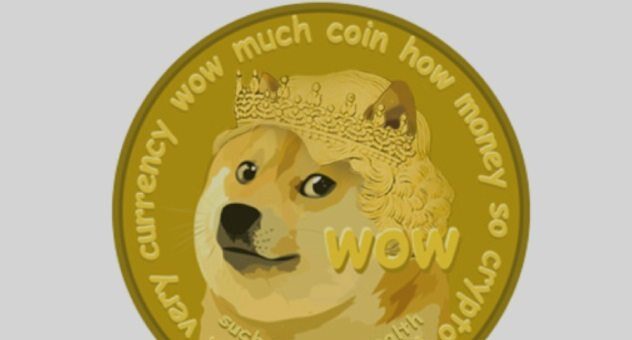
The Doge meme is simple at first glance: a dog giving a suspicious side-eye, surrounded by colorful Comic Sans captions such as “much wow,” “very scare,” and “so excite.” But behind that goofy surface is a bizarre story about rescue dogs, accidental fame, broken grammar, online communities, meme economics, and the strange power of shared nonsense. Doge is not just a funny picture. It is a case study in how internet culture turns ordinary things into mythology before anyone has time to ask, “Wait, who owns this dog?”
Below are ten bizarre facts about the Doge meme, explained with context, examples, and a little respectful barking.
1. The Word “Doge” Is Older Than the Meme
Most people assume “Doge” was invented when the Shiba Inu meme took over Tumblr, Reddit, and 4chan. Not quite. The misspelling “doge” appeared years before Kabosu became famous, including in early internet comedy culture. That means the word had already been wobbling around online before it finally found its perfect face.
This is one reason the Doge meme felt so naturally internet-native. It did not arrive as a polished joke with a punchline. It felt like a word someone typed too fast, laughed at, repeated, and then accidentally turned into a dialect. The humor comes from the fact that “doge” is wrong, but confidently wrong. It is the spelling equivalent of a dog wearing sunglasses indoors.
2. Kabosu Was a Rescue Dog Before She Became Internet Royalty
The real dog behind the most famous Doge image was Kabosu, a female Shiba Inu in Japan. Her owner, Atsuko Sato, adopted her in 2008 after Kabosu had ended up in an animal shelter. Before the memes, before the cryptocurrency, before the headlines, Kabosu was simply a rescued pet who found a loving home.
That detail makes the Doge meme oddly wholesome. Many viral internet icons are manufactured, staged, or aggressively optimized. Kabosu was not. She was adopted, photographed, loved, and then discovered by the internet. The world did not receive Doge from a branding agency. It received Doge from a kindergarten teacher’s pet blog.
3. The Original Doge Photo Was Just a Blog Picture
The iconic image of Kabosu sitting with crossed paws and a suspicious expression came from Sato’s personal blog. The photo was posted in 2010, long before Doge became a major meme in 2013. There was no elaborate photoshoot, no influencer campaign, no “10X viral content strategy.” It was just a dog on a couch, looking like she had just reviewed your browser history.
The bizarre part is how ordinary the origin was. A single pet photo escaped its original context and became a reusable emotional template. Kabosu’s expression was flexible enough to mean doubt, surprise, judgment, joy, confusion, and “I have eaten the couch but will deny everything.” That ambiguity made the image perfect for meme culture.
4. Doge Grammar Is Bad on Purposeand That Is the Genius
Doge captions are famous for phrases like “such speed,” “much snack,” “very noble,” and “so internet.” The grammar is intentionally awkward. Instead of saying “very fast,” Doge says “such speed.” Instead of “I am amazed,” Doge says “much wow.” It is wrong in a way that feels weirdly poetic.
This broken structure helped Doge become more than a picture. It became a voice. The meme turned a dog’s imaginary inner monologue into a miniature language, complete with rhythm, expectations, and jokes. Once you understand the format, you can create endless variations:
- “very Monday”
- “such coffee”
- “much regret”
- “so spreadsheet”
- “wow”
That last “wow” is essential. It is the period at the end of the Doge sentence, the tiny fireworks show after the grammar collapses.
5. Comic Sans Was Not a MistakeIt Was the Perfect Disaster
The Doge meme is inseparable from Comic Sans, the font designers love to hate and office party flyers love to abuse. In normal design, Comic Sans can look childish or unserious. In Doge, that is exactly the point. The font makes the meme feel messy, playful, and unserious in the most internet way possible.
If Doge captions had been written in a sleek luxury serif font, the joke would have fallen flat. Doge needed a font that looked like it arrived carrying a juice box. Comic Sans gave the meme its goofy visual texture. It made every caption feel like a thought bubble from a dog who has never read a grammar book but has strong opinions about snacks.
6. Kabosu Was Not the Only Shiba Inu in Early Doge Culture
Kabosu is the main face of Doge, but early Doge culture also included other Shiba Inu images. One famous variation featured a Shiba Inu named Suki wearing a scarf. This matters because memes are not always single images; they often become ecosystems. Doge started with Kabosu, but the broader “Shibe” look helped the format expand.
In other words, Doge became both a specific meme and a style. A suspicious Shiba Inu plus Comic Sans plus strange grammar equaled instant Doge energy. That flexibility helped the meme outlive the original viral wave. People could remix the format, change the dog, alter the caption, or push it into absurd new territory while still keeping the recognizable Doge spirit.
7. Doge Inspired a Cryptocurrency That Began as a Joke
In December 2013, software engineers Billy Markus and Jackson Palmer created Dogecoin, a cryptocurrency inspired by the Doge meme. It began as a parody of the exploding cryptocurrency scene. The logo used the Shiba Inu image associated with Doge, and the whole project leaned into the meme’s playful absurdity.
Here is where things become truly bizarre: the joke did not stay small. Dogecoin developed a real community, real trading activity, and real market value. A meme about a dog’s imaginary thoughts became a financial asset people bought, sold, promoted, debated, and occasionally treated like a moon rocket wearing a collar.
This is one of Doge’s strangest achievements. It blurred the line between joke and economy. The internet looked at a Shiba Inu with Comic Sans captions and somehow arrived at “decentralized digital currency.” Such finance. Very capitalism. Wow.
8. Dogecoin Helped Fund Real-World Sports Moments
Dogecoin’s early community did more than trade memes. It also raised money for real-world causes, including a well-known fundraiser connected to the Jamaican bobsled team’s trip to the 2014 Winter Olympics. Dogecoin supporters also helped sponsor NASCAR driver Josh Wise, putting Doge imagery on a race car.
That sentence sounds like it was assembled by a random word generator: Japanese rescue dog, internet meme, cryptocurrency, Jamaican bobsled, NASCAR. Yet it happened. Doge’s journey proves that memes can create communities, and communities can move money, attention, and action in unexpected directions.
What makes this fact especially strange is the emotional contrast. Doge was intentionally silly, but the people around it used that silliness to do surprisingly sincere things. The meme became a flag for generosity, group identity, and shared absurdity. It was a joke, but not only a joke.
9. The Original Doge Meme Sold as an NFT for About $4 Million
In 2021, the original Doge image was sold as a non-fungible token, or NFT, for roughly $4 million. Atsuko Sato, Kabosu’s owner, was involved in the sale. This moment turned one of the internet’s most freely shared images into a high-value digital collectible.
The sale raised a fascinating question: what does it mean to own a meme? Millions of people had copied, reposted, captioned, and remixed Doge for years. The image lived in public culture. Yet the NFT market created a way for someone to buy a recognized version of that cultural object.
Whether someone sees that as genius, absurd, or both, it fits Doge perfectly. Of course the meme famous for “much wow” would eventually become a multimillion-dollar blockchain artifact. If any meme was destined to become both priceless and ridiculous, it was Doge.
10. Doge Temporarily Replaced the Twitter Bird
In April 2023, Twitter users noticed that the platform’s classic bird logo had been temporarily replaced with a Doge icon. The change was widely associated with Elon Musk’s public interest in Dogecoin, and the stunt was followed by movement in Dogecoin’s market value.
This was one of the clearest examples of Doge becoming more than a meme. It became a symbol powerful enough to alter the look of a major social platform and attract global financial attention. A dog photo from a personal blog had become corporate interface design, market signal, and internet spectacle all at once.
The episode also showed how memes now function as cultural shortcuts. The Doge image could communicate irony, crypto enthusiasm, trolling, nostalgia, and brand disruption in a single glance. No press release required. Just one Shiba Inu face, and the internet understood that something strange was happening.
Why the Doge Meme Still Matters
Doge lasted because it was easy to understand and endlessly adaptable. It did not require deep lore. You saw the face, read the captions, and got the mood. But it also had enough flexibility to evolve across platforms, subcultures, and industries. Doge could be cute, ironic, chaotic, financial, political, or sentimental depending on who used it.
Another reason Doge endured is that it felt emotionally safe. The early meme was not built on cruelty. It was goofy, affectionate, and low-stakes. In a digital world often powered by outrage, Doge offered a softer kind of humor. It was absurd without being mean. That helped it cross borders, age groups, and internet tribes.
Kabosu’s passing in 2024 added a bittersweet chapter to the story. People who had laughed at Doge for more than a decade suddenly remembered that behind the meme was a real dog with a real owner and a real life. The internet had turned Kabosu into a symbol, but she remained, at heart, a beloved pet.
Experience Section: What Doge Teaches Anyone Who Lives Online
Spending time with the history of the Doge meme feels like opening a time capsule from the early 2010s and finding it full of glitter, broken grammar, and one deeply judgmental dog. For anyone who has grown up online, Doge represents a very specific internet experience: the joy of discovering something silly that everyone somehow understands at the same time.
Many people first encountered Doge not through an article or a formal explanation, but through repetition. A friend posted it. A Tumblr account remixed it. A Reddit thread used it as a reaction. Suddenly, phrases like “much wow” and “very scare” made sense even though they technically made no sense at all. That is the magic of meme language. It teaches itself through exposure. You do not study Doge. Doge happens to you.
The experience of Doge is also the experience of watching the internet turn private moments into shared folklore. Atsuko Sato posted photos of her pet in a casual, personal way. The audience arrived later. That can feel charming, but it also raises serious questions about digital visibility. A picture uploaded for one circle can be copied, remixed, monetized, and mythologized by strangers around the world. Doge is funny, but it also reminds us that the internet has very long legs and very few fences.
At the same time, Doge shows the creative side of online communities. People did not merely repost Kabosu’s photo. They invented a voice, a grammar, a rhythm, and a whole comedic universe. The meme became collaborative art made by millions of tiny edits. Nobody controlled it completely, which is why it stayed alive. Each person added a small variation: a new caption, a new context, a new joke. Doge became a shared toy box.
There is also a strange comfort in Doge’s simplicity. In an online world crowded with hot takes, arguments, algorithms, and doom-scrolling, Doge remains refreshingly dumb in the best possible way. It asks very little of the viewer. Look at dog. Read silly words. Smile for two seconds. Continue surviving modern life. That small emotional function should not be underestimated.
The Doge meme also teaches that internet culture can have real-world consequences. A funny dog image helped inspire a cryptocurrency, fundraising campaigns, race car sponsorships, NFT auctions, brand stunts, and public memorials. That does not mean every meme should become a financial instrumentplease do not mortgage the house because a raccoon image said “such profit.” But it does mean that memes can organize attention, and attention is one of the most powerful currencies online.
Perhaps the most human lesson is that behind every viral object is a real origin. Kabosu was not born as content. She was a rescue dog who liked ordinary comforts. Her accidental fame became enormous, but her story remained rooted in adoption, care, and companionship. That contrast is why Doge still feels special. It is both ridiculous and tender. It is a joke with a heartbeat.
For creators, marketers, writers, and internet watchers, Doge is a reminder that authenticity is hard to fake. The meme worked because it did not feel engineered. It was odd, imperfect, flexible, and emotionally clear. Nobody sat in a conference room and said, “Let us disrupt the dog-based reaction-image space.” The internet found a funny face and built a cathedral of nonsense around it.
That may be the ultimate Doge experience: realizing that the web is at its best when it leaves room for play. Not everything needs to be optimized, monetized, or explained to death. Sometimes a dog on a couch can say more about a decade of digital culture than a thousand strategy decks. Such legacy. Very internet. Much wow.
Conclusion
The Doge meme is bizarre because it should not have become this important. It was a misspelled word attached to a dog photo, dressed in Comic Sans, powered by incorrect grammar, and launched into the internet’s collective imagination. Yet it became one of the defining memes of the 2010s and continued influencing culture well into the next decade.
From Kabosu’s rescue story to Dogecoin, from Olympic fundraising to NFT auctions, from Tumblr captions to Twitter logo chaos, Doge proves that internet culture does not follow normal logic. It follows feeling, remixing, timing, and the mysterious power of a Shiba Inu who looks like she knows exactly what you did.
In the end, Doge’s legacy is not only “much wow.” It is much stranger, much sweeter, and much more revealing. The meme shows how the internet can transform an ordinary pet photo into a global symbol of humor, community, money, nostalgia, and absurd joy. Very history. Such impact. Wow.