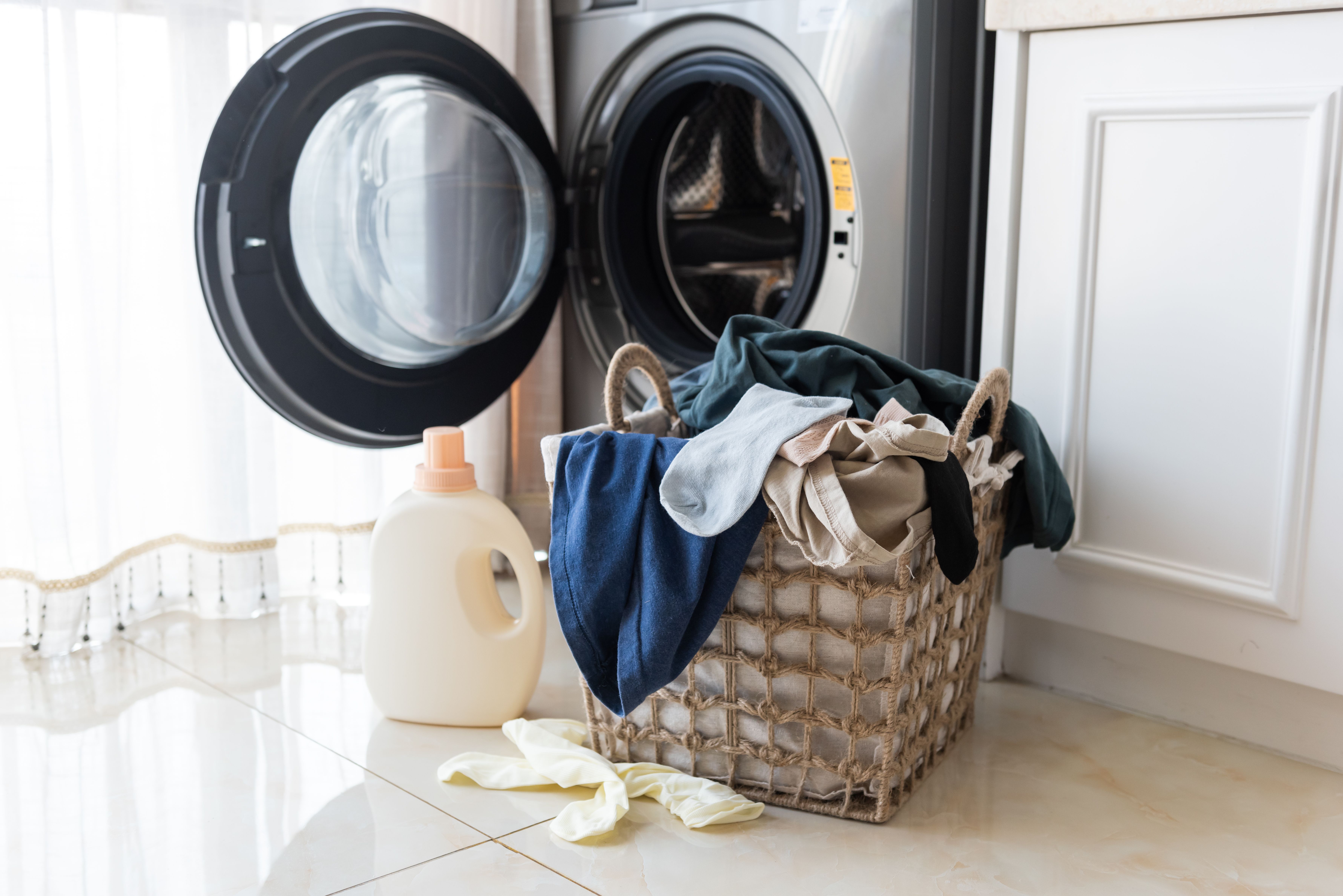
Note: This article is written in original, web-ready American English and is based on real household hygiene, laundry-care, and cleaning guidance. It is intended for general home-care education, not medical advice.
Your laundry hamper has one job: hold the clothes that have already lost the battle against sweat, dust, food crumbs, gym smells, mystery stains, and the occasional sock that seems emotionally unavailable. But here is the funny thing: while we obsess over washing clothes, towels, sheets, and sometimes even the washing machine itself, the humble laundry hamper often sits there like an unpaid intern doing dirty work with zero recognition.
So, how often should you clean your laundry hamper? For most households, a plastic laundry hamper should be wiped down once a week, while fabric, canvas, or wicker hampers should be cleaned every one to two months. However, if your hamper regularly holds damp towels, sweaty workout clothes, baby clothes, pet bedding, sports uniforms, or anything with strong odors, you should clean it more oftensometimes after every laundry day.
That may sound like one more chore trying to sneak onto your weekend, wearing sunglasses and pretending to be “self-care.” But cleaning your laundry basket is fast, simple, and surprisingly satisfying. A clean hamper helps reduce odors, prevents moisture buildup, protects clean clothes from picking up residue, and keeps your laundry area from smelling like a locker room that made poor life choices.
Why Your Laundry Hamper Gets Dirty in the First Place
A laundry hamper may look harmless, but it spends most of its life holding clothes that are not exactly fresh from a mountain meadow. Used clothing can carry sweat, body oils, dead skin cells, lint, hair, dust, deodorant residue, pet fur, outdoor dirt, and food spills. Towels and workout wear add an extra layer of drama because they are often damp, warm, and folded into the hamper with no airflow.
Moisture is the real troublemaker. Mold and mildew need moisture to grow, and damp fabrics trapped in a closed or poorly ventilated hamper can create the perfect “tiny swamp in a basket” situation. That is why wet towels, sweaty gym clothes, and soaked socks should never be tossed into a hamper and forgotten. Let them dry first, or wash them right away.
Another issue is transfer. If you use the same basket to carry dirty laundry to the washer and clean laundry back to the bedroom, grime from the dirty load can remain on the hamper surface. Then your freshly washed clothes land in the same basket and pick up whatever was left behind. Congratulations, your laundry just completed a very small, very unnecessary round trip.
The Simple Answer: How Often Should You Clean a Laundry Hamper?
The best cleaning schedule depends on your hamper material, your laundry habits, and how much “real life” your household produces. A single adult with mostly dry office clothes may not need the same routine as a family with athletes, pets, toddlers, and towels that somehow multiply overnight.
General Cleaning Schedule
| Hamper Type | How Often to Clean | Best Method |
|---|---|---|
| Plastic laundry hamper | Weekly | Wipe with dish soap and water, an all-purpose cleaner, or a disinfecting wipe; let dry completely. |
| Fabric hamper or cloth liner | Every 1 to 2 months, or weekly if it holds sweaty or damp items | Machine wash if care label allows; air dry fully before reuse. |
| Canvas hamper | Monthly or whenever odors appear | Spot clean or wash removable liner; avoid trapping moisture. |
| Wicker or rattan hamper | Dust monthly; deep clean every few months or as needed | Vacuum with a brush attachment, wipe gently with a barely damp cloth, and dry thoroughly. |
| Hamper used for sports gear, pet bedding, or sick-room laundry | After each heavy use or at least weekly | Use a wipeable plastic basket when possible; clean and dry it after emptying. |
Signs Your Laundry Hamper Needs Cleaning Immediately
If your hamper could talk, it would probably ask for hazard pay. Since it cannot, look for these warning signs instead:
- Musty odor: A sour or mildew-like smell means moisture has been hanging around too long.
- Visible dirt or lint buildup: Dust, hair, and debris collect in corners and woven surfaces.
- Sticky or stained spots: Food spills, body products, or detergent residue can cling to the basket.
- Mold or mildew spots: These need attention right away, especially on fabric or wicker.
- You used it for wet towels or sweaty clothes: Clean it sooner, not “someday.” Someday is where bad odors retire.
- You carried clean laundry in it after dirty laundry: Wipe it before using it for clean clothes.
How to Clean a Plastic Laundry Hamper
Plastic hampers are the easiest to clean, which is one reason they are a practical choice for busy households. They do not absorb odors the way fabric or wicker can, and most dirt stays on the surface.
Step-by-Step Plastic Hamper Cleaning
- Empty the hamper completely. Check for rogue socks, dryer sheets, hair ties, and the receipt from three months ago.
- Shake out loose lint and debris over a trash can.
- Wipe the inside and outside with warm water and mild dish soap.
- For extra cleaning power, use an all-purpose cleaner or disinfecting wipe suitable for hard surfaces.
- Pay attention to handles, rim edges, lid hinges, and ventilation holes.
- Rinse if needed, then dry with a towel or let it air dry completely.
The key word is dry. Do not put laundry back into a damp hamper. That is basically inviting odor to move in, sign a lease, and start decorating.
How to Clean a Fabric or Canvas Hamper
Fabric hampers look cozy and stylish, but they are more absorbent than plastic. That means sweat, odors, body oils, and moisture can settle into the fibers. If your fabric hamper has a removable liner, you are already winning. Wash the liner regularly and let it dry fully before placing it back inside.
Fabric Hamper Cleaning Method
- Check the care label first. Some fabric hampers are machine washable, while others are spot-clean only.
- Remove any liner and wash it separately with mild detergent.
- Vacuum or shake out lint, hair, and loose dirt.
- Spot clean stains with a damp cloth and gentle soap.
- For washable hampers, use warm water if the label allows.
- Air dry completely. Avoid folding or storing the hamper while damp.
If your fabric hamper smells bad even after washing, it may be holding on to mildew or deep-set odors. In that case, consider using washable liners, switching to a plastic basket for sweaty items, or replacing the hamper if the odor refuses to leave like an awkward dinner guest.
How to Clean a Wicker or Rattan Laundry Hamper
Wicker hampers bring texture, warmth, and “I have my life together” energy to a bedroom or laundry room. Unfortunately, their woven design also collects dust, lint, hair, and moisture in tiny cracks. Natural wicker can warp or develop mildew if soaked, so cleaning should be gentle and controlled.
Wicker Hamper Cleaning Method
- Remove the liner if there is one and wash it separately.
- Use a vacuum with a brush attachment to remove dust from the inside and outside.
- Use a small clean paintbrush or soft toothbrush to loosen debris between woven strands.
- Wipe with a microfiber cloth lightly dampened with mild soapy water.
- Do not oversaturate natural wicker.
- Dry in a breezy, shaded area before using again.
For wicker hampers, prevention matters. Use a washable liner, avoid tossing in wet towels, and keep the basket in a dry, ventilated area. A wicker hamper in a steamy bathroom is not impossible, but it is living on the edge.
What Should Never Go Straight Into a Laundry Hamper?
The hamper is useful, but it is not a magical smell-erasing portal. Some items need special handling before they join the laundry pile.
1. Wet Towels
Wet towels are one of the biggest hamper offenders. When crumpled into a basket, they dry slowly and can develop musty odors. Hang towels on a rack, hook, or door until they are dry, or wash them immediately.
2. Sweaty Workout Clothes
Gym clothes, especially synthetic fabrics, trap sweat and body oils. If you cannot wash them right away, hang them to dry first. Otherwise, your hamper may start smelling like it joined a spin class against its will.
3. Muddy or Heavily Soiled Clothes
Outdoor work clothes, sports uniforms, gardening pants, and muddy socks should not be buried with regular laundry. Shake off dry dirt outside, pre-treat stains, and use a separate plastic basket when possible.
4. Kitchen Towels with Food or Grease
Kitchen towels often carry food residue, grease, and moisture. Store and wash them separately from everyday clothing, especially if they have touched raw food spills or oily surfaces.
5. Sick-Room Laundry
If someone at home has been sick, handle their laundry with extra care. Wash items according to the care label, use the warmest appropriate water setting, dry everything completely, and clean the hamper afterward.
Should You Use Separate Laundry Hampers?
Separate hampers are not just for people who label their spice jars and alphabetize their tea collection. They are genuinely helpful. A simple sorting system reduces odor, protects delicate fabrics, and keeps heavily soiled laundry from mingling with everyday clothes.
Consider using separate hampers for:
- Everyday clothes
- Towels and bath linens
- Workout clothes or sports uniforms
- Baby clothes or cloth diapers
- Pet bedding and blankets
- Delicates
- Kitchen towels and cleaning cloths
If you do not have space for multiple hampers, use washable laundry bags inside one larger hamper. This gives you some separation without turning your bedroom into a laundry sorting facility.
How to Keep Your Laundry Hamper Fresher Between Cleanings
A clean hamper is easier to maintain when you stop odor before it becomes a personality trait. Try these practical habits:
- Use a washable liner: This is especially helpful for wicker, canvas, and decorative hampers.
- Let damp items dry first: Hang towels, swimsuits, socks, and workout clothes before tossing them in.
- Do not overfill the hamper: Overstuffing traps moisture and reduces airflow.
- Choose ventilation: Hampers with holes, slats, or breathable sides help reduce odor.
- Empty it regularly: The longer dirty laundry sits, the more odor develops.
- Wipe handles often: Handles get touched constantly and are easy to forget.
- Do not use the same basket for dirty and clean clothes without cleaning it: If you must, wipe it first.
Best Laundry Hamper Material for Hygiene
If hygiene is your top priority, plastic is usually the easiest material to manage. It is wipeable, non-absorbent, affordable, and durable. It may not have the boutique-hotel charm of woven rattan, but it does not hold odors as stubbornly.
Fabric hampers are lightweight and attractive, but they need washable liners or regular laundering. Canvas hampers are sturdy but can trap odor if they are not cleaned. Wicker hampers are beautiful, breathable, and decorative, but they need gentle cleaning and dry conditions.
The best compromise for many homes is a wicker or decorative outer hamper with a removable washable liner. That way, you get the look without making the basket itself absorb every laundry-day adventure.
How Often Should You Wash the Laundry Hamper Liner?
If your hamper has a removable liner, wash it at least once a month. Wash it weekly if it holds towels, sweaty clothes, underwear, socks, baby items, pet bedding, or anything damp. If you smell odor when you open the hamper, that liner has already submitted its resignation letter.
Use detergent and the warmest water safe for the fabric. Dry the liner completely before reinstalling it. A damp liner in a hamper is just a mildew starter kit with handles.
Common Mistakes People Make With Laundry Hampers
Mistake 1: Waiting Until It Smells Bad
Odor is a late warning sign. By the time your hamper smells musty, moisture and residue have already built up. Cleaning on a schedule prevents the problem instead of chasing it around with air freshener.
Mistake 2: Putting Wet Clothes in a Closed Hamper
Closed hampers hide clutter, but they also trap humidity. If you use a hamper with a lid, be extra careful not to add damp items unless they are headed to the washer soon.
Mistake 3: Forgetting the Bottom
The bottom of the hamper is where lint, sand, crumbs, hair, and “I do not know what that is” particles gather. Always clean the bottom and corners.
Mistake 4: Spraying but Not Drying
Cleaning products need proper use, but drying matters just as much. A hamper that stays damp after cleaning can develop the very odor you were trying to remove.
Mistake 5: Carrying Clean Laundry in a Dirty Basket
This is the laundry equivalent of showering and then putting on muddy shoes. If the basket carried dirty clothes, wipe it before loading it with clean ones.
A Practical Weekly Laundry Hamper Routine
You do not need a complicated system. Try this routine:
- On laundry day, empty the hamper completely.
- Shake out lint and debris.
- Wipe plastic hampers with a damp cloth and mild cleaner.
- Wash fabric liners with the laundry load if appropriate.
- Let everything dry while clothes are washing.
- Return the hamper to its spot only when fully dry.
This takes just a few minutes. The trick is pairing hamper cleaning with something you already do. When the laundry goes into the washer, the hamper gets cleaned. No extra calendar reminder. No dramatic soundtrack. No negotiations with yourself.
Extra Experience Section: Real-Life Lessons From Cleaning Laundry Hampers
After dealing with laundry in real homesbusy families, small apartments, gym-heavy schedules, pet-filled spaces, and bathrooms where towels seem to stay damp until the next presidential administrationone lesson becomes obvious: laundry hamper hygiene is less about perfection and more about rhythm.
The easiest households to manage are not always the ones with the fanciest laundry rooms. They are the ones with simple habits. For example, one very practical routine is keeping a small hook or rack near the hamper. Damp towel? It goes on the hook first. Sweaty shirt after a run? Hook first. Wet socks from a rainy walk? Absolutely not straight into the hamperthose little monsters need air. Once dry, they can join the laundry pile without turning the whole basket into a musty cave.
Another helpful experience: plastic baskets may not win beauty contests, but they are the champions of low-maintenance cleaning. In homes with kids, athletes, or pets, a plastic hamper for the dirtiest items saves a lot of trouble. Sports uniforms, muddy clothes, pet blankets, and beach towels should not have to share close quarters with delicate sweaters or office shirts. Separate baskets reduce odor and make sorting easier. It is like giving your laundry a seating chart: the sweaty team sits over there, the regular clothes sit here, and the delicate fabrics are excused from the chaos.
Fabric hampers work best when the liner is treated like part of the laundry, not part of the furniture. A washable liner is not decorative; it is a hardworking shield. Washing it every few weeks keeps the whole hamper fresher. In homes where people exercise often, weekly liner washing is smarter. The difference is noticeable. The room smells cleaner, clothes do not pick up stale odors while waiting for laundry day, and the hamper does not develop that mysterious “old towel” scent.
Wicker hampers are a special case. They look great, especially in bedrooms and bathrooms, but they need respect. Do not soak them. Do not trap wet towels inside them. Do not assume that because they look airy, they can handle endless moisture. The best setup is a wicker hamper with a washable cotton liner. The liner takes the dirt, the wicker stays dry, and your laundry area still looks like a human adult lives there.
One surprisingly useful habit is wiping the hamper immediately after loading the washer. That is when the basket is empty, and that is when cleaning it makes the most sense. Keep a microfiber cloth or disinfecting wipes near the laundry area. Wipe the inside, handles, lid, and bottom. By the time the wash cycle is done, the hamper is dry and ready for clean clothes. This habit prevents the classic mistake of placing warm, fresh laundry into the same container that just held sweaty socks.
For people in small apartments, airflow matters even more. A hamper tucked inside a closet may hide clutter, but it can also trap humidity. Choose a breathable hamper, avoid piling damp items inside, and leave the closet door cracked open if possible. If your laundry sits for several days before washing, a ventilated hamper is much better than a sealed bin.
The biggest real-life takeaway is this: clean the hamper before it asks for attention. Once a hamper smells bad, you are solving a problem. When you clean it weekly or monthly, you are preventing one. That is the quiet beauty of this tiny chore. It is not glamorous, but it works. Your laundry smells fresher, your room feels cleaner, and your hamper stops being the secret villain of laundry day.
Conclusion: Your Hamper Needs a Cleaning Schedule Too
So, how often should you be cleaning your laundry hamper? Clean plastic hampers once a week, wash fabric or canvas liners every one to two months, and give wicker hampers regular dusting plus gentle deep cleaning as needed. If your hamper holds damp, sweaty, muddy, pet-related, baby-related, or sick-room laundry, clean it more often.
The laundry hamper may not be the star of your cleaning routine, but it quietly affects how fresh your clothes stay before and after washing. Give it a quick wipe, let it dry, keep damp items out, and use washable liners whenever possible. Your clothes will smell better, your laundry area will feel cleaner, and your hamper will finally stop being the forgotten cave of suspicious socks.