Stainless steel is the quiet overachiever of the home. It shows up as refrigerators, sinks, faucets, cookware, range hoods, grills, backsplashes, dishwashers, and even trash cans that somehow look fancier than they have any right to. It is strong, sleek, and famously resistant to rust. But here is the plot twist: stainless steel is not invincible. It can scratch, stain, streak, pit, dull, discolor, and collect fingerprints faster than a toddler can find a clean appliance door.
The good news? Protecting stainless steel is not complicated. You do not need a chemistry degree, a commercial janitorial closet, or a mysterious polishing ritual performed under a full moon. You mainly need three habits: clean it gently, shield the surface from damage, and control the things that cause corrosion. Do those consistently, and your stainless steel will keep its smooth, bright finish for years.
This guide breaks down the three best ways to protect stainless steel at home, with practical examples for appliances, sinks, cookware, outdoor grills, and fixtures. Whether you are trying to keep a refrigerator smudge-free, save a stainless steel sink from hard water spots, or prevent rust on an outdoor grill, these tips will help your metal stay handsome without demanding celebrity-level maintenance.
Why Stainless Steel Needs Protection
Stainless steel resists corrosion because it contains chromium. When chromium meets oxygen, it forms a thin protective surface layer often called a passive film. This film is what gives stainless steel its “stainless” reputation. When the surface is clean and exposed to air, that layer can renew itself naturally.
Problems start when the surface is scratched, coated with grime, exposed to harsh chemicals, or left wet with salty or mineral-heavy water. Chlorine bleach, abrasive pads, steel wool, acidic residue, hard water, food salts, and outdoor pollutants can weaken the protective layer. Once that happens, you may see rust-colored spots, cloudy streaks, dull patches, or tiny pits.
So the goal is simple: help the protective layer do its job. Think of stainless steel as a classy friend who is very low-drama as long as you do not attack it with bleach and a scouring pad.
Way 1: Clean Stainless Steel Gently and Regularly
The first and most important way to protect stainless steel is to clean it before dirt, grease, salt, and minerals settle in. Regular cleaning prevents buildup from turning into stains, scratches, or corrosion. It also keeps your stainless steel looking polished instead of “I wiped this with a suspicious dish towel at midnight.”
Use Mild Soap, Warm Water, and a Soft Cloth
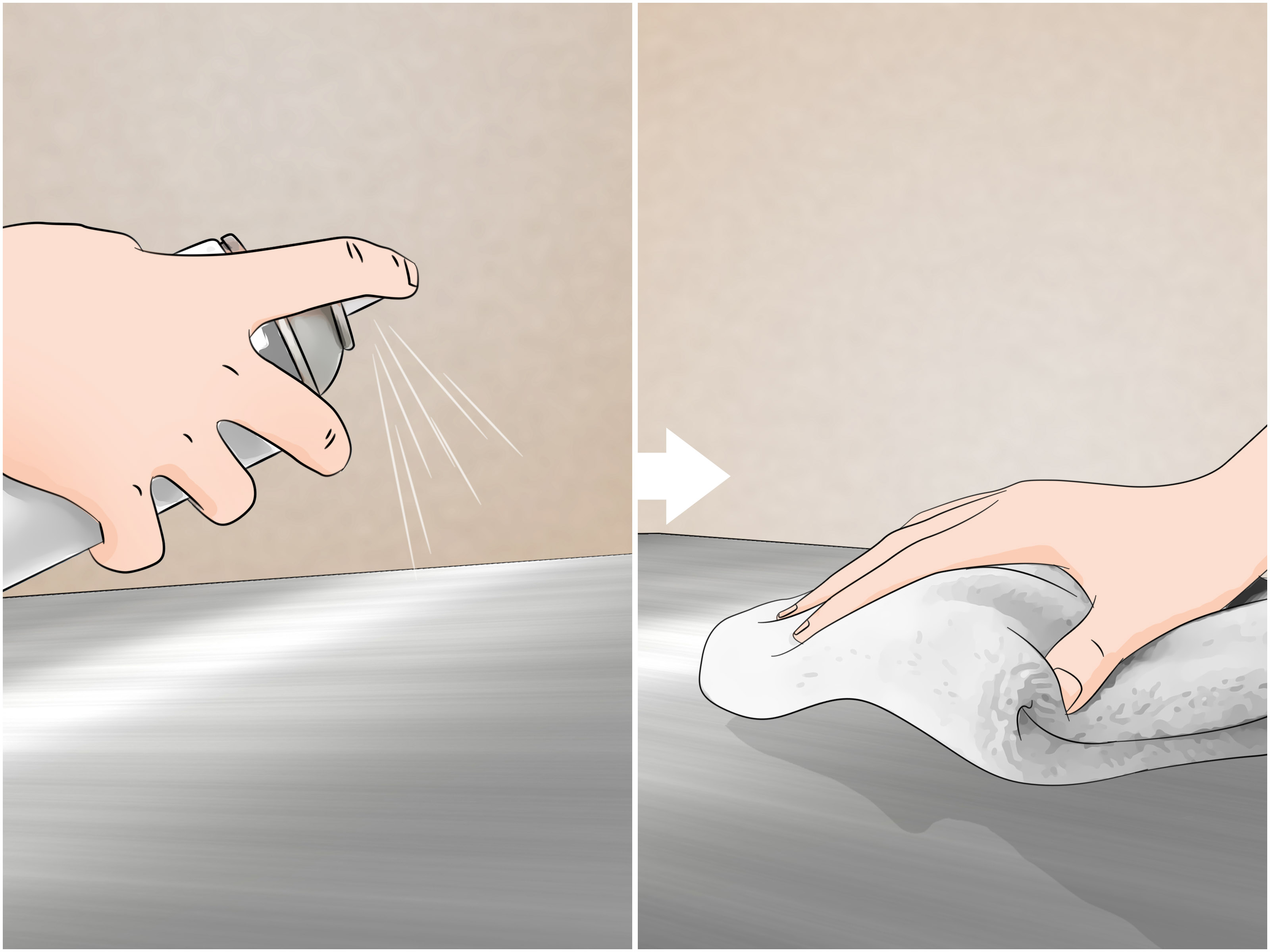
For everyday cleaning, warm water and a few drops of mild dish soap are usually enough. Dampen a clean microfiber cloth, wipe the surface, rinse with a second damp cloth, and dry immediately with a soft towel. Drying matters because water spots are not just cosmetic. Hard water contains minerals that can leave deposits behind, especially around sinks, faucets, refrigerator water dispensers, and dishwashers.
For appliances, always wipe in the direction of the grain. Stainless steel often has faint lines running vertically or horizontally. Following those lines reduces streaks and helps prevent fine scratches. If you wipe in circles, your appliance may not file a complaint, but it might quietly collect swirl marks.
Clean Fingerprints Before They Become Greasy Smudges
Fingerprints are not dangerous by themselves, but they trap oils and dust. On a refrigerator handle, dishwasher panel, or microwave door, those smudges can build up quickly. A quick daily wipe with a barely damp microfiber cloth can prevent the “crime scene of snack time” look.
If plain water does not remove greasy marks, use the mild soap method. Avoid flooding the surface. Stainless steel appliances often have seams, trim, electronic controls, or coated finishes that should not be soaked.
Use Baking Soda Carefully for Tough Spots
For stainless steel sinks and some cookware, baking soda can help remove grime and light stains. Sprinkle a small amount onto a wet surface or make a paste with water. Rub gently with a soft cloth or non-abrasive sponge, following the grain, then rinse thoroughly and dry.
Do not treat baking soda like sandpaper with a public relations team. It is mild, but it is still slightly abrasive. Use light pressure, especially on polished appliance doors or coated stainless steel finishes. When in doubt, test a small hidden area first.
Avoid the Cleaning Villains
Some products are famous for ruining stainless steel. Avoid steel wool, metal brushes, harsh scouring pads, chlorine bleach, oven cleaner, ammonia-heavy products, and abrasive powders not labeled safe for stainless steel. Also be careful with disinfecting wipes that contain bleach or strong chemicals.
Steel wool is especially sneaky. It can scratch the surface and leave tiny iron particles behind. Those particles can rust, making it look like the stainless steel itself is rusting. In other words, steel wool can create the problem it pretends to solve. Very dramatic. Very unnecessary.
Way 2: Add a Protective Finish and Prevent Scratches
The second way to protect stainless steel is to reduce direct contact with fingerprints, moisture, grease, and abrasion. This can mean using a stainless steel polish, applying a thin protective coating, choosing the right tools, and creating habits that prevent scratches before they happen.
Use a Stainless Steel Cleaner or Polish When Needed
A quality stainless steel cleaner or polish can help appliances resist fingerprints and dust while adding shine. These products are useful for refrigerator doors, dishwasher fronts, range hoods, trash cans, and grill exteriors. Follow the label directions, use a clean soft cloth, wipe with the grain, and buff dry.
Do not overapply polish. A little goes a long way. Too much product can leave a greasy film that attracts more dust and fingerprints. The goal is a light protective layer, not a surface so slick your magnets need snow tires.
Be Careful With Oils
Some people use mineral oil, coconut oil, or other light oils to polish stainless steel. Used sparingly, oil can create shine and help hide fingerprints. Used generously, it can turn your appliance into a dust magnet with commitment issues.
If you use oil, apply just a few drops to a soft cloth, wipe with the grain, then buff with a clean dry cloth until the surface feels smooth, not greasy. Avoid oil on cooking surfaces, appliance controls, and areas where heat may create residue.
Protect Stainless Steel From Scratches
Scratches are one of the biggest threats to stainless steel’s appearance. Fine scratches may only dull the finish, but deeper scratches can trap grime and make corrosion more likely. Prevent scratches by using non-abrasive cloths, soft sponges, silicone sink mats, cutting boards, and gentle cleaning methods.
Never cut directly on a stainless steel countertop or sink ledge. Do not slide rough-bottomed pans across stainless steel cooktops or counters. In a stainless steel sink, avoid dropping knives, cast iron pans, and heavy utensils. A sink grid can help protect the bottom from dents and scratches while still allowing water to drain.
Respect Coated Stainless Steel
Many modern appliances have fingerprint-resistant coatings. These finishes can look beautiful, but they need gentle care. Harsh chemicals, vinegar, abrasive pads, and metal polishes may damage the coating. Before using any cleaner, check the appliance manual or manufacturer’s care instructions.
For coated stainless steel, mild soap and water are usually the safest choice. If your refrigerator has a fingerprint-resistant finish, treat it like a designer jacket: clean it gently, do not scrub it angrily, and definitely do not experiment with random household chemicals because a forum said it “worked great.”
Way 3: Prevent Rust, Pitting, and Corrosion
The third way to protect stainless steel is to control the environment around it. Rust and corrosion usually happen when stainless steel is exposed to moisture, salt, chlorine, acidic residue, or metal contamination for too long. This is especially important for sinks, outdoor grills, coastal homes, pool areas, cookware, and commercial-style kitchens.
Keep Stainless Steel Dry
Moisture is not automatically harmful, but standing water creates trouble. After cleaning, always dry stainless steel with a soft cloth. This is especially important around sink rims, faucet bases, soap dispensers, refrigerator water trays, dishwasher fronts, and grill covers.
In a stainless steel sink, do not leave wet sponges, steel cans, cast iron pans, or salty water sitting overnight. A damp sponge may look innocent, but it can trap moisture and minerals against the surface. That is how little rust stains and dull spots sneak in.
Rinse Away Salt, Acid, and Food Residue
Salt is one of the main enemies of stainless steel. So are acidic foods like tomato sauce, vinegar, citrus juice, and wine when left sitting too long. If salty or acidic residue lands on stainless steel, rinse it away and dry the surface.
This matters for cookware too. Do not add salt to cold water and let it settle on the bottom of a stainless steel pot. Bring water to a boil first, then stir as you add salt. Undissolved salt sitting on the metal can contribute to pitting, which looks like tiny pinholes or dark specks.
Avoid Chlorine and Harsh Chemicals
Chlorine bleach can stain, pit, and corrode stainless steel. That includes bleach-based sprays, bleach wipes, and strong sanitizers not approved for stainless steel. If bleach accidentally touches stainless steel, rinse it immediately with plenty of clean water and dry the area.
Also avoid using masonry cleaners, hydrochloric acid, oven cleaner, drain cleaner, and harsh rust removers near stainless steel. Fumes and splashes can damage the surface even if the product was not applied directly. Stainless steel is tough, but it does not want to live inside a chemistry lab disaster scene.
Watch Outdoor and Coastal Stainless Steel
Outdoor stainless steel needs more frequent care because it faces rain, humidity, pollution, pollen, salt air, grill grease, and temperature swings. If you live near the coast or have a stainless steel grill near a pool, clean the surface more often. A light wash with mild soap and water, followed by a full rinse and dry, helps prevent tea staining, rust spots, and dullness.
For outdoor grills, use a breathable cover and clean the exterior regularly. Do not trap moisture under a dirty plastic cover for weeks. That can create a damp environment where corrosion has a lovely little vacation.
Remove Rust Spots Early
If you see small rust-colored spots, act quickly. Often, the stain comes from surface contamination, not deep corrosion. Clean the area with mild soap and water first. For light stains on sinks or cookware, a baking soda paste or a stainless steel-safe cleaner may help. Rub gently with the grain, rinse completely, and dry.
For deeper corrosion, heavy pitting, or expensive architectural stainless steel, consider professional help. Stainless steel can sometimes be restored through specialized cleaning, polishing, or passivation, but aggressive DIY repair can make the damage worse.
Best Practices for Different Stainless Steel Surfaces
Stainless Steel Appliances
For refrigerators, dishwashers, ovens, and microwaves, clean fingerprints with mild soap and water or a stainless steel cleaner approved for the finish. Wipe with the grain and buff dry. Avoid abrasive pads, bleach, and random all-purpose cleaners that leave streaks.
Stainless Steel Sinks
Rinse after use, especially after contact with salt, acidic foods, coffee, or cleaning products. Scrub lightly with baking soda when needed, rinse well, and dry. Use a sink grid if the sink gets heavy daily use.
Stainless Steel Cookware
Wash with warm soapy water and a soft sponge. For stuck-on food, soak the pan or simmer water in it to loosen residue. Avoid prolonged salt exposure and do not use bleach. Dry cookware before storing to prevent water spots.
Outdoor Stainless Steel Grills
Clean grease and smoke residue regularly. Rinse away pollen, salt air, and pool chemicals. Dry the exterior before covering. Use a grill cover that protects from weather without trapping moisture against dirty metal.
Common Mistakes That Damage Stainless Steel
One common mistake is assuming “stainless” means “maintenance-free.” Stainless steel is low maintenance, not magic. Another mistake is using the rough side of a sponge on appliance doors. It may remove one stubborn mark, but it can leave permanent scratches that catch the light forever, like a tiny reminder of cleaning regret.
A third mistake is letting water air-dry. Air-drying may sound harmless, but it often leaves mineral spots. Drying with a soft cloth takes less than a minute and makes the finish look dramatically better. Finally, many people use too much cleaner or polish. More product does not equal more protection. It often equals streaks, residue, and a surface that feels oddly sticky.
A Simple Weekly Stainless Steel Protection Routine
Once a week, walk through your kitchen and give stainless steel a quick reset. Wipe appliance handles and doors with a damp microfiber cloth and mild soap if needed. Rinse with a clean damp cloth. Dry and buff with the grain. Check the sink for stains, clean around the faucet base, and remove any trapped debris near drain edges.
For cookware, inspect the bottoms for discoloration or stuck-on residue. For outdoor stainless steel, look for pollen, salt film, water spots, or grease buildup. Clean early, while the job is still easy. Stainless steel rewards consistency. Ignore it for months and it becomes the metal version of “we need to talk.”
Personal Experience: What Actually Works in Real Life
After living with stainless steel appliances, sinks, cookware, and grill parts, I have learned that the simplest methods usually work best. The biggest improvement came from keeping a dedicated microfiber cloth near the kitchen sink. Not a mystery cloth from under the sink. Not the towel used to wipe pasta sauce from the counter. A clean cloth used only for stainless steel. That one tiny habit made refrigerator fingerprints, sink spots, and dishwasher streaks much easier to manage.
The second lesson is that drying is everything. For a long time, I cleaned stainless steel and let it air-dry, then wondered why it looked spotty five minutes later. The cleaner was not the problem. The water was. Once I started drying the surface immediately, the finish looked smoother, brighter, and far less streaky. It felt almost suspiciously effective, like discovering the secret button on a machine you have owned for years.
Another experience worth sharing: do not underestimate the grain. Wiping with the grain sounds like fussy advice until you compare the results. On a stainless steel refrigerator, wiping across the grain left faint streaks that showed up whenever sunlight hit the door. Wiping with the grain made the surface look cleaner with less effort. It is one of those small details that separates “clean enough” from “did a professional sneak into my kitchen?”
I have also learned to be cautious with homemade cleaning hacks. Vinegar can be useful for hard water spots on some stainless steel surfaces, but it is not something I leave sitting for a long time, and I avoid it on coated appliances unless the manufacturer says it is safe. Baking soda is excellent for stainless steel sinks, but I use a light hand. Scrubbing like I am trying to erase a parking ticket only creates more problems.
For stainless steel sinks, the best routine has been rinse, quick soap wipe, occasional baking soda clean, and immediate dry. I also stopped leaving wet sponges and metal cans in the sink. That one change prevented little rust rings and stubborn stains. It turns out stainless steel sinks do not appreciate being used as overnight storage units for damp chaos.
With cookware, I learned not to panic over heat tint or rainbow discoloration. A stainless steel pan can look dramatic after high heat, but many stains are cosmetic and clean up with the right method. What matters more is avoiding salt sitting on the bottom of a cold pan, not using harsh cleaners, and drying pans before stacking them. A soft towel between stacked pans also helps prevent scratches.
Outdoor stainless steel taught me a different lesson: weather wins if you let it. A grill can look great in spring and surprisingly tired by the end of summer if grease, rain, pollen, and humidity sit on it for too long. A monthly wash and dry makes a big difference. Covering it helps, but only if the surface is clean and dry first. Covering a dirty, damp grill is like putting a blanket over a wet dog and hoping for elegance.
The final experience is this: stainless steel does not need perfection. It needs attention. You do not have to polish every appliance daily or treat your sink like a museum artifact. Just clean gently, dry thoroughly, avoid harsh chemicals, and fix small stains before they become stubborn. Do that, and stainless steel stays beautiful without turning your home into a part-time maintenance department.
Conclusion
Protecting stainless steel comes down to three smart habits: clean it gently and regularly, protect the surface from scratches and residue, and prevent corrosion by controlling moisture, salt, acids, and harsh chemicals. Stainless steel is durable because of its protective chromium-rich surface layer, but that layer performs best when the metal is clean, dry, and treated with care.
For daily life, the winning formula is simple: mild soap, warm water, microfiber cloths, wiping with the grain, and drying right away. Add a stainless steel polish when appropriate, use non-abrasive tools, and keep bleach far away unless you enjoy learning lessons the expensive way. With the right routine, your appliances, sinks, cookware, and outdoor fixtures can stay shiny, strong, and ready for their close-up.
Note: Always check the manufacturer’s care instructions before using any cleaner or polish, especially on fingerprint-resistant or coated stainless steel finishes.