Back blackheads are one of life’s least glamorous surprises. You cannot easily see them, you cannot comfortably reach them, and somehow they always seem to appear right>
The good news is that blackheads on your back are usually manageable with a consistent routine. The bad news is that attacking them with an aggressive scrub, a loofah that has seen too much, and a mirror-assisted squeezing session is usually not the answer.
Blackheads are open clogged pores. Oil, dead skin cells, and skin debris collect inside a hair follicle. When the clog reaches the surface and is exposed to air, it darkens. That dark dot is not dirt trapped in your skin, so no amount of furious scrubbing will “clean it out.” In fact, overdoing it can irritate your skin and make the problem look worse.
This guide explains how to remove blackheads on your back with a practical, dermatologist-aligned approach. You will learn which ingredients help, which habits can quietly make back acne worse, and when it is time to let a dermatologist take over.
Why Do Blackheads Form on Your Back?
Your back has plenty of oil glands and hair follicles, especially around the shoulders, upper back, and spine. When extra oil combines with dead skin cells, the follicle can become blocked. If the pore remains open, the material inside oxidizes and appears dark, creating a blackhead.
Several everyday factors can make back blackheads more likely:
- Sweat that stays on the skin after exercise
- Tight workout shirts, sports bras, backpacks, or protective gear
- Heavy body lotions, hair products, or oils that transfer onto the back
- Hormonal changes that increase oil production
- Genetics, because sometimes your pores simply enjoy causing drama
- Harsh scrubbing that irritates the skin barrier
- Not washing sheets, towels, and workout clothes often enough
Back blackheads can appear alone, but they may also show up with whiteheads, red pimples, pustules, or painful bumps. If you have several types of acne at once, you may need a routine that treats both clogged pores and inflammation.
How to Remove Blackheads on Your Back: 9 Steps
1. Make Sure They Are Actually Blackheads
Before buying half the skin-care aisle, take a closer look at what is happening. Blackheads are usually tiny dark dots that sit flat or slightly raised in the skin. They are not usually painful, swollen, or filled with pus.
If your back is covered in itchy, uniform bumps, painful cysts, or a rash that suddenly appeared after using a new product, you may be dealing with something other than ordinary blackheads. Folliculitis, contact irritation, fungal skin conditions, or inflammatory acne can look similar from a distance.
When in doubt, skip the guessing game and ask a dermatologist. Treating the wrong problem with strong acne products can leave your skin dry, irritated, and deeply unimpressed.
2. Stop Scrubbing, Picking, and Squeezing
It is tempting to attack back blackheads with a rough exfoliating mitt, a body scrub that feels like sandpaper, or a heroic attempt to squeeze them in front of a mirror. Resist the urge.
Manual extraction can push debris deeper into the skin, cause inflammation, spread bacteria, and increase the risk of dark marks or scarring. Aggressive scrubbing can also damage the skin barrier, leading to more irritation and oiliness over time.
Use gentle pressure when washing your back. Your goal is to support your skin, not punish it for having pores.
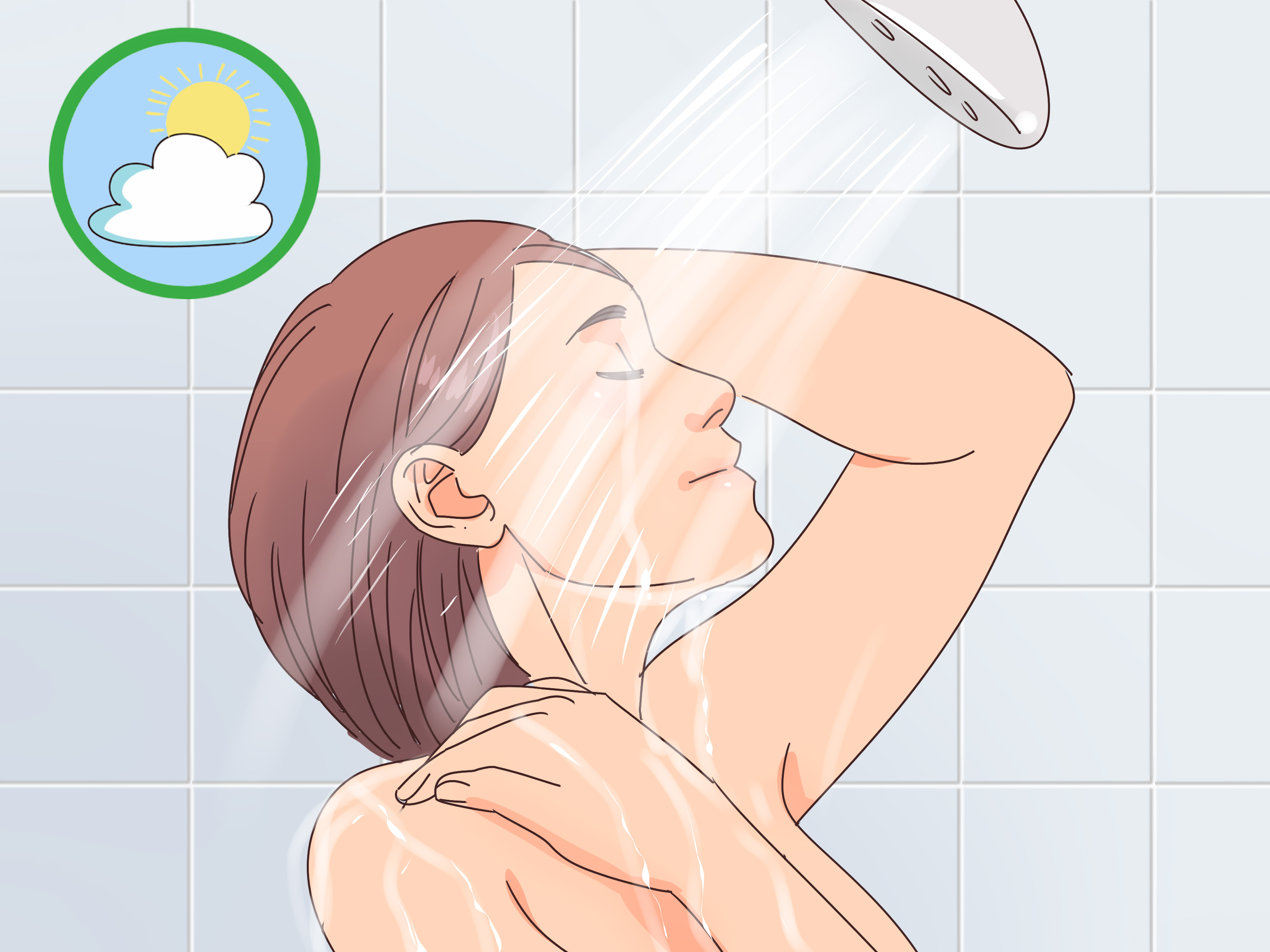
3. Shower Soon After Sweating
Sweat itself is not the villain, but sweat mixed with oil, dead skin cells, tight fabric, and friction can create an excellent environment for back acne. After a workout, outdoor activity, or humid commute, change out of sweaty clothing as soon as possible.
Use lukewarm water and a gentle cleanser to remove sweat and surface oil. Extremely hot water can strip the skin and make dryness worse, while harsh soap can leave your back feeling tight and irritated.
If you cannot shower immediately, at least change into a clean, dry shirt. Your old gym shirt may feel loyal, but it does not need to become a long-term roommate for your pores.
4. Use a Salicylic Acid Body Wash
Salicylic acid is one of the most useful ingredients for blackheads because it helps clear clogged pores and exfoliate the skin. It is especially helpful when your main issue is rough texture, blackheads, and tiny bumps rather than large inflamed pimples.
Choose a salicylic acid body wash designed for acne-prone skin. Apply it to the affected areas, allow it to sit briefly if the product instructions permit, then rinse thoroughly. A soft washcloth or clean shower brush can help you reach the center of your back without turning the process into a wrestling match.
Start slowly, especially if your skin is sensitive. Using a medicated wash every day from day one can lead to dryness. A few times per week may be enough at first, followed by gradual increases if your skin tolerates it.
5. Add Benzoyl Peroxide if You Also Have Red Pimples
Blackheads often travel with their more dramatic cousins: red pimples, pustules, and inflamed bumps. If that sounds familiar, a benzoyl peroxide body wash may be useful. Benzoyl peroxide helps reduce acne-causing bacteria, excess oil, and pore-clogging debris.
You do not necessarily need to use benzoyl peroxide and salicylic acid all at once. Many people do better by alternating them. For example, use salicylic acid on several shower days each week and benzoyl peroxide on alternate days.
One important warning: benzoyl peroxide can bleach towels, shirts, bedsheets, and anything else it touches before it is rinsed away. Use white towels if possible, rinse carefully, and let your skin dry completely before wearing a favorite dark shirt.
6. Consider Adapalene for Persistent Clogged Pores
For stubborn back blackheads, adapalene can be a game-changer. Adapalene is a topical retinoid that helps keep pores from becoming clogged in the first place. It is often used for blackheads, whiteheads, and mild acne.
Apply a thin layer to clean, completely dry skin at night. Do not use a giant blob in the hope that more product will create faster results. Your skin does not reward enthusiasm with instant clarity; it rewards consistency.
Start two or three nights per week, then gradually increase frequency as your skin adjusts. Mild dryness, peeling, or redness can happen during the first few weeks. Use a non-comedogenic moisturizer to reduce irritation.
Important: If you are pregnant, trying to become pregnant, or breastfeeding, ask a medical professional before using adapalene or other topical retinoids.
7. Moisturize Without Clogging Your Pores
Many people skip moisturizer because their back feels oily. Unfortunately, dry and irritated skin can become even more difficult to manage. Acne treatments such as salicylic acid, benzoyl peroxide, and adapalene can dry the skin, especially when used together.
Look for a lightweight, fragrance-free, non-comedogenic lotion. “Non-comedogenic” means the product is less likely to clog pores. Apply it after showering or after your nighttime treatment has absorbed.
A good moisturizer does not have to feel greasy. Think of it as a peace treaty between your skin and the acne products trying to do their jobs.
8. Reduce Friction, Product Buildup, and Clothing Triggers
Back blackheads are not always caused by your skin-care routine. Sometimes the culprit is sitting right on your shoulders.
Backpacks, tight athletic gear, snug synthetic shirts, bra straps, helmet straps, and shoulder pads can trap sweat and rub against the skin. This type of friction-related breakout is often called acne mechanica. You do not have to throw away your gym bag, but you can make smarter adjustments.
- Wear breathable, moisture-wicking clothing when exercising.
- Wash sports bras, workout tops, and uniforms after each use.
- Clean backpack straps and sports equipment regularly.
- Choose looser clothing when possible.
- Keep hair conditioner, oils, and styling products off your back.
- Rinse your back after conditioning your hair.
- Change bed sheets and pillowcases regularly.
Hair products are especially sneaky. A rich conditioner may make your hair feel like it belongs in a shampoo commercial while quietly leaving pore-clogging residue on your shoulders and upper back.
9. Give the Routine Time and See a Dermatologist When Needed
Back blackheads do not disappear overnight. Most acne treatments need several weeks of steady use before you can judge whether they are helping. Switching products every few days can make it impossible to know what is working and can irritate your skin.
A reasonable plan is to follow your routine consistently for about eight to twelve weeks, unless your skin becomes severely irritated. Take progress photos every few weeks in similar lighting. Your bathroom mirror is not always a reliable narrator, especially on a bad skin day.
See a dermatologist sooner if you have:
- Painful nodules or cysts
- Deep red or inflamed acne
- Acne scars or dark marks that keep getting worse
- Sudden severe breakouts
- Acne that affects your confidence or mental well-being
- No improvement after consistent over-the-counter treatment
A dermatologist may recommend prescription retinoids, topical antibiotics, combination treatments, oral medications, professional extraction, chemical peels, or other therapies based on your skin and acne severity.
A Simple Back Blackhead Routine
If you prefer a straightforward plan, try this uncomplicated starting routine:
Morning or Post-Workout
- Shower after sweating when possible.
- Use a gentle cleanser or salicylic acid body wash.
- Apply a lightweight non-comedogenic moisturizer if your skin feels dry.
- Wear clean, breathable clothing.
Evening
- Wash your back gently if needed.
- Apply a thin layer of adapalene two or three nights per week at first.
- Moisturize after the treatment absorbs.
- Use benzoyl peroxide on alternate days if you have inflammatory acne.
Introduce one new active ingredient at a time. Starting salicylic acid, benzoyl peroxide, adapalene, a scrub, a peel, and a mystery “detox” spray in the same week is not a skin-care strategy. It is a small chemistry experiment with your back as the lab.
Common Experiences When Treating Back Blackheads
The following are common real-world patterns people notice while building a back-blackhead routine. Everyone’s skin is different, so use them as practical expectations rather than promises.
One of the most common experiences is the “Why does it look worse before it looks better?” moment. This usually happens in the first few weeks after starting a new acne routine. Skin may feel dry, slightly rough, or mildly flaky, especially when using salicylic acid, benzoyl peroxide, or adapalene. That does not automatically mean the product is wrong for you. It may mean your routine is moving faster than your skin can comfortably handle.
Many people get better results by reducing frequency instead of quitting everything. For example, someone using adapalene every night may switch to two nights per week, add a gentle moisturizer, and see much less irritation. Slow progress is still progress. Skin care is less like microwaving leftovers and more like growing a plant: the dramatic approach is usually not the best one.
Another frequent experience involves workout habits. People often assume their acne treatment is failing when the real issue is a sweaty shirt sitting against their back for an hour after exercise. Changing clothes quickly, showering when possible, and washing gym gear after each workout can make a surprisingly visible difference. The same applies to backpacks, tight uniforms, and sports equipment that repeatedly rub the upper back.
Some people notice that hair products are quietly sabotaging their efforts. A conditioner, hair oil, leave-in cream, or styling product can slide down the back during a shower or transfer from long hair onto the shoulders. Rinsing the back after conditioning and clipping hair up while applying body products can help prevent buildup.
There is also the “I used a scrub because I wanted results faster” experience. Unfortunately, rough body scrubs, stiff brushes, and frequent picking often create temporary smoothness followed by irritation, redness, and more visible texture. Gentle chemical exfoliation with salicylic acid is usually more useful for blackheads than physical scrubbing.
People with darker skin tones may notice lingering dark marks after pimples heal. These marks can last longer than the original breakout, which makes it feel as though the acne never left. Avoiding picking, wearing protective clothing outdoors, and using a routine that does not cause excessive irritation can help reduce the chance of new marks. A dermatologist can also recommend treatments for discoloration when needed.
Finally, many people discover that patience is the hardest step. It is normal to want a clear back immediately, especially before a vacation or special event. But a routine followed consistently for several weeks usually beats a cabinet full of half-used products. Track changes, make one adjustment at a time, and seek professional help when the problem is painful, persistent, or affecting your confidence.
Final Thoughts
Removing blackheads on your back is less about finding one miracle product and more about building a routine your skin can tolerate. Cleanse gently, use pore-clearing ingredients, avoid squeezing, reduce sweat and friction, and give treatments enough time to work.
Most importantly, do not treat your back like it has personally offended you. Consistent care is more effective than aggressive care, and a dermatologist can help when over-the-counter products are not enough.
Note: This article is for general educational purposes and is not a substitute for medical diagnosis or personalized treatment. Seek medical advice for painful, widespread, scarring, sudden, or treatment-resistant acne.