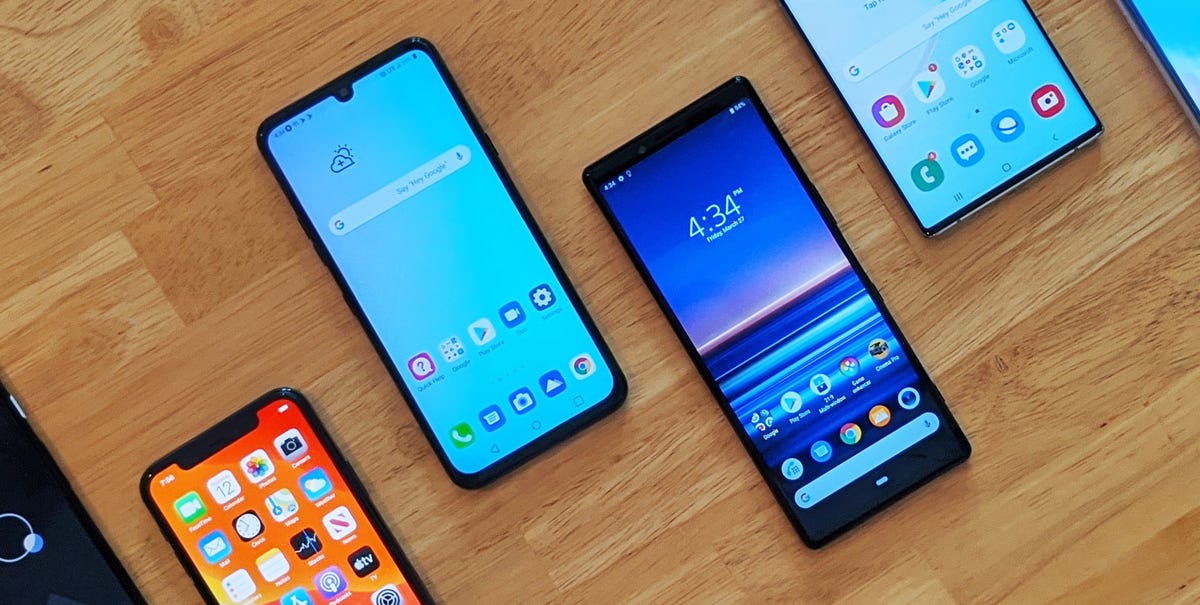
In 2020, the smartphone camera race became less of a friendly jog and more of a full-speed sprint through a photography lab. Apple, Samsung, Google, OnePlus, and other brands were no longer simply asking, “Can this phone take a good picture?” They were asking, “Can this phone replace the camera you forgot to bring, the video rig you cannot afford, and the editing software you never learned to use?”
The answer, surprisingly often, was yes. The best camera phones of 2020 delivered sharper low-light shots, smarter HDR, better portrait mode, improved ultra-wide lenses, and video quality that made casual creators feel like they had accidentally wandered onto a movie set. Some phones were better for social media, some for zoom photography, some for point-and-shoot simplicity, and some for people who enjoy adjusting camera settings the way chefs enjoy arguing about salt.
This guide breaks down the best camera phones 2020 had to offer, including the iPhone 12 Pro Max, Google Pixel 5, Samsung Galaxy Note 20 Ultra, iPhone 12, OnePlus 8 Pro, Galaxy S20 Ultra, and a few value picks that still made sense for everyday users. The goal is simple: help you understand which 2020 camera phone was best for your photography style, not just which one had the loudest spec sheet.
What Made a Great Camera Phone in 2020?
By 2020, megapixels were only one part of the story. Yes, Samsung shouted “108MP” from the rooftop, and that number definitely looked good on a box. But image quality also depended on sensor size, lens quality, stabilization, image processing, dynamic range, color science, night mode, zoom performance, and how quickly the camera could capture a moving dog before it became a furry blur.
The best camera phones in 2020 had to perform well in several real-life situations: bright daylight, dim restaurants, indoor portraits, city streets at night, family videos, selfies, landscapes, pets, food, and the occasional dramatic sunset that made everyone suddenly become a photographer. A truly great phone camera also had to be consistent. One amazing shot out of ten is not enough. A great camera phone should make the user look talented even on a Monday morning.
Best Overall Camera Phone 2020: iPhone 12 Pro Max
The iPhone 12 Pro Max was widely considered one of the best camera phones of 2020 because it combined excellent photo quality, class-leading video, reliable colors, and a camera app that almost never got in the user’s way. Apple did not win by throwing the biggest numbers at the wall. Instead, it focused on consistency, processing, stabilization, and a larger main camera sensor.
Its triple-camera system included wide, ultra-wide, and telephoto lenses. The main camera used a brighter f/1.6 aperture and sensor-shift optical image stabilization, a feature that helped reduce blur by stabilizing the sensor itself. The result was stronger low-light performance and more dependable handheld shots. Night mode was available across more cameras than before, and Deep Fusion plus Smart HDR 3 helped preserve detail and balance exposure in tricky scenes.
Why the iPhone 12 Pro Max Stood Out
The iPhone 12 Pro Max was especially strong for video. It could record Dolby Vision HDR video, making it one of the most creator-friendly phones of its time. For people filming family clips, travel moments, TikTok content, YouTube videos, or small business footage, the iPhone’s video quality felt polished straight out of the camera. Skin tones looked natural, stabilization was excellent, and exposure changes were usually smooth.
It was not perfect. The 2.5x telephoto camera was useful, but Samsung’s long-range zoom was more impressive. The ultra-wide lens also lagged behind some competitors in fine detail. Still, as an all-around camera phone, the iPhone 12 Pro Max was the safest recommendation of 2020. It was the phone you bought when you wanted great photos, great video, and fewer moments of yelling, “Why does this look weird?”
Best Zoom Camera Phone 2020: Samsung Galaxy Note 20 Ultra
If the iPhone 12 Pro Max was the reliable professional, the Samsung Galaxy Note 20 Ultra was the flashy cousin who arrived with a telescope and a dramatic entrance. Its camera system featured a 108MP main sensor, an ultra-wide camera, and a periscope-style telephoto lens with 5x optical zoom. For long-distance photography, the Note 20 Ultra was one of the most exciting camera phones of 2020.
Samsung also improved one of the major complaints from the Galaxy S20 Ultra: focusing. The Note 20 Ultra added laser autofocus, which helped the large main sensor lock onto subjects more confidently. That made it easier to capture detailed shots without feeling like the phone was thinking about its life choices before focusing.
Who Should Pick the Galaxy Note 20 Ultra?
The Note 20 Ultra was ideal for users who loved zoom, big displays, rich colors, and camera flexibility. It could capture sharp daylight photos, dramatic landscapes, and highly detailed images when conditions were right. Its zoom system was genuinely useful for concerts, architecture, signs, wildlife at a distance, and other scenes where stepping closer was not possible.
However, Samsung’s processing sometimes leaned vibrant. That made photos pop on social media but occasionally pushed colors beyond reality. If you like punchy skies, bright food photos, and images that look ready for Instagram without editing, that may be a feature, not a flaw. If you prefer neutral colors, the iPhone or Pixel may feel more natural.
Best Point-and-Shoot Camera Phone 2020: Google Pixel 5
The Google Pixel 5 did not win the hardware arms race. It skipped the telephoto lens, used a familiar 12.2MP main sensor, and relied heavily on computational photography. On paper, it looked modest. In real life, it was still one of the easiest camera phones to trust.
Google’s strength was software. HDR+, Night Sight, Portrait Mode, and smart image processing helped the Pixel 5 produce balanced, contrasty, pleasing photos with very little effort. It was the camera phone for people who did not want to understand sensor sizes or aperture values. They wanted to tap the shutter button and get a good picture. The Pixel 5 usually delivered.
Pixel 5 Strengths and Weaknesses
The Pixel 5 performed especially well in everyday photography: street scenes, portraits, pets, food, and low-light moments where Google’s Night Sight still worked its magic. It also introduced an ultra-wide camera, which many Pixel fans had wanted for years. That made it more versatile than previous models.
Its biggest weakness was zoom. Without a dedicated telephoto lens, the Pixel 5 could not compete with the Galaxy Note 20 Ultra or even the iPhone 12 Pro Max for distant subjects. But for casual users, students, travelers, and anyone who wanted simple, reliable photos, the Pixel 5 remained one of the smartest camera phone choices of 2020.
Best Camera Phone for Most People: iPhone 12
Not everyone needed the massive iPhone 12 Pro Max. The regular iPhone 12 offered excellent camera quality in a smaller, more affordable package. It used a dual-camera system with wide and ultra-wide lenses, improved Night mode, Smart HDR 3, and strong video recording.
For most users, the iPhone 12 delivered more camera quality than they realistically needed. It took bright, detailed photos, handled video beautifully, and worked well for social media. The missing telephoto lens mattered if you often zoomed in, but for everyday scenes, the iPhone 12 was one of the most balanced camera phones of the year.
Best Android Camera Alternative: OnePlus 8 Pro
The OnePlus 8 Pro was a major step forward for OnePlus photography. Earlier OnePlus phones were fast and smooth but often fell behind Apple, Google, and Samsung in camera performance. In 2020, the OnePlus 8 Pro became a legitimate camera contender.
Its main camera and ultra-wide camera were both strong, with good detail and improved color handling. The ultra-wide camera was especially impressive compared with many rivals. It was not always as consistent as the iPhone or Pixel, and low-light performance could vary, but the OnePlus 8 Pro proved that OnePlus was no longer just a “great performance, okay camera” brand.
Best Big-Spec Camera Phone: Samsung Galaxy S20 Ultra
The Samsung Galaxy S20 Ultra was one of the boldest camera phones of 2020. It had a 108MP main camera, a huge zoom range, 8K video recording, and a spec sheet that looked like Samsung’s engineers had been given espresso and no adult supervision.
When it worked well, the S20 Ultra produced highly detailed photos and impressive zoom shots. However, early focusing issues made it less dependable than the later Note 20 Ultra. For users who wanted the biggest numbers and did not mind occasional quirks, the S20 Ultra was fascinating. For users who wanted fewer camera headaches, the Note 20 Ultra was the better Samsung pick by the end of the year.
Best Value Camera Phone 2020: Google Pixel 4a
The Google Pixel 4a deserves a special mention because it brought excellent image processing to a much lower price point. It did not have multiple rear cameras or premium hardware, but its single main camera could still produce beautiful photos in everyday situations.
For budget-conscious buyers, the Pixel 4a was one of the easiest recommendations of 2020. It gave users Google’s signature photo style, strong dynamic range, and reliable Night Sight without forcing them to pay flagship prices. In a year when premium phones were getting expensive enough to make wallets hide under furniture, the Pixel 4a felt refreshingly sensible.
Camera Phone Comparison: Which 2020 Model Was Best for You?
For Photos and Video: iPhone 12 Pro Max
Choose the iPhone 12 Pro Max if you wanted the strongest all-around camera experience. It was excellent for family photos, portraits, low-light shots, social media, travel, and video. Its biggest advantage was reliability. You could open the camera, shoot quickly, and trust the result.
For Zoom: Galaxy Note 20 Ultra
Choose the Galaxy Note 20 Ultra if zoom mattered. Its 5x optical zoom gave it a real advantage for distant subjects. It was also great for users who liked bold colors, a giant screen, and plenty of camera modes.
For Simplicity: Pixel 5
Choose the Pixel 5 if you wanted simple, smart photography. It was not the most powerful camera phone, but it was one of the easiest to use. Google’s processing made ordinary scenes look polished without much effort.
For Budget Buyers: Pixel 4a
Choose the Pixel 4a if you wanted excellent photos without flagship pricing. It was proof that camera quality was not only about having three or four lenses. Sometimes one smart camera is better than four confused ones.
What About Huawei, Oppo, and Xiaomi?
In global camera phone discussions, Huawei, Oppo, and Xiaomi were important players in 2020. Phones like the Huawei P40 Pro series, Oppo Find X2 Pro, and Xiaomi Mi 10 Pro offered excellent camera hardware and strong zoom or low-light performance. However, for many U.S. readers, availability, carrier support, software limitations, and Google service access made them less practical choices.
That does not mean they were bad camera phones. In fact, several were outstanding. But a “best camera phone” list for American buyers must consider more than photo samples. A phone also needs to be easy to buy, easy to activate, easy to update, and easy to recommend without adding a paragraph of warnings longer than the phone’s warranty.
Real-World Camera Experience: Lessons from Using the Best Camera Phones of 2020
Looking back at the best camera phones of 2020, one lesson stands out: the best camera was not always the one with the biggest numbers. The phone that looked most impressive on paper did not always win in real life. A 108MP sensor sounded amazing, but if focus was inconsistent or processing was too aggressive, the final photo could still disappoint. Meanwhile, Google kept proving that clever software could make a modest sensor punch far above its weight.
The iPhone 12 Pro Max felt like the safest camera to use when the moment mattered. If a child was blowing out birthday candles, a dog was doing something ridiculous, or the sky had exactly thirty seconds of perfect sunset color, the iPhone was the phone most likely to capture the scene without drama. Its camera app was quick, its video was excellent, and its color science usually made people look like people rather than wax figures under supermarket lighting.
The Galaxy Note 20 Ultra was more fun when you had time to experiment. Its zoom changed the way you framed a scene. You could stand across the street and capture architectural details, compress a landscape, or photograph signs and objects that other phones could barely see. It made photography feel playful. The tradeoff was that you sometimes had to manage Samsung’s enthusiasm for color and sharpening. The Note 20 Ultra occasionally edited photos like it was preparing them for a talent show.
The Pixel 5 was the quiet genius. It did not feel as premium or technically ambitious as the iPhone or Samsung flagships, but it made everyday photography easy. You could take a photo of coffee, a friend, a rainy street, or a dim room and often get a balanced result. The Pixel look was contrasty, detailed, and instantly shareable. Its lack of a telephoto lens hurt versatility, but many users rarely zoomed anyway. For them, the Pixel 5 was not missing much.
One of the biggest changes in 2020 was how much night photography improved. A few years earlier, low-light phone photos often looked like blurry evidence from a mystery show. By 2020, Night mode, Night Sight, larger sensors, and multi-frame processing made it possible to capture usable images in restaurants, streets, bedrooms, and evening events. The results were not always natural, but they were often impressive. Phones had learned how to see in the dark, or at least how to fake it convincingly.
Video also became a major dividing line. Many Android phones took excellent photos, but Apple remained unusually strong in video consistency. Exposure transitions, stabilization, audio capture, color, and ease of use made the iPhone 12 series especially appealing for creators. If you wanted to record a quick product clip, vlog, family moment, or short travel montage, the iPhone gave you polished results with minimal effort. That mattered in 2020, when more people were creating content from home, school, bedrooms, kitchens, and every corner where the lighting was not completely tragic.
Another real-world lesson: ultra-wide cameras were useful but still uneven. They were great for landscapes, tight rooms, architecture, and dramatic social media shots, but they often had weaker detail and more distortion than main cameras. The best advice in 2020 was to use the main camera when quality mattered most and switch to ultra-wide when the composition demanded it. In other words, ultra-wide was a tool, not a magic wand.
Finally, the best camera phone depended on personality. The iPhone 12 Pro Max was for people who wanted consistency. The Galaxy Note 20 Ultra was for people who wanted reach and flexibility. The Pixel 5 was for people who wanted simplicity. The Pixel 4a was for people who wanted great photos without financial pain. The OnePlus 8 Pro was for Android fans who wanted a fast phone with a much-improved camera.
In the end, 2020 proved that camera phones had become serious creative tools. They were not replacing professional cameras in every situation, but they were replacing them in many everyday situations. The best camera phone was no longer just “good for a phone.” It was simply good.
Conclusion: The Best Camera Phone of 2020
The best camera phone of 2020 was the iPhone 12 Pro Max for most users. It offered the strongest blend of photo quality, video performance, low-light capability, color reliability, and ease of use. It was not the best at everything, but it was excellent at almost everything.
The Samsung Galaxy Note 20 Ultra was the best choice for zoom lovers and users who wanted a large, feature-packed Android flagship. The Google Pixel 5 was the best point-and-shoot Android camera phone, while the Pixel 4a was the best value pick. The OnePlus 8 Pro also earned respect as a strong Android alternative with a much-improved camera system.
If 2020 taught us anything, it is that camera phones had officially grown up. They could shoot sharp photos, bright night scenes, beautiful portraits, stable video, and dramatic zoom shots. They could also make lunch look like a magazine spread, which may or may not be a public service. Either way, the best camera phones of 2020 gave everyday users more creative power than ever before.