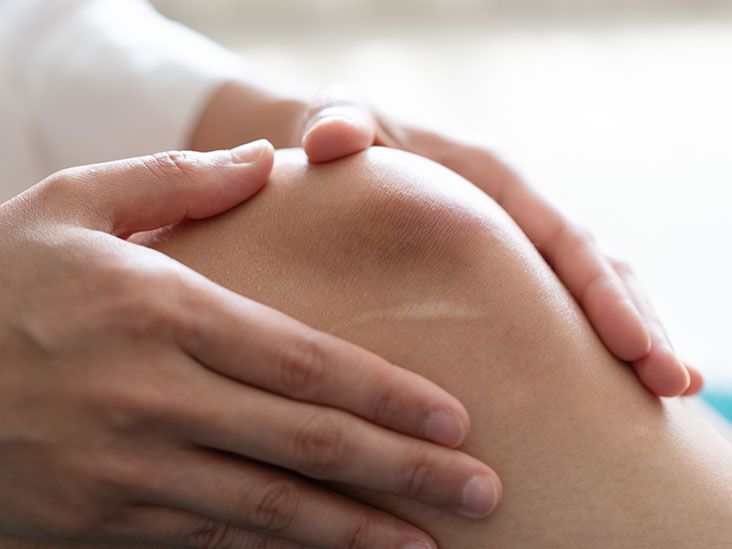
Finding a mystery bruise can feel like discovering evidence that your body attended a wrestling match without inviting you. One day your arm looks normal; the next, there is a purple-blue blotch near your elbow, and you have absolutely no memory of bumping into anything.
In many cases, random bruising is not truly random. Small knocks, pressure from carrying bags, workouts, playful pets, crowded furniture, and everyday clumsiness can damage tiny blood vessels under the skin without leaving a memorable moment behind. But frequent unexplained bruises can also be a clue that medications, aging skin, nutritional issues, low platelets, liver problems, or bleeding disorders may be affecting the way your body handles minor injuries.
This guide explains the common causes of random bruising, how bruises heal, what treatment can help, when unexplained bruises require medical attention, and practical ways to reduce future bruising.
What Is a Bruise, Exactly?
A bruise, also called a contusion or ecchymosis, happens when tiny blood vessels beneath the skin break. Instead of blood leaving the body through a cut, it leaks into the surrounding tissue. That trapped blood creates the familiar black, blue, purple, green, or yellow patch.
Bruises often change color as the body breaks down and reabsorbs the blood. A fresh bruise may look red, blue, dark purple, or almost black. As it heals, it can fade into greenish, yellow, or brown shades. This color-changing process is normal, even though it can make your skin resemble a tiny abstract painting.
Most minor bruises heal within about two weeks. Larger bruises, deep muscle bruises, bruises on the legs, and bruises in older adults can take longer to fade.
Common Causes of Random Bruising
1. Minor Bumps You Do Not Remember
The most common explanation for unexplained bruising is simple: you bumped into something and forgot about it. Many everyday impacts are mild enough that they do not hurt much at the time. You may brush past a countertop, lean against a chair, carry a heavy grocery bag, hit your shin on the bed frame, or bump your arm while reaching into a cabinet.
People who exercise, work physically demanding jobs, play sports, care for children, or own enthusiastic dogs may collect bruises like accidental souvenirs. A bruise can appear hours after an impact, so the connection between the bump and the discoloration is often easy to miss.
2. Aging Skin and Fragile Blood Vessels
Easy bruising becomes more common with age. Over time, the skin becomes thinner and loses some of the fatty tissue that cushions blood vessels. The blood vessels themselves may also become more fragile. That means a light bump that once caused nothing may now leave a noticeable purple mark.
Older adults often develop bruises on the hands and forearms, especially after gardening, carrying boxes, or brushing against furniture. This can be frustrating, but age-related bruising is often harmless when it is mild, predictable, and not accompanied by other bleeding symptoms.
3. Medications That Affect Bleeding
Some medicines make bruising more likely because they affect platelets, blood clotting, or blood vessel strength. Common examples include:
- Blood thinners such as warfarin, apixaban, rivaroxaban, dabigatran, or heparin
- Antiplatelet medications such as aspirin or clopidogrel
- Nonsteroidal anti-inflammatory drugs, including ibuprofen and naproxen
- Corticosteroids, especially long-term oral or topical use
- Some antidepressants that can affect platelet function
- Certain cancer treatments and immune-suppressing medicines
Do not stop prescribed medication because of bruising without speaking with a healthcare professional. Stopping a blood thinner suddenly can be dangerous for some people. Instead, report new or worsening bruising so your clinician can decide whether your medication, dose, lab monitoring, or treatment plan needs adjustment.
4. Vitamins and Nutrition
Nutrition can affect skin, blood vessels, and clotting. Severe vitamin C deficiency can weaken blood vessel walls and contribute to bleeding under the skin. Vitamin K plays an important role in normal blood clotting. Poor nutrition, significant digestive disorders, malabsorption conditions, or very restricted diets may increase the risk of nutritional deficiencies.
That does not mean every bruise requires a cabinet full of supplements. In fact, taking supplements blindly can create problems, especially for people taking anticoagulants. Large changes in vitamin K intake may affect warfarin management. A better strategy is to eat a balanced diet and ask a healthcare professional before adding high-dose supplements.
5. Low Platelet Count
Platelets are blood-cell fragments that help stop bleeding after blood vessels are injured. When platelet levels are low, the body may have a harder time forming a proper clot. This condition is called thrombocytopenia.
Low platelets can lead to easy bruising, frequent nosebleeds, bleeding gums, unusually heavy menstrual bleeding, or tiny red-purple spots called petechiae. Petechiae can look like a rash, but unlike many rashes, they usually do not disappear when pressed.
Platelet problems may occur because of infections, autoimmune conditions, medication effects, liver disease, certain cancers, chemotherapy, or bone marrow disorders. A blood test can help determine whether platelet levels are normal.
6. Inherited Bleeding Disorders
Some people are born with conditions that affect blood clotting. One of the most common inherited bleeding disorders is von Willebrand disease. People with this condition may experience easy bruising, frequent nosebleeds, heavy periods, prolonged bleeding after dental work, or excessive bleeding after surgery.
Family history matters. If several relatives bruise easily, have heavy menstrual bleeding, need extra care during surgery, or have long-lasting bleeding after dental procedures, mention that history to a clinician.
7. Liver Disease and Alcohol-Related Problems
The liver helps produce proteins needed for blood clotting. Liver disease can interfere with that process and contribute to easy bruising or bleeding. Heavy alcohol use can also increase bruising risk by affecting the liver, nutrition, balance, and judgment. In other words, alcohol can create both the bruise and the reason you do not remember getting it. That is an impressively unhelpful double feature.
Bruising accompanied by yellowing of the skin or eyes, abdominal swelling, fatigue, nausea, dark urine, or unexplained weight loss should be evaluated promptly.
8. Less Common but Serious Medical Conditions
Rarely, unexplained bruising can be associated with serious conditions such as blood cancers, bone marrow disorders, severe infections, autoimmune diseases, or clotting disorders. Bruising alone does not mean someone has cancer or a life-threatening illness. Still, bruising that is frequent, severe, new, or combined with symptoms such as fatigue, fever, recurrent infections, weight loss, enlarged lymph nodes, or persistent bleeding deserves medical attention.
When Is Random Bruising a Warning Sign?
Most bruises are harmless. However, you should contact a healthcare professional if bruising is becoming more frequent, appears without a clear reason, or seems different from your usual bruises.
Make a Medical Appointment If You Notice:
- Frequent bruises with no known injury
- Large, painful, swollen, or raised bruises
- Bruises that appear suddenly in several places
- Easy bruising along with frequent nosebleeds or bleeding gums
- Very heavy menstrual bleeding or bleeding between periods
- Blood in urine, stool, vomit, or mucus
- Tiny red or purple spots on the skin
- Bruising after starting a new medication or changing a dose
- A family history of bleeding disorders
- Fatigue, paleness, fever, frequent infections, or unexplained weight loss
Seek Urgent Care or Emergency Help If:
- You hit your head while taking blood thinners
- You have a severe headache, confusion, fainting, weakness, or vision changes
- A bruise rapidly expands or causes severe pain and swelling
- You cannot stop bleeding from a cut or wound
- You notice black, tar-like stools or vomit that looks like coffee grounds
- You cough up blood or have blood in your urine
- You develop bruising after a major fall, car accident, or other significant injury
Do not try to “wait it out” after a head injury if you are taking anticoagulants. Internal bleeding is not always obvious from the outside.
How Doctors Evaluate Unexplained Bruising
If you visit a clinician for random bruising, they will usually start with questions rather than dramatic medical detective music. Expect questions about when the bruises started, where they appear, whether they are painful, what medications and supplements you take, and whether you have a personal or family history of excessive bleeding.
Your clinician may examine your skin, ask about alcohol use and diet, and check for signs of anemia, liver disease, infection, or blood disorders. Depending on your symptoms, testing may include:
- A complete blood count, or CBC
- Platelet count
- Blood clotting tests
- Liver function tests
- Tests for iron deficiency or anemia
- Testing for inherited bleeding disorders when appropriate
These tests help separate harmless easy bruising from bruising caused by platelet changes, clotting issues, medication effects, nutritional problems, or another underlying condition.
How to Treat a Bruise at Home
Most simple bruises do not need medical treatment. Your body usually does the repair work on its own, although it would be nice if it sent a progress report instead of just changing colors every few days.
Use the First 24 to 48 Hours Wisely
- Apply a cold pack: Wrap ice or a cold pack in a clean towel. Apply it for up to 15 minutes at a time, then give the skin a break.
- Elevate the area: Raise the injured arm or leg above heart level when possible to reduce swelling.
- Rest the area: Avoid heavy use of a sore muscle or joint for a day or two.
- Use gentle compression if appropriate: A light elastic bandage may help swelling, but it should never feel tight, numb, or painful.
- Choose pain relief carefully: Acetaminophen may be an option for pain for many people. Ask a clinician before using aspirin, ibuprofen, or naproxen if you bruise easily or take blood-thinning medication.
Do not massage a fresh bruise aggressively. It may feel satisfying for approximately three seconds, but it can increase soreness and tissue irritation. Also skip the urge to poke it repeatedly “just to see if it still hurts.” Science has already confirmed that it does.
What About Arnica, Creams, and Home Remedies?
Some people use topical arnica, vitamin K creams, or other bruise products. Evidence for these remedies is mixed, and none should replace medical evaluation for unexplained bruising. A cool compress, rest, elevation, and time remain the most dependable first-aid approach for an ordinary bruise.
How to Prevent Random Bruising
You cannot prevent every bruise unless you plan to spend your life wrapped in bubble wrap, which may be inconvenient at meetings. But you can reduce your risk.
Protect Your Skin and Blood Vessels
- Wear long sleeves or protective gear for gardening, sports, and hands-on work.
- Use gloves when moving heavy objects or working outdoors.
- Improve lighting in hallways, stairs, and bedrooms to reduce bumps and falls.
- Remove loose rugs, cords, and clutter that create trip hazards.
- Use sunscreen regularly, especially on thin, sun-exposed skin.
- Wear properly fitted shoes to improve balance and stability.
Review Medication and Supplement Habits
Keep an updated list of all prescription medications, over-the-counter pain relievers, herbal products, vitamins, and supplements. Bring it to medical appointments. Fish oil, ginkgo, garlic supplements, high-dose vitamin E, and some herbal products may affect bleeding in certain people, particularly when combined with anticoagulants or antiplatelet medicines.
Again, do not stop prescribed medication without medical guidance. Prevention is about safer management, not improvising your own pharmacy drama.
Support Overall Health
Eat a varied diet that includes fruits, vegetables, protein, whole grains, and healthy fats. Limit heavy alcohol use. Stay active to support strength, balance, and bone health. If you are prone to falls, consider discussing balance exercises, vision checks, physical therapy, or home-safety changes with a healthcare professional.
Real-Life Experiences With Random Bruising: What They Often Reveal
Random bruising often creates anxiety because people assume every bruise should come with a clear explanation. In real life, the explanation is frequently boring, delayed, or hiding in plain sight. Someone may notice a large bruise on their thigh and immediately worry about a serious illness, only to remember two days later that they carried a heavy laundry basket against that leg while climbing stairs. The body can be a poor eyewitness.
Another common experience involves people who start a new exercise routine. A beginner strength-training session, a weekend hike, a recreational soccer game, or even a long day of moving furniture can create small muscle injuries and pressure-related bruises. The person may not feel pain during the activity because adrenaline and focus are doing their thing. Then the bruise appears later, looking suspiciously dramatic for something caused by a harmless collision with a bench.
Older adults often describe bruises appearing on the backs of their hands or forearms after activities that once seemed completely harmless. Gardening, carrying grocery bags, leaning against a table, or bumping into a door frame may be enough. This can happen because aging skin and blood vessels are more fragile. The practical lesson is not “never garden again.” It is “wear gloves, long sleeves, and perhaps stop picking fights with rose bushes.”
Medication-related bruising is another situation people commonly discover only after comparing notes with a clinician. Someone may begin taking aspirin, a blood thinner, a steroid medication, or an anti-inflammatory drug and later notice that bruises appear more easily or last longer. The important experience here is that medication-related bruising should not be ignored, but it also should not prompt sudden medication changes without professional advice. A doctor or pharmacist can review whether the bruising fits the medication profile and whether monitoring is needed.
Some people notice bruising alongside other symptoms that make the situation more meaningful. For example, frequent bruises combined with nosebleeds, bleeding gums, heavy periods, fatigue, or tiny red skin spots deserve more than a quick internet search. These combinations can point toward platelet problems, anemia, clotting disorders, or other medical conditions that require testing.
A useful habit is to keep a simple bruise log for a few weeks. Record when bruises appear, where they are located, whether they hurt, how long they last, what physical activity happened beforehand, and which medicines or supplements you take. This does not turn you into a private investigator with a corkboard and red string. It simply gives your healthcare provider better information if the bruising continues.
The most reassuring real-life lesson is that many mystery bruises are harmless. The most important safety lesson is that new, frequent, painful, or unexplained bruising should be taken seriously when it comes with other bleeding symptoms or a major change in health. You do not need to panic over every purple spot, but you also do not need to ignore a pattern your body keeps repeating.
Final Thoughts
Random bruising is often caused by everyday bumps, fragile skin, exercise, aging, or medications. Still, frequent or unexplained bruises can sometimes signal a problem with platelets, clotting, nutrition, liver function, or an inherited bleeding disorder.
The best approach is calm awareness: treat ordinary bruises with cold packs, elevation, rest, and time; review medications and supplements; reduce fall and injury risks; and seek medical advice when bruising becomes frequent, severe, unexplained, or paired with unusual bleeding. Your skin may occasionally tell a dramatic story, but it is worth listening when the plot suddenly changes.