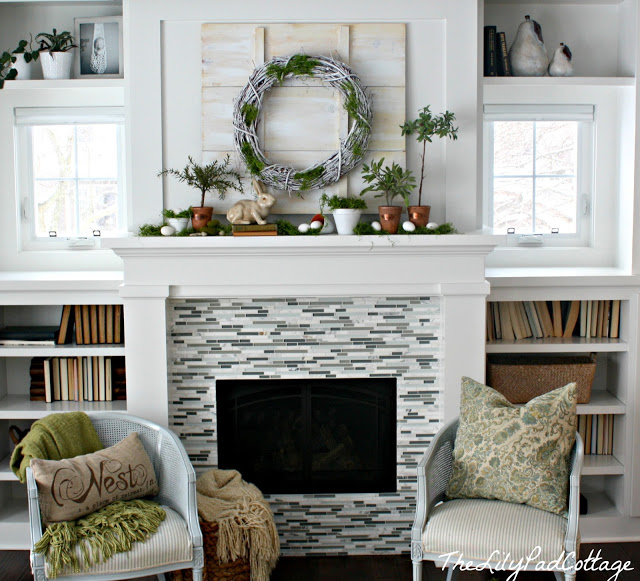
After months of heavy blankets, evergreen garlands, and enough pinecones to start a small forest, spring gives your fireplace mantel permission to lighten up. A successful seasonal refresh does not require repainting the living room, buying an entire cart of decorations, or displaying seventeen ceramic rabbits engaged in mysterious rabbit business.
The best spring mantel ideas combine a strong focal point with fresh color, natural texture, and carefully edited accessories. Flowers, leafy branches, botanical artwork, vintage pottery, glass vessels, and soft pastel accents can all make a fireplace feel brighter. The secret is arranging them with intention so the result looks collected rather than crowded.
Whether your style is farmhouse, traditional, coastal, cottage-inspired, or unapologetically modern, the following 25 spring mantel decorating ideas offer practical inspiration for creating a cheerful focal point.
How to Build a Beautiful Spring Mantel
Before choosing decorations, remove everything from the mantel and clean the shelf, surround, mirror, and nearby hearth. Starting with a blank surface makes it easier to see the proportions of the fireplace and prevents winter accessories from sneaking into the new display disguised as “neutral décor.”
Choose One Main Anchor
Begin with a large mirror, framed artwork, wreath, architectural fragment, or oversized floral arrangement. This anchor establishes the center of the composition. Smaller pieces should support it rather than compete for attention like enthusiastic relatives attempting to dominate a family photograph.
Vary Height, Shape, and Texture
Combine tall branches, medium-size vessels, and low decorative objects. Mix smooth glass with woven baskets, aged wood, glazed pottery, or natural stone. A range of heights creates movement, while repeated colors keep the arrangement cohesive.
Leave Some Empty Space
Spring interiors often feel lighter because they contain less visual weight. Avoid filling every inch of the mantel. A little negative space allows flowers, artwork, and favorite objects to stand out while making the entire room feel calmer.
25 Fresh Spring Mantel Ideas
1. Create a Classic Tulip Display
Place a generous bunch of tulips in a simple ceramic pitcher at the center or slightly off-center. Add two small candlesticks and one stack of pale-covered books. The tulips provide enough movement and color, so additional decorations should remain quiet. Let the flowers perform their naturally dramatic leaning routine.
2. Frame a Mirror With Flowering Branches
A large mirror reflects natural light and visually expands the room. Position tall vases of flowering branches on each side, allowing the stems to overlap the mirror slightly. Forsythia, cherry blossoms, dogwood, or realistic faux branches create height without making the shelf feel heavy.
3. Build a Layered Botanical Gallery
Lean several botanical prints against the wall instead of hanging one permanent piece. Use frames in related finishes, but vary their sizes. Add a tiny potted fern or bud vase in front. The layered arrangement feels relaxed and can be changed whenever your decorating mood develops a new personality.
4. Drape a Loose Meadow Garland
Choose a light garland containing greenery, delicate flowers, or trailing vines. Instead of arranging it in a perfectly even line, allow one end to fall farther than the other. An asymmetrical drape feels organic and contemporary, especially when paired with a single vase or sculptural object.
5. Display Blue-and-White Ceramics
Blue-and-white pottery provides crisp contrast against wood, brick, or a painted mantel. Group three vessels of different heights, filling only one with spring branches. Repeating the blue elsewhere in the room through pillows, books, or artwork helps the mantel feel connected to the entire space.
6. Add Cheerful Citrus Colors
Combine yellow flowers, leafy greenery, and a small bowl of lemons for a bright, energetic display. A framed landscape or abstract print containing touches of yellow can serve as the anchor. Keep the remaining palette white, cream, or natural wood so the citrus tones look lively rather than loud.
7. Design a Green Monochromatic Mantel
Spring decorating does not have to involve a parade of pastels. Create a sophisticated display using several shades of green. Try moss, eucalyptus, fern fronds, olive branches, and green-glazed pottery. Black or brass accents provide definition and prevent the arrangement from resembling an accidental indoor hedge.
8. Introduce Subtle Bird and Bunny Accents
A small brass bird, carved wooden rabbit, or vintage animal figurine can add seasonal character without turning the mantel into an Easter gift shop. Use one or two pieces among books, flowers, and pottery. Restraint makes whimsical accents feel charming rather than suspiciously organized.
9. Combine Vintage Books With Pressed Flowers
Stack old books with faded green, blue, or cream covers and place framed pressed flowers above them. Add a small glass cloche or antique bottle for another layer of interest. This spring mantel idea works especially well in traditional homes, libraries, and cottage-style living rooms.
10. Create a Breezy Coastal Arrangement
Use pale blue glass, weathered wood, white pottery, and a few airy branches to suggest spring near the coast. Avoid covering the mantel with shells; one coral-inspired sculpture or smooth stone is enough. The goal is relaxed seaside character, not evidence from an enthusiastic beachcombing expedition.
11. Refresh Farmhouse Style
Give a farmhouse mantel a lighter seasonal look by replacing dark signs and heavy lanterns with a simple wreath, white stoneware, and fresh greenery. Include one weathered wooden element for warmth. Soft sage, cream, faded blue, and natural linen create a farmhouse palette that feels current.
12. Work With Blush and Terracotta
Blush flowers paired with terracotta pots produce a warm, earthy version of spring décor. Add an abstract print containing peach, clay, or dusty rose. A few dark accents, such as black candlesticks or a bronze frame, keep the color scheme from becoming overly sweet.
13. Arrange Lavender and Fragrant Herbs
Fill small pots or vintage containers with lavender, rosemary, mint, or thyme. Their varied foliage creates a casual garden effect, while the containers can be moved to a sunny windowsill when needed. This display is particularly attractive on a kitchen, dining room, or nonworking fireplace mantel.
14. Make an Asymmetrical Wildflower Statement
Position a tall wildflower arrangement at one end of the mantel. Balance it with two or three smaller objects on the opposite side, such as a framed sketch, candle, and shallow bowl. The visual weight should feel equal even though the objects do not match.
15. Use Matching Topiaries for Symmetry
For a formal or traditional fireplace, place matching topiaries at both ends of the mantel and center a mirror or framed painting between them. Small candlesticks can fill the middle ground. Symmetry creates instant order, which is reassuring when the rest of the house contains children, pets, or laundry.
16. Style One Perfect Branch
Minimalist spring mantel décor can be as simple as one sculptural branch in a beautiful vase. Choose a vessel with an interesting silhouette and place it beside a small piece of art or one candle. The empty space becomes part of the composition, making every curve and leaf more noticeable.
17. Craft Oversized Paper Flowers
Handmade paper flowers offer color without the short life span of fresh blooms. Create three or five large flowers in related shades and attach them to a lightweight wreath form or removable backdrop. Slightly irregular petals make the result more artistic and less like decorations ordered by a committee.
18. Pull Colors From Existing Artwork
Choose a favorite painting or print and identify two or three colors within it. Repeat those tones through flowers, books, candles, or ceramic vessels. This technique creates a coordinated mantel without requiring perfectly matched accessories and helps seasonal pieces blend naturally with year-round décor.
19. Keep a TV Mantel Simple
When a television occupies the main wall space, avoid placing tall objects directly in front of the screen. Use low greenery, a shallow bowl, or small matching vessels near the ends of the mantel. A restrained arrangement keeps the viewing area functional while still giving the fireplace seasonal personality.
20. Create a Miniature Potting-Shed Scene
Group small terracotta pots, seed packets, a watering-can figurine, and a few sprouting bulbs. Use a vintage garden illustration as the backdrop. Keep the pieces tightly grouped so the display reads as an intentional collection rather than gardening supplies temporarily stranded in the living room.
21. Line Up Vintage Glass Bottles
Collect clear, pale green, and blue glass bottles in different shapes. Place one flower stem or leafy cutting in several of them, leaving the others empty. Natural light passing through the glass produces a delicate glow, and the narrow vessels are ideal for a shallow mantel.
22. Try Black, White, and Fresh Green
A black-and-white palette can still feel thoroughly springlike when combined with vibrant foliage. Start with monochrome artwork, add matte black candlesticks, and soften the arrangement with white pottery and bright green branches. The result is clean, graphic, and suitable for modern or transitional rooms.
23. Arrange a Pastel Color Gradient
Instead of scattering random pastel objects across the mantel, arrange accessories in a subtle color progression. Move from pale blue to lavender, blush, and soft yellow using books, bud vases, or candles. Similar shapes and muted tones keep the rainbow effect sophisticated rather than resembling a candy aisle.
24. Include Meaningful Family Pieces
Seasonal decorating feels more personal when it includes objects with a story. Display a grandmother’s vase, a child’s framed flower drawing, or a photograph from a spring vacation. Surround the sentimental item with simple greenery so it remains the focus rather than disappearing into decorative clutter.
25. Let the Fireplace Surround Join the Design
Do not limit spring décor to the mantel shelf. Place a basket of flowering branches, a potted fern, or a group of lanterns on the hearth. Repeating one material or color above and below the mantel creates a complete composition and gives a large fireplace better visual balance.
Simple Ways to Make the Display Look Professionally Styled
Repeat Elements Without Matching Everything
Repeating a color, finish, or material creates unity. For example, three blue objects placed at different points across the mantel will guide the eye from one side to the other. The pieces do not need to come from the same collection. In fact, a little variation usually makes the arrangement feel more natural.
Decorate in Odd-Numbered Groups
Groups of three or five objects often feel more dynamic than even-numbered arrangements. Try combining a tall vase, a medium candle, and a small decorative object. Adjust the spacing until the group reads as one composition rather than three strangers waiting for a bus.
Check the Mantel From Across the Room
Step back frequently while arranging the display. Objects that look perfectly balanced from twelve inches away may disappear or feel crowded from the sofa. Taking a quick photograph can also reveal awkward gaps, competing focal points, or one candlestick behaving as though it owns the property.
My Experience Creating Spring Mantel Displays
The biggest lesson I have learned from decorating spring mantels is that adding more accessories rarely solves a design problem. My earliest attempts involved flowers, framed art, candles, small signs, several birds, a garland, decorative eggs, and one rabbit whose expression suggested he knew the arrangement had gone too far. Every individual object was attractive, but together they produced visual traffic.
I eventually began removing everything and selecting only one anchor before considering smaller pieces. In one living room, that anchor was an old gold-framed mirror. I added a tall glass vase of leafy branches on the left and two stacked books with a small ceramic bowl on the right. The display used fewer than half the accessories I had originally gathered, yet it looked larger, brighter, and far more intentional.
Fresh flowers taught me another useful lesson: the container matters almost as much as the blooms. A complicated bouquet in an ornate vase can overwhelm a narrow mantel. Simple tulips in a white pitcher, however, create shape, movement, and color without demanding additional decoration. When flowers begin to bend, I no longer fight them. Their relaxed posture often makes the arrangement look better.
I have also found that shopping the house is more productive than immediately buying seasonal décor. Blue books from an office, a glass bottle from the kitchen, a small landscape painting from a hallway, and a basket from the bedroom can take on an entirely different character when grouped together. Moving familiar objects into a new setting provides the feeling of a refresh without the financial consequences of treating every season as an emergency shopping event.
One particularly successful mantel began with an inexpensive botanical print. I pulled its sage green into a small vase, repeated its faded pink in two flowers, and added a dark wooden candlestick that matched the frame. None of the pieces had been sold as a set, but the repeated colors made them look related. That experience confirmed that coordination is usually more important than matching.
Scale has caused the most mistakes. Tiny decorations can vanish above a large fireplace, while oversized vessels may block artwork or compete with the architecture. I now test the main objects from across the room before adding details. If the anchor looks too small, I layer a second frame behind it or add taller branches. If the arrangement feels heavy, I remove something rather than pushing the remaining pieces closer together.
Living with a mantel for several days is another useful test. A display may look beautiful immediately after styling but become irritating when a garland droops, flowers shed pollen, or tall branches block the television. Practical adjustments do not ruin the design. They improve it. The most successful spring mantel is not merely photogenic; it works with everyday life.
Today, my preferred approach is simple: one strong anchor, one living or botanical element, one meaningful object, and enough open space to notice all three. Sometimes I add candles or books for height, but I stop before the mantel begins requesting its own zip code. Spring decorating should make a room feel lighter, and the editing process is often what creates that lightness.
Conclusion
A spring mantel can transform the mood of an entire living room without requiring a major renovation. Begin with a clear focal point, introduce seasonal greenery or flowers, vary the height of your accessories, and repeat a limited color palette. Most importantly, edit the arrangement until every object has a purpose.
The most inspiring spring mantels are not necessarily the most elaborate. A single flowering branch, a treasured vase, or a layered group of botanical prints can be just as effective as a full garland. Choose an idea that complements your fireplace, reflects your personality, and leaves your room feeling fresher than it did before.