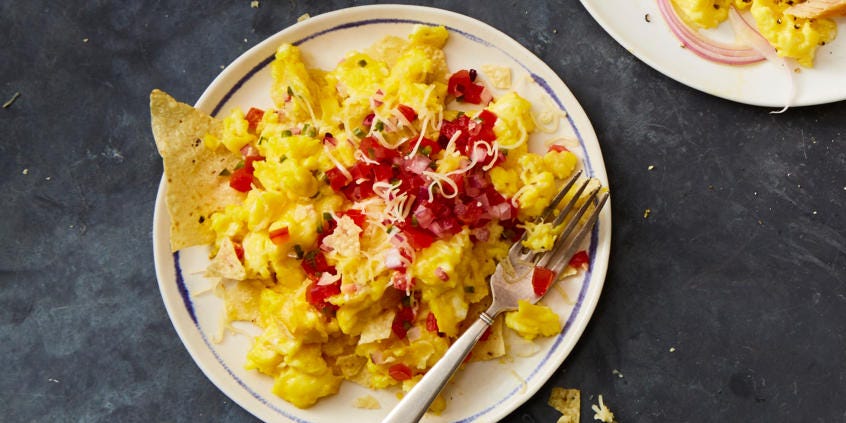
If summer had a breakfast mascot, it would probably be zucchini wearing a tiny chef hat. This humble green squash shows up everywhere once the weather warms up: farmers markets, backyard gardens, neighborly “please take three” gift bags, and, somehow, the bottom drawer of your refrigerator. The good news? A zucchini frittata is one of the easiest, tastiest, and most forgiving ways to turn that mountain of squash into a meal that feels fresh, filling, and just a little fancy.
This zucchini frittata recipe is built for real life. It does not require pastry dough, complicated flipping, or a culinary degree from the School of Brunch Confidence. You sauté zucchini with onion and garlic, whisk eggs with a splash of dairy and cheese, then let the oven finish the job. The result is a tender, golden, savory egg dish with sweet zucchini, creamy cheese, and herbs that make the whole kitchen smell like you have your life together.
Even better, this easy zucchini frittata works for breakfast, brunch, lunch, dinner, meal prep, and those mysterious “I need food but refuse to cook a full meal” moments. Serve it warm from the skillet, at room temperature on a picnic plate, or chilled between slices of toast as a next-day sandwich. Frittata is flexible like that. It understands busy people.
What Is a Zucchini Frittata?
A frittata is an Italian-style egg dish made by mixing eggs with cooked vegetables, herbs, cheese, and sometimes meat, then cooking everything gently until set. Unlike an omelet, where fillings are folded inside, a frittata lets the ingredients mingle directly with the eggs. Unlike quiche, it has no crust, which means fewer steps, fewer dishes, and no pastry-related emotional drama.
A zucchini frittata uses zucchini as the star vegetable. Because zucchini has a mild flavor and high water content, the secret is to cook it before adding the eggs. This step concentrates the flavor, keeps the frittata from becoming watery, and gives the squash a tender bite instead of a steamed, soggy personality. Onion, garlic, Parmesan, mozzarella, basil, and thyme are natural partners, but the recipe is easy to customize with whatever is waiting politely in your fridge.
Why You’ll Love This Easy Zucchini Frittata
This homemade zucchini frittata is simple, affordable, and impressive enough for guests without making you panic-clean the kitchen. It uses everyday ingredients, cooks in about 35 minutes, and can be made in one oven-safe skillet. It is also a smart way to use fresh zucchini when the garden goes from “cute little harvest” to “why are there seven more?” overnight.
The texture is the real magic. The eggs bake into a soft, custardy base, while the cheese adds richness and the zucchini keeps every bite moist. A little Parmesan brings salty depth, mozzarella melts beautifully, and fresh herbs add brightness. The top turns lightly golden under the oven’s heat, giving the dish that brunch-table glow. It tastes like comfort food, but it still feels fresh and vegetable-forward.
Ingredients for the Best Zucchini Frittata
Main Ingredients
- 8 large eggs: The foundation of the frittata. Eggs give structure, protein, and that rich, satisfying flavor.
- 2 medium zucchini: Thinly sliced or grated. Smaller zucchini are usually sweeter and less watery than oversized ones.
- 1 small onion: Adds savory sweetness and depth.
- 2 cloves garlic: Because garlic rarely makes things worse.
- 1/3 cup whole milk, half-and-half, or heavy cream: Helps create a creamy texture.
- 1/2 cup shredded mozzarella: Melts smoothly and adds mild creaminess.
- 1/4 cup grated Parmesan cheese: Adds salty, nutty flavor.
- 2 tablespoons olive oil: Used to sauté the vegetables.
- 1 tablespoon chopped fresh basil: Adds a summery aroma.
- 1 teaspoon fresh thyme leaves: Optional, but excellent with zucchini.
- 1/2 teaspoon kosher salt: Plus more for seasoning the zucchini.
- 1/4 teaspoon black pepper: Freshly ground is best.
- Pinch of red pepper flakes: Optional, for a gentle kick.
Optional Add-Ins
One reason frittatas are so beloved is that they welcome extras. Try cherry tomatoes, sautéed mushrooms, baby spinach, roasted red peppers, feta, goat cheese, cooked bacon, diced ham, or leftover roasted potatoes. Just remember the golden rule: cook watery or firm vegetables first. Raw vegetables can release liquid into the eggs or stay too crunchy, and nobody wants a frittata that feels confused.
How to Make Zucchini Frittata
Step 1: Prepare the Zucchini
Wash the zucchini and trim off the ends. You can slice it into thin half-moons for visible pieces or grate it for a softer, more evenly distributed texture. If grating, place the zucchini in a clean kitchen towel and squeeze out excess moisture. You do not need to wring it like laundry from 1890, but removing some water helps the frittata set properly.
If slicing, sprinkle the zucchini lightly with salt and let it sit for 10 minutes while you prepare the other ingredients. Pat it dry with a towel before cooking. This small step makes a big difference because zucchini contains plenty of water, and that water would otherwise sneak into your eggs like an uninvited guest.
Step 2: Sauté the Vegetables
Preheat the oven to 375°F. Heat olive oil in a 10-inch oven-safe skillet over medium heat. Add the onion and cook for 4 to 5 minutes, stirring occasionally, until softened. Add the garlic and cook for about 30 seconds, just until fragrant.
Add the zucchini and season with a pinch of salt and black pepper. Cook for 6 to 8 minutes, stirring occasionally, until the zucchini softens and some of its moisture evaporates. The goal is tender zucchini with a little color, not zucchini soup. If the pan looks watery, keep cooking for another minute or two.
Step 3: Whisk the Egg Mixture
In a medium bowl, whisk together the eggs, milk or cream, Parmesan, basil, thyme, salt, black pepper, and red pepper flakes if using. Whisk until the yolks and whites are fully blended. Do not overbeat until foamy; a smooth mixture is enough.
Stir in the mozzarella, reserving a small handful for the top if you like a cheesier finish. This combination gives the frittata both flavor and melt. Parmesan seasons the eggs, while mozzarella brings the stretchy, comforting charm.
Step 4: Combine and Cook on the Stovetop
Spread the cooked zucchini mixture evenly in the skillet. Reduce the heat to medium-low and pour the egg mixture over the vegetables. Use a spatula to gently move the zucchini around so it is evenly distributed. Cook for 3 to 4 minutes, just until the edges begin to set.
This stovetop start helps the bottom firm up before the skillet goes into the oven. Do not stir the eggs like scrambled eggs. A frittata needs calm energy. Let it settle, breathe, and become brunch.
Step 5: Bake Until Set
Sprinkle any reserved mozzarella over the top, then transfer the skillet to the oven. Bake for 12 to 16 minutes, or until the center is just set and the top looks lightly puffed. A food thermometer inserted into the center should read 160°F for safe doneness. Avoid overbaking, because eggs can turn rubbery when cooked too long.
For a more golden top, switch the oven to broil for 1 to 2 minutes at the end, watching closely. Broilers have the personality of a dragon: useful, powerful, and not to be ignored.
Step 6: Rest, Slice, and Serve
Remove the skillet from the oven and let the zucchini frittata rest for 5 minutes. This allows the eggs to finish setting and makes slicing cleaner. Run a spatula around the edge, cut into wedges, and serve warm or at room temperature.
Recipe Card: Zucchini Frittata
Ingredients
- 8 large eggs
- 2 medium zucchini, thinly sliced or grated and squeezed dry
- 1 small yellow onion, finely chopped
- 2 cloves garlic, minced
- 1/3 cup whole milk, half-and-half, or heavy cream
- 1/2 cup shredded mozzarella cheese
- 1/4 cup grated Parmesan cheese
- 2 tablespoons olive oil
- 1 tablespoon chopped fresh basil
- 1 teaspoon fresh thyme leaves, optional
- 1/2 teaspoon kosher salt, plus more for zucchini
- 1/4 teaspoon black pepper
- Pinch of red pepper flakes, optional
Instructions
- Preheat oven to 375°F.
- Salt the sliced or grated zucchini lightly. Let sit for 10 minutes, then pat dry or squeeze out moisture.
- Heat olive oil in a 10-inch oven-safe skillet over medium heat.
- Add onion and cook for 4 to 5 minutes until softened.
- Add garlic and cook for 30 seconds.
- Add zucchini and cook for 6 to 8 minutes until tender and excess moisture has evaporated.
- In a bowl, whisk eggs, milk or cream, Parmesan, basil, thyme, salt, pepper, and red pepper flakes.
- Stir mozzarella into the egg mixture.
- Pour eggs over the zucchini mixture and cook on the stovetop for 3 to 4 minutes, until edges begin to set.
- Transfer skillet to the oven and bake for 12 to 16 minutes, until the center is set and reaches 160°F.
- Rest for 5 minutes before slicing and serving.
Tips for a Fluffy, Not-Watery Frittata
Cook the Zucchini First
Zucchini is delicious, but it carries a lot of moisture. Cooking it before adding eggs prevents a loose, watery frittata. If you are using grated zucchini, squeeze it dry in a towel. If you are using sliced zucchini, sauté it until tender and no puddles remain in the skillet.
Use the Right Egg-to-Dairy Ratio
A little dairy makes the frittata creamy, but too much can keep it from setting. For 8 eggs, about 1/3 cup milk, half-and-half, or cream works well. Heavy cream makes the richest frittata, while whole milk keeps it lighter. Avoid using too much liquid unless your dream breakfast is egg pudding with commitment issues.
Choose an Oven-Safe Skillet
A 10-inch oven-safe nonstick or well-seasoned cast-iron skillet is ideal. The size matters because a larger pan makes a thinner frittata that cooks quickly, while a smaller pan creates a thicker frittata that needs more time. If your skillet handle is not oven-safe, use a baking dish instead.
Do Not Overbake
The best zucchini frittata is just set in the center. It may puff slightly in the oven and then relax as it cools. That is normal. Pull it from the oven when it no longer jiggles loosely in the middle. Overcooked eggs become firm and dry, which is not the brunch energy we are chasing.
Flavor Variations
Mediterranean Zucchini Frittata
Add crumbled feta, cherry tomatoes, olives, and fresh oregano. This version is bright, salty, and perfect with a side of cucumber salad.
Italian Zucchini Frittata
Use Parmesan, mozzarella, basil, and a spoonful of chopped sun-dried tomatoes. Serve with toasted bread and a simple green salad.
Potato Zucchini Frittata
Add 1 cup of cooked diced potatoes to the skillet with the zucchini. Potatoes make the frittata heartier and turn it into a satisfying dinner.
High-Protein Zucchini Frittata
Add cottage cheese, diced turkey, chicken sausage, or extra egg whites. This is a great option for meal prep when you want something filling but not heavy.
What to Serve with Zucchini Frittata
For breakfast or brunch, serve zucchini frittata with fresh fruit, roasted potatoes, sourdough toast, or a simple arugula salad. For lunch, pair it with tomato soup, a grain bowl, or sliced avocado. For dinner, add crusty bread and a crisp green salad with lemon vinaigrette.
It also travels well, which makes it useful for potlucks, picnics, and office lunches. A room-temperature frittata slice is still delicious, especially with a little hot sauce, pesto, or plain Greek yogurt on the side.
How to Store and Reheat Zucchini Frittata
Let the frittata cool completely before storing. Place slices in an airtight container and refrigerate for up to 4 days. To reheat, microwave a slice for 30 to 45 seconds or warm it in a 300°F oven until heated through. For the best texture, avoid overheating.
You can also freeze frittata, though the texture may become slightly softer after thawing. Wrap individual slices tightly and freeze for up to 2 months. Thaw overnight in the refrigerator before reheating. For meal prep, refrigerating is usually better than freezing because the texture stays closer to freshly baked.
Common Mistakes to Avoid
Skipping the Moisture Step
If you add raw zucchini directly to eggs, it can release water as it bakes. That creates a frittata that looks set on top but turns watery underneath. Salt, squeeze, or sauté the zucchini first.
Using Too Many Add-Ins
A frittata can handle plenty of vegetables, but it still needs enough egg mixture to hold everything together. For 8 eggs, keep total cooked add-ins around 2 to 2 1/2 cups. More than that can make the frittata fall apart.
Cooking at Too High a Heat
High heat can brown the bottom before the center sets. Start on medium-low heat after adding the eggs, then finish in the oven for gentle, even cooking.
Personal Kitchen Experience: Why This Zucchini Frittata Recipe Works
The first time I made a zucchini frittata, I treated zucchini like any other vegetable. I sliced it, tossed it into the eggs, and hoped for the best. The result was edible, but the center had that suspiciously damp texture that makes you wonder whether breakfast is supposed to need a lifeguard. Lesson learned: zucchini must be cooked or drained before it joins the egg party.
Over time, I found that the best zucchini frittata is not about fancy ingredients. It is about balance. Zucchini brings freshness, but it needs onion for sweetness, garlic for depth, cheese for richness, and herbs for lift. Without herbs, the frittata can taste flat. Without cheese, it can feel too plain. Without properly cooked zucchini, it can become watery. With all of those pieces in place, though, the dish becomes the kind of recipe you make once and then quietly add to your weekly rotation.
One of the most useful tricks is letting the frittata rest after baking. When it comes out of the oven, it may look puffed and dramatic, like it is auditioning for a cooking show. After a few minutes, it settles into a tender, sliceable texture. Cutting too early can make the eggs look loose, even when they are properly cooked. That short rest is the difference between neat wedges and a scramble pretending to be architecture.
I also prefer using a mix of Parmesan and mozzarella rather than only one cheese. Parmesan adds the savory punch that makes the eggs taste seasoned all the way through, while mozzarella softens the texture and gives the frittata a mild, creamy finish. If I am making it for brunch guests, I sometimes add goat cheese on top before baking. It creates little tangy pockets that make people say, “What is in this?” in the best possible way.
For busy weeks, zucchini frittata is a meal-prep hero. I bake it on Sunday, slice it into wedges, and store it in the fridge. On Monday morning, it becomes breakfast with toast. On Tuesday, it turns into lunch with greens. By Wednesday, it may be tucked into a sandwich with pesto and tomato. This is the rare leftover that does not feel like punishment. It feels like planning.
Another experience worth mentioning: bigger zucchini are not always better. Those enormous garden zucchini look impressive, but they can be watery and seedy. They still work, but it helps to scoop out the seedy center before grating or slicing. Small to medium zucchini usually have better flavor and texture. If your zucchini looks like it could be used for home security, remove the seeds and squeeze out extra moisture.
This recipe is also forgiving. If you do not have basil, use parsley or chives. If you do not have mozzarella, use cheddar, Monterey Jack, feta, or Gruyère. If you want more vegetables, add spinach or mushrooms, but cook them first. If you want a little smoky flavor, add bacon or smoked paprika. The basic method remains the same: cook the vegetables, whisk the eggs, combine, bake gently, and rest before slicing.
In my experience, zucchini frittata is especially good for people who claim they do not like zucchini. Usually, what they dislike is watery zucchini. When the squash is sautéed with olive oil, onion, garlic, and herbs, it becomes sweet and savory instead of bland. Add eggs and cheese, and suddenly zucchini is not the vegetable everyone is trying to hide in bread. It is the star of the skillet.
The best part is that this dish feels appropriate at almost any time of day. It is cozy enough for breakfast, elegant enough for brunch, practical enough for lunch, and light enough for dinner. It is the kind of recipe that makes you feel resourceful, especially when zucchini season gets aggressive. And when someone offers you “just a few” extra zucchini from their garden, you can accept with confidence instead of fear.
Conclusion
A zucchini frittata recipe is the perfect answer to fresh summer squash, extra eggs, and the eternal question of what to make when you want something easy but satisfying. By cooking the zucchini first, using the right amount of dairy, seasoning generously, and baking until just set, you get a fluffy, flavorful frittata that works for breakfast, brunch, lunch, or dinner.
This recipe is simple enough for beginners and flexible enough for experienced home cooks. Keep it classic with Parmesan, mozzarella, and basil, or customize it with tomatoes, potatoes, spinach, feta, or herbs from the garden. However you make it, the result is a reliable, vegetable-packed dish that tastes fresh, stores well, and saves you from zucchini overload with style.
Note: This article was written for web publication and is based on real cooking methods, practical recipe testing principles, and standard egg safety guidance. No source links or unnecessary reference markers are included in the content.