Note: This article is for educational purposes only. If you have diabetes, sudden floaters, blurry vision, dark spots, eye pain, or any rapid change in sight, contact an eye care professional promptly.
Proliferative diabetic retinopathy, often shortened to PDR, is an advanced stage of diabetic eye disease in which fragile, abnormal new blood vessels grow on or near the retina. The retina is the light-sensitive tissue at the back of the eyethe part that helps turn light into the images your brain understands. Think of it as the movie screen of your eye. When diabetes damages that screen’s tiny blood vessels, the picture can become blurry, spotted, or, in serious cases, disappear.
PDR sounds like a complicated medical term because, well, it is. But the idea is easier to understand than the name. “Proliferative” means new growth. In this case, the eye grows new blood vessels because parts of the retina are not getting enough oxygen. Unfortunately, these new vessels are not sturdy, helpful plumbing. They are more like emergency garden hoses made of wet tissue paper: weak, leaky, and prone to trouble.
The good news is that proliferative diabetic retinopathy can often be treated, especially when found early. The not-so-fun news is that it may develop quietly before symptoms appear. That is why regular dilated eye exams are not optional “someday” chores for people with diabetes. They are vision-saving appointments.
Understanding diabetic retinopathy before it becomes proliferative
Diabetic retinopathy is a complication of diabetes that affects the blood vessels in the retina. Over time, high blood glucose can damage small blood vessels throughout the body, including the delicate vessels inside the eyes. These vessels may weaken, bulge, leak fluid, bleed, or close off entirely.
Doctors usually describe diabetic retinopathy in two broad categories: non-proliferative diabetic retinopathy and proliferative diabetic retinopathy. Non-proliferative diabetic retinopathy, or NPDR, is the earlier stage. In NPDR, existing blood vessels are damaged, but the eye has not yet started growing abnormal new vessels. In PDR, those new vessels appear, which makes the disease more dangerous.
NPDR vs. PDR: what changes?
The key difference is neovascularization, which means the formation of new blood vessels. In NPDR, the retina may show tiny aneurysms, bleeding spots, swelling, or areas with poor circulation. In proliferative diabetic retinopathy, poor circulation becomes severe enough that the retina sends distress signals for new blood vessels to grow.
The body is trying to solve a supply problem, but the repair job is messy. These new vessels can bleed into the vitreous, the gel-like fluid inside the eye. They can also create scar tissue that pulls on the retina. In severe cases, this pulling can lead to a tractional retinal detachment, a serious emergency that can cause major vision loss.
Why does proliferative diabetic retinopathy happen?
PDR develops when diabetes-related blood vessel damage reduces oxygen delivery to parts of the retina. The retina is hungry for oxygen because it works constantly, even when you are binge-watching a show and pretending one more episode is “self-care.” When retinal tissue does not get enough oxygen, it releases chemical signals, including vascular endothelial growth factor, commonly called VEGF.
VEGF encourages the growth of new blood vessels. That process can be helpful in some parts of the body, but in the retina, diabetes-related new vessels are usually abnormal and fragile. They can leak blood and fluid, block vision, trigger scarring, and raise the risk of glaucoma if abnormal vessels grow near the drainage area at the front of the eye.
Main risk factors for PDR
Anyone with type 1, type 2, or gestational diabetes can develop diabetic retinopathy. The longer a person has diabetes, the higher the risk becomes. Poor blood glucose control increases the risk, but it is not the only factor. High blood pressure, high cholesterol, kidney disease, pregnancy, smoking, and missed eye exams can also raise the chance that diabetic retinopathy will progress.
One important point: having good eyesight today does not guarantee that the retina is healthy. Early diabetic retinopathy often causes no symptoms. Your eyes can be quietly filing a complaint while your vision still seems perfectly fine.
Symptoms of proliferative diabetic retinopathy
Proliferative diabetic retinopathy may not cause obvious symptoms at first. When symptoms do appear, they may come on gradually or suddenly, depending on whether bleeding or retinal pulling occurs.
Common warning signs
- New or increased floaters, which may look like spots, cobwebs, strings, or pepper flakes
- Blurry or fluctuating vision
- Dark areas or blank spots in your field of vision
- Trouble seeing at night
- Colors looking faded or washed out
- Sudden vision loss, especially if bleeding occurs inside the eye
- Eye pressure, pain, or redness if neovascular glaucoma develops
Floaters are especially important. A few occasional floaters can happen for many reasons, but a sudden shower of dark spots, smoky vision, or a curtain-like shadow should be treated as urgent. The eye is not being dramatic for fun; it may be waving a tiny red flag.
Why PDR is serious
PDR is serious because it can threaten both central and peripheral vision. The abnormal blood vessels may bleed into the eye, causing vitreous hemorrhage. If the bleeding is mild, a person may notice floating specks. If bleeding is heavy, vision may become very cloudy or nearly blocked.
Scar tissue is another major concern. As abnormal vessels grow, they can form fibrous tissue on the retina. Over time, this tissue may contract and pull the retina away from the back wall of the eye. That is called tractional retinal detachment. It is one reason retina specialists take untreated PDR very seriously.
PDR can also contribute to neovascular glaucoma. This happens when abnormal vessels grow in the front part of the eye and interfere with normal fluid drainage. Eye pressure can rise, damaging the optic nerve. In plain English, the eye’s plumbing gets clogged, and the pressure can hurt the nerve cable that carries visual information to the brain.
How proliferative diabetic retinopathy is diagnosed
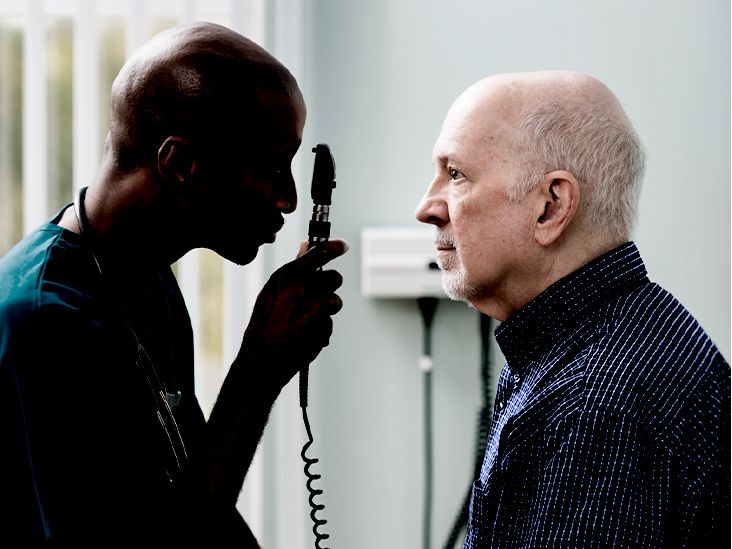
PDR is usually diagnosed during a comprehensive dilated eye exam. During dilation, eye drops widen the pupils so the eye care professional can look carefully at the retina. Your near vision may be blurry for a few hours afterward, which is inconvenient but far better than letting serious disease hide behind undilated pupils.
Tests your eye doctor may use
- Dilated retinal exam: Allows direct evaluation of the retina and optic nerve.
- Optical coherence tomography: Often called OCT, this scan shows cross-sectional images of the retina and helps detect swelling such as diabetic macular edema.
- Fluorescein angiography: A dye test that shows leaking, blocked, or abnormal blood vessels.
- Fundus photography: Detailed retinal photos used to document disease and compare changes over time.
- Ultra-widefield imaging: A broader retinal image that may help show peripheral areas of damage.
Diagnosis is not only about naming the condition. It also helps determine whether treatment is needed now, how urgently it should happen, and how often follow-up visits are necessary.
Treatment options for proliferative diabetic retinopathy
Treatment for PDR aims to reduce abnormal vessel growth, prevent bleeding, manage swelling, and protect as much vision as possible. The best treatment plan depends on the severity of disease, whether diabetic macular edema is present, whether bleeding has occurred, and whether scar tissue is pulling on the retina.
Panretinal photocoagulation laser
Panretinal photocoagulation, or PRP laser, has long been a major treatment for proliferative diabetic retinopathy. In this procedure, a retina specialist applies laser spots to peripheral areas of the retina. The goal is to reduce the retina’s demand for oxygen and decrease the chemical signals that drive abnormal blood vessel growth.
PRP can reduce the risk of severe vision loss, but it may have trade-offs. Some people notice reduced peripheral vision, night vision, or contrast sensitivity. Still, when PDR threatens sight, PRP can be a powerful toolless “spa laser facial,” more “save the retina from chaos.”
Anti-VEGF injections
Anti-VEGF injections are medications placed inside the eye to block VEGF, the signal that encourages abnormal vessel growth and leakage. These medicines may help shrink new vessels and treat diabetic macular edema when swelling affects central vision.
The word “injection” makes many people instantly want to leave the room, change their name, and move to a cabin. But eye injections are commonly performed with numbing medicine and antiseptic preparation. Patients often say the anticipation is worse than the actual procedure. The treatment schedule varies, and repeated visits are often needed.
Vitrectomy surgery
Vitrectomy may be recommended when there is persistent bleeding in the vitreous, significant scar tissue, or retinal detachment. During vitrectomy, the surgeon removes the cloudy vitreous gel and may repair pulling or bleeding inside the eye. Laser treatment may also be performed during surgery.
Vitrectomy is usually reserved for more advanced situations, but it can be vision-saving. Recovery depends on the severity of disease and the details of surgery. Some patients need special positioning afterward, especially if a gas bubble is placed in the eye.
Can PDR be reversed?
PDR can often be controlled, and abnormal blood vessels may shrink with treatment. However, damage that has already occurred may not be fully reversible, especially if there has been retinal detachment, longstanding swelling, or optic nerve damage. That is why timing matters. Treating PDR early is like catching a kitchen fire when it is still in the toaster instead of after it has introduced itself to the curtains.
Vision may improve if bleeding clears, swelling decreases, or surgery successfully repairs the retina. But the main goal is often to prevent further vision loss. Stabilizing the disease is a major win.
How to lower the risk of PDR progression
Eye treatment is important, but diabetes management remains the foundation. The retina is part of the body, not a separate little planet. Blood sugar, blood pressure, cholesterol, kidney health, smoking, pregnancy, and medication consistency all influence eye risk.
Practical prevention steps
- Keep blood glucose in the target range recommended by your diabetes care team.
- Manage blood pressure and cholesterol.
- Get a comprehensive dilated eye exam as recommended.
- Do not skip retina follow-up appointments, even if your vision seems stable.
- Report sudden floaters, vision loss, eye pain, or dark curtains immediately.
- Avoid smoking, which can worsen blood vessel health.
- Discuss pregnancy plans with your diabetes and eye care teams because retinopathy can worsen during pregnancy.
The most overlooked step is consistency. PDR care is rarely a one-and-done situation. It is more like maintaining a car that you absolutely need every day. You would not ignore a dashboard warning light for six months and hope the engine develops emotional maturity. Eyes deserve the same respect.
Living with proliferative diabetic retinopathy
A diagnosis of PDR can feel scary. Many people hear the words “advanced diabetic eye disease” and immediately imagine the worst-case scenario. Fear is understandable, but panic is not a treatment plan. Modern retina care offers effective tools, and many people keep useful vision when PDR is treated and monitored carefully.
The emotional side matters too. Patients may feel guilty about past blood sugar control or frustrated by frequent appointments. But shame does not heal retinas. A better approach is to focus on the next practical step: schedule the exam, attend the injection visit, ask questions, bring your medication list, and coordinate with your diabetes care team.
Real-world experiences and lessons from PDR care
Although every person’s experience with proliferative diabetic retinopathy is different, several patterns show up again and again in real life. The first is surprise. Many people do not feel eye pain. They can read, drive, work, cook, and scroll through their phone without realizing that retinal blood vessels are already damaged. Then one morning, they notice black dots drifting across their vision or a smoky shadow that does not blink away. That moment can feel like the eye suddenly changed the channel without asking permission.
One common experience is the “I thought my eyes were fine” visit. A person with type 2 diabetes may go to an eye exam only because their primary care doctor keeps reminding them. They expect a new glasses prescription and maybe a polite lecture about screen time. Instead, the eye doctor sees signs of advanced diabetic retinopathy and refers them to a retina specialist. It can be shocking, but it is also lucky. Finding PDR before a major bleed or detachment gives treatment a better chance to protect vision.
Another experience is anxiety about treatment. Laser procedures and eye injections sound intimidating. Nobody wakes up excited to put “retina appointment” on the calendar next to “buy milk.” But many patients discover that the process is more manageable than expected. Numbing drops help. The medical team explains each step. The actual injection may be brief. Laser treatment may feel strange or uncomfortable, but it is performed with a clear goal: reducing the risk of severe vision loss.
Follow-up fatigue is also real. PDR can require repeated visits, scans, injections, or laser sessions. People may have jobs, transportation challenges, family responsibilities, or appointment burnout. This is where planning helps. Some patients arrange rides in advance after dilation. Others keep a diabetes-and-eye folder with test results, medication lists, and questions. Small systems reduce stress. The folder may not be glamorous, but neither is losing track of treatment dates.
There is also the lifestyle wake-up call. A PDR diagnosis often makes diabetes feel less abstract. Blood sugar numbers stop being random digits on a screen and start feeling connected to something deeply personal: the ability to see a grandchild’s face, read street signs, work safely, or enjoy a sunset without the view looking like it has been filtered through spilled ink.
The most encouraging lesson is that action still matters. Even after PDR develops, better glucose control, blood pressure management, smoking cessation, and regular retina care can make a meaningful difference. Patients do not need perfection. They need persistence. Diabetes management is not a moral test; it is a long-term strategy. Some days are smooth. Some days involve cake, stress, forgotten meters, and the mysterious ability of life to interrupt every good plan. The goal is to return to the plan, not declare defeat.
For caregivers, the experience can be emotional too. A spouse, adult child, or friend may need to help with transportation, appointment reminders, or recovery after surgery. The best support is practical and calm. Instead of saying, “Why didn’t you go sooner?” try, “What appointment is next, and how can I help you get there?” Retinas respond better to treatment than to guilt trips.
Living with proliferative diabetic retinopathy means taking the condition seriously without letting it take over your identity. You are not “a bad diabetic.” You are a person managing a complex disease that affects tiny blood vessels in a very important place. With timely care, honest communication, and steady follow-up, many people can protect vision and keep moving forward.
Conclusion
Proliferative diabetic retinopathy is an advanced form of diabetic retinopathy marked by abnormal new blood vessel growth in the retina. These vessels are fragile and can bleed, scar, pull on the retina, and lead to serious complications such as vitreous hemorrhage, retinal detachment, diabetic macular edema, and neovascular glaucoma.
The condition can be frightening, but it is not hopeless. Regular dilated eye exams, early detection, blood sugar management, blood pressure control, and timely treatment with PRP laser, anti-VEGF injections, or vitrectomy can help protect vision. If you have diabetes, your eyes should be part of your health routinenot an afterthought squeezed in sometime between “clean the garage” and “learn Italian.” Vision is too valuable for that.
The smartest move is simple: do not wait for symptoms. Schedule eye exams, keep follow-up appointments, and contact an eye care professional quickly if your vision changes. When it comes to proliferative diabetic retinopathy, early action is not just helpful. It can be sight-saving.