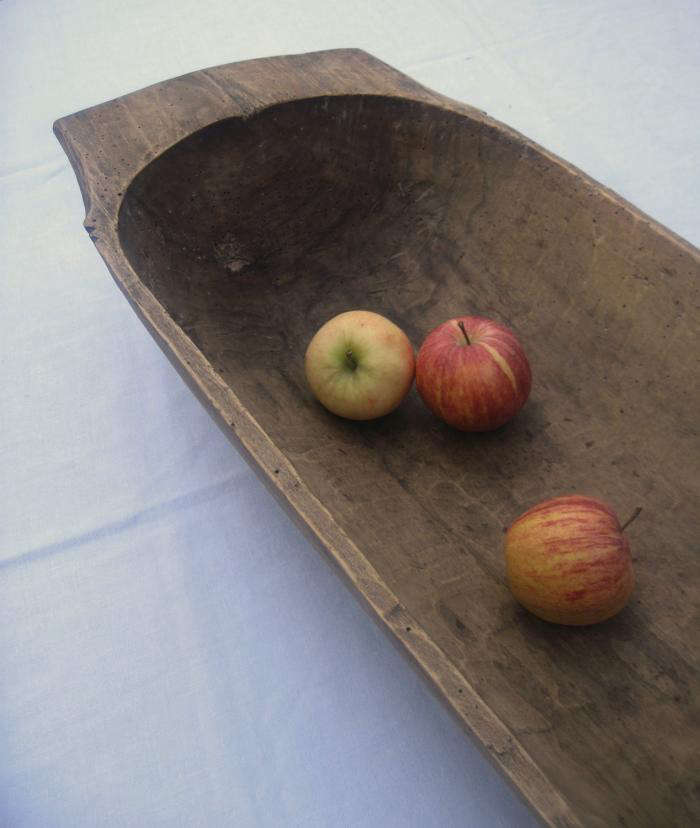
There are two kinds of “wow” in home décor: the shiny, brand-new kind that looks perfect under showroom lighting…
and the quiet, timeworn kind that looks like it has stories. An antique European dough bowl trencher
is firmly in the second category. It’s the piece that makes people stop mid-sentence and say, “Okaywhere did you find that?”
Originally carved to handle very real, very daily bread-making, these hefty wooden bowls have become collector favorites
because they’re useful, sculptural, and delightfully imperfect. They’re also one of the easiest ways to add
instant warmth to a spacewithout buying another throw pillow you’ll silently resent at laundry time.
What is an antique European dough bowl trencher, exactly?
A traditional wooden dough bowl was a large vessel used for mixing and kneading bread dough, often doubling as
a cozy place for dough to rise. In parts of Europe, you’ll see these bowls described as “trenchers,” a word connected to
serving and eatinghistorically referencing wooden platters and, earlier still, bread used as a plate. Over time, the term
“trencher” started showing up in listings for hand-carved wooden bowls and trough-like bread vessels, especially those with
a rustic, old-world shape and handles.
Dough bowl vs. trencher: why the name mash-up?
Antique sellers and collectors often use dough bowl, bread bowl, kneading trough,
and trencher somewhat interchangeablyespecially online. The easiest way to think about it:
- Dough bowl emphasizes the original baking purpose (mixing/kneading/rising).
- Trencher emphasizes serving, table use, and historic forms of wooden dining ware.
- Trencher dough bowl is often the “collector-friendly” phrase for a large, rustic, hand-carved bowl used for bread work and now used for décor.
A short history: from hearth bread to heirloom décor
Before stand mixers and stainless-steel everything, bread was a household rhythm. A big wooden bowl made that rhythm easier:
you could knead a lot of dough, keep it warm, and feed more people with less fuss. In rural kitchens, the bowl wasn’t precious
it was practical. Which is exactly why the best antiques today often show honest wear: tool marks, softened edges, old repairs,
and a patina you simply can’t fake convincingly (no matter how hard someone tries with chains, keys, and “artisan distressing”).
European roots and regional personality
“European” dough bowls aren’t one single style. The look varies by region, maker, and era, but collectors commonly point to
bowls from places like France, Belgium, the Netherlands, and Germany
as inspiration for the classic “Old World” trenchers you see in the U.S. market today. Many are oval, some are deeper and more
trough-like, and plenty have carved handles or “ears” on the ends for lifting.
A helpful mindset: you’re not buying a perfect set of matching dinner plates. You’re buying a working object from a working kitchen.
If it’s a little lopsided, congratulationsyou’re looking at something made by a human.
Why antique European dough bowls became décor darlings
These bowls hit a sweet spot: they’re functional enough to justify the footprint, but beautiful enough to stand alone.
They also age like a good leather jacketbetter with time, as long as you treat them with basic respect.
Patina, scale, and the magic of “imperfect”
- Patina: Years of handling, flour dust, scrubbing, and drying create a soft sheen and color depth that new wood can’t replicate.
- Presence: A large trencher anchors a kitchen island, dining table, or console without needing much “stuff” inside it.
- Texture: Hand-hewn surfaces and tool marks add instant characterlike architectural interest, but portable.
How to spot an authentic antique (and dodge the too-perfect replicas)
The market is full of “antique-style” dough bowlsand some are genuinely lovely. But if you’re specifically shopping for an
authentic antique European dough bowl trencher, you’ll want to know what separates age from imitation.
1) Tool marks that look practical, not decorative
Real antiques often show irregular handwork: adze marks, gouge lines, subtle asymmetry, and a bottom that may not be perfectly
uniform. Modern replicas sometimes add “tool marks” that look too evenly spaced or theatrically dramaticlike a movie villain’s scar.
2) Wear patterns that make sense
Look for softened rims where hands repeatedly gripped the edge, darker areas where oils from use accumulated, and interior wear
consistent with kneading and scraping. Random damage in random places can happenbut “perfectly random” distressing is suspicious.
3) Old repairs that tell a story
Wood moves. Cracks happen. In older pieces, you may see historic repairs such as:
- Butterfly keys (a.k.a. Dutchman repairs): small inlaid shapes bridging cracks to keep them from spreading.
- Staples, nails, or metal straps: utilitarian fixes meant to extend the life of a valued tool.
- Dowels or patches: simple woodwork repairs that look hand-done, not factory-perfect.
Repairs aren’t automatically “bad.” In the antique world, a well-done old repair can be a sign the bowl was worth saving.
4) A reality check on smell and surface
If you can inspect in person, use your senses. A light earthy/woody scent is normal. A strong musty smell can signal improper storage,
lingering moisture issues, or mold. Also note finishes: some antiques are left bare; some have been waxed or oiled later.
Thick modern varnish can hide problemsor simply mean someone tried to “make it shiny again.” (Shiny is not the goal here.)
Sizes, woods, and shapes: choosing the right bowl for your space
Antique trenchers range from modest countertop bowls to long, dramatic pieces that look like they could host a bread festival.
Choosing the right one is less about rules and more about proportion and purpose.
Common woods and why they matter
Many European wood kitchen pieces were made from durable hardwoods. You’ll often see bowls described as beech, elm, walnut,
maple, or other tight-grained woods. Tight grain generally holds up better over time and is easier to maintain.
Practical sizing examples
- 20–26 inches: Great for a dining table centerpiece without dominating the entire conversation.
- 28–36 inches: Ideal for a kitchen island or a long console; looks intentional even when left mostly empty.
- Deep trough styles: Better for holding produce, linens, or seasonal décor with height (pumpkins, greenery, candles).
Decorating ideas that don’t look like a catalog staged them
The easiest way to style a dough bowl trencher is to treat it like a “frame” for texture. Pick one theme: natural, seasonal,
culinary, or minimal. Then stop before it turns into a craft store aisle.
Kitchen island: the “useful but gorgeous” approach
- A pile of lemons and limes (bright, simple, smells good).
- Garlic bulbs + shallots + a bundle of rosemary tied with twine.
- In-shell nuts (walnuts, hazelnuts) and a small jar of matches for candles nearby.
Dining table: low, long, and friendly to eye contact
A dough bowl is perfect for low centerpieces that don’t block faces. Try:
- Greenery tucked around a few pillar candles (keep flames away from dry materialsalways).
- Mini pumpkins, gourds, pinecones, and branches for fall.
- Moss, faux stems, or simple white flowers for spring.
Seasonal styling that’s actually doable
If you want a bowl that changes with the year without becoming a full-time job, think in “swap layers”:
- Base layer: moss, greenery, or a neutral filler (even folded linen napkins work).
- Statement layer: pumpkins in fall, citrus in winter, blossoms in spring, shells in summer.
- Finish: one unexpected elementlike a small antique candle holder or a bundle of cinnamon sticks.
Using an antique dough bowl for food: romance vs. reality
Yes, these were originally made for bread dough. But “antique” and “food prep” don’t always mix easily in a modern kitchen.
If you plan to use your trencher for food, be smart:
Food-safety checklist
- Skip direct contact if the bowl has unknown finishes, deep cracks, or musty odors.
- Use a liner (parchment, a clean linen, or a removable food-safe insert) for serving bread or fruit.
- Don’t soak it and don’t put it in the dishwasher. Water is the villain in this story.
- Condition thoughtfully if the surface is dry (food-grade mineral oil and beeswax-based conditioners are common choices).
Cleaning and care: keep the patina, lose the grime
Caring for an antique wooden dough bowl isn’t hard. It’s mostly about avoiding extremes: too much water, too much heat,
too much scrubbing, too much “let’s make it look new again.”
Gentle cleaning steps
- Dry brush first to remove dust and crumbs.
- Wipe with a barely damp cloth and mild soap only if needed.
- Dry immediately with a towel, then air-dry completely.
- Never soak or leave it sitting in water.
Deodorizing and refreshing
For lingering odors, many wood-care guides suggest rubbing with salt and lemon, then wiping cleanfollowed by thorough drying.
Always test a small spot first, because antique surfaces can be unpredictable.
Conditioning: when and how
If the wood looks thirsty (dry, pale, rough), conditioning can help. A simple routine:
- Apply a thin layer of food-grade mineral oil with a soft cloth, following the grain.
- Let it absorb, then wipe off excess.
- Optionally finish with a beeswax-based conditioner for a soft protective sheen.
Frequency depends on your climate and how the bowl is used. For purely decorative bowls, occasional conditioning is usually enough.
Storage and display tips
- Keep away from direct heat vents and intense sun (drying and warping risk).
- Avoid damp basements or humid areas where mustiness can develop.
- If displayed with botanicals, don’t trap moisture inside the bowl.
Buying tips: sourcing, pricing, and shipping without regrets
An antique European dough bowl trencherinka moment can happen anywhere: flea markets, antique shops, estate sales, and online marketplaces.
But a little strategy goes a long wayespecially when shipping a heavy wooden piece across the country.
Where people commonly buy them
- Antique dealers specializing in French country or European imports
- Curated marketplaces where condition notes and dimensions are typically detailed
- Auctions and estate sales if you’re willing to hunt
- Vintage stores that source farmhouse and primitive kitchenware
Questions to ask a seller
- Is the bowl structurally stable? Any active splits getting worse?
- Has it been treated with modern finishes, stain, or sealant?
- Any musty odor, mold history, or storage in damp spaces?
- Are the repairs old or recentand are they cosmetic or structural?
- Can you confirm exact measurements and weight for shipping?
Red flags
- Perfect symmetry with “antique” tool marks that look stamped.
- Heavy chemical smell (over-stained, sealed, or recently treated).
- Vague listing photos that avoid the interior and bottom.
- “Antique” with no dimensions (translation: surprise, it’s tiny).
Conclusion: a humble object that still earns its place
An antique European dough bowl trencher is the kind of piece that doesn’t need to shout. It’s practical history:
carved to feed people, then quietly repurposed to warm up modern homes. Whether you fill it with citrus, greenery, linens, or
absolutely nothing at all, it adds texture and authenticity that mass-produced décor can only imitate.
Buy the bowl that fits your space, your taste, and your tolerance for “character.” Because once you bring one home, you’ll start
noticing something funny: every room suddenly feels like it could use just one more. (This is how collections begin. Don’t say you weren’t warned.)
Experiences with antique European dough bowl trenchers (what owners commonly notice)
People who live with antique dough bowls tend to describe the experience as less “I bought a décor item” and more “I adopted a
wooden roommate with opinions.” Not dramatic opinionsjust the quiet kind that show up as seasonal movement, shifting color,
and a surprising ability to make everything around it look more intentional. If you’ve ever placed a trencher on a table and
instantly felt like the room got 10% cozier, you’re not imagining it. That big, low shape creates visual calm, like a neutral
anchor that says, “Yes, you may set down your keys and exhale here.”
A common first-time experience is the patina reality check. In photos, patina looks like a dreamy Instagram filter.
In real life, it’s a mix of softened edges, darkened areas, and sometimes a few scars you didn’t fully notice in the listing.
Many owners end up loving those quirks most. A shallow nick near a handle can feel like evidence of the bowl’s working life.
A slightly uneven rim can read as handmade rather than flawed. The bowl stops being “perfect” and becomes believablewhich is
arguably the whole point of buying something antique in the first place.
Another frequent observation: size changes everything. A medium bowl can look charming anywhere, but a long European trencher
has a “center of gravity” effect. People often say that once they set a large bowl on an island or console, they stopped over-decorating
the surrounding space. The bowl itself did the heavy lifting. Instead of stacking extra trays, vases, and decorative objects, they used one
strong piece and kept the rest simple. In that way, the trencher becomes a practical decorating toolit helps you edit.
Owners also tend to learn quickly that wood hates drama. Leaving a bowl in a damp area, washing it too aggressively, or setting it
near a heat source can cause the wood to dry out or crack further. Many people describe a “maintenance sweet spot”: wipe it gently,
keep it dry, condition it occasionally if it looks thirsty, and avoid the urge to scrub it into looking brand new. The most satisfied owners
usually aren’t the ones who restore every inchthey’re the ones who preserve the bowl’s lived-in character while keeping it clean enough to enjoy.
When it comes to styling, people often report that they started out doing “Pinterest bowl” décorlots of filler, lots of layers, lots of seasonal
extrasand then gradually simplified. The bowl looks best when the styling feels effortless. A few lemons. A bundle of greenery.
A row of mini pumpkins. Sometimes just a folded linen and a pair of candles. The bowl becomes a stage, but it doesn’t need a full cast of characters.
In fact, many owners say the most compliments come when the bowl is styled with something that feels slightly practicalfruit you’ll actually eat,
herbs you’ll actually use, or linens you’ll actually grab when someone spills something during dinner. “Pretty and useful” is the winning combo.
Finally, a lot of collectors talk about the hunt as part of the joy. Finding a trencher with the right proportions, the right wood tone,
and the right kind of wear can feel like discovering a piece that was waiting for your home specifically. People swap tips, compare handle shapes,
debate whether the repairs are charming or too much, and learn to read listing photos like detectives. And when they finally land the right bowl,
they often describe a strange satisfaction: it’s not just décorit’s a fragment of everyday history that now lives in their everyday life.