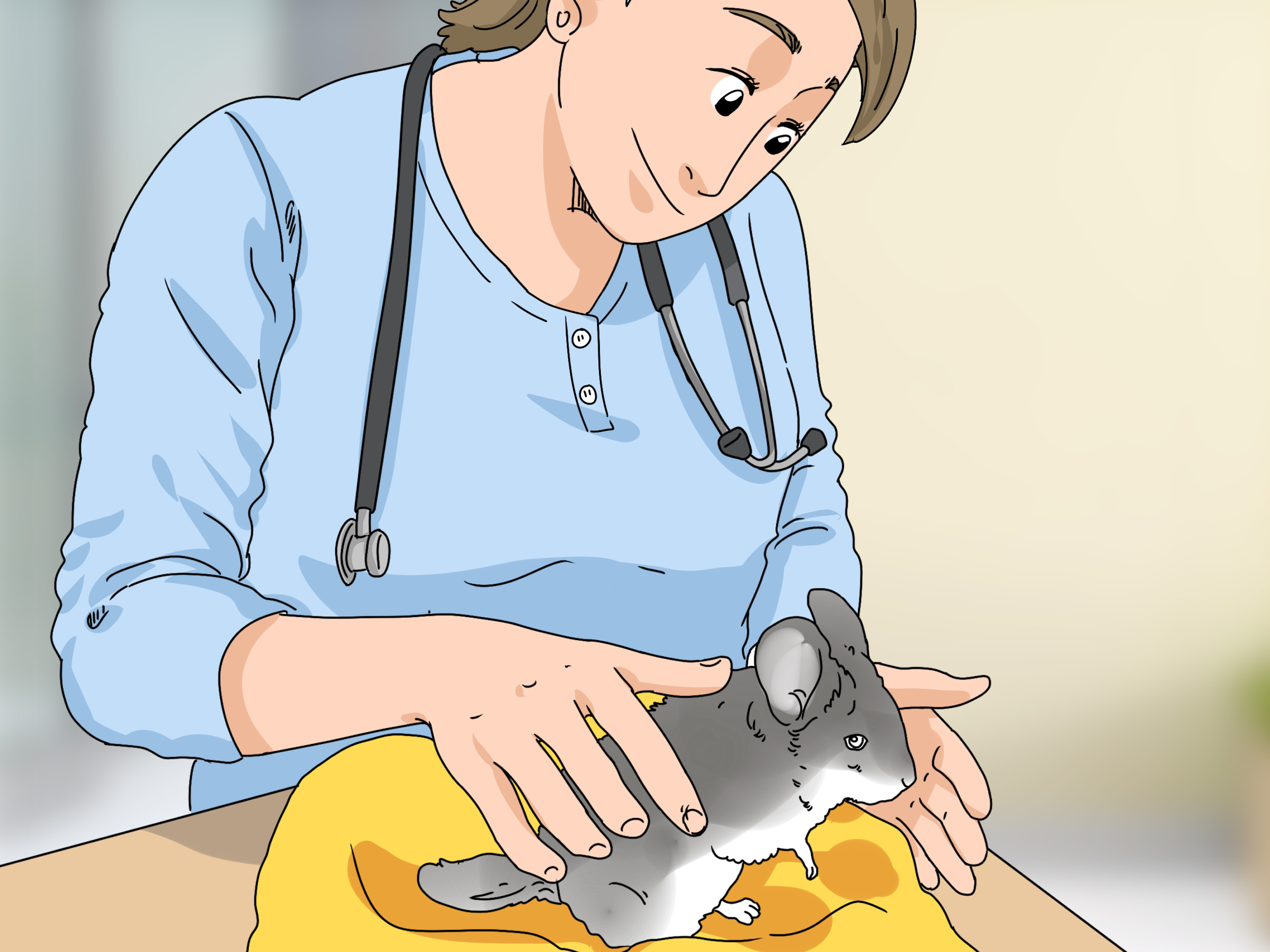
Chinchillas are adorable little dust-powered popcorn machines, but their eyes are surprisingly delicate. A bit of dusty bedding, a sharp strand of hay, a too-enthusiastic dust bath, or even hidden dental trouble can turn one bright, shiny eye into a watery, squinty situation. And because chinchillas are prey animals, they often hide discomfort until the problem is already waving a tiny red flag.
This guide explains how to treat eye irritations in chinchillas safely, what you can do at home, when to stop pretending you are the family veterinarian, and how to prevent the same problem from returning. The goal is not to replace an exotic-animal vet. The goal is to help you act quickly, calmly, and intelligently so your chinchilla gets the right care without unnecessary panic.
Important note: Eye issues in chinchillas can become serious fast. If your chinchilla is squinting, keeping an eye closed, has cloudy eyes, thick discharge, swelling, appetite loss, or repeated tearing, contact an exotic-pet veterinarian as soon as possible.
Why Chinchilla Eye Irritations Happen
Chinchilla eye irritation is not always “just dust.” Sometimes it is environmental. Sometimes it is infectious. Sometimes it is dental, which surprises many new owners. Chinchillas have continuously growing teeth, and overgrown tooth roots can affect the tear ducts or pressure around the eye. That means a watery eye may actually be a mouth problem wearing an eye-problem costume.
Common causes include dusty hay, dirty dust baths, bedding particles, minor scratches, bacterial conjunctivitis, corneal ulcers, respiratory illness, blocked tear ducts, and dental disease. The safest approach is to treat mild irritation gently while watching closely for signs that professional care is needed.
How to Treat Eye Irritations in Chinchillas: 14 Steps
1. Look Closely at the Eye Without Stressing Your Chinchilla
Start by observing your chinchilla in good lighting. Look for redness, wet fur under the eye, crusting, swelling, cloudiness, squinting, or pawing at the face. Do not force the eyelids open. Chinchillas are fast, fragile, and deeply offended by rough handling. If your chinchilla is nervous, let them sit on a secure surface or in a towel “burrito” with the head exposed.
2. Check Whether One Eye or Both Eyes Are Affected
One irritated eye may suggest a scratch, hay poke, dust particle, or localized infection. Both eyes may point toward dust exposure, poor air quality, respiratory illness, or a more general environmental trigger. Either way, write down what you see. A short note like “left eye watery, no swelling, eating normally” can help your vet decide how urgent the case is.
3. Remove the Dust Bath Temporarily
Dust baths are essential for chinchilla coat care, but they can worsen irritated eyes. If your chinchilla has watery, red, or squinty eyes, remove the dust bath until the eye looks normal or until your vet gives instructions. Leaving a dust bath in the cage all day is a common mistake. Chinchillas will happily roll like tiny laundry on spin cycle, but too much dust can irritate the eyes and dry the skin.
4. Inspect the Cage for Irritants
Look for dusty bedding, stale hay, sharp hay stems, loose wood fibers, strong odors, scented cleaners, sprays, candles, smoke, or poor ventilation. Chinchillas have sensitive respiratory systems, and eye irritation may appear alongside sneezing or nasal discharge. Replace dusty bedding with a low-dust, chinchilla-safe option and remove hay that seems overly brittle, moldy, or powdery.
5. Clean the Area Around the Eye Gently
If there is mild crusting around the eye, soften it with sterile saline on clean gauze or a lint-free pad. Wipe around the eye, not directly across the eyeball. Use a fresh pad for each wipe. Never use hydrogen peroxide, alcohol, essential oils, soap, tea, herbal rinses, or random “natural” mixtures. Your chinchilla does not need a spa day; it needs safe, boring, sterile cleaning.
6. Use Sterile Saline Only for Minor Debris
For a small amount of visible dust or debris near the eye, sterile saline may help rinse the area. Use only plain sterile saline, not contact lens disinfecting solution. Do not blast the eye with pressure. Do not use medicated eye drops unless prescribed. If your chinchilla resists strongly, stop and call a vet. A struggling chinchilla can injure itself, and the eye may already be painful.
7. Watch for Emergency Warning Signs
Call an exotic-animal veterinarian promptly if you notice cloudiness, a bluish or gray film, a white spot on the cornea, thick yellow or green discharge, swelling, bleeding, the eye staying closed, obvious pain, head tilt, breathing difficulty, or loss of appetite. These signs may indicate infection, corneal ulcer, trauma, dental disease, or respiratory illness. Eye problems are not a great place for the “wait and see for a week” strategy.
8. Do Not Use Human Eye Medication
Human eye drops can be dangerous for chinchillas, especially products that reduce redness, contain steroids, or include preservatives not appropriate for small mammals. Leftover antibiotic ointments are also risky. Steroid drops can make certain eye injuries worse, particularly corneal ulcers. The safest rule is simple: if a veterinarian did not prescribe it for this chinchilla and this specific problem, do not use it.
9. Check Eating, Droppings, and Behavior
A chinchilla with an irritated eye should still eat hay, drink, move normally, and produce regular droppings. If your chinchilla stops eating, becomes quiet, loses weight, drools, drops food, or produces fewer droppings, the issue may be bigger than the eye. In chinchillas, dental disease and digestive slowdown can become serious quickly. Eye discharge plus appetite changes deserves veterinary attention right away.
10. Consider Dental Disease as a Hidden Cause
Chronic watery eyes can be linked to overgrown teeth, tooth-root pressure, or tear duct problems. This is especially suspicious if your chinchilla also has drooling, wet fur under the chin, weight loss, picky eating, bad breath, or trouble chewing hay. A quick glance at the front teeth is not enough to rule out dental disease. Molars and tooth roots often require a skilled exam and sometimes imaging.
11. Schedule an Exotic-Vet Visit for Persistent Symptoms
If mild irritation does not improve within 24 to 48 hours after removing obvious irritants, schedule a vet visit. Your veterinarian may examine the cornea with a stain, check for scratches or ulcers, evaluate tear ducts, look for infection, and assess the teeth. Treatment may involve prescription antibiotic drops, pain relief, anti-inflammatory medication, dental care, or supportive care depending on the cause.
12. Keep the Cage Extra Clean During Recovery
While the eye is healing, clean the cage more often than usual. Remove wet spots, old hay, loose dust, and feces from the dust bath area. Wash food bowls and water bottles regularly. Keep bedding dry and avoid anything scented. A clean environment lowers the chance of reinfection and gives irritated eyes a better chance to calm down.
13. Reintroduce Dust Baths Carefully
Once the eye has improved, bring back dust baths in moderation. Use clean, chinchilla-safe dust and limit bath time. Remove the bath after the session instead of leaving it in the cage. Replace clumpy or dirty dust. If eye symptoms return after dust bathing, the dust may be too fine, the bath may be too frequent, or your chinchilla may need a vet check for an underlying issue.
14. Prevent Future Eye Irritations
Prevention is mostly about good husbandry: high-quality hay, clean bedding, proper ventilation, moderate dust baths, safe cage accessories, and regular health monitoring. Weigh your chinchilla weekly if possible, because weight loss often appears before obvious illness. Make sure your chinchilla has unlimited hay to support natural tooth wear. Healthy teeth, clean air, and clean dust go a long way toward healthy eyes.
Best Home Care Practices for Mild Chinchilla Eye Irritation
For very mild irritation, home care should be conservative. Remove dust, improve cage cleanliness, use sterile saline only when appropriate, and monitor closely. The phrase “mild irritation” means the eye is open, clear, only slightly watery, and your chinchilla is eating and acting normally. If the eye is closed, cloudy, swollen, painful, or producing thick discharge, skip the home experiment and call a vet.
A practical home-care routine may look like this: remove the dust bath, replace dusty hay, clean the cage floor, wipe crust from the fur around the eye with saline-moistened gauze, and observe eating and droppings. Take a clear photo once or twice a day so you can compare progress. Photos are also useful for your veterinarian, especially if symptoms change quickly.
What a Veterinarian May Do
An exotic-pet veterinarian may perform a full physical exam, examine the eye with magnification, use fluorescein stain to check for corneal ulcers, evaluate discharge, and inspect the mouth. If dental disease is suspected, imaging may be recommended. Treatment depends on the diagnosis. A simple irritant conjunctivitis is different from a corneal ulcer, and both are different from tooth-root disease.
This is why guessing can be expensive in the long run. The wrong drop can delay healing, and untreated dental disease can keep causing eye symptoms no matter how many times the surface of the eye is cleaned.
Common Mistakes to Avoid
Leaving the Dust Bath in the Cage
A dust bath is not furniture. Leaving it in all day allows dust to become dirty and encourages overuse. Offer it for limited sessions and remove it afterward.
Using Scented Products
Scented bedding, air fresheners, candles, and strong cleaners can irritate sensitive eyes and airways. Chinchillas prefer their home to smell like clean hay, not a department-store perfume counter.
Ignoring Dental Clues
A watery eye plus drooling, weight loss, or selective eating should make you think about teeth. Chinchilla dental issues are common and often need professional care.
Waiting Too Long
Eye problems can worsen quickly. A small scratch can become a painful ulcer. An infection can spread. A hidden dental issue can progress. When in doubt, call the vet early.
Experience-Based Notes: What Chinchilla Owners Often Learn the Hard Way
Many chinchilla owners first notice eye irritation during an ordinary cage check. The chinchilla is still bouncing around, still judging everyone from the ledge, but one eye looks wetter than usual. At first, it may seem minor. Maybe the fur under the eye is damp. Maybe there is a small crust in the corner. The tempting thought is, “It will probably clear up.” Sometimes it does, especially when the cause is dusty hay or an overused dust bath. But experienced owners learn to treat even small eye changes with respect.
One useful habit is to know what your chinchilla’s normal face looks like. Some chinchillas naturally have slightly different eye shapes or fur patterns around the eyes. If you look closely every day, you will notice changes sooner. A healthy chinchilla eye should look bright, open, and clear. The surrounding fur should be dry. The chinchilla should not rub the eye repeatedly or keep it half shut.
Another lesson is that dust quality matters. Cheap or overly powdery dust can hang in the air and settle into the eyes. Owners often improve recurring mild irritation by switching to a cleaner chinchilla-safe dust, shortening bath sessions, and storing the dust outside the cage. The dust bath should be fun, not a permanent fog machine.
Hay is another sneaky culprit. Chinchillas need hay constantly, but hay can be dusty or sharp. A stiff stem can poke the eye while the chinchilla is eating or burrowing through the hay pile like a tiny hay dragon. Shaking out dusty hay before placing it in the cage and using a proper hay rack can reduce debris near the face.
Owners also learn that appetite is a major clue. If the eye looks irritated but the chinchilla eats normally, produces normal droppings, and acts bright, the situation may be less urgent. But if the chinchilla becomes quiet, stops eating hay, drops pellets, drools, or loses weight, the eye symptom may be part of a larger health problem. In chinchillas, the mouth and eyes are closer in health than many people expect.
Finally, the best experience-based rule is this: do the safe basics quickly, but do not get creative. Clean the environment, pause the dust bath, use sterile saline gently if needed, and call an exotic vet when symptoms persist or look painful. Chinchillas are delicate, dramatic, and excellent at hiding illness. A calm owner with a clean cage, good notes, and a vet’s phone number is far more useful than a cabinet full of mystery drops.
Conclusion
Treating eye irritations in chinchillas starts with careful observation and gentle care. Mild irritation may improve when you remove dust, clean the cage, replace poor-quality hay, and wipe around the eye with sterile saline. However, persistent tearing, redness, squinting, swelling, discharge, cloudiness, appetite loss, or repeated eye trouble should be handled by an exotic-animal veterinarian.
The biggest takeaway is that chinchilla eye problems are sometimes surface problems, but not always. Dust, debris, scratches, infection, respiratory illness, and dental disease can all play a role. Acting early protects your chinchilla’s comfort, vision, and overall health. Your chinchilla may not thank you out loud, but the return of bright, dry, judgmental little eyes is reward enough.