If your kitchen feels less like a happy place and more like a daily arm-wrestling match with jar lids, slippery onions, and cookware that weighs as much as a small planet, adaptive kitchen tools can change the game. These tools are designed to make cooking easier, safer, and more comfortable for people with arthritis, limited grip strength, hand tremors, one-handed cooking needs, low vision, fatigue, or mobility challenges. And honestly? Plenty of them are useful for everyone else, too.
The best adaptive kitchen tools do not need to be flashy, futuristic, or expensive enough to require emotional recovery. They simply need to remove friction from common kitchen tasks like chopping, opening, measuring, stirring, carrying, and serving. Some reduce the force needed to grip or twist. Others add stability, improve visibility, or let you work one-handed without turning meal prep into a circus act.
Below are the 12 best adaptive kitchen tools to consider if you want a more accessible, less frustrating, and more independent cooking experience.
What Makes a Kitchen Tool “Adaptive”?
An adaptive kitchen tool is any utensil, gadget, or aid that modifies how a task is performed so it requires less strain, less dexterity, or less risky movement. In practical terms, that can mean thicker handles, non-slip bases, one-touch power buttons, color contrast, raised edges, angled utensils, or designs that let one hand do the job of two. The best adaptive cooking tools support real-life needs: reducing pain, saving energy, improving safety, and helping people stay involved in meal prep without feeling defeated by a potato.
1. Easy-Grip Utensils and Prep Tools
If you buy only one category of adaptive kitchen gear, start here. Easy-grip utensils with thick, cushioned, or contoured handles are easier to hold than skinny metal or plastic tools. Peelers, spatulas, serving spoons, mashers, and whisks with larger handles can reduce the force needed to grip and lower stress on sore finger and thumb joints.
These are especially useful for people with arthritis, hand weakness, or reduced dexterity. Look for soft, textured handles that do not get slippery when wet. A handle that feels comfortable in the store often feels even better after twenty minutes of peeling carrots and questioning your life choices.
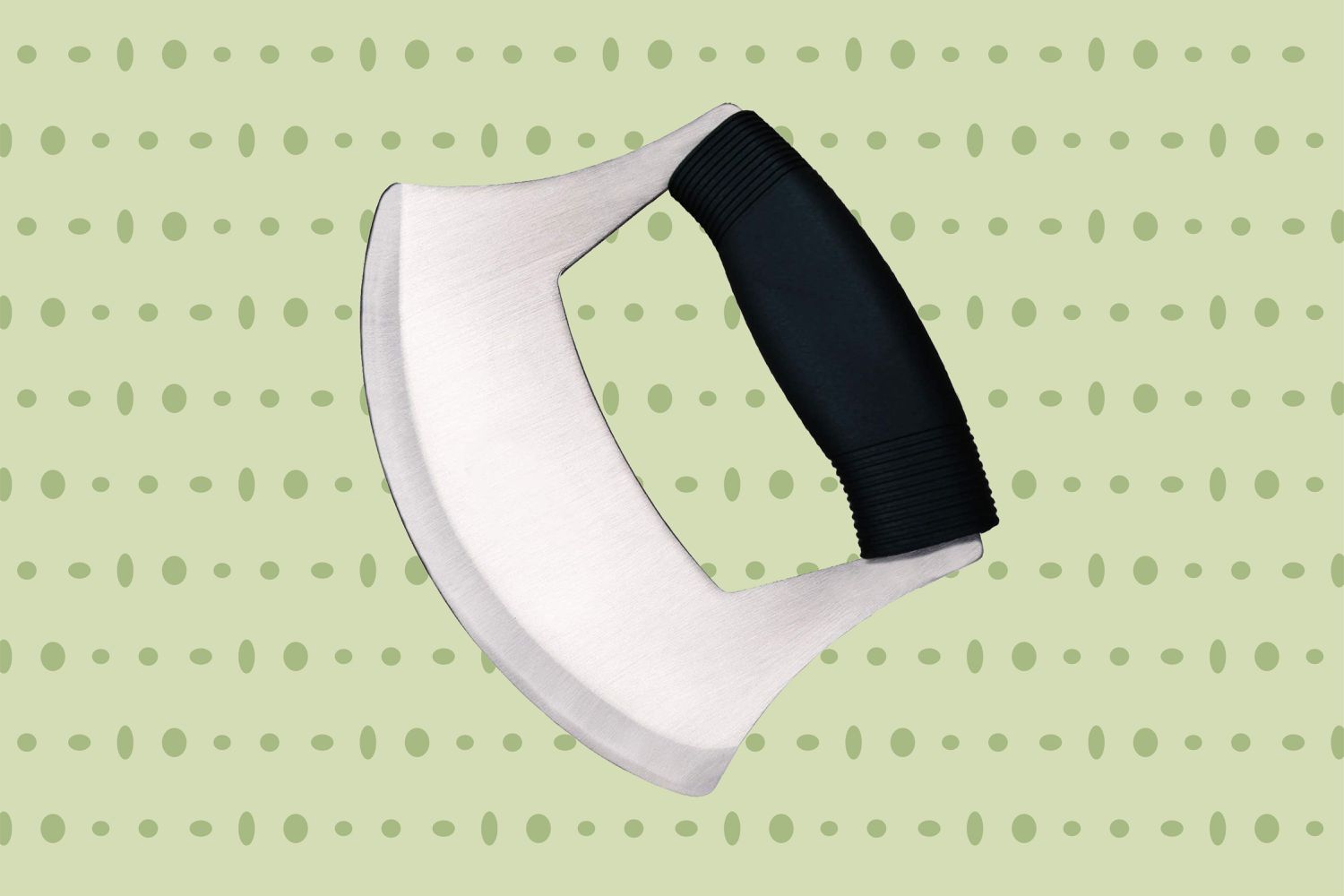
2. Rocker Knives
A rocker knife cuts with a rocking motion instead of a long sawing action. That sounds simple, because it is simple, but it can make a huge difference. Instead of depending on wrist strength and precise finger control, the curved blade lets you press downward and rock through food with more stability and less strain.
This tool is excellent for people with painful wrist movement, limited grip, or one-handed cooking needs. It also tends to feel more controlled than a standard chef’s knife, which is nice when you are trying to cut lunch, not audition for an action movie.
3. Adaptive Cutting Boards
An adaptive cutting board usually includes features like food spikes, raised edges, corner guards, or suction feet. Translation: the food stays put, the board stays put, and you do not have to chase a tomato around the counter like it owes you money.
These boards are ideal for one-handed food prep, limited dexterity, tremor, or reduced coordination. Raised edges help contain ingredients, spikes can hold produce in place while slicing, and suction feet improve stability. A good adaptive cutting board turns prep work from “please nobody talk to me while I do this” into something far more manageable.
4. Jar Openers and Bottle Openers
Few kitchen tasks feel as personally insulting as losing a battle to a pickle jar. Adaptive jar openers solve that problem by adding leverage, grip, or stabilization. Options range from rubber grip aids and cone-shaped openers to under-cabinet mounted devices and multi-size lid tools.
These are among the most useful adaptive kitchen tools for arthritis, thumb pain, weak grip, and limited hand strength. Some models let you use your palm or forearm instead of pinching with your fingers. Others hold the lid securely while you twist with a larger handle. Either way, the jar stops winning.
5. Electric Can Openers
Manual can openers ask a lot from small hand joints: pinch, squeeze, rotate, repeat. Electric can openers dramatically reduce that effort. One-touch or hands-free models are especially helpful for people with arthritis, tremor, reduced coordination, or fatigue.
They also improve safety by making the process more stable and predictable. For many home cooks, this is one of the highest-value upgrades because it removes a repetitive task that can hurt every single time. It is not glamorous, but neither is hand pain from a soup can.
6. Non-Slip Mats and Shelf Liner
Non-slip material is the unsung hero of an accessible kitchen. Place it under bowls, plates, jars, cutting boards, or mixing bowls, and suddenly everything behaves better. That means fewer slips, less need to grip with the “helper hand,” and more control during opening, stirring, and chopping.
This is one of the cheapest adaptive kitchen aids you can buy, and one of the most versatile. It helps during meal prep, eating, and cleanup. It also works beautifully for people cooking with one hand, people with tremors, and anyone who is tired of a bowl skating across the counter like it is late for hockey practice.
7. Vegetable Choppers and Mini Food Processors
When chopping by hand is exhausting or risky, a countertop chopper or mini food processor can do the heavy lifting. These tools cut down on repeated gripping, pressing, and knife work, which makes them especially helpful for people with arthritis, limited dexterity, one-handed cooking needs, or fatigue.
They are not just about convenience. They also help preserve energy for the parts of cooking you actually enjoy, like seasoning, tasting, and bragging about your soup. Choose a model with simple controls, a stable base, and pieces that are easy to assemble and clean.
8. Spring-Loaded Kitchen Shears
Kitchen shears are already useful, but spring-loaded or easy-open shears are even better for adaptive cooking. The spring action helps reopen the handles after each cut, which reduces hand effort. They are excellent for opening food packaging, trimming herbs, cutting parchment, slicing cooked chicken, or snipping green beans without a knife and board.
For people with weak grip, stiff fingers, or one-handed techniques, this can be a surprisingly powerful swap. A pair of adaptive shears often turns awkward packaging battles into a quick snip-and-done situation, which is exactly the kind of tiny victory a kitchen needs more of.
9. Lightweight Cookware with Helper Handles
Sometimes the best adaptive “tool” is a pan that does not feel like gym equipment. Lightweight pots, pans, bowls, and baking dishes are easier to lift, carry, pour, and wash. Helper handles or loop handles add another layer of control by letting you use both hands or distribute weight more evenly.
This is especially important for people with wrist pain, shoulder weakness, balance concerns, or low endurance. Heavy stoneware may look beautiful, but beauty fades quickly when you are trying to move boiling pasta with unhappy joints. Lighter cookware is often the smarter, safer choice.
10. Built-Up or Angled Eating Utensils
Adaptive utensils are not only for the table; they matter in the kitchen, too. Built-up handles can make spoons, forks, and even prep tools easier to control. Angled utensils reduce awkward wrist positioning, and weighted utensils may help some people with tremor or unsteady hands.
If a person struggles with self-feeding after food is cooked, the whole cooking experience can feel discouraging. Tools that make the final step easier support dignity, independence, and full participation in meals. The best adaptive kitchen setup does not stop at prep. It follows through all the way to the plate.
11. Large-Print, Tactile, or High-Contrast Measuring Tools
Adaptive cooking is not only about grip strength. Visibility matters, too. Measuring cups and spoons with large print, tactile markings, color coding, or high contrast can make cooking easier for people with low vision. Talking measuring devices and talking scales can also improve accuracy and confidence.
This matters more than many people realize. A kitchen becomes safer and more usable when a person can identify measurements without squinting, guessing, or improvising with the confidence of a game show contestant. Good measuring tools reduce errors, cut stress, and make independent cooking much more realistic.
12. Universal Cuffs, Pot Stabilizers, and Simple Add-Ons
Not every adaptive tool is a standalone gadget. Some of the smartest solutions are add-ons. Universal cuffs can help hold utensils when grip is limited. Pot stabilizers can keep cookware from shifting on a flat cooktop. Foam tubing can bulk up the handle of tools you already own. Clip-on plate guards and lipped plates can also help during meals.
These tools are great because they adapt the kitchen to the person instead of forcing the person to adapt to the kitchen. That is the whole point. Accessibility often improves fastest when you make small, targeted changes instead of buying an entire cart full of gadgets that end up hiding in a drawer.
How to Choose the Right Adaptive Kitchen Tools
The best adaptive kitchen tools depend on the challenge you are trying to solve. If twisting hurts, prioritize jar and can openers. If chopping feels unsafe, focus on rocker knives, choppers, and adaptive cutting boards. If lifting is the issue, go lighter with cookware and mixing bowls. If vision is the barrier, measuring tools with tactile or high-contrast features deserve attention first.
It also helps to think in terms of motions: gripping, pinching, twisting, stabilizing, lifting, reaching, seeing, and carrying. Once you identify which motion causes the most trouble, the right tool becomes much easier to choose. A kitchen does not become accessible by accident. It becomes accessible one smart fix at a time.
Real-Life Kitchen Experiences: What Changes When the Tools Finally Work With You
One of the most powerful things about adaptive kitchen tools is that they do more than save effort. They change the emotional tone of cooking. A lot of people do not talk about that part enough. When opening a jar hurts, when chopping feels risky, or when carrying a pot makes your shoulders light up like a warning sign, cooking stops being creative and starts feeling like a negotiation. You begin asking, “Can I do this today?” instead of “What do I feel like making?”
That is why even small tools can create a surprisingly big shift. A non-slip mat under a bowl might save only a little effort, but it also removes a layer of tension. A rocker knife does not just cut differently; it can make a person feel steadier and less afraid of slipping. A mounted jar opener or electric can opener can eliminate one of those annoying little moments that quietly drain confidence over time.
There is also the independence factor. Many people want help only when they truly need it, not for every small task in the kitchen. Adaptive cooking tools can make that possible. Someone who uses one hand may be able to prep fruit again with a pronged cutting board. A person with arthritis may cook longer before fatigue sets in because a mini chopper handled the onions. A cook with low vision may feel more secure measuring ingredients when the markings are tactile or high contrast instead of frustratingly tiny.
Then there is the pace of cooking. Adaptive tools often make it easier to slow down in a good way. Instead of rushing through pain, people can use more stable, safer motions. They can organize the counter better, rely on tools with larger grips, and choose cookware they can actually lift without regret. The kitchen starts to feel less like an obstacle course and more like a place where success is possible again.
Caregivers notice the difference, too. When the right tools are in place, support can become less hands-on and more collaborative. That is a big deal. It means a spouse, parent, child, or aide may no longer need to step in for every lid, every cut, every scoop, or every transfer from oven to counter. Instead of taking over, they can cook alongside the person. That shift protects dignity and often makes mealtime feel more normal, relaxed, and shared.
And maybe the best experience of all is the return of confidence. Not fake confidence. Not “inspirational poster” confidence. Real kitchen confidence. The kind that comes from knowing the bowl will stay put, the opener will do its job, the handle will not dig into sore fingers, and the measuring cup will actually be readable. Adaptive kitchen tools do not magically erase every challenge, but they make the kitchen more forgiving. They make cooking feel possible on more days. And for many people, that is not a small upgrade. That is the difference between avoiding the kitchen and actually enjoying it again.
Final Thoughts
The best adaptive kitchen tools are the ones that remove pain points you deal with every day. For some people, that starts with a jar opener. For others, it is a rocker knife, a non-slip mat, an adaptive cutting board, or easy-grip utensils. The smartest approach is to solve the most annoying problem first, then build from there.
In the end, a more accessible kitchen is not about doing everything the “normal” way. It is about creating a setup that lets you cook safely, comfortably, and with as much independence as possible. And if a small gadget helps you make dinner without needing a recovery nap afterward, that tool has absolutely earned its place in the drawer.