French bangs are the haircut equivalent of walking into a café, ordering an espresso without looking at the menu, and somehow making bedhead look expensive. They are soft, slightly undone, face-framing, and quietly dramaticthe kind of fringe that says, “I woke up like this,” even if you spent seven minutes negotiating with a round brush and your bathroom mirror.
Also called French girl bangs, Parisian fringe, or soft curtain fringe, this style sits somewhere between full bangs and curtain bangs. It usually grazes the brows or lashes, blends into longer pieces at the sides, and has that lived-in texture that makes it look elegant without looking overly polished. The magic is in the balance: not too blunt, not too wispy, not too perfect.
But here is the tiny plot twist: “effortless” hair still requires a plan. French bangs work best when they are cut for your face shape, hair texture, cowlick situation, and styling patience. This guide breaks down exactly what French bangs are, who they flatter, how to ask your stylist for them, how to style them at home, and how to maintain that chic, breezy fringe without accidentally entering bowl-cut territory.
What Are French Bangs?
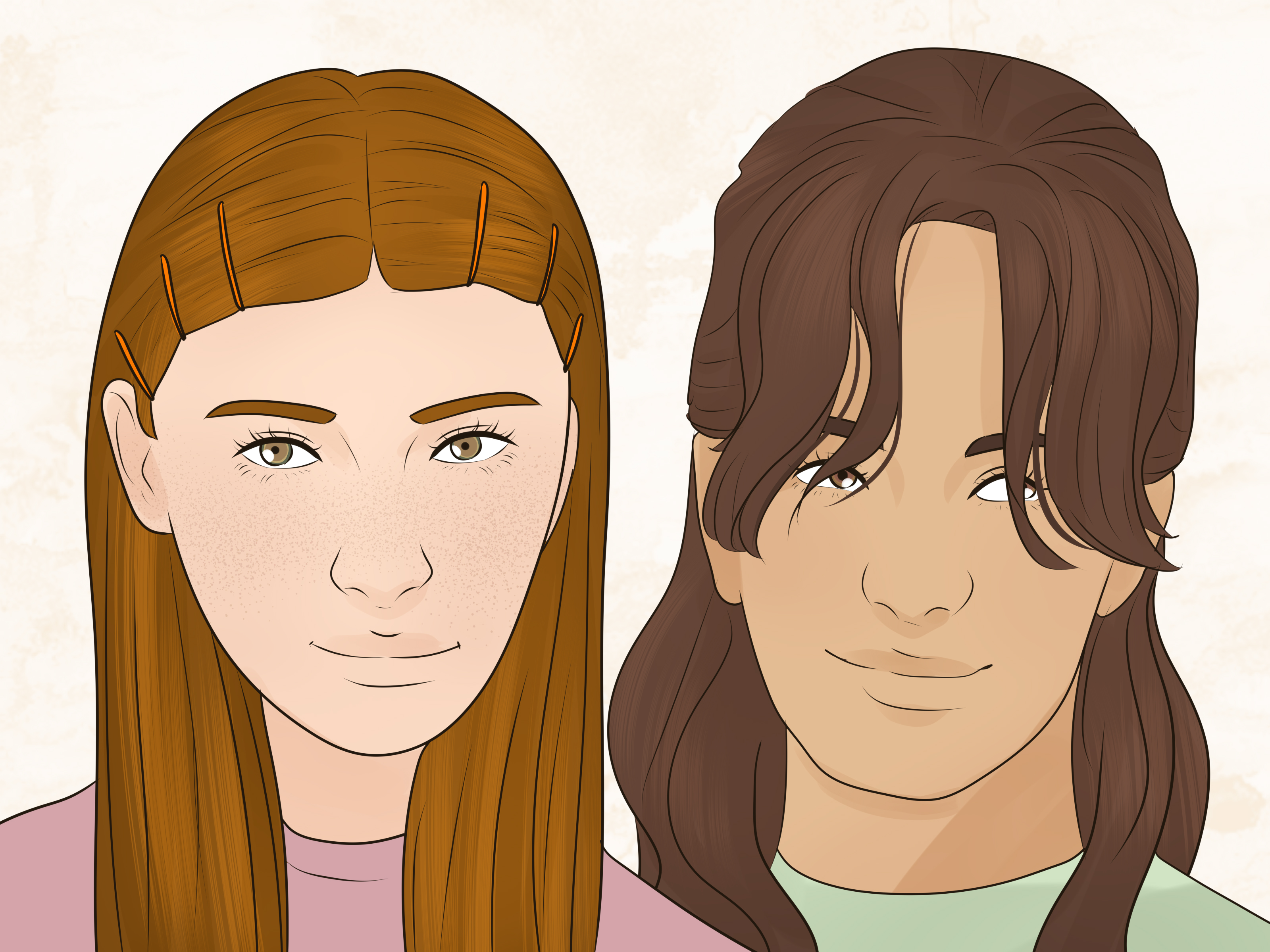
French bangs are soft, full, face-framing bangs with a relaxed, slightly imperfect finish. Unlike heavy blunt bangs that form a straight line across the forehead, French bangs usually have feathered ends, subtle layering, and longer edges that blend into the rest of the haircut. Think of them as the cool cousin of curtain bangs: a little fuller in the middle, a little more romantic around the eyes, and much less interested in looking freshly ironed.
The classic French fringe often falls around the brow line or just below it. The center can be lightly piecey, while the sides taper toward the cheekbones. This shape creates softness around the face and draws attention to the eyes. It pairs beautifully with long layers, shags, bobs, lobs, wavy hair, and even curly cuts when shaped properly.
French Bangs vs. Curtain Bangs
Curtain bangs are typically parted in the center and swept away from the face, creating two “curtains” that frame the cheeks. French bangs may part naturally, but they often sit more forward across the forehead. They can still open slightly in the middle, but they look fuller and more fringe-like than classic curtain bangs.
If curtain bangs are your low-risk doorway into bangs, French bangs are the slightly moodier, more editorial version. They still grow out gracefully, but they make more of a statement around the eyes.
Why French Bangs Are So Popular
French bangs have become a favorite because they deliver instant style without demanding a total hair transformation. You can keep your length, keep your color, keep your general haircut, and still feel like you have a brand-new look. They add movement to flat hair, soften sharp features, and make a simple ponytail look intentional instead of “I had six minutes before Zoom.”
Another reason they work so well is versatility. French bangs can be polished with a blow-dryer, worn tousled with texture spray, tucked into curtain-like pieces, or pinned back on days when your fringe has chosen violence. They also photograph beautifully because they frame the eyes and cheekbones, which is helpful if your camera roll is 80 percent selfies and 20 percent screenshots of recipes you may never cook.
Who Looks Good With French Bangs?
The honest answer: almost anyone can wear French bangs if the cut is customized. The less honest answer: everyone, immediately, book the appointment, bring snacks. A good stylist will adjust the length, density, and side pieces to suit your features and hair behavior.
Best Face Shapes for French Bangs
Oval faces can wear nearly every version of French bangs, from brow-skimming fringe to longer curtain-inspired pieces. Because the face shape is balanced, the main decision is how bold or soft you want the fringe to feel.
Round faces usually benefit from longer, tapered French bangs that open slightly in the center or blend into cheekbone-length layers. This creates vertical movement and helps elongate the face.
Square faces look beautiful with soft, feathered French fringe because the texture helps soften the jawline. Avoid overly blunt, thick bangs unless you intentionally want a strong graphic look.
Heart-shaped faces often suit French bangs extremely well because the fringe balances a wider forehead and brings attention toward the eyes and cheekbones.
Long or oblong faces can use French bangs to visually shorten the face. A fuller fringe that sits around the brows can create flattering proportion without feeling severe.
How to Ask Your Stylist for French Bangs
The phrase “French bangs” sounds clear, but one stylist may imagine wispy Parisian fringe while another sees full Birkin-inspired bangs. Bring reference photos. Bring several. Bring photos of what you do not want, too. A picture of a fringe that looks too blunt, too short, or too thin can save everyone from a tiny forehead-based tragedy.
Ask for soft, brow-grazing bangs with feathered ends and longer side pieces that blend into your layers. Mention that you want movement rather than a heavy straight line. If you like the fringe to split slightly in the middle, say so. If you wear your hair curly, wavy, air-dried, or in a ponytail most days, tell your stylist before the scissors appear.
Useful Salon Phrases
Try saying: “I want soft French bangs that sit around my brows, with textured ends and longer pieces at the sides so they blend into my haircut.” You can also add: “Please cut them dry or check them dry so we can see how they actually fall.”
That last part matters. Hair shrinks as it dries, especially if it has wave, curl, or cowlicks. Wet-cut bangs can surprise you later by springing upward like they just heard shocking news.
Choosing the Right French Bangs for Your Hair Type
Straight Hair
Straight hair can make French bangs look sleek and classic, but it can also reveal every cutting line. Ask for light point-cutting or soft texturizing through the ends so the fringe does not look like it was cut with a ruler during a power outage. A small round brush, flat brush, or blow-dryer brush can help create natural bend.
Wavy Hair
Wavy hair is practically made for French bangs. The natural movement gives the fringe that relaxed “I live near a bakery and own linen pants” energy. Keep the bangs slightly longer so the waves have room to form. A lightweight wave spray or texture mist can help define the shape without making the bangs stiff.
Curly Hair
Curly French bangs can be stunning when they are cut with shrinkage in mind. The most important rule is to avoid cutting them too short while wet. Curly bangs should be shaped according to how the curls naturally sit when dry. Longer side pieces and light layering help the fringe blend into the rest of the hair.
Fine Hair
Fine hair can wear French bangs, but density matters. Too little hair in the fringe can look stringy, while too much can steal volume from the rest of the haircut. Ask for a soft but intentional section. Dry shampoo, volumizing mousse, and root lift spray can help keep fine French bangs fresh and airy.
Thick Hair
Thick hair needs thoughtful texturizing. Without it, French bangs can become heavy and helmet-like, which is chic only if you are starring in a very specific 1960s spy film. Ask your stylist to remove weight carefully while preserving enough fullness for that signature French fringe look.
How to Style French Bangs at Home
The best time to style French bangs is when they are damp. Bangs dry quickly, and once they have dried in the wrong direction, they become stubborn little curtains of chaos. Start styling right after washing or mist them with water before you begin.
Step 1: Wet or Reset the Fringe
Lightly dampen your bangs from root to tip. This is especially important if you have slept on them, worn a hat, or experienced the mysterious overnight event known as “my bangs now point northeast.”
Step 2: Blow-Dry Side to Side
Use a blow-dryer with a nozzle and brush the bangs left, then right, then forward. This helps neutralize cowlicks and keeps the roots from splitting too strongly. The goal is not to flatten the hair completely, but to train the fringe into a flexible position.
Step 3: Add Shape With a Brush
For soft volume, use a small or medium round brush. Roll the bangs slightly under or forward, then release them with your fingers. For a more relaxed look, use a flat brush and direct the hair forward, then gently separate the center with your fingertips.
Step 4: Let the Hair Cool
Heat shapes the hair, but cooling sets it. After blow-drying, let your bangs rest for a few seconds before touching them. This small step helps the shape last longer and prevents the fringe from collapsing immediately after you did all that arm choreography.
Step 5: Finish Lightly
Use a tiny amount of texture spray, dry shampoo, or flexible hairspray. Avoid heavy oils, thick creams, or sticky gels near the forehead. French bangs should move. If they look crunchy, the croissant has been overbaked.
Best Products for French Bangs
You do not need a museum-sized shelf of products to maintain French bangs. A few smart basics are enough: a heat protectant, a lightweight mousse or volumizing spray, dry shampoo, and a flexible finishing spray. For wavy or curly hair, add a curl cream or light defining product that enhances texture without weighing it down.
Dry shampoo is especially useful because bangs absorb oil from the forehead faster than the rest of the hair. Apply it before the fringe looks greasy, not after it has formed tiny shiny ropes. Prevention is more glamorous than rescue.
How Often Should You Trim French Bangs?
French bangs usually need a trim every three to six weeks, depending on how fast your hair grows and how precise you want the shape to stay. Softer, longer French bangs can stretch longer between trims than blunt bangs, but once they start poking your eyelashes during normal blinking activities, it is time.
Many salons offer quick bang trims between full haircuts. If you choose to trim at home, use proper haircutting shears, cut only when calm, and trim less than you think you need. Never cut bangs when you are late, angry, tired, or emotionally influenced by a movie makeover scene.
Common French Bangs Mistakes to Avoid
Cutting Them Too Short
French bangs are supposed to feel soft and relaxed, not startled. Start longer, especially if you are new to bangs. You can always go shorter later; you cannot politely ask your forehead to return the missing hair by Friday.
Ignoring Cowlicks
Cowlicks are not a deal-breaker, but they must be considered. A skilled stylist can adjust the fringe shape and teach you how to dry the roots so the bangs sit properly.
Using Too Much Product
Heavy styling products can make French bangs look greasy or separated. Use small amounts and build only if needed. The goal is touchable texture, not laminated fringe.
Choosing the Wrong Density
Too much hair can make the bangs bulky; too little can make them look accidental. The best French bangs have enough fullness to feel intentional but enough softness to move naturally.
French Bangs With Popular Haircuts
French Bangs With Long Layers
This is one of the most flattering combinations. Long layers keep the haircut airy, while the fringe adds focus around the face. It works especially well on wavy, straight, or softly textured hair.
French Bangs With a Bob
A bob with French bangs is chic, classic, and just dramatic enough. It can look polished with a smooth blowout or undone with natural texture. The key is keeping the fringe soft so the whole haircut does not become too blocky.
French Bangs With a Shag
A shag and French bangs are basically best friends. The layers support the fringe, the texture feels intentional, and the grow-out is more forgiving. This pairing is ideal for anyone who likes movement, volume, and a little rock-and-roll energy.
French Bangs With a Ponytail
One of the best things about French bangs is how they upgrade simple styles. A ponytail, bun, or claw-clip twist instantly looks more styled when soft fringe and side pieces frame the face. It is the easiest way to look put together while doing absolutely regular things, like buying toothpaste.
How to Grow Out French Bangs Gracefully
If you decide French bangs are not your forever look, the grow-out phase does not have to be tragic. Ask your stylist to blend the fringe into face-framing layers. As the bangs lengthen, part them in the center like curtain bangs or sweep them to the side. Clips, headbands, barrettes, and soft waves can help disguise awkward lengths.
Keep the ends healthy with light trims. It may sound strange to trim hair you are trying to grow, but shaping the fringe prevents it from becoming bulky, uneven, or floppy in the wrong places.
Real-Life Experience: What French Bangs Feel Like Day to Day
Getting French bangs feels exciting in the salon because the transformation is immediate. You sit down as your regular self and stand up looking like you might own a vintage leather jacket, write in a notebook at cafés, and have very strong opinions about butter. The first day is usually the honeymoon phase. Your stylist has dried every piece perfectly, the fringe falls in soft little sections, and you wonder why you did not do this years ago.
Then comes the first morning at home. This is where French bangs reveal their true personality. They are not impossible, but they are also not furniture. They move, split, puff, flatten, and occasionally form alliances with your pillow. The trick is learning that bangs are a daily reset, not a weekly project. A spray bottle becomes your best friend. A blow-dryer becomes less intimidating. Dry shampoo becomes a tiny miracle in aerosol form.
The biggest adjustment is how quickly bangs react to life. If you work out, walk in humidity, wear sunscreen, or touch your forehead while thinking deep thoughts, your fringe may need a refresh. The good news is that French bangs are forgiving because they are not meant to look perfect. A little separation can look charming. A soft bend can look romantic. Even a slightly messy day can read as “effortless” if the overall shape is right.
Another real-life surprise is how much French bangs change your styling routine in a good way. A plain T-shirt looks more intentional. A low bun looks elegant. A messy ponytail suddenly has main-character potential. You may find yourself wearing less makeup because the fringe already frames your eyes. Or you may start wearing lipstick for no reason other than your hair now seems to support the decision.
There are practical lessons, too. Do not apply heavy moisturizer directly under your bangs unless you enjoy the look of oily fringe by lunchtime. Do not skip trims for months and expect the same breezy shape. Do not cut upward into your bangs while distracted, especially if a true-crime podcast has reached the shocking part. And do not panic during the first week. Bangs often need a few days of styling before they settle into your routine.
The best experience with French bangs happens when you accept their nature: polished but not perfect, stylish but not stiff, elegant but a little rebellious. They require small daily effort, but the payoff is big. They give structure to loose hair, softness to updos, and personality to even the simplest outfit. In other words, French bangs are not truly effortless. They are cleverly effortless-looking, which, frankly, is the most French thing about them.
Conclusion: Should You Get French Bangs?
French bangs are a beautiful choice if you want a haircut that feels elegant, relaxed, and expressive without changing your entire style. They frame the face, highlight the eyes, and add instant charm to long hair, short hair, bobs, shags, waves, curls, and everyday updos.
The secret is customization. The best French bangs are not copied exactly from a celebrity photo; they are adapted to your face shape, hair texture, lifestyle, and willingness to style them. Start slightly longer, keep the edges soft, use lightweight products, and schedule trims before your fringe becomes an eye-level obstacle course.
If you want a fringe that looks chic without looking too done, French bangs may be your perfect match. They are romantic, modern, and just imperfect enough to be interesting. Très cute, without trying too hard.
Note: This article is written as original, web-ready content based on current professional hairstyling guidance, salon best practices, and widely accepted bang-care techniques.