The hurricane lantern is one of those rare objects that manages to look humble and heroic at the same time. It is not flashy. It does not beep, sync, update, or ask for your Wi-Fi password. It simply does what good design is supposed to do: solve a problem so well that people keep using it long after newer inventions have arrived. In this case, the problem was darkness mixed with wind, motion, weather, and human stubbornness. The solution was a portable light tough enough to survive a rough night and simple enough to trust.
That is what makes the hurricane lantern such a rich object lesson. It tells a story about engineering, but also about labor, domestic life, seafaring, storms, rural routines, and the long human habit of trying to make darkness behave. For more than a century, some version of this lantern helped people work before dawn, cross muddy yards, tend animals, inspect engines, signal trains, light porches, and wait out storms. Today it survives as a decorative favorite, a collector’s object, a camping standby, and a symbol of steadiness. Not bad for a little metal cage wrapped around a wick and a flame.
What Exactly Is a Hurricane Lantern?
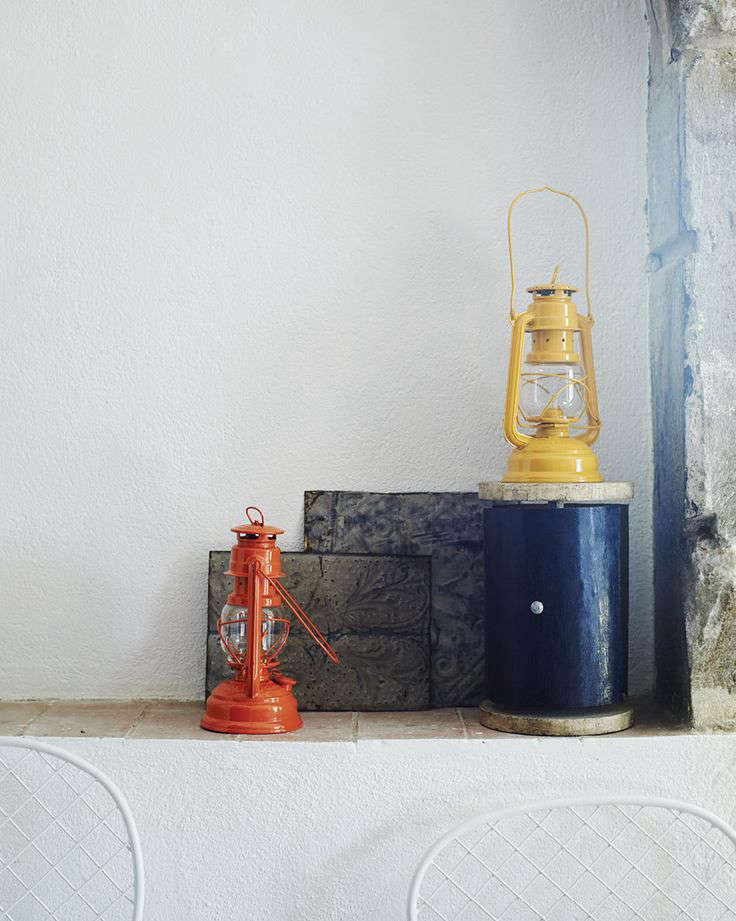
A hurricane lantern, often called a storm lantern or kerosene lantern, is a portable oil-fueled light built to protect its flame from wind and jostling. Its familiar anatomy is easy to recognize: a fuel reservoir at the bottom, a wick mechanism, a glass globe, curved metal air tubes, a vented top, and a wire handle. It is practical, compact, and surprisingly elegant in that tough, no-nonsense way that great workwear and cast-iron skillets are elegant.
The key distinction is that a real hurricane lantern is not just any lantern with glass. It is designed so air moves through it in a controlled path. That path feeds combustion while reducing the sideways gusts that would normally bully an open flame into extinction. In plain English, the lantern does not merely hide the flame from the wind. It puts the wind to work.
That is why the form looks the way it does. The curved tubes are not decorative flourishes. The vented cap is not there for drama. The globe is not just to show off the flame like a tiny theatrical performance. Every piece has a job, and together they turn a fragile light into a dependable tool.
Why This Lantern Mattered Before Electricity
Before electric light became ordinary, Americans lit homes and workplaces with candles, gaslight, and kerosene lamps. Those older systems worked, but they came with tradeoffs: smoke, heat, flicker, soot, maintenance, and fire risk. The hurricane lantern belonged to that pre-electric world, but it improved on it in a very practical way. It made light portable, steadier, and more useful outdoors or in drafty places.
That mattered more than modern readers may first realize. A fixed lamp on a table is helpful. A protected flame you can carry to a barn, dock, stairwell, shed, or road is life-changing. Portable light extends the workday, widens the safe boundaries of home, and gives people a way to move through weather and darkness with some measure of control. The lantern was not just illumination. It was insurance against the night being completely in charge.
It also sat at the intersection of ordinary life and major history. Kerosene lighting was part of household routine, farm work, transportation, and even public symbolism. Americans used kerosene light in homes before widespread electrification, and its glow appears again and again in records of work, waiting, and transition. The hurricane lantern belongs to that larger story, which is one reason it still feels emotionally loaded today.
From Lighthouse Logic to Everyday Tool
The Long Search for Better Light
The hurricane lantern did not appear out of nowhere. It emerged from centuries of trial and error in lighting technology. Public history materials on lighthouse development show that by the late eighteenth century, “hurricane style” lamps were already being used in lighthouse settings, though they were still limited in brightness. The broader era also saw major improvements in wick and reflector design, all aimed at the same challenge: how do you create more reliable light and push it farther?
That coastal history matters because lighthouses were laboratories of urgency. A weak light in a parlor is annoying. A weak light on a dangerous coast is a disaster waiting for paperwork. The same logic that improved lighthouse lampsprotect the flame, increase efficiency, control airflow, reduce wasteeventually shaped portable lantern design too.
The American Breakthrough
In the nineteenth century, inventors refined tubular lanterns into something much closer to the classic hurricane lantern we recognize now. John H. Irwin’s U.S. patent work is especially important here. His lantern patent from 1869 described a construction in which wind was redirected so that it helped support combustion instead of snuffing it out. Later improvements refined the airflow even further by separating fresh intake air from the used combustion products.
This is the heart of the lantern’s genius. A bad lamp fights the environment and loses. A hurricane lantern studies the environment, reroutes it, and wins by design. That is a very American kind of industrial story: make the machine work with the problem, not against it.
By the early twentieth century, companies such as Dietz were producing lanterns that became staples of everyday life. Museum descriptions of Dietz models note how hot-blast and cold-blast tubular lanterns burned brighter and longer than the candle lanterns they replaced. In other words, the lantern was not merely surviving the wind. It was becoming a better light because of the way it managed air.
How the Hurricane Lantern Works
The Wick and Fuel Reservoir
In most classic hurricane lanterns, fuel sits in the lower reservoir while a flat wick draws it upward. The user raises or lowers the wick to control the flame. It is an old piece of chemistry made beautifully practical: fuel climbs, flame catches, light appears. No charging cable required. The wick must be kept trimmed, the fuel reasonably clean, and the mechanism in working order, but the system is wonderfully understandable. You can look at it and immediately grasp the relationship between cause and effect.
The Glass Globe
The globe protects the flame from direct side gusts and helps maintain a more stable interior environment. It also reduces flicker and keeps the flame from becoming a tiny panic attack every time the lantern moves. The globe is one reason the lantern feels so calm in use. Instead of exposed fire acting like exposed fire, the flame becomes disciplined, framed, and contained.
The Tubes and Vented Top
The metal tubes on either side of the globe are the real stars of the show. In tubular lantern designs, air is drawn through these passages and delivered where it can support the flame. In hot-blast models, warmed air is recirculated in a way that improves steadiness. In cold-blast models, fresh oxygen-rich air is brought in more effectively, helping the lantern burn brighter and cleaner. That is why collectors and lantern enthusiasts still care about the distinction: it is not trivia, it is performance.
Think of the lantern as a tiny climate system. Air enters, heat rises, exhaust escapes, fresh intake is managed, and the flame stays protected. The shape looks charming because it is functional. Good industrial design often ages into beauty.
The Lantern and the American Coast
The hurricane lantern also makes sense when seen alongside the history of lighthouses and coastal navigation. National Park Service and U.S. Coast Guard histories show how lighthouse lighting shifted over time from fuels such as whale oil and lard oil to kerosene, then later to incandescent oil vapor systems and electricity. Kerosene was valued because it offered brighter, more efficient light than older fuels in many settings, and it became part of the routine labor of keeping lights alive.
That labor was not romantic in the storybook sense. At stations such as South Manitou, kerosene had to be stored carefully in separate structures because of fire risk. Keepers or assistants carried fuel up long stairways, cleaned glass and lenses, polished metal, monitored supplies, and repeated the process day after day. The beam sweeping across the water was the glamorous part. The buckets, soot, and polishing cloths were the reality.
Seen from that angle, the hurricane lantern is not just quaint. It belongs to a world of maintenance culture. It reminds us that reliable light used to depend on human discipline. Somebody had to fill the tank, trim the wick, clean the glass, and pay attention. Even the most beautiful flame was only as trustworthy as the person tending it.
Why It Became an Icon of Work, Weather, and Waiting
The lantern endured because it was useful across many kinds of American life. It fit farms, rail yards, boats, camps, workshops, porches, and roadside work. It was at home in the ordinary spaces where electricity arrived late, failed often, or did not exist at all. Historical records from the Library of Congress and National Archives describe kerosene lighting in homes, wartime settings, and rural communities that were still waiting for electric service. The lantern lived exactly where modern systems were incomplete.
It also carried symbolic weight. One famous example is Calvin Coolidge taking the presidential oath by the light of a kerosene lamp in Vermont. That scene endures because it feels almost too perfect: modern power changing hands under old light. The moment compresses two Americas into one frameindustrial progress on one side, plain household illumination on the other.
That symbolic power helps explain why the hurricane lantern never fully disappeared after electrification. Once an object has served both necessity and memory, it tends to stick around. It may retire from daily labor, but it gains a second career as atmosphere, ritual, and meaning.
Why People Still Love Hurricane Lanterns
Part of the answer is visual. A hurricane lantern glows instead of glares. It produces a warm, contained light that makes rooms and porches feel smaller, calmer, and more human. Electric light can flatten space. Lantern light edits it. It tells the eye where to rest.
Another part is tactile. The lantern has weight. It has a handle, a lift mechanism, a fill cap, and moving parts you can understand without a manual written by a committee. In a world full of sealed black boxes, it is refreshing to encounter a device that seems to say, “Here is what I do, here is how I do it, and yes, you may look inside.”
And then there is the emotional dimension. The lantern suggests resilience without bragging. It is associated with storms, yes, but also with preparation, steadiness, and continuity. It makes people think of grandparents, cabins, old hardware stores, camp nights, and front porches. The hurricane lantern has become shorthand for useful simplicity.
A Word on Safety
Here is the modern reality check: the hurricane lantern may be beautiful and historically important, but emergency agencies today strongly recommend battery-powered flashlights and lanterns during outages. Federal preparedness guidance warns against relying on open flame during blackouts or storm recovery, and weather safety guidance specifically cautions against candles and kerosene lamps as emergency light sources.
That does not erase the lantern’s historical value. It simply reflects the fact that modern safety standards have changed, and for good reason. Flame, fuel, glass, heat, and stressed households are not always a great combination. If someone keeps a hurricane lantern for ambiance, collection, or occasional controlled use, it should be treated with respect, proper ventilation, and common sense. This is an heirloom of necessity, not a toy and not a magic charm against bad weather.
What the Hurricane Lantern Teaches Us
As an object lesson, the hurricane lantern teaches several things at once. First, good design often comes from constraint. You get elegant solutions when the problem is real enough to demand honesty. Second, durable objects tend to earn affection because they participate in daily life instead of interrupting it. Third, the history of light is never just about technology. It is about labor, risk, atmosphere, and the social meaning of seeing and being seen.
Most of all, the hurricane lantern teaches that progress is rarely neat. Electricity did not instantly erase flame. Old and new systems overlapped for decades. Kerosene lit homes, stations, cabins, and coasts even as electric networks expanded. The lantern therefore represents a bridge, not just a relic. It sits between the age of wick and the age of wire.
That is why it still matters. The hurricane lantern is not merely a vintage object with rustic charm. It is a compact history of how people carried light through uncertainty. And honestly, that is a pretty respectable thing for a little metal lantern to be.
Five Hundred More Words by Lantern Light: Experiences Related to the Hurricane Lantern
To understand why the hurricane lantern still holds such power, it helps to imagine the experience around it, not just the object itself. A lantern changes the mood of a place because it changes the scale of attention. Flip on overhead lighting and the whole room appears at once, every corner suddenly available for judgment. Light a hurricane lantern and the world becomes selective. The table matters. The doorway matters. The hands matter. The rest can wait its turn in the shadows.
That experience is part of the lantern’s emotional afterlife. Even people who never depended on one for survival can feel how its light slows the pace of a room. Conversation drops half a gear. You stop pacing. You stop glancing at every distraction. The little flame creates a circle of importance, and human beings seem to understand that circle instinctively. It feels old because it is old. It also feels comforting because our brains were shaped for small, local light long before they were shaped for ceiling fixtures and phone screens.
There is also something memorable about the soundscape that goes with a lantern. In a storm, you hear the weather again. The rain on the roof stops being background wallpaper and becomes an event. The creak of a porch board, the wind at a window, the rattle of tree limbs, even the quiet scrape of a chair on wood floor all seem sharper under lantern light. The glow does not overpower the dark; it negotiates with it. That makes the night feel present, not defeated.
Outdoors, the experience is different but equally striking. Carrying a hurricane lantern across a yard or along a path is not like carrying a flashlight. A flashlight shoots a beam ahead like a command. A lantern walks with you. It lights your boots, your coat sleeve, the gate latch, the damp ground, and the low fog at ankle height. It turns movement into a small floating room. No wonder it became attached to memory, work, and weather. It was never just a light source. It was companionship in object form.
There is a reason collectors and old-house enthusiasts talk about these lanterns with so much affection. The affection is not only for the thing, but for the way the thing reorganizes attention. You notice maintenance. You notice fuel. You notice that light is being made, not merely delivered. That can be oddly satisfying. Modern systems are effortless when they work and maddening when they fail. A lantern asks more of you, but it also explains itself. Fill, trim, lift, light, lower, watch. The process creates respect.
And then there is the visual memory. A red or blue painted lantern hanging by a shed door. A clear globe fogged slightly from use. A warm halo across a porch rail. A lantern on a camp table while everyone pretends not to be cold. These scenes stay in the mind because the lantern makes them feel complete. It frames weather, work, and togetherness in one glow. The hurricane lantern may have begun as a practical answer to wind and darkness, but the experience of living with it gave it something bigger: personality. That is why it still survives, even now, when electricity is everywhere and yet somehow never quite as memorable as fire behind glass.
Conclusion
The hurricane lantern deserves its place in the museum of everyday genius. It is a small machine built around a basic human need, refined over time by inventors, workers, keepers, and users who demanded more reliable light. It connects lighthouse technology to household routine, industrial design to emotional memory, and weatherproof engineering to cultural symbolism. That is a lot of mileage from one flame.
If there is a final lesson in the hurricane lantern, it may be this: objects matter most when they reveal the lives built around them. This lantern reveals people who worked before sunrise, crossed dark yards, climbed lighthouse stairs, waited for electric service, and trusted a carefully managed flame to hold back the night. The object is simple. The history inside it is anything but.