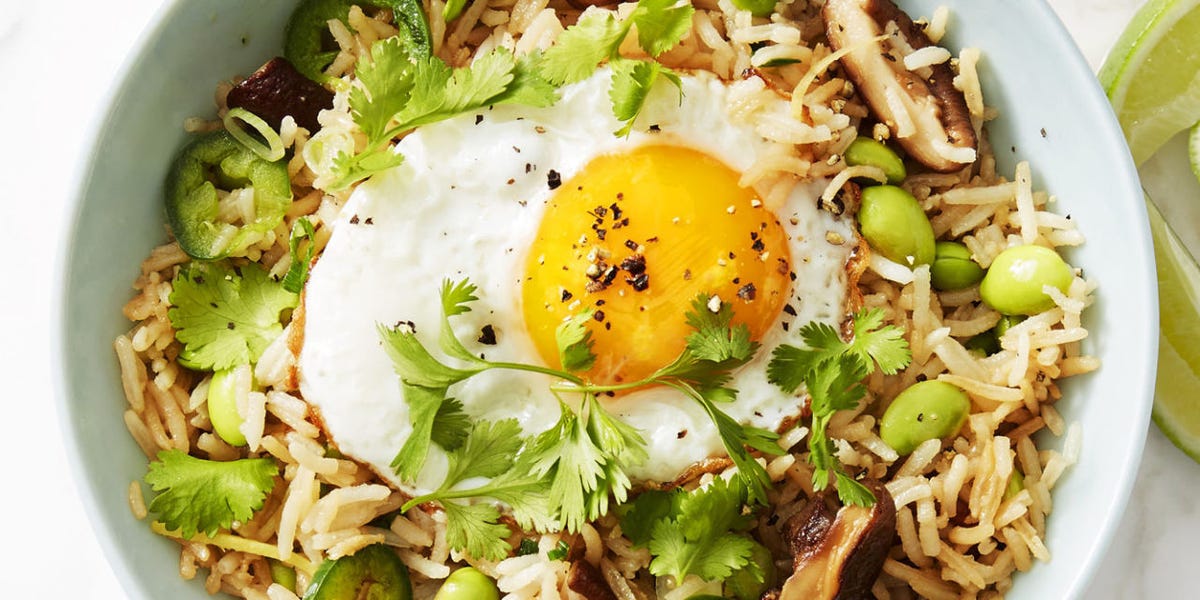
Fried rice is the glow-up story your leftover rice has been waiting for. One day it’s a sad, cold container in the fridge. The next, it’s sizzling in a hot pan with garlicky aromas, toasty edges, and enough umami to make you forget takeout exists.
This versionvegetarian fried rice with shiitakes and edamamehits the sweet spot: chewy grains, meaty mushrooms, pops of green soybeans, and a savory finish that tastes “restaurant-y” without requiring a wok the size of a satellite dish.
Why This Vegetarian Fried Rice Works (and Doesn’t Taste Like “Leftover Roulette”)
1) The rice is dry on purpose (yes, that’s a compliment)
Great fried rice starts before the pan even gets hot. The goal is rice that’s cool, a little dry, and easy to separate. Fresh, steamy rice is too moist and can turn your stir-fry into something closer to risotto’s distant cousin.
Best-case scenario: day-old rice from the fridge. Real-life scenario: you want fried rice now. No problemspread freshly cooked rice on a sheet pan in a thin layer, let it steam off and cool, then refrigerate or freeze briefly to dry it out. Your future self will thank you, and your rice won’t clump like it’s auditioning for a snowball fight.
2) Shiitakes bring the “meaty” without the meat
Shiitake mushrooms are basically the MVP of vegetarian umami. When they hit a hot pan, they brown, get slightly crisp at the edges, and deliver a deep savory flavor that makes the dish feel hearty. Fresh shiitakes work beautifully, but dried shiitakes are an excellent backup (and their soaking liquid can be used like a flavor booster).
3) Edamame makes it a real meal
Edamame adds plant-based protein, a gentle sweetness, and that satisfying “pop” that keeps each bite interesting. It also gives this fried rice the energy of a meal-prep champion: filling, balanced, and still delicious when reheated.
Ingredients You’ll Need
Core ingredients (the “don’t skip these” list)
- 4 cups cooked rice (cold, preferably day-old; jasmine or long-grain white is classic)
- 8 ounces shiitake mushrooms, stems removed, thinly sliced
- 1 cup shelled edamame (frozen is perfect; thawed under warm water and drained)
- 3 tablespoons neutral oil (canola, avocado, grapeseed, or vegetable), divided
- 1 small yellow onion, finely chopped (or 4 scallions, whites and greens separated)
- 1 medium carrot, diced small (optional, but highly recommended for color and crunch)
- 3 cloves garlic, minced
- 1 tablespoon fresh ginger, grated or minced
- 2 to 3 tablespoons low-sodium soy sauce (or tamari)
- 1 to 2 teaspoons toasted sesame oil (finish with itdon’t fry with it)
- Black pepper or white pepper, to taste
- Salt, as needed
Optional upgrades (choose your adventure)
- 2 eggs, lightly beaten (vegetarian, not vegan; adds richness)
- 1 to 2 tablespoons rice vinegar for brightness
- 1 teaspoon sugar or a drizzle of maple syrup to round out salty flavors
- Chili crisp, sriracha, or crushed red pepper for heat
- Toasted sesame seeds or chopped cashews/peanuts for crunch
- Nori strips or furikake (check labels if you’re strict vegetarian)
- Tofu (cubed and pan-crisped) for extra protein
Step-by-Step: How to Make Vegetarian Fried Rice with Shiitakes and Edamame
Step 0: Prep like you mean it
Fried rice cooks fast. Like, “blink and suddenly the garlic is brown” fast. Chop everything first, measure your sauces, and break up the rice clumps with clean hands or a fork. Set your ingredients near the stove so you’re not juggling a spatula while hunting for soy sauce like it’s a hidden object game.
Step 1: Make the seasoning mix
In a small bowl, stir together:
- 2 to 3 tablespoons low-sodium soy sauce (or tamari)
- 1 tablespoon rice vinegar (optional)
- 1 teaspoon sugar (optional)
- A pinch of white pepper or black pepper
Keep toasted sesame oil separate for the end. It’s a finisher, not a workhorse.
Step 2: Cook the egg (optional), then remove
Heat a large wok or a 12-inch skillet over medium-high heat. Add 1/2 tablespoon oil. Pour in beaten eggs and scramble into small curds. Slide them onto a plate. This prevents overcooking and keeps your eggs tender instead of rubbery (no one wants “bouncy egg confetti”).
Step 3: Brown the shiitakes
Add 1 tablespoon oil to the hot pan. Add shiitakes in a single layer and let them sit for 1–2 minutes before stirring. They’ll release moisture, then start to brown. Cook until most of the liquid evaporates and the mushrooms look glossy and lightly crisp at the edges, 4–6 minutes. Lightly salt them.
Step 4: Aromatics and veggies go in
Add the onion and carrot. Stir-fry until the onion softens and the carrot begins to lose its raw edge, about 2–3 minutes. Add garlic and ginger and cook for 30 secondsjust until fragrant.
Step 5: Add rice and let it toast
Add the remaining oil (about 1 to 1 1/2 tablespoons, depending on your pan). Add the cold rice. Spread it out in an even layer and press it down gently with your spatula. Let it cook undisturbed for 45–60 seconds so it can toast.
Then toss, spread, press again. Repeat once or twice. This is how you get that lightly crisp, “fried” texture instead of steamed rice with vegetables.
Step 6: Season smart (not soggy)
Drizzle the soy sauce mixture around the edges of the pan (not directly onto the rice mound). This helps it sizzle and reduce quickly. Toss everything thoroughly so the seasoning coats the grains without pooling.
Step 7: Add edamame and finish
Add the edamame and toss for 1–2 minutes, just to heat through. Return the egg (if using). Turn off the heat and stir in toasted sesame oil. Taste and adjustmaybe a touch more soy sauce, a pinch of salt, or a hit of chili crisp.
Step 8: Garnish and serve immediately
Top with sliced scallion greens, sesame seeds, or a squeeze of lime if you like a bright finish. Serve hot, straight from the pan, while the rice still has that perfect toasted vibe.
Pro Tips for Restaurant-Style Fried Rice at Home
Use a big pan and real heat
If your pan is too small, your ingredients steam instead of fry. A wok is great, but a wide skillet works beautifully. Preheat the pan so it’s properly hot before anything goes in.
Cook in stages so nothing gets soggy
Eggs first, mushrooms browned, veggies softened, rice toasted, seasoning last. This order keeps textures distinct and prevents the whole dish from turning into one uniform softness.
Don’t drown it in sauce
Fried rice should taste like rice that’s been fried, not like rice soup that got lost. Start with less soy sauce than you think you need. You can always add a splash at the end, but you can’t un-sog a sog.
Let the rice toast before you toss
Constant stirring is the enemy of crisp. Give the rice short moments of peace in the pan. It will reward you with golden edges and better flavor.
Flavor Variations (Vegan, Gluten-Free, Spicy, and “Use What You’ve Got”)
Vegan version
Skip the eggs and add cubed tofu (pan-crisp it separately) or a handful of cashews for richness. A teaspoon of white miso whisked into the soy sauce mixture can add extra depth.
Gluten-free version
Use tamari or certified gluten-free soy sauce. Double-check any chili crisp or seasoning blends for hidden wheat ingredients.
Extra-protein version
Add more edamame, crisped tofu, or a scrambled egg + tofu combo. (Yes, you can do both. This is a safe space.)
Brown rice or quinoa option
Cold leftover brown rice works well and adds a nutty flavor. Cold cooked quinoa can also be stir-fried for a similar effectjust keep the heat high and the sauce modest.
More veggie ideas
Diced bell pepper, shredded cabbage, peas, corn, snap peas, or zucchini (added early so it can cook off moisture) all work. Keep pieces small so they cook quickly and blend into each bite.
What to Serve with Vegetarian Fried Rice
- Miso soup or a simple broth to balance the richness
- Cucumber salad with rice vinegar and sesame
- Steamed or blistered green beans with garlic
- Kimchi (if it fits your preferences) for tang and crunch
- A fried or jammy egg on top for maximum comfort
Storage, Reheating, and Meal Prep
Fried rice is excellent for meal prep, but rice deserves a little respect: cool leftovers quickly, store in an airtight container, and refrigerate promptly. For best texture, reheat in a hot skillet with a tiny splash of water (or oil if the pan is dry). The microwave works toocover it and reheat in short bursts so it doesn’t dry out.
You can also freeze portions. Thaw overnight in the fridge or reheat from frozen in a skillet over medium heat with a tablespoon of water to help it loosen up.
FAQ
Can I use freshly cooked rice?
You can, but it’s risky. If you must: spread hot rice on a sheet pan, cool it fast, then refrigerate or freeze briefly to dry it out. The drier the rice, the better the fried rice.
Fresh or dried shiitakes?
Fresh shiitakes are quick and easy. Dried shiitakes have deeper flavorsoak them until soft, squeeze them dry, and slice. If you save the soaking liquid (and strain it), a spoonful can add extra mushroomy depth.
Why does my fried rice taste bland?
Usually one of three things: not enough heat (so flavors don’t develop), too much moisture (so it steams), or too little seasoning at the end. Try more toasted sesame oil, scallions, or a small splash of soy sauce after cooking.
How do I keep rice from sticking?
Use a well-heated pan, enough oil to lightly coat, and don’t overload the skillet. Breaking up rice clumps before cooking also helps.
Final Thoughts
This best vegetarian fried rice with shiitakes and edamame is the kind of recipe that makes weeknight cooking feel less like a chore and more like a delicious little victory. It’s flexible, fast, and forgivingas long as you respect the holy trinity of fried rice: cold rice, hot pan, and not too much sauce.
Personal Kitchen Experiences: Shiitakes, Edamame, and the Great Rice Redemption
There’s a very specific moment that happens in a lot of home kitchens: you open the fridge, spot a container of leftover rice, and think, “I should do something with that.” Then you close the fridge and walk away like the rice just asked you to help it move apartments.
Vegetarian fried rice is what happens when you finally stop ghosting the rice. It’s also one of those dishes that quietly teaches good cooking habits without sounding like a lecture. For example: prep first. Anyone who’s ever tried to mince garlic while mushrooms are already in the pan knows that fried rice moves at the speed of “oops.” When everything is chopped and ready, the whole process feels smoothalmost like you planned it.
Shiitakes are often the ingredient that converts skeptical eaters. People who say vegetarian meals “aren’t filling” tend to change their tune when mushrooms get properly browned. That browning is key; if mushrooms go into a crowded pan, they steam and turn soft. But when they have space and heat, they become savory, slightly crisp, and honestly a little dramaticin the best way. It’s the difference between “mushrooms are fine” and “why does this taste like it came from a restaurant?”
Edamame, meanwhile, is the quiet hero. It doesn’t shout. It just shows up with protein, color, and that pleasant bite that keeps each forkful interesting. In real-life cooking, edamame also wins because it’s so low-effort: straight from the freezer, a quick rinse or thaw, and it’s ready. It’s the kind of ingredient that makes you feel organized even if you’re wearing mismatched socks and cooking with one eye on your inbox.
The biggest “aha” moment most home cooks have with fried rice is realizing that less sauce is more. It’s tempting to keep adding soy sauce until everything is the same brown color, but that’s how you end up with wet rice that tastes salty instead of complex. When the rice is toasted first and seasoned lightly, you can actually taste the rice, the mushroom browning, the ginger, and the nuttiness of sesame oil. The flavor feels layered instead of loud.
Another common experience: the first time you let the rice sit without stirring, it feels wronglike you’re breaking a rule. But then you flip it and see golden bits, and suddenly you understand why fried rice should taste, well, fried. That little bit of patience turns leftovers into something you’d be genuinely excited to eat, even on purpose.
And maybe the best part is how forgiving the dish is once you’ve got the basic rhythm down. No shiitakes? Use cremini. No edamame? Use peas. No scallions? Use a small onion and finish with herbs. Fried rice is the meal that meets you where you areespecially on nights when you want something comforting, fast, and just a little bit impressive.