Zoos are designed to feel like controlled windows into the wild: safe pathways, sturdy glass, helpful signs, snack stands, and the occasional peacock acting like it owns the parking lot. But behind the family-friendly atmosphere is a serious truth: wild animals are still wild, even when they live behind barriers, moats, gates, glass, and carefully engineered habitats.
The most horrifying zoo accidents are not just shocking because something went wrong. They are memorable because they reveal how quickly ordinary moments can turn dangerous. A child leans too far. A keeper enters the wrong space. A tree limb becomes an escape tool. A barrier that looked solid suddenly becomes the most important structure in the world.
This article explores 10 real zoo accidents and near-misses, focusing on what happened, why each case became widely discussed, and what visitors and institutions can learn from them. The goal is not to sensationalize tragedy. It is to understand zoo safety, respect animal behavior, and remember that “do not cross the railing” is not a decorative suggestion.
Why Zoo Accidents Happen
Most modern zoos operate with layered safety systems: primary enclosures, secondary doors, keeper protocols, visitor barriers, emergency response plans, and animal behavior training. Still, accidents can happen when one layer fails or when several small problems stack up like a very bad game of Jenga.
Common factors include human error, ignored warning signs, equipment failure, unexpected animal behavior, outdated enclosure design, and moments of panic. The best zoos learn from incidents by redesigning exhibits, improving staff procedures, adding training drills, and making visitor rules clearer.
1. Harambe at the Cincinnati Zoo
A child entered a gorilla enclosure in 2016
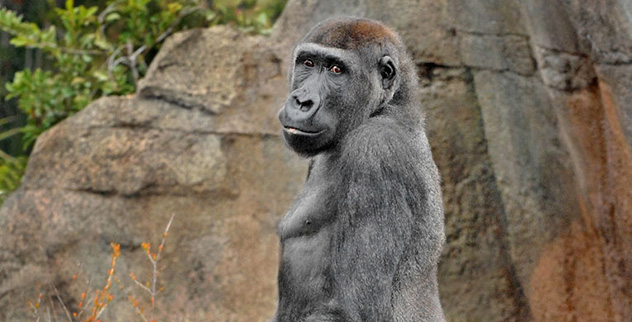
One of the most famous zoo accidents in modern American history happened at the Cincinnati Zoo in May 2016. A 3-year-old boy climbed into the gorilla habitat, where he encountered Harambe, a 17-year-old western lowland gorilla. Zoo officials made the emergency decision to shoot Harambe to protect the child.
The boy survived with minor injuries, but the incident became a cultural earthquake. People debated everything: the barrier design, parental responsibility, the ethics of lethal force, and whether tranquilizers could have worked quickly enough. The case also became a reminder that social media can turn a serious zoo safety incident into a global argument before anyone has finished reading the facts.
The key lesson is simple: barriers are not background scenery. At a zoo, a fence is part of the safety system. Visitors should never lift children onto railings, let them climb, or assume a “quick look” is harmless.
2. The San Francisco Zoo Tiger Escape
A tiger escaped its enclosure on Christmas Day 2007
In December 2007, a Siberian tiger named Tatiana escaped from her enclosure at the San Francisco Zoo. The tiger killed one young man and injured two others before police shot and killed the animal. The case shocked the country because it happened in a public zoo, during what should have been a festive holiday visit.
The incident raised serious questions about enclosure height, visitor behavior, response time, and the physical ability of big cats. Tigers are not oversized house cats with dramatic eyeliner. They are powerful predators capable of explosive movement, especially when stressed or provoked.
After the escape, public discussion focused heavily on whether the tiger habitat’s barriers were sufficient. The broader lesson is that big-cat enclosures must be built for the animal’s full athletic ability, not for what looks impressive to humans standing safely on the sidewalk.
3. The Pittsburgh Zoo Painted Dog Tragedy
A toddler fell into an African painted dog exhibit in 2012
In 2012, a 2-year-old boy fell into the African painted dog exhibit at the Pittsburgh Zoo. The child had been placed on a railing for a better view and slipped into the habitat below. Zoo staff and responders acted quickly, but the accident ended in tragedy.
This case is one of the clearest examples of how dangerous it can be to ignore visitor barriers. The animals involved were not “mean” in a human sense. They were wild canids reacting according to instinct. The accident was horrifying because it began with a familiar scene: a family trying to help a child see better.
The lesson for families is blunt but important: never place a child on a fence, wall, planter, rail, or viewing ledge at a zoo. A better view is never worth reducing the distance between a child and a wild animal enclosure.
4. Jabari the Gorilla at the Dallas Zoo
A gorilla escaped and injured visitors in 2004
In 2004, a 300-plus-pound gorilla named Jabari escaped from his habitat at the Dallas Zoo. Several people were injured before police shot and killed the gorilla. The event lasted long enough to send visitors running and forced officials to examine how the escape occurred.
Gorillas are intelligent, strong, and observant. When an enclosure fails to account for strength, jumping ability, stress, or opportunity, the situation can become dangerous fast. The Dallas incident became an important case study in emergency response and exhibit security.
For visitors, the lesson is to listen immediately when staff give instructions. If zoo employees tell you to move indoors, leave an area, or shelter in place, that is not the moment to ask whether you can finish your pretzel.
5. Little Joe at Franklin Park Zoo
A gorilla escaped in Boston in 2003
In 2003, a silverback gorilla named Little Joe escaped from Boston’s Franklin Park Zoo. During the incident, a young child and an adult were injured before the gorilla was captured. The escape caused panic and became one of the most widely remembered zoo incidents in New England.
Little Joe’s case showed how complicated primate management can be. Great apes are physically powerful and mentally sharp. They can test doors, recognize weak points, and respond to stress in ways that are difficult to predict.
After such incidents, zoos often review door systems, lock checks, keeper movement, and escape drills. The best safety culture assumes that smart animals will notice opportunities. In other words, when working with apes, the lock should be smarter than the animal’s bad idea.
6. The Palm Beach Zoo Tiger Keeper Death
A keeper was killed by a Malayan tiger in 2016
In April 2016, lead tiger keeper Stacey Konwiser was killed during an incident involving a Malayan tiger at the Palm Beach Zoo in Florida. Reports said the attack happened in a behind-the-scenes area known as the night house, where tigers eat and sleep.
This tragedy highlighted the extreme risks faced by animal care professionals. Zookeepers do not simply “play with animals,” despite what some cheerful TV segments might suggest. Their work involves strict procedures, communication, training, gates, shift doors, and constant attention.
One of the most important principles in dangerous animal care is protected contact: humans and large predators should not occupy the same unsecured space. When that separation fails, even an experienced keeper can be in grave danger.
7. The Knoxville Zoo Elephant Accident
An elephant handler died in 2011
In 2011, elephant handler Stephanie James died after an accident involving an African elephant at the Knoxville Zoo. Reviews of the incident examined how the animal, the staff member, and the stall area interacted during routine care.
Elephants are often described as gentle giants, and they can be intelligent, social, and affectionate. They are also enormous. A single movement from an elephant can create deadly pressure, even without the animal behaving aggressively. That is what makes elephant care one of the most demanding jobs in the zoo world.
Modern elephant management increasingly emphasizes barriers, protected contact, emergency planning, and training that allows animals to participate voluntarily in medical care. The lesson is that “routine” does not mean “risk-free.” Around animals weighing several tons, routine deserves respect.
8. The Bronx Zoo Tiger Keeper Fatality
A keeper entered a tiger habitat in 1985
In 1985, Bronx Zoo keeper Robin Silverman was killed after entering a tiger enclosure where two Siberian tigers were present. A trainee escaped the habitat, and the incident became the first human fatality in the zoo’s history.
The accident is still discussed because it shows how unforgiving big-cat protocols can be. With large carnivores, a single mistaken door, misunderstood location, or lapse in procedure can be catastrophic. Tigers do not pause to check whether a human made an honest mistake.
For institutions, this type of tragedy underlines the importance of redundant systems: visual checks, radio confirmations, lock-out procedures, and rules that never depend on memory alone. Human memory is useful, but it should not be the only thing standing between a keeper and a tiger.
9. The Kansas City Zoo Chimpanzee Escape
Seven chimpanzees got out of their enclosure in 2014
In 2014, several chimpanzees escaped from their enclosure at the Kansas City Zoo after one used a tree limb to climb. Visitors were moved to safe areas while staff worked to secure the animals. No injuries were reported, but the episode was still deeply unsettling.
Chimpanzees are strong, coordinated, and excellent problem-solvers. They can turn ordinary objects into tools, which is impressive in a documentary and terrifying when the tool is being used to leave an enclosure. The Kansas City case demonstrated how enrichment, landscaping, and habitat objects must be evaluated from the animal’s point of view.
The lesson is that zoo design is never finished. Trees grow, branches fall, animals learn, and habitats change. Safety reviews must keep pace with the living environment inside the exhibit.
10. The Omaha Gorilla Glass Incident
A silverback cracked viewing glass in 2015
In 2015, visitors at Omaha’s Henry Doorly Zoo watched as a silverback gorilla charged the viewing glass and cracked one layer. The zoo said the glass was engineered with multiple layers and that visitors were not in danger. Still, the video became famous because the moment looked like a movie scene where everyone suddenly remembers they are not at the movies.
This was a near-miss rather than a fatal accident, but it belongs on this list because it captured the raw power of a large primate. The barrier did its job, which is exactly what good zoo engineering is supposed to do. The frightening part was realizing how much force the glass had to absorb.
The lesson for visitors is to avoid teasing, pounding on glass, yelling, or trying to provoke reactions. Animals are not performers on demand. If your plan is to annoy a gorilla for a better video, please consider a new hobby, such as collecting quiet rocks.
What These Horrifying Zoo Accidents Teach Us
Zoo safety depends on both staff and visitors
Across these 10 horrifying zoo accidents, a pattern appears. Zoos can build barriers, train staff, review procedures, and run emergency drills, but visitor behavior still matters. A railing only works if people stay behind it. A warning sign only works if people read it. A staff order only works if visitors follow it immediately.
At the same time, institutions carry a heavy responsibility. They must design habitats for real animal behavior, not ideal animal behavior. They must assume that strong animals may test barriers, intelligent animals may solve problems, and tired humans may make mistakes. Good safety systems are built for the day when everything is not perfect.
How to Stay Safe at the Zoo
Simple rules that matter more than they look
Stay behind barriers. Keep children off railings. Do not tap glass. Do not feed animals unless the zoo specifically allows it. Follow staff instructions. Watch where you place strollers. Respect closed areas. Avoid climbing, leaning, or reaching into exhibits. These rules may sound boring, but boring is wonderful when the alternative involves emergency sirens.
Parents should talk to kids before entering the zoo. Explain that animals are beautiful, but not toys. The tiger is not “kitty.” The gorilla is not “monkey friend.” The painted dogs are not “zoo puppies.” Clear language helps children understand that the zoo is exciting because the animals are real, not because the rules are optional.
Experience-Based Reflections on Zoo Visits and Animal Safety
A zoo visit can feel calm because everything is organized for comfort. There are maps, benches, gift shops, restrooms, and signs pointing toward the reptile house. You might be holding lemonade, checking the schedule for the sea lion talk, and wondering why every family seems to own the same collapsible wagon. That normal atmosphere can make people forget that the animals are not decorations. They are living creatures with instincts, strength, fear, curiosity, and moods.
The most important experience anyone can bring to a zoo is awareness. Look at the barriers before you look through them. Notice where your children are standing. Read the signs even if they seem obvious. Many zoo accidents begin with ordinary behavior: leaning closer, lifting a child, stepping past a rope, tapping glass, or assuming a staff-only area is harmless because it looks quiet. In a zoo, quiet does not always mean safe. Sometimes it just means the tiger is taking a very professional nap.
Another useful experience is patience. Crowded viewing areas can make visitors impatient, especially when a child cannot see. The temptation is to lift the child onto a rail or let them stand on a ledge for “just one second.” But zoo safety rules are written for exactly those seconds. A safer choice is to wait, move to another angle, or come back later. Many animals are more active at different times of day anyway, so patience may reward you with a better view and fewer heart palpitations.
It also helps to respect animal body language. If an animal is pacing, staring, charging, vocalizing, or retreating, do not try to intensify the moment for entertainment. Some people tap glass to get a reaction, then look surprised when the reaction arrives with the emotional energy of a wrecking ball. The safest and most respectful zoo experience is observational, not interactive unless the zoo has created a supervised program for it.
For families, the best plan is simple: set rules before entering. Tell kids they must stay with an adult, keep feet on the ground, avoid climbing barriers, and use calm voices near exhibits. Make it fun, not frightening. You can say, “We are guests in the animals’ neighborhood, and good guests do not bang on windows.” That line works better than a lecture and has the bonus of making you sound like a wise park ranger.
For adults, the lesson is humility. Humans built the paths, but animals still own their power. The stories of zoo escapes, keeper accidents, and cracked glass remind us that safety is not automatic. It is maintained by design, training, attention, and respect. The best zoo trip ends with tired feet, too many animal photos, and maybe a plush giraffe from the gift shopnot a lesson learned the hard way.
Conclusion
The 10 horrifying zoo accidents in this article are unsettling because they happened in places built for education, conservation, and family memories. Yet each incident also offers a lesson. Zoos must keep improving habitat design, staff training, emergency response, and animal management. Visitors must treat barriers, signs, and staff instructions as essential safety tools.
Wild animals deserve respect, not fear-based sensationalism. They are not villains when accidents happen. They are animals behaving according to instinct, strength, stress, or opportunity. The safest zoo experience begins when humans remember that the wild does not become harmless just because there is a snack stand nearby.
Note: This article discusses real zoo incidents in a non-graphic, safety-focused way for educational publishing. It avoids unnecessary violent detail and emphasizes prevention, awareness, and respect for animals.