A white light filtering vinyl roller shade may not sound like the star of your home décor story. It does not sparkle like a chandelier, demand attention like a velvet sofa, or whisper “I have excellent taste” like a carefully placed ceramic bowl nobody is allowed to touch. But give this simple window treatment a chance. It quietly softens sunlight, improves privacy, reduces glare, and makes a room feel cleaner, brighter, and more finishedwithout behaving like a diva.
For homeowners, renters, apartment dwellers, dorm decorators, and anyone who has ever been personally attacked by afternoon sun on a laptop screen, a white light filtering vinyl roller shade is one of the most practical upgrades you can make. It is affordable, simple to install, easy to clean, and visually neutral enough to work with almost any design style. In other words, it is the plain white T-shirt of window treatments: humble, useful, and surprisingly hard to replace once you find the right one.
What Is a White Light Filtering Vinyl Roller Shade?
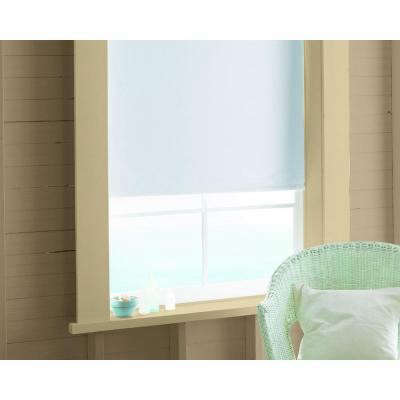
A white light filtering vinyl roller shade is a window covering made from vinyl or vinyl-coated material that rolls up and down around a tube. Unlike blackout shades, which are designed to block nearly all light, light filtering roller shades allow natural light to pass through while diffusing harsh rays. The result is a softer, more comfortable glow that brightens a room without making it feel exposed.
The “white” part matters, too. White shades reflect a clean, minimal look from the inside and often appear crisp from the exterior. They pair well with modern, farmhouse, coastal, Scandinavian, traditional, and rental-friendly interiors. If your room already has bold colors, patterned rugs, or furniture with a personality louder than a group chat at midnight, white roller shades help calm everything down.
How Light Filtering Differs From Blackout and Room Darkening
Light filtering shades are designed for brightness and privacy, not total darkness. They soften daylight and reduce glare, but silhouettes may still be visible at night when indoor lights are on. Room darkening shades block more light, while blackout shades are best for bedrooms, nurseries, media rooms, and anyone who believes morning sunshine is a personal betrayal.
For kitchens, living rooms, bathrooms, offices, laundry rooms, and dining spaces, light filtering vinyl roller shades often strike the best balance. They let you enjoy daylight while reducing the fishbowl effect that comes with uncovered windows.
Why Vinyl Works Well for Roller Shades
Vinyl is popular because it is durable, moisture-resistant, budget-friendly, and easy to wipe clean. That makes it especially useful in high-humidity or high-traffic areas where fabric shades might stain, wrinkle, or hold odors. A vinyl roller shade can handle real life: steamy bathrooms, splattering kitchen sinks, dusty laundry rooms, sticky fingers, and the occasional mystery smudge that nobody in the house claims responsibility for.
Many vinyl roller shades are also cut-to-size or available in common window dimensions. This makes them accessible for homeowners who want a custom-looking window treatment without ordering fully custom shades. Cordless versions are now widely available, which improves safety and gives the shade a cleaner appearance.
Main Benefits of White Light Filtering Vinyl Roller Shades
1. Soft Natural Light Without Harsh Glare
The biggest advantage is light control. A white light filtering vinyl roller shade allows sunlight to enter the room, but it spreads that light more evenly. Instead of a sharp beam landing directly on your face, television, desk, or houseplant that already thinks it is the main character, the shade creates a gentler brightness.
This is especially helpful in home offices. Glare on computer screens can cause eye strain and make video calls look dramatic for all the wrong reasons. Lowering a light filtering shade can make the room usable without switching on every lamp in the house.
2. Daytime Privacy
During the day, light filtering vinyl shades can improve privacy by obscuring the view from outside while still letting daylight in. This is ideal for street-facing windows, apartments, townhomes, and rooms close to neighbors. You get the psychological comfort of not feeling watched while still keeping the space bright and open.
At night, however, privacy depends on lighting. If the room is brightly lit and it is dark outside, shapes may be visible through some light filtering materials. For bedrooms and bathrooms, consider layering the shade with curtains or choosing a room darkening option if privacy is your top priority.
3. Clean Minimal Style
White roller shades are visually quiet. That is a compliment. In interior design, not everything needs to shout. A white vinyl roller shade blends into trim, walls, and window frames, creating a tidy look that does not compete with furniture or artwork. It can make a small room feel less cluttered because it avoids the bulk of heavy drapes or layered blinds.
This is one reason roller shades are popular in modern apartments and renovated homes. They provide function without taking over the design. When raised, they disappear neatly at the top of the window. When lowered, they create a smooth, simple panel.
4. Easy Cleaning and Maintenance
Vinyl is low-maintenance. Most dust and light dirt can be removed with a microfiber cloth, vacuum brush attachment, or lightly damp sponge. For kitchen or bathroom shades, a mild soap-and-water solution usually handles splashes or residue. Always avoid harsh abrasives, because scratching a vinyl shade is not exactly the “textured finish” anyone was hoping for.
Compared with fabric window treatments, vinyl roller shades are less likely to trap dust, pet hair, and odors. That makes them a practical choice for households with pets, kids, allergies, or a deep personal commitment to not spending weekends hand-washing curtains.
5. Budget-Friendly Home Upgrade
White light filtering vinyl roller shades are often more affordable than wood blinds, custom Roman shades, shutters, or layered drapery systems. They are widely available at major home improvement stores and online retailers, and many include mounting hardware. For anyone refreshing multiple windows on a budget, this matters.
A simple roller shade can make a room look finished almost immediately. Fresh paint, clean floors, and properly fitted shades can do more for a room than a cart full of decorative objects. Yes, even that tiny sculptural bird you bought because it “felt architectural.”
Best Rooms for White Light Filtering Vinyl Roller Shades
Kitchen
Kitchens benefit from durable, wipeable surfaces. A vinyl roller shade can handle humidity, cooking splatter, and daily use better than many fabric treatments. White also keeps the kitchen feeling bright and sanitary, which is useful when your countertop is temporarily hosting three appliances, a grocery bag, and one lonely onion.
Bathroom
Because vinyl resists moisture better than many natural materials, it works well in bathrooms. A light filtering shade can provide daytime privacy while still allowing the room to feel airy. For bathrooms facing neighbors or streets, choose a thicker material or pair the shade with privacy film for extra coverage.
Home Office
For a home office, the goal is glare reduction without turning the room into a cave. A white light filtering roller shade helps control brightness during work hours while maintaining a professional background for video calls. It is the window treatment equivalent of saying, “I am productive, but I still enjoy sunlight like a normal human.”
Living Room
In living rooms, light filtering roller shades create a soft, comfortable atmosphere. They reduce glare on televisions and protect furniture from constant direct sun exposure. While they are not a complete UV-blocking solution like specialized solar shades, they can still reduce direct light and help preserve the look of upholstery, rugs, and wood finishes.
Laundry Room, Basement, and Utility Areas
Utility spaces need practical solutions. Vinyl roller shades are simple, affordable, and easy to clean, making them a good match for laundry rooms, mudrooms, storage spaces, and basement windows. They provide privacy without wasting design budget in areas where the washing machine is already the most expensive piece of furniture.
Inside Mount vs. Outside Mount
Choosing the right mount affects how the shade looks and performs. An inside mount fits within the window frame. It creates a clean, built-in appearance and works well when the window frame is deep enough and square. An outside mount attaches above or around the window frame, covering more area and often improving privacy and light control.
If your window is slightly uneven, shallow, or has trim that makes inside mounting awkward, outside mount may be the smarter choice. Outside mount also helps reduce gaps along the sides, which can be useful for rooms where privacy matters.
Measuring Tips
Measure the actual window opening, not an old blind or shade. For inside mount, measure the width at the top, middle, and bottom of the frame, then use the narrowest measurement. For height, measure from the top inside edge to the sill. For outside mount, measure the area you want the shade to cover and add extra width on both sides when possible.
Measure twice. Order once. Celebrate quietly. Few things humble a confident DIY shopper faster than a shade that is half an inch too narrow and suddenly looks like it borrowed clothes from a younger sibling.
Cordless Roller Shades: Why They Are Popular
Many modern white vinyl roller shades use cordless lift systems. Instead of a dangling cord, you raise or lower the shade by gently pulling the bottom rail. This creates a cleaner look and avoids cord tangles. Cordless designs are also preferred in homes with children and pets because they remove the hazard of looped pull cords.
When shopping, check whether the shade uses a spring roller, cordless clutch, or another lift mechanism. A good roller shade should move smoothly, stop where you want it, and roll evenly. If it snaps up like it has been personally insulted, the tension may need adjustment.
Energy Efficiency and Comfort
Windows can contribute to heat gain in summer and heat loss in winter. While vinyl roller shades are not usually the most insulating window treatment compared with cellular shades, they can still help improve comfort by reducing direct sun exposure and supporting smarter daylight control.
For rooms that overheat in the afternoon, lowering a white light filtering shade can reduce harsh sunlight and make the space feel more comfortable. White materials also tend to reflect light visually, helping rooms remain bright without relying as heavily on artificial lighting during the day.
If maximum insulation is the goal, cellular shades or layered window treatments may perform better. But for everyday brightness, privacy, affordability, and simple maintenance, a white light filtering vinyl roller shade remains a practical middle ground.
Style Ideas: How to Make a Simple Shade Look Better
Pair With Curtains
Layering a roller shade with curtains gives you flexibility. Use the shade during the day for soft light and privacy, then close curtains at night for extra coverage. This combination also makes the window look more designed. The roller shade handles the practical work, while curtains bring texture, color, and that “I thought about this room on purpose” feeling.
Choose a Clean Valance or Fascia
Some roller shades come with a headrail, cassette, or valance that hides the roll at the top. This creates a more polished look, especially in living rooms, offices, and front-facing windows. For a budget shade without a cassette, mounting it neatly and level still makes a major difference.
Keep the Color Palette Simple
White shades look best when they connect to other white elements in the room, such as trim, walls, bedding, counters, or shelving. They do not need to match perfectly, but they should feel intentional. If your room has warm white walls, a stark cool-white shade may stand out more than expected, so compare samples when possible.
Common Mistakes to Avoid
Buying the Wrong Opacity
Light filtering does not mean blackout. If you need darkness for sleep or privacy at night, choose room darkening or blackout instead. For shared living areas, light filtering is usually enough. For bedrooms, be honest about your relationship with sunrise.
Ignoring Window Depth
Inside mount shades require enough depth for brackets and the roller tube. If the frame is too shallow, the shade may stick out or fail to install properly. Always check product specifications before buying.
Forgetting About Side Gaps
Roller shades often have small gaps on the sides because of brackets and the roller mechanism. Outside mount installation can reduce this issue. If light gaps bother you, especially in bedrooms, a blackout shade with side channels or curtains may be a better choice.
Using Harsh Cleaners
Vinyl is durable, but it is not invincible. Avoid bleach, abrasive scrubbers, and strong solvents unless the manufacturer specifically allows them. Mild soap, water, and a soft cloth are usually enough.
Shopping Checklist for a White Light Filtering Vinyl Roller Shade
Before buying, look for the correct size, mounting type, lift style, opacity, material thickness, included hardware, and cleaning instructions. Confirm whether the shade can be cut to size and whether the actual width differs from the listed width. Many window treatments have actual dimensions slightly smaller than the common size to allow clearance.
Also read customer reviews carefully. Look for comments about ease of installation, rolling smoothness, durability, privacy, and whether the shade lies flat. A low-cost shade can be a great buy, but only if it does not roll crookedly, curl at the edges, or develop the emotional stability of a potato chip in humidity.
Experience Notes: Living With a White Light Filtering Vinyl Roller Shade
After using white light filtering vinyl roller shades in everyday spaces, the first thing you notice is how quickly they change the mood of a room. A bare window can feel unfinished, especially in a rental or newly painted room. Once the shade is installed, the space instantly looks calmer. The white surface visually cleans up the window, and the light becomes softer. It is not dramatic like a remodel, but it is the kind of small improvement you feel every day.
In a kitchen, the biggest benefit is maintenance. Fabric shades near a sink or stove can start looking tired faster than expected. Vinyl is more forgiving. A quick wipe removes dust, water spots, and light grime. If the window is above a sink, a vinyl roller shade feels especially practical because occasional moisture is not a disaster. It is the rare home product that does not panic when life happens.
In a home office, the shade is useful for controlling glare without making the room too dark. During bright afternoons, lowering the shade can make a laptop screen easier to read while still keeping the room cheerful. Compared with closing heavy curtains, a light filtering roller shade feels more balanced. You still know it is daytime, but the sun is no longer conducting a hostile takeover of your workspace.
Installation is usually manageable for a careful beginner, but measuring matters more than enthusiasm. The shade must be level, and the brackets must be placed accurately. A slightly crooked roller shade is noticeable because the bottom edge gives it away every time. The good news is that most basic shades come with simple hardware, and the process is far less intimidating than assembling flat-pack furniture with twelve mystery screws and a diagram that looks like ancient cave art.
The main limitation is nighttime privacy. During the day, the shade can make a street-facing room feel much more comfortable. At night, if indoor lights are on, light filtering material may reveal shapes or movement. For bathrooms, bedrooms, or windows close to sidewalks, layering with curtains or choosing a thicker privacy shade is a smart move. The product does what it promises, but it does not magically become a blackout curtain after sunset.
Another experience-based tip: choose white if you want the room to feel brighter, but keep expectations realistic. White vinyl shades are clean and versatile, yet they can show dust or fingerprints more than darker materials. Fortunately, cleaning is easy. A microfiber cloth once a week keeps them looking fresh. In busy rooms, especially kitchens, a monthly wipe with mild soap and water is worth the tiny effort.
Overall, a white light filtering vinyl roller shade is one of those home upgrades that feels almost too simple to praisebut deserves it anyway. It is affordable, practical, neat-looking, and friendly to many decorating styles. It will not turn your house into a magazine spread by itself, but it will make the room brighter, softer, and more comfortable. Sometimes the best design choices are not loud. Sometimes they just roll down smoothly and make the sunlight behave.
Conclusion
A white light filtering vinyl roller shade is a smart choice for anyone who wants soft daylight, daytime privacy, easy cleaning, and a clean modern look without overspending. It works especially well in kitchens, bathrooms, home offices, laundry rooms, and living areas where complete darkness is not required. The key is choosing the right size, opacity, mounting style, and lift system for your space.
While it is not the most insulating or privacy-heavy window treatment available, it offers excellent everyday value. Think of it as the dependable friend of window coverings: low drama, useful in almost every situation, and always ready to make harsh sunlight a little more polite.