You turn on the air conditioning, expecting cool air and maybe a little relief from the summer heat. Instead, your dashboard vents cough up brown foam like your car just sneezed an old couch cushion. Lovely. If brown foam is coming out of your car’s AC, the good news is that your vehicle is probably not haunted. The not-so-fun news is that something inside the heating, ventilation, and air conditioning systemusually called the HVAC systemis breaking down, collecting moisture, or blowing out debris that does not belong in your breathing zone.
Brown foam from car AC vents usually comes from deteriorating foam seals inside the ductwork, blend doors, or air distribution box. It can also be mixed with dust, mold, mildew, leaf debris, old cabin air filter material, or residue from moisture trapped in the evaporator housing. In rarer cases, brownish gunk combined with a sweet smell, damp carpet, or foggy windows can point to a heater core leak or coolant contamination. In plain English: your car’s AC system is trying to tell you something, and it is using confetti from the underworld.
This guide explains what causes brown foam in car AC vents, how serious it is, what you can check yourself, when to call a mechanic, and how to stop the problem from turning your dashboard into a crumb launcher.
What Is the Brown Foam Coming Out of Car AC Vents?
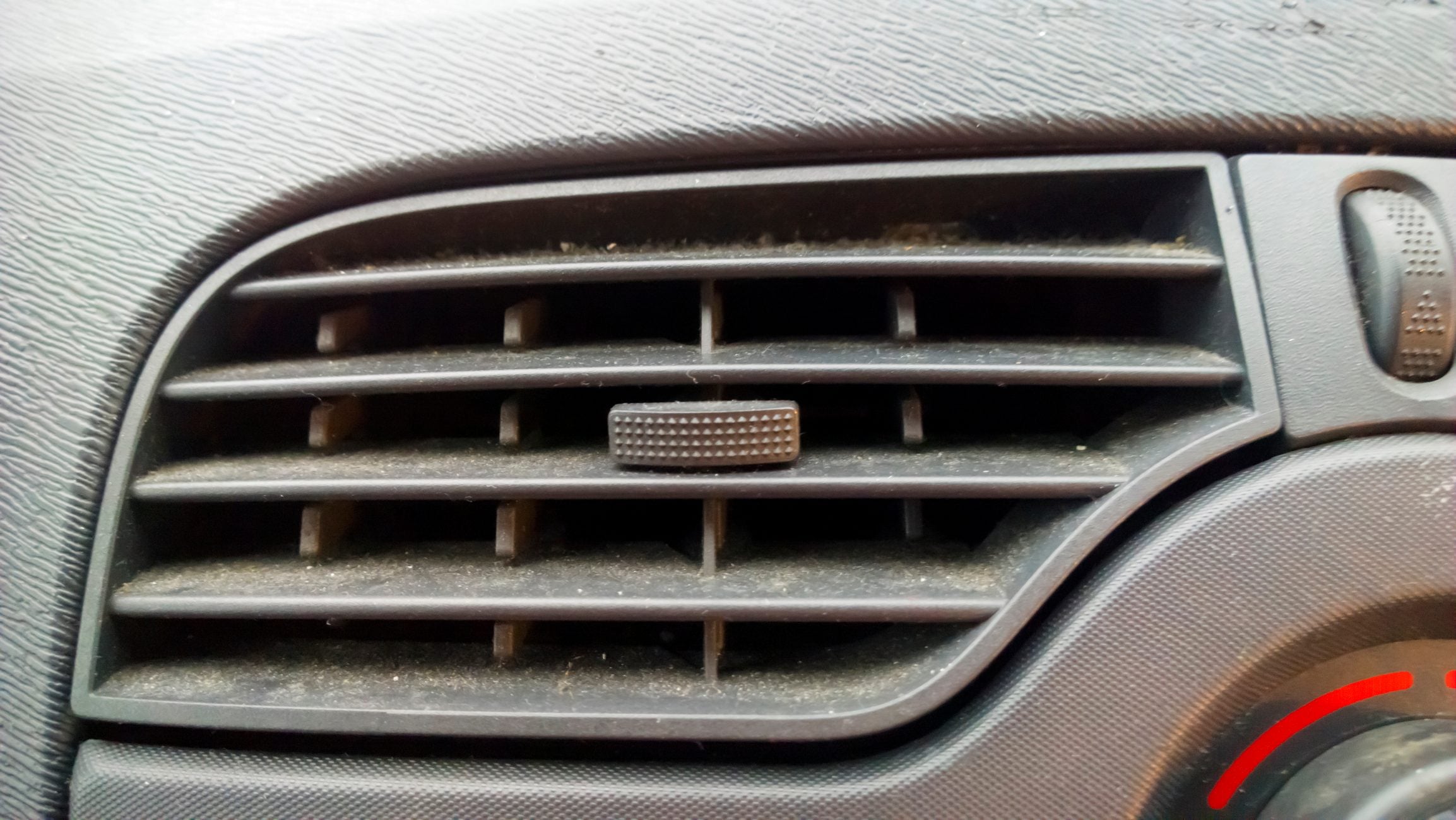
In many cars, the brown foam is not actually “foam” being created by the air conditioner. It is usually old foam insulation, seal material, or gasket material that has dried out, crumbled, and broken loose inside the HVAC box. Automakers use foam on blend doors, mode doors, duct joints, and flaps to help seal airflow. These foam pieces help direct cold air through the right vents, reduce rattles, block unwanted heat, and keep the air system efficient.
Over years of heat, cold, humidity, dust, and vibration, that foam can age like a banana in a gym bag. It becomes brittle, sticky, powdery, or sponge-like. When the blower motor runs, air pressure pushes the loose bits through the vents. Depending on the age of the foam and what it has absorbed, it may look tan, brown, black, gray, or rusty-orange.
The color often comes from age, dust, pollen, road grime, cigarette smoke residue, moisture, or organic debris. If the particles look dry and crumbly, deteriorated HVAC foam is the most likely cause. If it is wet, slimy, sticky, sweet-smelling, or accompanied by water leaking onto the floor, the problem needs a closer look.
Is Brown Foam From the AC Dangerous?
Brown foam from car vents is not always an emergency, but it should not be ignored. If it is simply dried-out foam seal material, your car may still be safe to drive. However, the failing foam can reduce HVAC performance. You may notice weaker airflow, uneven temperatures, poor defrosting, rattling noises, or air coming from the wrong vents.
The bigger concern is what may be mixed with the foam. A damp HVAC box can collect mold, mildew, bacteria, and decaying leaves. A clogged AC drain can allow condensation to pool inside the evaporator housing. A dirty cabin air filter can trap moisture and organic debris. These issues may create musty smells and poor cabin air quality. If you have allergies, asthma, or respiratory sensitivity, breathing air through a contaminated HVAC system is not exactly a spa treatment.
There are also red flags that suggest the brown foam is not just old seal material. A sweet syrup smell may indicate coolant from a leaking heater core. A chemical smell may point to a fluid leak. Damp passenger-side carpet may mean the evaporator drain is clogged or the heater core is leaking. Steam or oily film on the inside of the windshield should be checked quickly because it can affect visibility and engine cooling health.
Common Causes of Brown Foam Coming Out of a Car’s AC
1. Deteriorating Foam Seals Inside the HVAC Box
The most common cause is old foam breaking down on the blend doors or duct flaps. These doors control where air goes and whether it passes through the heater core, evaporator, defroster vents, dash vents, or floor vents. Foam helps the doors seal properly. When the foam disintegrates, the blower motor sends little chunks through the vents.
This issue is especially common in older vehicles, high-mileage vehicles, and cars that sit in extreme heat. Interior temperatures can climb dramatically when a car is parked in the sun, and the HVAC foam lives behind the dashboard where it gets baked, chilled, and blasted with air for years. Eventually, the foam gives up and starts a second career as dashboard dandruff.
2. Crumbling Foam Adhesive or Duct Insulation
Sometimes the foam itself is still partly intact, but the adhesive holding it in place fails. Loose foam strips can peel away from ducts, vents, or doors. When airflow increases, especially on high fan speed, the loose pieces break apart and fly out. If you recently noticed the issue after using the highest blower setting, switching from heat to AC, or changing vent modes, this may be the reason.
3. Dirty or Clogged Cabin Air Filter
The cabin air filter cleans air entering the passenger compartment. It catches dust, pollen, leaves, soot, and other particles before they reach your lungs. When it becomes clogged, airflow drops, moisture lingers, and debris can collect around the filter housing. A neglected filter can become musty, moldy, or physically damaged. In some cases, pieces of old filter media or trapped debris may blow into the cabin.
Many vehicle manufacturers recommend replacing the cabin air filter about once a year or every 12,000 to 15,000 miles, though dusty roads, heavy pollen, wildfire smoke, humid climates, and frequent city driving may require more frequent changes. If your vents smell like a wet sock joined a garage band, start with the cabin air filter.
4. Moisture Buildup in the Evaporator Housing
Your car’s AC removes humidity from the air. That moisture condenses on the evaporator coil and normally drains through a small tube under the vehicle. That is why seeing water drip under a car after using the AC is usually normal. The problem starts when the drain tube clogs with dirt, leaves, algae, or debris.
When water cannot drain, it pools inside the evaporator housing. This creates a damp environment where dust, pollen, foam particles, and organic matter can mix into brownish sludge. The blower motor may then push odor, mist, or small particles through the vents. You may also hear sloshing behind the dashboard or notice wet carpet on the passenger side.
5. Mold, Mildew, and Organic Debris
Leaves, pine needles, pollen, and dust can enter through the fresh-air intake near the base of the windshield. If that debris reaches the HVAC box, it can decay. Add condensation, warm weather, and poor airflow, and you have a tiny swamp behind the dashboard. Not a charming swamp with frogs and fairy lights. More like a musty, brown, sneeze-powered swamp.
Mold and mildew usually cause odor before they cause visible foam. If your AC smells musty when first turned on, then improves after a few minutes, moisture on the evaporator may be the culprit. If the smell is constant, stronger with recirculation mode, or paired with visible debris, the system likely needs cleaning.
6. Heater Core Leak or Coolant Contamination
A heater core is a small radiator inside the dashboard that uses hot engine coolant to warm the cabin. If it leaks, coolant can enter the HVAC box. This may create a sweet smell, greasy film, foggy windows, damp carpet, and sometimes sticky residue from the vents. The material may appear brown, rusty, or muddy if coolant mixes with dust and old foam.
This is more serious than simple foam deterioration. Low coolant can cause engine overheating, and coolant vapor is not something you want circulating through the cabin. If you smell maple syrup, see oily windshield film, or keep losing coolant, stop blaming the AC and have the cooling system inspected.
How to Diagnose Brown Foam From Your Car AC
Step 1: Look at the Texture
Dry, crumbly, lightweight pieces usually point to deteriorating HVAC foam. Sponge-like pieces may also be old blend door foam. Wet, slimy, sticky, or oily material suggests moisture, mold, or fluid contamination. If the foam smears like old adhesive, it may be deteriorated foam mixed with grime.
Step 2: Smell the Air
A musty odor points to mildew, a wet evaporator, or a dirty cabin filter. A sour vinegar-like smell often comes from bacteria and moisture in the AC system. A sweet smell suggests coolant. A burning smell can indicate electrical trouble or overheated components and deserves quick attention.
Step 3: Check the Cabin Air Filter
On many vehicles, the cabin filter is behind the glove box, under the dashboard, or near the cowl under the hood. Remove it carefully and inspect it. If it is dark, clogged, damp, moldy, torn, or packed with leaves, replace it. Pay attention to the airflow direction arrow when installing the new filter. Installing it backward is not the end of the world, but it is also not your proudest engineering moment.
Step 4: Watch for Water Under the Car
After running the AC for several minutes on a warm humid day, look under the vehicle near the passenger side firewall area. A steady drip of clear water usually means the condensate drain is working. No drip, combined with musty smell or wet carpet, may mean the AC drain is clogged.
Step 5: Check the Floor and Windshield
Feel the passenger-side carpet. If it is damp after AC use, suspect a clogged drain or leaking heater core. If the inside of the windshield develops a greasy film or fogs unusually, check coolant level when the engine is completely cold and ask a mechanic to pressure-test the cooling system.
Can You Fix Brown Foam From Car AC Yourself?
Some fixes are DIY-friendly. Others require dashboard disassembly, which is where optimism goes to file a complaint.
DIY Fixes Worth Trying First
Start by replacing the cabin air filter. It is inexpensive, often accessible, and can improve airflow and odor. Next, clean the cowl area at the base of the windshield. Remove leaves and debris so they do not get pulled into the fresh-air intake. Then run the blower on different speeds and vent modes to see when the foam appears. If the foam only comes out briefly and then stops, old seal material may already be clearing itself out.
You can also use an automotive AC evaporator cleaner or HVAC disinfectant designed for cars. Follow the product directions exactly. These products can help reduce odor-causing bacteria and mildew, but they will not magically replace missing blend door foam. Spraying random household cleaners into vents is not recommended. Your dashboard is not a kitchen sink, even if it currently smells like one.
When a Mechanic Is the Better Choice
See a professional if the foam keeps returning, airflow becomes weak, the temperature is hard to control, the defroster performs poorly, the carpet is wet, or you smell coolant. A technician can inspect the HVAC drain, blower motor, cabin filter housing, evaporator case, and heater core. They may use compressed air or specialized tools to clear the drain tube. They can also test for coolant leaks and verify whether the blend doors are sealing correctly.
Replacing foam on blend doors often requires removing part or all of the dashboard and opening the HVAC case. The foam itself may be cheap, but the labor can be significant. This is why some owners choose to live with occasional foam bits if the AC still works well. However, if the missing foam causes poor heat, poor cooling, or bad defrosting, repair becomes more important.
How Much Does It Cost to Fix?
The cost depends on the cause. A cabin air filter replacement may cost very little if you do it yourself. An AC drain cleaning is usually a modest repair unless access is difficult. An evaporator cleaning or odor treatment may cost more but is still usually manageable. A heater core replacement or HVAC box repair can be expensive because it often involves dashboard removal.
Here is the practical way to think about it: if the fix involves opening the glove box, your wallet may remain calm. If the fix involves removing the dashboard, your wallet may stare silently out the window for a while.
How to Prevent Brown Foam and Funky AC Problems
Replace the cabin air filter regularly. Keep the windshield cowl clean. Avoid letting leaves pile up near the fresh-air intake. Run the fan without AC for a few minutes before parking, especially in humid weather, to help dry the evaporator. Use fresh-air mode occasionally instead of recirculation all the time. If you notice water on the passenger floor, deal with it quickly before mold moves in and starts paying rent.
Also, run your AC periodically even in cooler months. This helps keep seals lubricated and the system active. During routine service, ask the shop to check cabin filter condition, AC drain operation, and HVAC odor if you have noticed mustiness.
When Brown Foam Means “Stop Driving and Check It”
Most dry foam particles are not an immediate driving emergency. But you should act quickly if any of these symptoms appear: sweet smell from vents, coolant loss, engine overheating, steam from vents, greasy windshield film, wet carpet, electrical burning smell, weak defrosting, or visible mold. These signs can affect safety, visibility, engine health, and cabin air quality.
If you are unsure whether the foam is dry seal material or contaminated residue, collect a small sample on a paper towel. Do not inhale it, smear it around, or perform a dramatic sniff test like a detective in a car commercial. Note the smell, texture, and when it appears. That information helps a mechanic diagnose the issue faster.
Real-World Experiences With Brown Foam Coming Out of Car AC
Many drivers first notice this problem during a heat wave. The car has been sitting in the sun all afternoon, the cabin feels like a toaster oven, and the first instinct is to crank the AC to maximum. The blower roars, the vents open, and suddenly tiny brown flakes shoot across the dashboard. At first it looks like dust. Then more pieces appear. Some land on the seats. Some stick to the vent louvers. One brave little chunk lands in the cup holder like it owns the place.
In older vehicles, especially trucks, SUVs, and sedans that have spent years in hot climates, the cause is often aging blend door foam. A driver may notice that the AC still blows cold, but temperature control feels less precise. For example, the driver sets the system to cold, yet a little warm air sneaks through. Or the defroster works, but not as strongly as it used to. This happens because missing foam allows air to leak around the doors instead of being directed cleanly through the intended path.
Another common experience involves odor before foam. A car owner turns on the AC and smells mildew for the first minute, then the smell fades. Weeks later, brown specks appear. When the cabin filter is removed, it looks like it filtered an entire forest. Leaves, pollen, dirt, and moisture have been sitting in the system. Replacing the cabin filter and cleaning the intake area may improve the smell immediately, but if the evaporator housing is already dirty, an AC cleaning treatment may still be needed.
Some drivers describe the foam as greasy or sticky. That can be old foam adhesive breaking down, but it can also be a warning sign if paired with a sweet smell or foggy glass. One owner might think, “It is just old foam,” while also ignoring coolant loss. That is risky. A leaking heater core can put coolant vapor into the HVAC system, and coolant residue can mix with dust and foam to create brownish sticky debris. The clue is usually the smell: sweet, syrupy, or chemical rather than dusty or musty.
A practical example: imagine a 15-year-old SUV with weak airflow and brown flakes from the center vents. The owner replaces the cabin air filter and finds it packed with leaves. Airflow improves, but foam still appears when switching from floor mode to dash vents. That points toward deteriorating mode-door or blend-door foam. If the AC cools well and defrosting is acceptable, the owner may choose to monitor it. If winter arrives and the defroster barely clears the windshield, the repair becomes more urgent.
Another example: a commuter car has brown damp residue from the vents, wet passenger carpet, and a sloshing sound behind the dash. That is different. The likely cause is a clogged evaporator drain. Clearing the drain may release a surprising amount of water. Afterward, the carpet needs to be dried thoroughly, the cabin filter replaced, and the HVAC box cleaned to prevent mold. Ignoring it can lead to odors, corrosion, and unhappy passengers who begin rating your car one star.
The lesson from these experiences is simple: brown foam is a symptom, not a diagnosis. Dry crumbs usually mean old HVAC foam. Wet gunk means moisture. Sweet smell means check coolant. Musty smell means clean the air path. Weak airflow means inspect the filter and blower system. Poor temperature control means look at blend doors. Your car is giving clues; it is just doing so in the least elegant way possible.
Conclusion
Brown foam coming out of your car’s AC is usually caused by deteriorating foam seals inside the HVAC system, especially on blend doors, mode doors, duct joints, or air flaps. In many cases, it is annoying but not immediately dangerous. Still, it can reduce airflow, weaken temperature control, and signal that the HVAC system needs attention.
Start with the simple checks: inspect the cabin air filter, clean the windshield cowl, look for water under the car after AC use, and pay attention to smells. Dry foam points toward aging seal material. Musty odor points toward moisture, mold, or a clogged drain. Sweet odor, foggy windows, coolant loss, or wet carpet deserves professional inspection. A little dashboard confetti may be harmless; coolant mist and moldy air are not.
Note: This article is for educational purposes. If your vehicle has coolant loss, overheating, electrical smells, visible mold, or poor defrosting, have it inspected by a qualified automotive technician.