Note: This is a Parisian-inspired guide for home florists. It is not about copying one “correct” French formula; it is about creating flowers that feel relaxed, elegant, seasonal, and wonderfully alive.
Parisian flower arranging has a particular kind of confidence. It does not shout from across the room, “Look how many expensive roses I bought!” Instead, it leans casually in a beautiful vase, lets one tulip bend exactly as it pleases, and somehow makes a kitchen table feel like it has excellent taste in jazz.
The secret behind Flower Arranging a la Parisienne is not perfection. It is restraint, movement, seasonality, and a willingness to let flowers behave like flowers. A Parisian-inspired arrangement can be lush, but it is rarely stiff. It can be colorful, but it usually avoids turning into a botanical traffic jam. The overall effect is artful without looking overworkedthe floral equivalent of messy hair that mysteriously took forty-five minutes to achieve.
This guide breaks down how to create that French floral design feeling at home. You will learn how to choose flowers, build an arrangement with natural movement, select a vase, use color with confidence, and keep your blooms looking fresh long enough for someone to ask where you bought them.
What Makes Parisian Flower Arranging Different?
Parisian floral style is often associated with a loose, garden-inspired look. Rather than creating a tightly packed dome of identical flowers, the arrangement celebrates contrast: a full garden rose beside a delicate ranunculus, a winding branch next to a neat cluster of sweet peas, or a single dramatic stem that seems to have wandered into the vase late and decided to stay.
The best Parisian-inspired floral arrangements usually share a few characteristics:
- Seasonal flowers with visible personality
- Airy spacing instead of dense packing
- Different flower heights and stem directions
- Soft color relationships rather than rigid matching
- Elegant vessels that complement the flowers instead of competing with them
- Natural movement, including a few stems that are allowed to lean, curve, or drift
Think of the arrangement as a small still-life painting rather than a bouquet trying to win a bodybuilding contest. The goal is rhythm and mood. Not every bloom needs to face forward like it is posing for a school photo.
Start with Seasonal Flowers, Not a Shopping List from Outer Space
One of the easiest ways to make a flower arrangement feel more French is to choose flowers that look like they belong together because they are in season together. Parisian flower arranging often feels spontaneous because the ingredients appear freshly gathered from a market, a garden, or an unusually stylish neighborhood walk.
Spring Flowers for a Parisian Arrangement
Spring is practically made for this style. Tulips, ranunculus, hellebores, lilac, sweet peas, narcissus, anemones, muscari, and flowering branches all bring softness and movement. A few stems of tulips can carry an entire arrangement because tulips continue to move in water. They are little floral troublemakers, and that is part of their charm.
Try pairing pale yellow tulips with purple anemones, delicate greens, and a few branches of flowering quince. The result should feel like a window box had a very glamorous day.
Summer Flowers for Loose Garden Style
Summer is the season for dahlias, cosmos, zinnias, garden roses, scabiosa, Queen Anne’s lace, basil flowers, and fragrant herbs. A French floral design does not need every bloom to be rare or expensive. Cosmos and zinnias from a cutting garden can look remarkably chic when they are arranged with intention.
Use one or two larger focal flowers, then add airy fillers and greenery. A café au lait dahlia, for example, can become the star of the arrangement, while cosmos and ammi soften the edges. The dahlia gets the spotlight; the supporting flowers get to be delightfully mysterious.
Autumn and Winter Flowers with French Flair
Autumn arrangements can include dahlias, chrysanthemums, rose hips, dried seed heads, viburnum berries, grasses, branches, and foliage in deep green, russet, plum, or smoky bronze. Winter calls for hellebores, paperwhites, amaryllis, evergreen sprigs, flowering branches, and unusual seed pods.
The Parisian approach to colder seasons is not necessarily “more decorations.” Instead, use fewer ingredients with stronger shapes. A dramatic branch, several hellebores, and a handful of dark foliage can say more than twelve pounds of glitter-covered pinecones ever could.
Choose a Vase Before You Cut a Single Stem
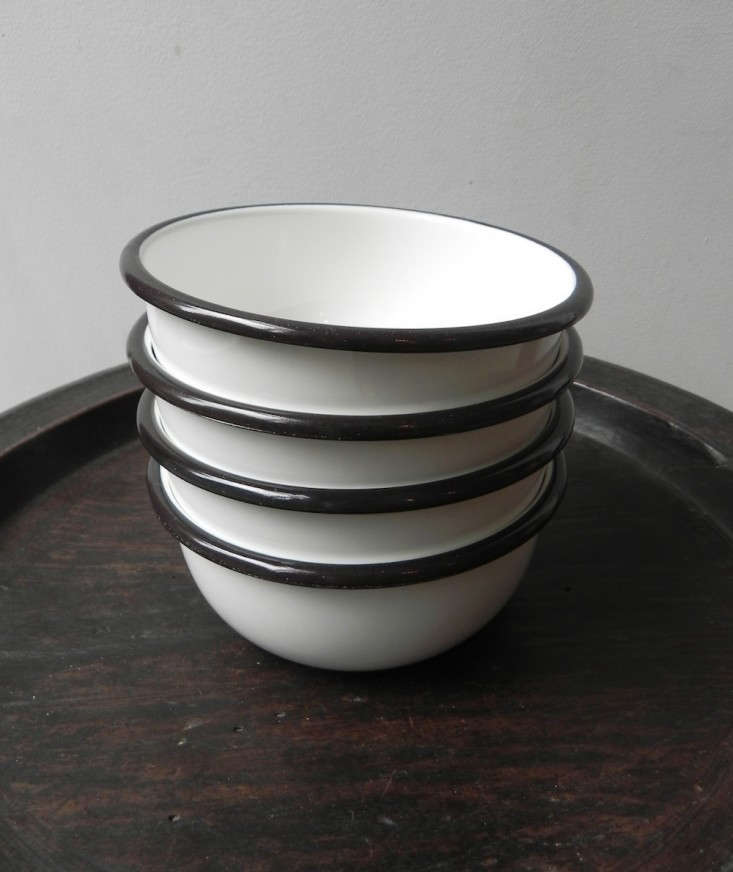
A beautiful flower arrangement begins with the vessel. Parisian homes often make flowers look effortless because the vase does not fight for attention. A simple ceramic pitcher, weathered urn, clear glass compote, narrow-necked bottle, footed bowl, or vintage-style vessel can all work beautifully.
For an airy French floral arrangement, choose a vase that provides support but still gives stems room to move. A narrow opening works well for a sparse, upright arrangement. A wider vessel is better when you want branches, garden roses, or loose flowers to spread outward.
Useful Vase Shapes for Parisian Flower Arranging
- Low bowl: Ideal for intimate dining tables, coffee tables, and garden-style centerpieces.
- Footed compote: Excellent for a slightly formal but still relaxed arrangement.
- Small ceramic pitcher: Perfect for casual seasonal flowers and herbs.
- Bud vase collection: Great for small blooms, short stems, and the “I only bought three flowers but still look sophisticated” approach.
- Tall glass vase: Best for branches, tulips, snapdragons, delphinium, or other flowers with vertical drama.
Before arranging, clean the vase thoroughly. Fresh water and a clean vessel matter more than most people realize. Flowers are not especially demanding roommates, but they do prefer not to live in murky water with yesterday’s bacteria.
Build the Arrangement Like a Small Landscape
The best way to approach Parisian flower arranging is to stop thinking in terms of “centerpiece” and start thinking in terms of “landscape.” You are creating a miniature scene with height, depth, shape, texture, and breathing room.
Step 1: Create a Supportive Base
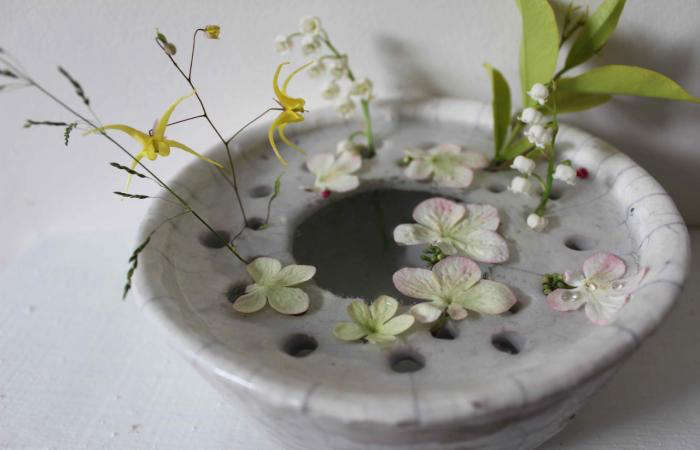
For a wide vase, create a grid across the opening with clear floral tape. You can also use a reusable flower frog or a loose ball of chicken wire placed inside the vessel. These mechanics help hold stems in place without forcing them into a stiff, overly controlled formation.
Add a few strong stems, branches, or foliage pieces first. These create the framework. Olive branches, viburnum, eucalyptus, jasmine vine, foliage from camellias, or even a few sturdy herb stems can establish the outline.
Step 2: Add the Main Flowers
Choose two to five focal blooms, depending on the size of the vase. These are usually the flowers with the largest heads or strongest visual presence: garden roses, peonies, dahlias, ranunculus, hydrangeas, tulips, or large chrysanthemums.
Place them at different heights. Avoid putting every large flower at the same level, unless you are deliberately aiming for a floral haircut. One bloom can sit low and forward, another can float near the top, and a third can lean gently to one side.
Step 3: Add Secondary Flowers and Texture
Secondary flowers connect the focal blooms and make the arrangement feel layered. Lisianthus, spray roses, scabiosa, sweet peas, stock, asters, dianthus, and chamomile are excellent choices. These are the flowers that make the arrangement feel generous without making it heavy.
Add textural elements near the end. Airy flowers such as Queen Anne’s lace, ammi, astilbe, cosmos, grasses, and delicate branches help soften the outline. Let a few stems extend beyond the main shape. That slight irregularity is where the arrangement begins to feel alive.
Step 4: Leave Empty Space on Purpose
This is the part many beginners find difficult. When there is an empty spot, the instinct is to fill it. Resist. Parisian floral style needs negative space. The tiny gaps between stems allow each flower to be seen and give the arrangement movement.
In floral design, empty space is not an unfinished mistake. It is the pause between notes in music. It is also the reason your arrangement looks elegant instead of like it swallowed the entire flower market.
Use Color Like a Parisian: Thoughtful, Not Timid
French floral design often uses color in a soft, painterly way. Instead of choosing every shade in the rainbow, build around one dominant color family and add contrast with small accents.
For example, a blush-and-burgundy arrangement can include dusty pink roses, deep plum scabiosa, wine-colored tulips, muted green foliage, and a few black-centered anemones. A yellow-and-blue design can pair butter-yellow ranunculus with pale blue delphinium, white sweet peas, and gray-green foliage.
Easy Parisian-Inspired Color Palettes
- Soft Romantic: blush, cream, dusty rose, pale peach, muted green
- French Market: butter yellow, lavender, blue, white, fresh green
- Moody Bistro: burgundy, plum, rust, chocolate brown, olive green
- Fresh Linen: white, ivory, pale green, soft blue, silver foliage
- Unexpected Chic: coral, tomato red, soft pink, chartreuse, deep green
Do not be afraid of contrast. A bright pop of color can make an arrangement feel modern and personal. The trick is to repeat that accent once or twice so it feels intentional. One orange flower can look accidental; three orange flowers look like a decision.
Flowers That Work Beautifully in Parisian-Inspired Designs
You do not need every flower on this list. In fact, please do not buy every flower on this list at once. Choose a few categories and let them work together.
- Focal flowers: peonies, dahlias, garden roses, hydrangeas, ranunculus, anemones
- Secondary flowers: lisianthus, spray roses, tulips, scabiosa, stock, asters
- Airy flowers: cosmos, sweet peas, ammi, Queen Anne’s lace, astilbe, chamomile
- Line flowers: snapdragons, delphinium, foxglove, flowering branches, grasses
- Foliage and herbs: jasmine vine, olive branches, mint, basil, rosemary, eucalyptus, camellia leaves
Herbs deserve special attention. A little rosemary, mint, basil, thyme, or flowering oregano can add fragrance and texture while making the arrangement feel casually gathered. It is also a clever way to make your flowers smell like a tiny French garden instead of a department-store candle aisle.
How to Make Flowers Last Longer
Even the most beautiful French floral arrangement loses some of its charm when the water starts looking like iced tea from a haunted diner. Good flower care helps your arrangement stay fresh and photogenic.
Simple Cut-Flower Care Rules
- Use a clean vase filled with fresh water.
- Trim stems with clean, sharp floral shears or scissors before arranging.
- Remove leaves that would sit below the waterline.
- Allow flowers to hydrate in water before creating the final arrangement.
- Keep flowers away from direct sun, heat vents, and ripening fruit.
- Change the water regularly and recut stems when needed.
- Remove fading blooms so the remaining flowers stay attractive.
Different flowers have different personalities. Tulips keep growing and bending. Hydrangeas can be dramatic about water. Dahlias prefer to be cut when they are open or nearly open. Garden roses often reward patience as they relax into their full shape. Learn a few favorites well, and your arrangements will improve quickly.
Three Parisian Flower Arrangement Ideas to Try at Home
1. The Saturday Market Bouquet
Use a simple ceramic pitcher and fill it with tulips, ranunculus, a few sprigs of mint, airy foliage, and one flowering branch. Keep the colors in the same family, such as yellow, cream, and green. Let the stems lean naturally. This arrangement works beautifully on a kitchen table or bedside table.
2. The Bistro Table Centerpiece
Choose a low, wide bowl and use garden roses, scabiosa, chamomile, and delicate greenery. Keep the height low enough for people to see over it during dinner. Add one or two trailing stems to soften the edges. The result should look charming, not like it is trying to negotiate a peace treaty across the table.
3. The Moody Apartment Arrangement
Use a dark ceramic vase with burgundy dahlias, plum scabiosa, deep red roses, olive branches, and dark foliage. Add a few wispy grasses or seed heads. This style feels dramatic without being fussy and works especially well in fall or winter.
Common Mistakes That Make an Arrangement Look Too Stiff
The good news is that floral mistakes are rarely permanent. You can remove a stem, trim another one, add more space, and suddenly the arrangement begins to breathe again.
- Using flowers that are all the same height
- Stuffing every visible gap with filler
- Choosing a vase that is too large for the number of stems
- Using too many unrelated colors without a clear visual thread
- Making both sides identical when the design would benefit from asymmetry
- Forgetting foliage, branches, or airy elements
- Leaving leaves underwater and shortening the flowers’ vase life
Remember that an arrangement can be asymmetrical without being unbalanced. One side may have a taller branch, while the other side has a slightly heavier focal bloom. Your eye should travel around the arrangement instead of getting stuck in one place.
Parisian Flower Arranging: Experiences That Teach the Most
The most useful experiences with Flower Arranging a la Parisienne usually happen when you stop trying to impress anyone. The first time you bring home a bundle of supermarket tulips, a few inexpensive carnations, and some herbs from the kitchen, you may expect very little. Then you remove the plastic sleeve, separate the flowers by type, trim the stems, and suddenly realize that the problem was never the flowers. The problem was that they had been standing in a crowded bouquet like commuters on a Monday morning.
One of the best lessons comes from arranging fewer flowers than you think you need. Imagine placing five tulips in a narrow glass vase. At first, it may look almost too simple. Then one tulip bends toward the window, another stays upright, and a third arches slightly over the rim. By the next day, the stems have shifted again. Instead of looking unfinished, the arrangement begins to feel like it has a life of its own. That is a very Parisian lesson: beauty does not always arrive fully organized.
Another memorable experience is working with flowers that are not traditionally considered glamorous. A grocery-store bunch of carnations can look unexpectedly elegant when paired with a few branches, a handful of greenery, and a sculptural vase. Cosmos from a backyard garden can feel more expensive than a dozen formal roses when their airy stems are allowed to dance. Even a few herbs can completely change the mood. Basil, mint, rosemary, and flowering oregano add fragrance, texture, and the gentle suggestion that you may also know how to make an excellent dinner.
There is also something satisfying about learning not to panic when an arrangement looks awkward halfway through. Almost every floral design has an ugly middle stage. You add the first branches, and it resembles a small bird nest. You add the focal flowers, and suddenly it looks like the bird nest is hosting an awards show. Then you add a few delicate stems, step back, remove one overly enthusiastic bloom, and the whole thing begins to make sense.
Arranging flowers at home also changes how you notice the seasons. In spring, you start looking for tulips, flowering branches, and fragrant lilac. In summer, you become aware of dahlias, cosmos, herbs, and the wild architecture of weeds. In autumn, you may find yourself admiring seed heads, berries, and branches with leaves that have started to curl at the edges. Winter teaches you that a few paperwhites or hellebores can be more moving than a massive bouquet.
The experience that matters most is learning to trust your eye. Maybe your arrangement needs one more branch. Maybe it needs less greenery. Maybe that crooked stem is exactly the thing making it interesting. Parisian floral style is less about following rigid rules and more about recognizing when an arrangement feels balanced, generous, and a little unexpected. Once you start seeing flowers this way, even a simple jar of garden clippings can feel like a small daily luxury.
Conclusion: Let the Flowers Be Slightly Wild
Flower Arranging a la Parisienne is about creating beauty that feels natural rather than manufactured. Use seasonal flowers, choose a vessel with character, vary heights and textures, and leave room for air between stems. Let one branch wander. Let a tulip bend. Let the arrangement look as though it became beautiful while you were busy doing something more interesting.
The most elegant Parisian-inspired floral arrangements are not necessarily the biggest or most expensive. They are the ones with a clear point of view. A few beautiful stems, thoughtfully placed, can transform a room, brighten a meal, and make an ordinary Tuesday feel slightly more cinematic.