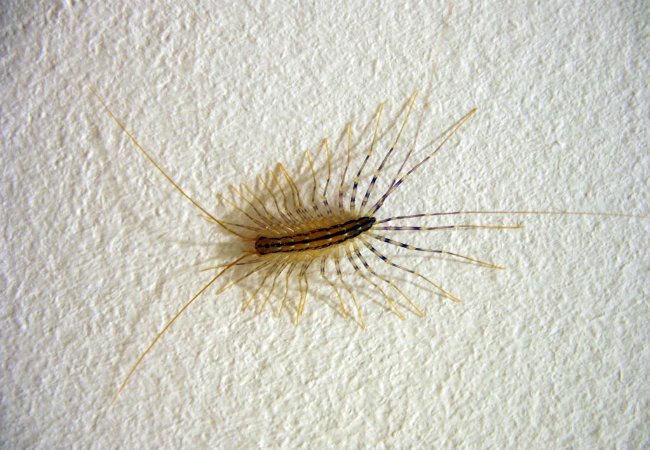
Few household surprises produce Olympic-level jumping quite like a centipede sprinting across the bathroom floor. One moment, you are peacefully brushing your teeth. The next, a tiny creature wearing what appears to be an entire shoe store is racing toward the baseboard.
The good news is that most centipedes found in American homes are nuisance predators rather than destructive invaders. They do not eat wood, clothing, furniture, or stored food. In fact, house centipedes hunt spiders, silverfish, cockroaches, flies, and other small arthropods. That does not mean you must happily give one a bedroom and add its name to the utility bill. It simply means that effective centipede control is less about declaring chemical warfare and more about understanding why they are inside.
This guide explains how to get rid of centipedes immediately, eliminate the conditions attracting them, prevent future invasions, and decide when professional pest control is justified.
Note: The most effective approach combines moisture control, sanitation, exclusion, monitoring, and carefully targeted treatments when necessary. Spraying every surface may feel dramatic, but drama is not the same thing as pest management.
First, Make Sure It Is a Centipede
Centipedes and millipedes are often confused, possibly because nobody wants to stand close enough to count the legs. Fortunately, you do not need to perform a detailed census.
What a centipede looks like
Centipedes have flattened, segmented bodies with one pair of legs per body segment. Their legs extend outward from the sides, and they usually move quickly. House centipedes are especially recognizable because they have extremely long, delicate legs, banded coloring, long antennae, and a grayish or yellowish body with darker stripes.
What a millipede looks like
Millipedes generally have rounder, tube-shaped bodies, shorter legs, and two pairs of legs on most body segments. They move slowly and often curl into a coil when disturbed. Millipedes primarily feed on decaying plant material, while centipedes are hunters.
Correct identification matters because the two creatures have different habits. A fast-moving predator in a damp basement requires a slightly different investigation from a slow-moving decomposer wandering indoors after heavy rain.
Why Are Centipedes in Your House?
A centipede usually enters or remains in a home because the building provides at least one of four things: moisture, food, shelter, or easy access. A home with all four is essentially a centipede resort, minus the tiny bathrobes.
Excess moisture
Centipedes lose water through their bodies and prefer humid environments. They are frequently found in basements, crawl spaces, laundry rooms, bathrooms, closets, garages, utility rooms, and areas near plumbing leaks.
Indoor sightings may point to a dripping pipe, foundation seepage, poor ventilation, condensation, an overflowing gutter, or soil that remains wet against the foundation. Even if the centipede disappears under a cabinet, the moisture problem deserves attention.
A dependable food supply
House centipedes eat other small creatures. Frequent sightings can therefore indicate that silverfish, ants, cockroaches, spiders, carpet beetle larvae, flies, or other prey are available.
Killing the visible centipede without addressing its food supply is like removing a restaurant customer while leaving the buffet open. Another hungry guest may eventually arrive.
Dark hiding places
Cardboard boxes, floor drains, wall voids, cluttered storage rooms, gaps beneath shelving, piles of clothing, and cracks around baseboards can provide protected resting areas. Outdoors, centipedes shelter beneath logs, rocks, boards, leaf litter, thick mulch, landscape fabric, and decaying wood.
Openings into the building
Centipedes may enter through foundation cracks, utility penetrations, basement windows, damaged screens, gaps beneath doors, vents, siding joints, and openings around pipes or cables. They do not require a grand entrance. A poorly sealed gap is plenty.
How to Get Rid of a Centipede Immediately
When one centipede appears indoors, you usually do not need to treat the entire house. Start with direct physical removal.
Vacuum it up
A vacuum with a hose attachment is one of the quickest and least complicated solutions. Vacuum the centipede, then empty the bag or collection container into an outdoor trash receptacle. Also vacuum cracks, corners, dead insects, spider webs, and debris in the surrounding area.
Capture and release it
If you prefer not to kill it, place a container over the centipede, slide a stiff piece of paper underneath, and release it away from the foundation. This technique is easier with slower outdoor centipedes than with a house centipede traveling at approximately the speed of gossip.
Use sticky traps for monitoring
Place insect-monitoring traps along baseboards, behind appliances, near basement walls, beneath sinks, and beside suspected entry points. Traps can remove occasional centipedes, but their greater value is diagnostic. They reveal where activity is concentrated and may capture the prey insects supporting the centipede population.
Keep sticky traps where children and pets cannot reach them, and inspect them regularly rather than rediscovering a dusty trap during the next presidential administration.
How to Get Rid of Centipedes for Good
Long-term centipede control requires changing the environment that supports them. Work through the following steps rather than relying on one miracle product.
1. Reduce indoor humidity
Begin in rooms where centipedes have been seen. Use a dehumidifier in damp basements or crawl spaces, improve ventilation, run bathroom exhaust fans, and avoid leaving wet towels or standing water in enclosed rooms.
Repair leaking pipes, faucets, appliance connections, water heaters, and air-conditioning condensate lines. Investigate damp drywall, staining, musty odors, or recurring condensation. A plumbing or drainage repair can accomplish more than repeated insecticide applications because it removes the condition centipedes need.
2. Correct exterior water problems
Clean gutters and make sure downspouts carry water away from the building. Correct low spots that collect water beside the foundation, and avoid directing irrigation toward exterior walls. Allow soil near the house to dry between waterings when landscaping permits.
Check basement window wells, crawl-space vents, exterior faucets, and foundation joints after rain. If water repeatedly enters the structure, the solution may involve grading, drainage improvements, waterproofing, or professional foundation repair.
3. Remove centipede habitat around the foundation
Move firewood, lumber, stones, boards, compost, and dense plant debris away from the house. Rake up accumulated leaves and remove rotting wood. Thin crowded foundation plantings so sunlight and airflow can help the soil dry.
Avoid piling thick, constantly damp mulch directly against siding or the foundation. Mulch is useful in landscapes, but it should not become an all-inclusive arthropod condominium touching the house.
4. Seal cracks and entry points
Inspect the building from the foundation to the roofline. Seal cracks around windows, doors, utility lines, plumbing penetrations, vents, and siding. Repair torn screens and install door sweeps where daylight is visible beneath exterior doors.
Use an appropriate exterior-grade sealant for narrow gaps. Larger openings may require durable mesh or another building-compatible material before sealing. Do not block drainage openings, combustion vents, or ventilation features that the building needs to function safely.
5. Reduce clutter and improve storage
Replace deteriorating cardboard boxes with sealed plastic containers in basements, garages, and crawl spaces. Keep stored belongings off the floor when possible, and leave enough room around walls for cleaning and inspection.
Regularly vacuum beneath shelves, around water heaters, behind laundry appliances, and along basement edges. Removing dead insects, webs, dust, and hiding places makes the area less attractive to both centipedes and their prey.
6. Control the insects they eat
If centipedes keep appearing, investigate the household food chain. Look for cockroach droppings, silverfish damage, ant trails, fly breeding sites, pantry pests, spider activity, or moisture-loving insects around drains and plumbing.
Use controls designed for the identified pest rather than spraying randomly. Store food in sealed containers, clean crumbs and grease, remove trash regularly, repair leaks, vacuum infested areas, and seal openings. As prey populations decline, centipede activity often declines with them.
7. Monitor the results
Date each sticky trap and record where centipedes are seen. A simple log can reveal whether sightings occur after heavy rain, during hot dry weather, near a particular bathroom, or beside one basement window.
Monitoring turns “They are everywhere!” into useful information such as “Three were caught beside the leaking utility sink in eight days.” The second statement is much easier to act on.
Do Natural Centipede Remedies Work?
Online advice often recommends essential oils, vinegar, salt, baking soda, bleach, hedge apples, or various powders. These remedies may kill or repel a centipede under limited conditions, but they rarely solve an established problem because they do not repair leaks, seal cracks, or eliminate prey.
Strong-smelling household chemicals should not be mixed or sprayed around rooms as improvised pesticides. Bleach, ammonia, solvents, and other cleaners can create hazardous fumes or damage surfaces. A natural-sounding remedy is not automatically effective, harmless, or appropriate for indoor use.
Desiccant dusts may affect crawling arthropods when applied correctly in dry, protected locations, but airborne dust can irritate the eyes and lungs. Never scatter powders across floors, beds, countertops, or areas accessible to children and pets. Use only products labeled for the intended pest and application site.
Should You Use Insecticide for Centipedes?
Insecticides can be useful when centipedes are numerous, exclusion work has been completed, and moisture and prey problems are being corrected. They should support an integrated plan rather than replace one.
Choose a properly labeled product
Read the entire pesticide label before purchase and application. The label must permit use against centipedes or similar listed crawling pests in the intended location. Products approved for outdoor foundation treatments may not be suitable for indoor rooms, and lawn products should not be improvised as household sprays.
Target likely travel and hiding areas
When the label allows it, treatment may be directed to cracks, crevices, foundation entry points, crawl spaces, basement edges, or exterior perimeter areas where activity has been confirmed. Broadly spraying open floors, walls, mattresses, or countertops is unnecessary and increases exposure without correcting the source.
Follow every safety direction
Use the stated amount, wear any required protective equipment, ventilate as directed, and keep children and pets away for the period specified on the label. More pesticide does not produce more control. It produces more pesticide.
Never use an outdoor-only product indoors, and never apply professional or restricted-use pesticides unless you are legally qualified to do so. Homes with aquariums, sensitive pets, pregnant occupants, respiratory concerns, or small children may require additional precautions and professional advice.
Can Centipedes Bite People or Pets?
Centipedes use modified front legs to capture prey and deliver venom. Most small household species are unlikely to injure people, and house centipedes usually flee rather than confront anything approximately a million times their size.
Larger outdoor species can deliver a painful sting-like bite if trapped against the skin or handled. Avoid picking up an unidentified centipede with bare hands. Wear gloves when moving firewood, stones, landscape materials, or damp debris.
If a bite causes severe pain, spreading swelling, breathing difficulty, dizziness, vomiting, or another concerning reaction, seek medical attention. Contact a veterinarian if a pet develops significant swelling, pain, weakness, or unusual behavior after interacting with a centipede.
When to Call a Pest-Control Professional
One occasional centipede is generally a do-it-yourself problem. Professional help becomes reasonable when:
- Centipedes are appearing repeatedly in several rooms.
- Sticky traps capture numerous centipedes or prey insects.
- You suspect activity inside wall voids, crawl spaces, or inaccessible areas.
- Moisture problems continue despite basic repairs and dehumidification.
- The home also has cockroaches, silverfish, termites, or another established pest infestation.
- Large centipede species are entering living areas.
- Pesticide use would be complicated by children, pets, medical concerns, or sensitive environments.
A qualified pest-management professional should inspect for moisture, entry routes, harborage, and prey rather than simply offering a monthly spray. Ask what was found, what nonchemical corrections are recommended, which products may be used, and how success will be measured.
A Practical Centipede-Prevention Checklist
- Repair plumbing leaks and damp building materials.
- Ventilate bathrooms, laundry rooms, basements, and crawl spaces.
- Use a dehumidifier where persistent humidity is present.
- Clean gutters and extend downspouts away from the foundation.
- Avoid overwatering landscaping beside the house.
- Remove leaf litter, boards, stones, and decaying wood near exterior walls.
- Keep firewood elevated and away from the building.
- Seal foundation cracks and gaps around utilities.
- Repair screens and install properly fitted door sweeps.
- Store basement belongings in sealed containers.
- Vacuum corners, webs, dead insects, and cluttered storage areas.
- Monitor for silverfish, cockroaches, ants, flies, and other prey.
- Use pesticides only when needed and exactly as labeled.
Experiences and Lessons from Realistic Centipede Problems
The following composite examples reflect situations homeowners commonly encounter. They are useful because centipede control often succeeds through investigation rather than one spectacular bug-killing trick.
The “basement infestation” caused by one slow leak
Imagine a homeowner who finds house centipedes in a finished basement every few nights. The first response is to spray the baseboards. Sightings decrease for a week and then return, leading to another spray and a growing suspicion that the centipedes have formed an organized resistance movement.
A closer inspection tells a different story. A shutoff valve behind the washing machine has been leaking just enough to keep the wall and floor damp. Cardboard storage boxes beside the machine have absorbed moisture. Silverfish are living among the boxes, and the centipedes are following the food.
The lasting solution is not a stronger spray. The valve is repaired, damaged cardboard is discarded, belongings are transferred to sealed containers, and a dehumidifier dries the room. The area is vacuumed thoroughly, and monitoring traps are placed behind the washer and along the wall. Silverfish captures decline first; centipede sightings follow. The lesson is simple: when predators are present, inspect the habitat and the prey.
The bathroom centipede that kept “coming up the drain”
Another common experience begins with a centipede trapped in a smooth bathtub. Because it is sitting near the drain, everyone assumes it crawled through the plumbing. The drain receives boiling water, cleaner, and enough emotional blame to require counseling.
Inspection reveals a more ordinary route. The bathroom has a gap around a pipe beneath the vanity, a loose baseboard beside the tub, and a poorly sealed crawl-space access panel below the room. The centipede likely entered through one of those openings and fell into the tub while hunting.
The homeowner dries the vanity cabinet, seals the pipe penetration with an appropriate material, repairs the baseboard gap, and improves the crawl-space access seal. A monitor behind the vanity confirms that activity stops. The lesson is that the location where a pest is discovered is not always the location where it entered.
The spotless home with centipedes after heavy rain
A third homeowner keeps an exceptionally clean house but sees several centipedes after a week of storms. This feels unfair. Unfortunately, centipedes do not review housekeeping scores before entering.
Outside, mulch is piled deeply against the siding, downspouts discharge beside the foundation, and leaves have accumulated beneath dense shrubs. The rain saturates these hiding places and pushes arthropods toward drier shelter. A worn door sweep and an unsealed utility opening provide convenient access.
The homeowner redirects the downspouts, pulls mulch back from the wall, removes leaf litter, trims the shrubs, replaces the door sweep, and seals the utility gap. No indoor pesticide is needed. The lesson is that exterior maintenance can be the most important part of indoor pest control.
The centipede that was doing unpaid pest control
Sometimes a single house centipede appears in an older home, and no additional activity is found. Monitoring traps remain mostly empty, the basement is dry, and there are no obvious leaks. In that situation, the centipede may simply be an occasional visitor hunting a stray spider or fly.
The homeowner can vacuum it, release it outdoors, or tolerate it briefly. Treating the entire house would provide little benefit. The experience teaches an important principle: pest management should match the size of the problem. One unexpected visitor does not automatically equal an infestation.
Across these scenarios, successful control comes from slowing down after the initial surprise. Note where the centipede appeared, inspect nearby moisture sources, identify prey insects, examine outdoor conditions, seal entry points, and measure whether activity declines. The method is less exciting than chasing a centipede with a shoe, but it is much more likely to work.
Conclusion
To get rid of centipedes, begin with the individual creatures you can see, but do not stop there. Vacuum or capture occasional centipedes, reduce humidity, repair leaks, remove outdoor debris, seal openings, clean cluttered storage areas, and control the insects they hunt.
Most centipede problems can be managed without routine indoor spraying. When pesticide treatment is justified, choose a properly labeled product and apply it only where the label permits. Persistent activity should prompt a broader inspection for water intrusion, structural gaps, or an underlying insect infestation.
A centipede may look like a horror-movie prop that escaped from the special-effects department, but its presence is often a practical clue. Follow that clue, correct the conditions supporting it, and your home will become considerably less welcoming to anything with more shoes than your entire family.