Note: This original article synthesizes real public information from reputable U.S. technology, energy, accessibility, robotics, workplace, and smart-home sources, including Hackaday, NIST, OSHA, ENERGY STAR, the U.S. Access Board, Brookings, MIT Sloan, McKinsey, Espressif, Home Assistant, and the Connectivity Standards Alliance.
There was a time when pushing a button felt futuristic. Elevators, garage doors, televisions, coffee makers, and car keys all gave us the tiny thrill of control: one press, one result. Then technology looked at that arrangement and said, “Cute. But what if the button pushed itself?”
That is the wonderfully odd spirit behind the title Why Push A Button When A Machine Can Do It For You. On the surface, it sounds like the official motto of lazy geniuses everywhere. Underneath the joke, though, is a serious idea: automation is not just about avoiding effort. It is about saving time, improving consistency, expanding accessibility, reducing waste, and letting humans focus on work that requires judgment instead of finger gymnastics.
The modern world is full of little buttons, both physical and digital. We tap to unlock doors, start appliances, send reminders, adjust thermostats, submit forms, schedule meetings, silence alarms, and order dinner. One button is harmless. Five buttons are manageable. Five hundred buttons per week? Congratulations, you are now the unpaid intern of your own devices.
Automation steps in when repeated actions become predictable. If the porch light should turn on at sunset, why should you remember it every day? If the thermostat should relax when the house is empty, why should your wallet suffer because everyone forgot? If a machine needs a physical button pressed at the same time every morning, why not build a tiny robot finger and give your actual finger a promotion?
The Tiny Robot Finger That Explains A Huge Trend
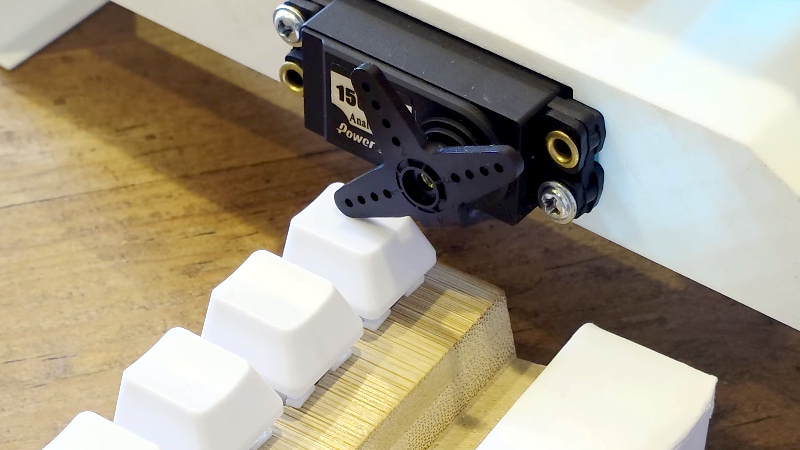
The idea of a machine pushing a button for you may sound like overengineering with a mischievous grin, but it is a real and surprisingly practical category of automation. A Hackaday project from late 2025 highlighted a DIY remote button presser built with two ESP32 microcontrollers and ESP-NOW, a wireless protocol designed for quick, low-power device-to-device communication without needing a traditional Wi-Fi router.
The setup is beautifully simple in concept: press one control somewhere else, and a small actuator or servo physically presses the original button. It is the technological equivalent of asking a very loyal squirrel to poke your appliance on command, except with fewer nuts and more firmware.
Why not just wire into the device directly? Sometimes you cannot. The gadget may be sealed, rented, under warranty, old, proprietary, or simply too annoying to modify. A button presser avoids invasive surgery. It uses the same interface a human would use, which makes it useful for appliances, door controls, garage remotes, testing rigs, accessibility adaptations, and temporary automation projects.
Automation Is Not Laziness. It Is Delegation.
The funniest criticism of automation is that it makes people lazy. That can be true if your definition of “not lazy” is “manually doing boring things forever because tradition said so.” But in most cases, automation is not laziness. It is delegation.
Delegation is what people do when they value their attention. A business owner delegates invoices. A chef uses a timer. A driver relies on cruise control. A homeowner schedules irrigation. A warehouse uses robots to move items that would otherwise require repetitive lifting. None of these people are “lazy.” They are allocating effort where it matters most.
The same principle applies to everyday automation. A smart thermostat does not replace your intelligence; it remembers your temperature preferences when you are busy living a life. A robotic vacuum does not turn you into royalty; it handles crumbs while you handle literally anything better than chasing dust bunnies under the sofa.
Why Machines Are Better At Repetition Than Humans
Humans are amazing at pattern recognition, creativity, empathy, humor, improvisation, and wondering why there are twelve open browser tabs titled “final_final_v3.” We are not always amazing at doing the same small task at the same time, the same way, every day.
Machines, on the other hand, adore repetition. They do not get bored. They do not forget because the dog barked. They do not decide that Tuesday “feels like a skip day.” Once properly designed and maintained, an automated system can repeat a task with impressive consistency.
Automation Reduces Friction
Friction is the tiny resistance between intention and action. Turning off one light is easy. Turning off nine lights before bed is a nightly treasure hunt. Automation removes friction by connecting triggers to outcomes: sunset turns on outdoor lights, motion turns on hallway lighting, a bedtime routine locks doors and lowers the thermostat.
Automation Improves Timing
Many tasks matter because of when they happen. A thermostat setback saves energy only if it happens while the house is empty or people are asleep. A reminder works best before the deadline, not three hours after panic has entered the chat. Machines are excellent at timing because clocks are basically their favorite food.
Automation Protects Attention
Every repeated button press asks for a sliver of attention. Individually, the cost is small. Collectively, it becomes mental confetti. Automating predictable tasks can make daily life feel calmer because fewer tiny decisions demand your focus.
Smart Homes: The Button-Pushing Olympics
The home is where automation becomes personal. Smart home technology connects devices such as lights, thermostats, plugs, doorbells, locks, speakers, sensors, cameras, and appliances. The goal is not to make your house look like a spaceship, though bonus points if it does. The goal is to make the environment respond more intelligently to real life.
ENERGY STAR notes that certified smart thermostats are independently verified using field data and can help households reduce heating and cooling costs. The U.S. Department of Energy also emphasizes programmable temperature setbacks as a practical way to cut energy use. In normal-person language: your thermostat can stop heating or cooling an empty house like it is preparing for royal guests.
Smart Home Energy Management Systems go further by coordinating thermostats, lighting, plug loads, and occupancy signals. Instead of every device acting like a tiny independent kingdom, the home begins to behave more like an orchestra. Ideally, not an orchestra tuning up forever, but one that actually plays the song.
Accessibility: When Automation Is Freedom
For many people, automation is not a novelty. It is independence.
The U.S. Access Board’s ADA guidance covers operable parts such as light switches, thermostats, alarm pulls, and automatic door controls. These controls must be usable without tight grasping, pinching, twisting, or excessive force. That detail matters because a “simple” button is not simple for everyone.
Automatic doors, voice-controlled devices, remote switches, smart plugs, adjustable lighting, and assistive robotics can make daily tasks easier for people with mobility limitations, chronic pain, disabilities, injuries, or age-related challenges. A machine that presses a button may sound funny until you realize it can help someone open a door, control a heater, turn on a lamp, or operate a device without needing assistance.
This is where the joke becomes meaningful. “Why push a button?” Because sometimes pushing that button is painful, difficult, unsafe, or impossible. “When a machine can do it for you” becomes less of a punchline and more of a design philosophy.
Workplace Automation: From Button Pressing To Workflow Thinking
In the workplace, automation has moved far beyond physical buttons. It now includes software bots, AI assistants, robotic systems, scheduling tools, automated reports, customer service workflows, warehouse robots, manufacturing cobots, and digital forms that magically know where the invoice number goes.
NIST has highlighted robotics and smart manufacturing as areas where measurement, performance standards, and safe human-machine collaboration matter. OSHA also notes that industrial robots are often used for dangerous or repetitive tasks, while reminding employers that safety risks can appear during programming, setup, maintenance, or non-routine operations.
That last part is important. Automation is not a magic wand. It is a powerful tool. A badly designed automation can create new problems faster than a raccoon in a pantry. Good automation asks: What task should the machine handle? What should humans supervise? What happens if the system fails? How do we make it safe, understandable, and useful?
AI Automation: The New Digital Button Presser
Artificial intelligence has become the digital version of a button-pushing machine. It can summarize documents, draft emails, classify support tickets, generate code, organize data, search knowledge bases, and help teams move routine work faster.
But AI automation works best when it is connected to a smart workflow. MIT Sloan research has emphasized that the biggest value often comes not from automating one isolated task, but from redesigning how tasks are sequenced and handed off between people and machines. In other words, the future is not just “make the robot press the button.” It is “ask whether the button should exist in the first place.”
That is the difference between shallow automation and intelligent automation. Shallow automation copies a manual step. Intelligent automation improves the system around the step.
The Beauty Of The “Dumb” Smart Solution
One of the best things about a physical button presser is that it respects reality. It does not demand that you replace every device in your house. It does not care whether the appliance has an app, a cloud account, or a password policy written by someone who hates humanity. It just presses the button.
This is a useful lesson for all automation projects. The best solution is not always the most advanced. Sometimes the best solution is the one that is reliable, reversible, affordable, and understandable.
A servo arm that presses a button may look less elegant than a full API integration, but it can be more practical. A smart plug may be better than rewiring a lamp. A motion sensor may be better than asking everyone in the house to “please remember the hallway light,” which is basically a bedtime fairy tale.
When Automation Goes Too Far
Of course, not every button needs a robot. If you automate everything without thinking, you may create a home or workplace that feels less convenient, not more. Nobody wants to reboot a light switch. Nobody wants a refrigerator that needs a software update before surrendering the yogurt.
Smart devices also raise privacy and security concerns. Connected cameras, speakers, locks, thermostats, and appliances may collect data, depend on cloud services, or become vulnerable if passwords are weak and software updates are ignored. NIST’s consumer IoT cybersecurity work, along with broader smart home security guidance, points toward common-sense practices: unique passwords, updates, secure setup, device transparency, and careful data handling.
Good automation should make life simpler. If your “convenient” system requires three apps, two hubs, a ritual sacrifice to Bluetooth, and a support forum account named “WhyIsMyLampOffline,” it may be time to simplify.
How To Decide What To Automate
The best automation candidates usually have four traits: they are repetitive, predictable, low-risk, and annoying. That combination is perfect. If a task happens often, follows clear rules, does not cause disaster when delayed, and makes you sigh like a tired printer, automate it.
Automate Repetition
Turning lights on and off, adjusting thermostats, backing up files, sorting email, logging routine data, watering plants, and generating recurring reports are strong candidates.
Keep Humans In Charge Of Judgment
Machines can assist decisions, but humans should remain involved when context, ethics, emotion, safety, or money matters. Automation should support judgment, not quietly replace it while wearing a fake mustache.
Build In A Manual Override
Every useful automation should have an escape hatch. If the internet goes down, the door should still open. If the sensor fails, the light should still turn on. If the AI makes a weird suggestion, a human should be able to say, “Absolutely not, my metallic friend.”
Specific Examples Of Button-Free Living
Imagine walking into a laundry room where a sensor turns on the light, a smart plug tracks washer energy use, and a notification reminds you when the cycle is done. No mystery wet clothes discovered tomorrow. No laundry archaeology.
Imagine a workshop where a physical button presser starts a dust collector from across the room, because the old unit has no wireless control and modifying its electronics would be risky. Simple, useful, and just nerdy enough to be charming.
Imagine an office where new customer emails automatically become support tickets, urgent messages are flagged, routine replies are drafted for review, and weekly summaries appear without anyone copying data into a spreadsheet named “Report_Final_ActuallyFinal.”
Imagine a home where morning automation opens blinds, starts coffee, adjusts temperature, and turns on gentle lighting. That is not laziness. That is hospitality from your own house.
The Human Side Of Letting Machines Help
Automation changes our relationship with effort. It asks us to separate meaningful effort from pointless effort. Meaningful effort builds skill, connection, insight, health, creativity, or satisfaction. Pointless effort is pressing the same button for the thousandth time because nobody designed a better system.
There is dignity in work, but there is no special dignity in needless repetition. A person should not have to spend attention like loose change on tasks that a small machine, script, schedule, or sensor can handle reliably.
That is the deeper message behind a funny button-pushing machine. It is not about avoiding life. It is about making room for more of it.
Experience Section: What Happens When Machines Start Pushing The Buttons
The first thing people usually notice after adding a useful automation is not excitement. It is relief. The task disappears so quietly that you almost forget it was ever a task. That is the strange magic of good automation: it does not shout, “Look at me, I am the future!” It simply removes a tiny daily irritation and lets your brain move on.
Consider a basic evening routine. Before automation, someone walks through the house checking lights, doors, thermostat settings, chargers, pet areas, and appliances. It is not hard, but it is repetitive. After automation, one command or scheduled routine can dim lights, lock compatible doors, lower the thermostat, turn off selected plugs, and activate security settings. The result is not just saved time. It is a calmer end to the day.
In workshops and hobby spaces, the experience can be even more satisfying. Many older tools and devices are built around physical controls. They work perfectly, but they are not smart. A small remote actuator can bridge that gap. Instead of replacing a reliable old machine, you give it a helper. This approach feels practical because it respects the equipment you already own. It is automation with a little humility.
There is also a learning curve. The first automation is often too ambitious. People try to create a grand system where everything talks to everything else, and suddenly the lamp is waiting for the thermostat to confirm the moon phase before turning on. The better approach is smaller: automate one annoying thing, test it, improve it, then move on. Start with the porch light. Start with the coffee timer. Start with the button that always needs pressing when your hands are full.
The most memorable automation experiences tend to involve timing. A motion light that turns on at exactly the right moment feels like the house is being polite. A thermostat that saves energy without making the room uncomfortable feels like quiet competence. A reminder that arrives before a problem happens feels less like a notification and more like a tiny guardian angel with a calendar.
But the best experience comes from balance. Not everything should be automated. Some buttons are satisfying. Some routines are meaningful. Making coffee by hand, turning a favorite lamp on at dusk, or choosing music for a quiet evening can be small pleasures. Automation should not flatten life into efficiency paste. It should remove the dull parts so the human parts stand out more clearly.
That is why the phrase “Why push a button when a machine can do it for you?” works so well. It sounds playful, but it points to a real design question. Is this action worth my attention? If yes, keep it human. If no, let the machine do the poking.
Conclusion
Machines that push buttons may look silly, but they represent one of the smartest ideas in modern technology: let tools handle the repeatable work so people can spend more time on judgment, creativity, comfort, safety, and connection. From ESP32-powered button pressers to smart thermostats, accessibility controls, robotic systems, AI workflows, and home automation routines, the goal is not to eliminate human effort. The goal is to use human effort better.
The best automation is practical, reliable, secure, and easy to override. It does not make life feel more complicated. It makes life feel less interrupted. Whether you are saving energy, improving accessibility, simplifying a workflow, or just preventing yourself from walking across the room to press one annoying button, the principle is the same: if a machine can do the repetitive part well, let it.
After all, your finger has dreams too.