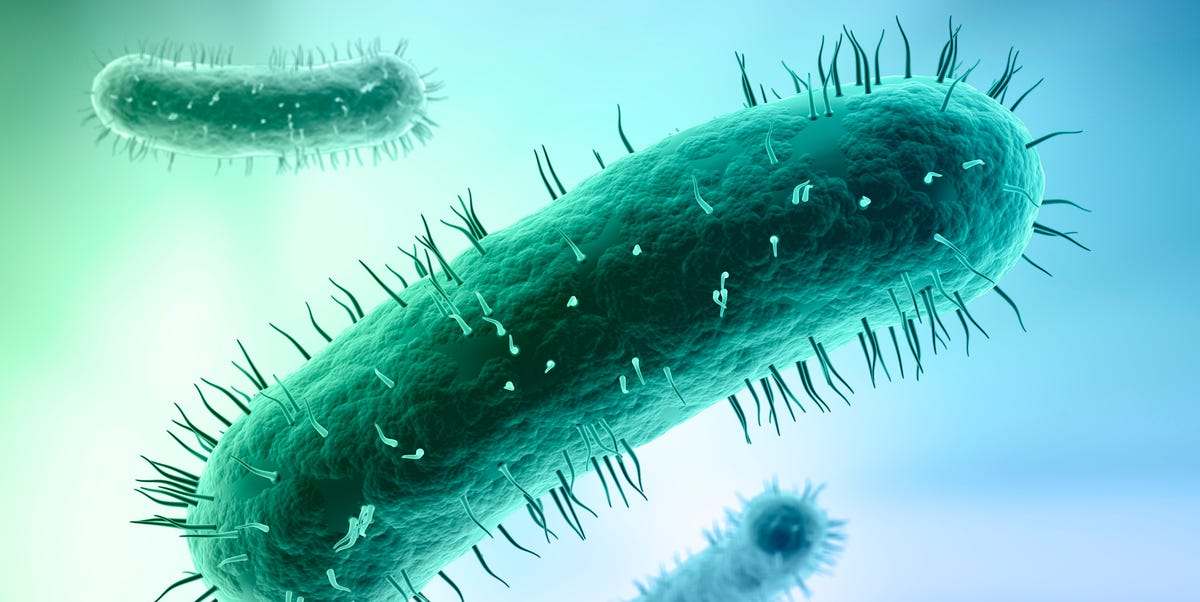
Imagine a tiny underwater creature that eats methane for dinner and spits out electrons like a microscopic power plant. No smoke stacks. No spinning turbines. No dramatic villain music. Just a colony of hardworking microbes doing chemistry in the dark while humans try to figure out how to turn their strange talent into cleaner energy.
That is the fascinating promise behind methane-eating bacteria and archaea that can help transform methane into electricity. Scientists are studying these organisms because methane is not just “natural gas with better branding.” It is a powerful greenhouse gas, and when it leaks from landfills, farms, wetlands, wastewater systems, coal mines, or oil and gas infrastructure, it traps heat far more aggressively than carbon dioxide over a 100-year period.
The good news is that nature already has a cleanup crew. Certain microorganisms, often called methanotrophs, can consume methane as part of their metabolism. Even more exciting, some microbial communities can move electrons outside their cells and into solid surfaces, including electrodes. Put those two tricks together, and you get a biological system that behaves a bit like a living battery: methane goes in, electrons come out.
This technology is still young, slightly fussy, and nowhere near ready to charge your laptop during a Netflix binge. But the science is real, and the implications are huge. If researchers can make methane-to-electricity systems practical, they could help reduce greenhouse gas emissions while generating useful power from waste streams that currently escape into the atmosphere.
Why Methane Matters So Much
Methane, or CH4, is the main ingredient in natural gas. It is also produced when organic matter breaks down without oxygen. That means methane shows up in familiar places: landfills, manure lagoons, rice paddies, wetlands, wastewater treatment plants, and fossil fuel operations. In other words, methane is basically the smell-free climate gremlin hiding behind modern life.
Methane does not remain in the atmosphere as long as carbon dioxide, but while it is there, it is extremely effective at trapping heat. That makes methane reduction one of the fastest ways to slow near-term warming. Capturing methane before it escapes is already a major climate strategy. Traditionally, captured methane may be burned for heat or electricity, upgraded into renewable natural gas, or flared when no better option exists.
The problem is that many methane sources are scattered, low-volume, or difficult to capture economically. A large landfill gas project can justify engines and infrastructure. A remote leak, small agricultural digester, or wastewater stream may not. That is where microbial fuel cells and bioelectrochemical systems become interesting. Instead of treating methane only as a fuel to burn, they treat it as food for microbes that can pass electrons to an electrode.
Meet the Microbes: Tiny Chemists With Weird Superpowers
The stars of this story include methane-consuming microorganisms such as Candidatus Methanoperedens, an anaerobic methane-oxidizing archaeon found in freshwater environments like ditches, lakes, sediments, and wetlands. Despite often being described casually as “bacteria,” some of the most important methane-eating electricity makers belong to archaea, a separate branch of life. Think of them as bacteria’s mysterious cousins who prefer extreme chemistry and apparently missed the memo about being ordinary.
Candidatus Methanoperedens can use methane to grow. In natural environments, it often oxidizes methane while using compounds such as nitrate, iron, manganese, or other electron acceptors. In a laboratory bioelectrochemical system, researchers can offer an electrode as a kind of artificial electron acceptor. The microbe breaks down methane, releases electrons during the process, and transfers those electrons to the electrode. The result is a measurable electrical current.
That last step is called extracellular electron transfer. It is exactly what it sounds like: microbes move electrons outside their cells. Some microbes do this through proteins, conductive minerals, chemical shuttles, or direct contact with surfaces. In the microbial world, this is not science fiction. It is Tuesday.
How Can Bacteria Turn Methane Into Electricity?
To understand the process, start with a simple idea: electricity is moving electrons. Microbes, like all living things, move electrons around when they process food. Humans eat carbohydrates and fats, then use oxygen as the final electron acceptor. That is why breathing is not just a lifestyle choice. It is a core part of our energy metabolism.
Methane-eating microbes use methane as an energy source. During methane oxidation, electrons are released. In nature, those electrons may end up reducing nitrate, iron, manganese, sulfate, or other compounds. In a microbial fuel cell, researchers arrange the system so electrons flow to an anode. From there, they travel through an external circuit toward a cathode, creating electrical current.
A very simplified version looks like this:
- Methane enters a sealed, oxygen-free chamber.
- Methane-consuming microbes grow on or near an electrode.
- The microbes oxidize methane as part of their metabolism.
- Electrons released during that metabolism are transferred to the anode.
- The electrons move through a circuit, producing usable electrical current.
- The remaining carbon is converted mainly into carbon dioxide or other intermediate products, depending on the system.
This does not mean the microbes are “making electricity” in the same way a power plant does. They are not wearing tiny hard hats and operating tiny control panels, although frankly that would improve science communication by at least 400 percent. What they are doing is converting chemical energy into electron flow, and humans are designing devices that capture that flow.
The Radboud Breakthrough: A Biological Battery Terminal
One of the most attention-grabbing demonstrations came from researchers working with Candidatus Methanoperedens. They cultivated methane-consuming microorganisms in a bioelectrochemical setup and connected them to an electrode. The scientists described the arrangement as a kind of battery with one biological terminal and one chemical terminal.
In that setup, the microbial community was grown on an electrode. As the microbes processed methane, they donated electrons to the electrode, producing an electrical current. Laboratory results suggested that a meaningful portion of methane could be converted into electricity, although the system was still experimental and not commercially optimized.
The idea is elegant because it removes a middle step. Conventional biogas electricity systems typically burn methane in an engine or turbine. A microbial system tries to convert methane’s energy directly into an electrical current. Direct conversion could someday be useful in settings where combustion is inefficient, expensive, noisy, or too complex for small methane sources.
Penn State’s Engineered Microbial Fuel Cell
Another important research path comes from Penn State and collaborators, who explored a synthetic microbial consortium for converting methane into electricity. Instead of relying on a single organism to do everything, the team designed a community where different microbes handled different jobs.
In one approach, engineered microbes helped capture methane and convert it into intermediate compounds. Other microorganisms, including electricity-producing species such as Geobacter sulfurreducens, helped move electrons into the fuel cell system. This is similar to assembling a microscopic relay team: one microbe grabs the methane, another passes along chemical products, and another delivers electrons to the electrode.
The advantage of this team-based approach is flexibility. Methane is chemically stubborn because its carbon-hydrogen bonds are strong. Asking one microbe to eat methane, process it efficiently, and deliver electrons to an electrode is a tall order. A consortium spreads the workload across specialized organisms. Unfortunately, microbial teamwork can also be temperamental. If one partner grows too fast, too slow, or decides to behave like a diva in a petri dish, the system can lose performance.
Why Methane Is Hard to Work With
Methane may look simple on paper, but it is not easy to convert at room temperature. Its molecule is small, stable, and reluctant to react. This is great when methane is sitting peacefully in a pipeline. It is less great when scientists want to extract energy from it without combustion.
Industrial methane conversion often requires high heat, pressure, catalysts, or multi-step processing. Microbes offer a low-temperature alternative because enzymes can perform precise chemical transformations under mild conditions. That is one reason scientists love biological systems. Enzymes are the original green chemistry tools, refined by evolution over billions of years and somehow still not charging consulting fees.
But biology brings its own challenges. Methane does not dissolve well in water, which means microbes in liquid reactors may not get enough of it. Anaerobic methane-oxidizing organisms can grow slowly. Electrodes must be designed so microbes can attach, transfer electrons, and remain stable over time. The reactor must balance gas flow, nutrient supply, pH, temperature, conductivity, and microbial community structure.
Microbial Fuel Cells: The Bigger Picture
Methane-to-electricity research belongs to the broader field of microbial fuel cells. These devices use microbial metabolism to generate electrical current. Some microbial fuel cells run on wastewater, acetate, sugars, plant waste, or other organic materials. Methane is especially attractive because it is both an energy-rich molecule and a climate problem.
Well-known electricity-generating microbes include Geobacter and Shewanella. These organisms can transfer electrons outside their cells, often to metals or electrodes. NASA has even studied Shewanella oneidensis because its ability to move charge to external surfaces may be useful in life-support systems and wastewater treatment in space. When a bacterium is interesting to NASA, you know it has passed the “not just pond slime” test.
The dream is to build systems that treat waste while recovering energy. A wastewater treatment plant, for example, spends energy to remove pollutants. A microbial fuel cell could theoretically remove organic material while producing electricity. Add methane oxidation to the mix, and the technology could target greenhouse gas emissions as well.
Where Could Methane-Eating Living Batteries Be Used?
Landfills
Landfills generate gas as buried organic waste decomposes. That gas is roughly a mix of methane and carbon dioxide, with small amounts of other compounds. Large landfills often capture landfill gas and use it for energy. Smaller sites or low-quality gas streams may be harder to use. A future microbial system could potentially treat methane-rich gas streams while producing modest electricity.
Wastewater Treatment Plants
Wastewater treatment facilities already use anaerobic digesters in many places to produce biogas. Microbial electrochemical systems could someday improve energy recovery, reduce methane leakage, or treat dissolved methane in water streams. This is especially important because dissolved methane can escape later if not managed properly.
Farms and Manure Lagoons
Livestock operations can produce methane from manure storage. Anaerobic digesters are one solution, but they require capital, maintenance, and scale. In the long run, smaller bioelectrochemical systems might help farms recover energy from methane emissions that would otherwise be difficult to capture.
Oil and Gas Sites
Methane leaks can happen during production, processing, and transportation. Microbial methane-to-electricity systems are not a substitute for leak prevention, monitoring, and repair. Still, researchers have imagined small systems that could convert methane near sources where traditional transport or combustion is impractical. That would be a big technical leap, but the concept is scientifically intriguing.
Benefits of Turning Methane Into Electricity With Microbes
The most obvious benefit is climate protection. If methane is captured and converted before it reaches the atmosphere, its warming impact is reduced. Even when methane is converted into carbon dioxide, the climate effect is generally lower because carbon dioxide is less potent molecule-for-molecule over the same time frame.
The second benefit is energy recovery. Methane contains useful chemical energy. Instead of letting it leak, flare, or go unused, microbial systems could generate electricity from it. The power output may be modest, but small power can still be useful for sensors, remote monitoring, wastewater equipment, or low-energy devices.
The third benefit is mild operating conditions. Microbes do their work at relatively low temperatures and pressures compared with many industrial chemical processes. That could reduce energy inputs and open the door to decentralized systems.
The fourth benefit is selectivity. Biological catalysts can perform reactions with remarkable precision. If engineered carefully, microbial systems might not only generate electricity but also convert methane into chemicals such as acetate, methanol, or other useful products.
The Big Obstacles: Why This Is Not in Your Garage Yet
Before anyone starts shopping for a backyard methane battery next to the compost bin, it is important to be realistic. The technology faces major hurdles.
First, power density is still low compared with conventional energy systems. Microbes are efficient at survival, not necessarily at meeting modern power demand. They do not care that your smart fridge wants Wi-Fi. Their priorities are eating, reproducing, and avoiding environmental disaster.
Second, methane transfer into liquid reactors is difficult. Because methane is poorly soluble in water, delivering enough methane to the microbes can limit performance. Better reactor designs, membranes, gas diffusion systems, and electrode materials are needed.
Third, microbial communities can be unstable. A reactor may work beautifully in a lab under controlled conditions, then perform differently when exposed to real-world gas mixtures, temperature swings, contaminants, or competing microorganisms.
Fourth, cost matters. Electrodes, membranes, control systems, and bioreactors must be affordable and durable. A technology can be scientifically brilliant and still lose to a diesel generator if the economics are not right.
What Makes Candidatus Methanoperedens So Special?
Candidatus Methanoperedens is interesting because it performs anaerobic methane oxidation, meaning it can process methane without oxygen. That matters because many methane-rich environments are oxygen-poor: sediments, digesters, wetlands, and deep sludge layers. Oxygen-based systems can work in some settings, but adding oxygen to methane-rich gas streams can create safety concerns and technical complications.
This organism also appears capable of extracellular electron transfer under the right conditions. That means it can connect methane oxidation to solid electron acceptors, including electrodes. For bioenergy researchers, that is the magic trick. It turns a methane-eating microbe into part of an electrical circuit.
Researchers are still working to understand the precise molecular mechanisms. Are the microbes using conductive proteins? Minerals? Soluble electron shuttles? Direct contact? A combination of all the above? The answer matters because once scientists understand the mechanism, they can design better electrodes, reactors, and microbial communities.
Is This Clean Energy?
Methane-to-electricity microbes could support cleaner energy, but the phrase needs careful handling. If the methane comes from fossil fuel extraction, converting it into electricity does not magically make fossil energy clean. Preventing leaks and reducing fossil fuel dependence remain essential.
However, when methane is already being produced by waste, such as landfill gas, manure, or wastewater, microbial conversion could help reduce emissions and recover energy from a problem stream. In that context, the technology fits into the circular economy: waste becomes feedstock, pollution becomes power, and microbes finally get the respect they deserve.
Future Possibilities: From Lab Curiosity to Climate Tool
The future of methane-eating living batteries will depend on engineering. Scientists need to increase current output, improve methane delivery, stabilize microbial communities, and scale reactors without losing performance. They also need to compare microbial systems honestly with existing options such as anaerobic digestion, combined heat and power, flaring, gas upgrading, and methane leak repair.
One practical future may involve hybrid systems. A wastewater plant or landfill could use conventional gas capture for large methane streams while microbial systems polish smaller or dissolved methane flows. Remote methane sensors could be powered by the same gas they monitor. Small bioelectrochemical reactors could operate quietly where engines are too expensive or inefficient.
Another possibility is chemical production. Instead of electricity alone, microbes may be engineered to convert methane into higher-value compounds. Electricity is useful, but chemicals can sometimes offer better economics. A bioreactor that captures methane and produces acetate, methanol, or other industrial feedstocks could be just as important as one that produces current.
Real-World Experience: What Working With Methane Microbes Teaches Us
Anyone who has spent time around environmental technology learns a humbling lesson: nature is clever, but she does not read business plans. Methane-eating microbes are a perfect example. On paper, they sound like the ultimate climate gadget. Feed them methane, collect electricity, save the planet, maybe slap a cheerful green logo on the tank. In practice, working with living systems requires patience, measurement, and a willingness to accept that microbes operate on microbial time.
The first experience researchers and engineers often describe is the slow pace of biological startup. A conventional generator can be turned on with a switch. A microbial reactor must be cultivated. The organisms need the right environment, the right nutrients, the right temperature, the right surface to attach to, and enough time to form a functional biofilm. It is less like installing a battery and more like growing a sourdough starter that happens to understand electrochemistry.
The second lesson is that small details matter. A slight change in pH can affect performance. Too little methane starves the community. Too much gas flow can disturb the biofilm. A trace contaminant may inhibit one group of microbes while allowing another to dominate. Electrode material, surface texture, conductivity, and spacing can all influence electron transfer. In a living battery, the biology and the hardware are not separate systems. They are dance partners, and both need to know the steps.
A third experience is the gap between laboratory success and field performance. In the lab, scientists can use carefully controlled gas mixtures, clean reactors, precise instruments, and stable temperatures. A landfill, farm, or wastewater plant is messier. Gas composition changes. Moisture varies. Sulfur compounds may appear. Operators need systems that can handle Tuesday morning chaos, not just perfect Friday afternoon data. That does not make the research less valuable. It simply means the road to commercialization requires durability, not just discovery.
There is also a communication challenge. People hear “bacteria generate electricity” and imagine plugging a house into a jar of pond water. The real technology is subtler. Early microbial methane-to-electricity systems may be better suited for low-power applications, monitoring devices, emissions control, or specialized treatment units. That is still important. Not every climate solution needs to run a city. Some solutions quietly reduce losses, clean waste streams, and make existing infrastructure smarter.
The most encouraging experience is that this field keeps improving because it sits at the intersection of several fast-moving disciplines: microbiology, materials science, synthetic biology, environmental engineering, and electrochemistry. Better DNA sequencing helps researchers identify useful microbial communities. Better electrodes improve electron transfer. Better reactor designs improve methane delivery. Better modeling helps predict performance before expensive pilot tests. Every improvement turns the “living battery” idea from a strange lab story into a more practical tool.
The takeaway is not that methane-eating bacteria will single-handedly solve climate change. They will not. They are microbes, not superheroes with capes, although under a microscope some of them do look ready for a sci-fi audition. The real takeaway is that climate solutions can come from unexpected places. Sometimes they come from satellites, solar panels, and policy. Sometimes they come from mud, sludge, and organisms that learned to breathe rocks before humans learned to make toast.
Conclusion
Methane-eating microbes that transform methane into electricity are one of the most exciting ideas in bioenergy. They combine climate mitigation, waste treatment, and renewable energy recovery in a single living system. Research on organisms such as Candidatus Methanoperedens, engineered microbial consortia, Geobacter, and Shewanella shows that biology can move electrons in ways that engineers can capture.
The technology is not ready to replace solar panels, wind turbines, or conventional biogas engines. Power output, reactor design, cost, stability, and scale remain serious challenges. But the scientific direction is compelling. If researchers can improve performance and match these systems to the right methane sources, living batteries could become a valuable tool for cutting emissions and recovering energy from waste.
In the end, the idea is beautifully simple: methane is a problem when it escapes, but a resource when captured. With the help of microbes, tomorrow’s climate technology may include tiny organisms turning an invisible greenhouse gas into a visible current. Not bad for something you could mistake for pond gunk.