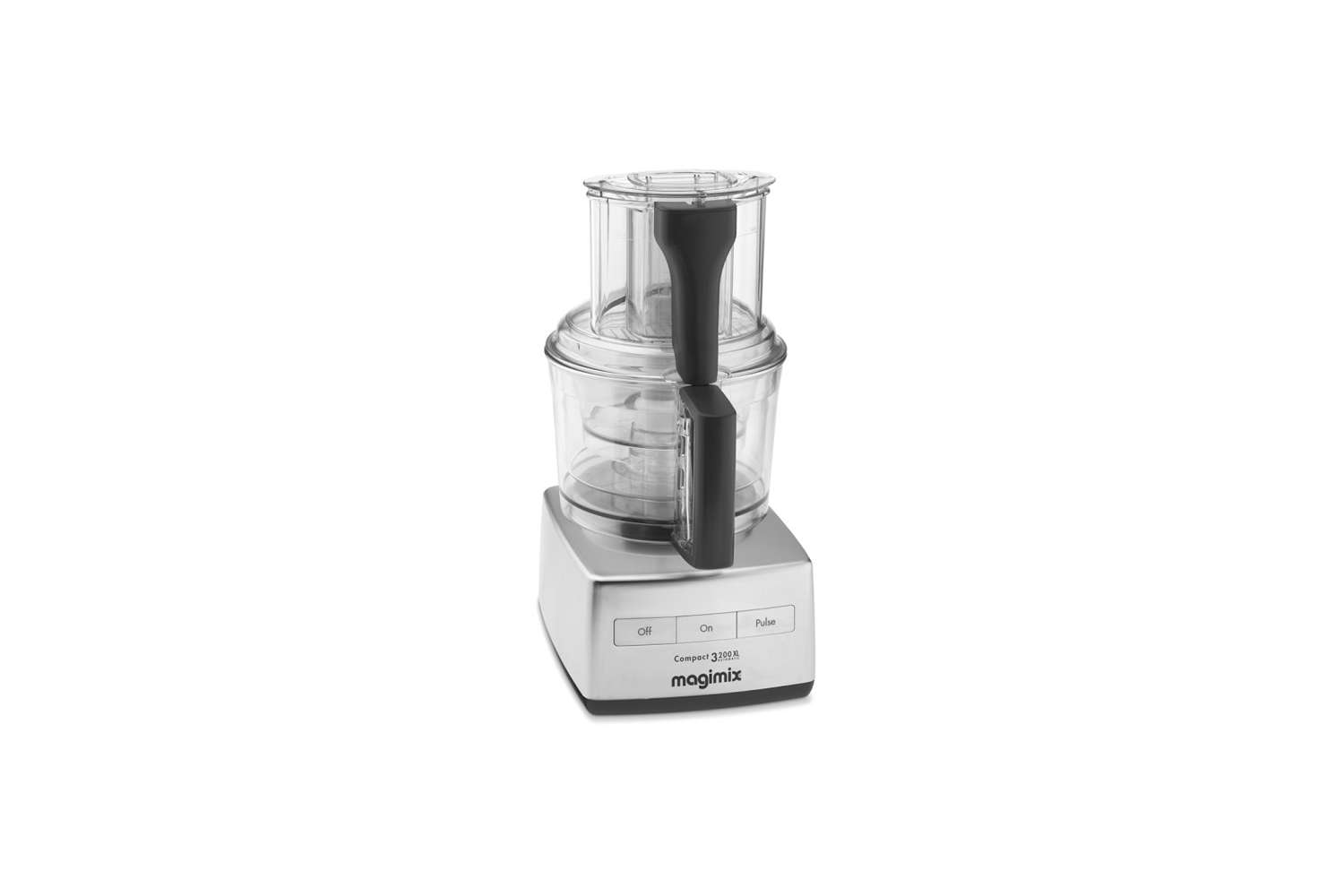
The Magimix by Robot-Coupe Food Processor is not the kind of countertop appliance that whispers, “Maybe I’ll help with dinner.” It walks into the kitchen like a French-trained sous chef wearing sensible shoes and says, “Hand me the onions.” Built around a reputation that connects home cooking with professional food-prep engineering, Magimix has become a favorite for cooks who want power, durability, and fewer excuses for buying pre-shredded cheese.
At its core, the Magimix food processor is designed for people who cook often, batch-prep seriously, bake occasionally, and enjoy the tiny thrill of watching a mountain of carrots become perfect shreds in seconds. The brand’s connection to Robot-Coupe matters because Robot-Coupe is widely known for commercial food-preparation equipment, while Magimix brought that professional DNA into the home kitchen. In other words, this is not a flimsy gadget looking for a job. It is a long-term kitchen tool with a passport, a motor, and a very practical personality.
What Is the Magimix by Robot-Coupe Food Processor?
The Magimix by Robot-Coupe Food Processor is a premium, made-in-France food processor line designed for chopping, slicing, shredding, mixing, kneading, blending, emulsifying, and puréeing. Popular models include the Magimix 4200XL 14-cup food processor and the larger Magimix 5200XL 16-cup food processor. Both are known for their straightforward controls, multi-bowl system, powerful induction-style motor performance, and unusually generous motor warranty.
Unlike some modern appliances that seem to require a software update before they will grate a zucchini, Magimix keeps things refreshingly simple. The familiar three-button layoutStop, Auto, and Pulsemakes the machine easy to operate without scrolling through settings named after weather patterns. This simplicity is one of the reasons the food processor appeals to serious home cooks: it focuses on doing the basic jobs extremely well.
A Short History: From Professional Kitchens to Home Counters
The story behind Magimix adds real weight to its reputation. Robot-Coupe has long been associated with professional food-preparation machines for restaurants, caterers, and institutional kitchens. Magimix, created for domestic use, brought the concept of the compact food processor into homes in the 1970s. That history gives the brand a different flavor from many appliance companies. It did not begin as a trend piece. It began as a solution to repetitive kitchen labor.
That may sound dramatic, but anyone who has hand-sliced three pounds of potatoes for gratin knows that “repetitive kitchen labor” is just a polite phrase for “why are my wrists negotiating a labor strike?” The Magimix food processor exists to take those repetitive tasksslicing, grating, chopping, kneadingand make them faster, more consistent, and less annoying.
Key Features That Make Magimix Stand Out
1. The Multi-Bowl System
One of the most useful features of the Magimix food processor is its nested bowl system. The 5200XL, for example, includes large, medium, and small bowls, allowing you to move from big-batch prep to smaller tasks without dragging out another appliance. The large bowl handles dough, slaws, pastry, large vegetable prep, and family-size recipes. The medium bowl is ideal for slicing or shredding. The mini bowl is perfect for herbs, garlic, nuts, sauces, and small quantities that would otherwise hide under the blade like shy parsley.
This setup is especially helpful for cooks who make full meals from scratch. You can chop nuts for a salad dressing, shred carrots for slaw, and mix dough for a tart crust using one base. Yes, there are still parts to wash. No food processor has yet solved the emotional journey of dishwashing. But the workflow is practical and efficient.
2. Powerful Motor Performance
The larger Magimix 5200XL model is commonly listed with an 1100-watt motor, while the 4200XL offers a strong motor suited to everyday and heavy-duty home use. In practical terms, that means the machine can handle dense ingredients such as bread dough, firm cheese, nuts, root vegetables, and thick mixtures without sounding like it is rethinking its career choices.
Power matters in a food processor because weak motors tend to struggle with dough, smear instead of chop, or stall when faced with dense ingredients. A strong motor gives you cleaner results, faster processing, and better consistency. It also makes the machine more useful as a long-term kitchen investment rather than a “used twice, stored forever” appliance.
3. Simple Controls
Magimix keeps the control panel minimal. Instead of offering twelve speeds and a button labeled “artisan emotional support mode,” it gives you the essentials. Auto runs the machine continuously, Pulse gives short bursts of control, and Stop does what Stop should do. This is helpful because food processing often depends more on timing than complicated settings.
For salsa, pulse gently. For dough, use steady processing. For nut butter, let the machine work longer. For onions, pulse carefully unless you want onion soup before the soup pot is even involved. The simplicity makes the machine friendly to beginners while still satisfying experienced cooks.
What Can You Make With a Magimix Food Processor?
The short answer is: more than you think. The longer answer is: the Magimix becomes most valuable when you use it for repeated, time-consuming prep. It is excellent for homemade hummus, pesto, pie dough, pizza dough, bread dough, shredded cheese, grated vegetables, coleslaw, sliced potatoes, pastry crusts, breadcrumbs, chopped nuts, mayonnaise, and purées.
For weeknight dinners, it can turn vegetables into even slices for stir-fries, casseroles, gratins, and salads. For baking, it can cut butter into flour quickly for shortcrust pastry or biscuits. For meal prep, it can shred cabbage, carrots, and cheese in bulk. For holiday cooking, it becomes the calm adult in the room while everyone else debates oven space.
Best Everyday Uses
If you cook at home several times a week, the most practical Magimix uses include chopping onions, mincing garlic, shredding cheese, slicing cucumbers, making dips, blending sauces, and preparing vegetables for soups. These are not glamorous tasks, but they are exactly the tasks that slow dinner down. A reliable food processor turns them into quick steps instead of kitchen speed bumps.
Best Baking Uses
Bakers often appreciate the Magimix for pastry and dough. The motor strength and bowl capacity make it suitable for mixing pie crust, tart dough, pizza dough, and some bread doughs. It is not a complete replacement for a stand mixer in every baking scenario, but it is excellent for recipes where fast cutting, blending, and kneading are useful.
Magimix 4200XL vs. 5200XL: Which One Should You Choose?
The Magimix 4200XL is often the better fit for smaller households, everyday cooking, and kitchens where space is valuable. Its 14-cup capacity is generous enough for most families, and it offers the same core Magimix advantages: multiple bowls, simple controls, sturdy build quality, and versatile attachments.
The Magimix 5200XL is the bigger workhorse. With a 16-cup capacity and a more powerful motor, it is better for large families, frequent entertainers, batch cooks, and ambitious home chefs who make dough, slaws, sauces, and large recipes regularly. It is also a smart choice if you like cooking once and eating well for several days, which is basically meal prep wearing a responsible sweater.
If you mostly chop herbs and make small dips, either model may be more machine than you need. A mini chopper could be enough. But if you regularly prepare vegetables, dough, sauces, and family meals, the Magimix earns its space more easily.
Pros and Cons of the Magimix by Robot-Coupe Food Processor
Pros
- Excellent durability: Magimix is known for long-lasting construction and a strong motor warranty.
- Made in France: The brand’s manufacturing heritage appeals to buyers looking for premium build quality.
- Multi-bowl convenience: Large, medium, and mini bowls make it useful for many recipe sizes.
- Powerful performance: It handles firm vegetables, dough, nuts, cheese, and thick mixtures well.
- Simple operation: The three-button design is easy to learn and hard to overcomplicate.
- Versatile attachments: Slicing, shredding, chopping, kneading, blending, and emulsifying are all within reach.
Cons
- Premium price: Magimix costs more than many mainstream food processors.
- Storage needs: The bowls, discs, blades, and accessories require cabinet space.
- Single-speed design: Some users may prefer more speed control for delicate chopping.
- Cleaning takes time: Like all full-size food processors, it has multiple parts to wash.
- Heavy base: The sturdy motor base is reassuring, but not exactly featherweight.
How It Compares With Cuisinart, Breville, and KitchenAid
In the U.S. market, the Magimix food processor is often compared with Cuisinart, Breville, and KitchenAid. Cuisinart models are popular for value, reliability, and classic food processor design. Breville models often stand out for smart accessories, adjustable slicing, and modern storage systems. KitchenAid processors appeal to users who want practical features, attractive design, and mid-range pricing.
Magimix takes a different approach. It leans heavily into durability, motor strength, simplicity, and professional heritage. It may not offer every flashy attachment that a high-end Breville includes, and it may cost more than a basic Cuisinart. But for cooks who care about long-term reliability and strong core performance, the Magimix remains a serious contender.
Think of it this way: Cuisinart is the dependable classic, Breville is the feature-packed overachiever, KitchenAid is the stylish multitasker, and Magimix is the French workhorse that quietly makes 14 cups of shredded vegetables before anyone has found the salad bowl.
Who Should Buy the Magimix by Robot-Coupe Food Processor?
The Magimix is best for home cooks who want a premium food processor and plan to use it often. It makes sense for people who batch cook, bake, entertain, meal prep, or prefer cooking from scratch. It is also a good fit for families who regularly prepare vegetables, sauces, doughs, dips, and large recipes.
It may not be the best choice for someone with a tiny kitchen, a tight budget, or very light needs. If you only chop half an onion once a month, this machine may feel like hiring a marching band to announce a sandwich. But if your kitchen sees regular action, the Magimix can become one of the most useful appliances you own.
Tips for Getting the Best Results
For even chopping, avoid overfilling the bowl. Work in batches when necessary, especially with onions, herbs, and nuts. Use the Pulse button for better control, because continuous processing can take ingredients from “nicely chopped” to “mysterious paste” very quickly.
For slicing and shredding, use firm ingredients and steady pressure through the feed tube. Chill softer cheeses before shredding to reduce smearing. For dough, follow the manufacturer’s quantity guidance and avoid overprocessing. Food processors are fast, and dough can go from mixed to overworked before you finish saying “rustic homemade pizza.”
Cleaning is easier if you rinse parts soon after use. Dough, cheese, and nut mixtures become more stubborn once they dry. A small brush can help clean around blades and discs safely. Always handle sharp attachments carefully, because those blades are not decorative; they are tiny kitchen ninjas.
Is the Magimix Food Processor Worth the Money?
For the right user, yes. The Magimix by Robot-Coupe Food Processor is worth considering if you want a powerful, durable, versatile machine that can support serious home cooking for years. Its value is not just in one feature. It is in the combination of motor strength, bowl capacity, build quality, simple controls, and broad recipe usefulness.
The biggest question is not whether the Magimix is good. It is whether you will use it enough to justify the price and storage space. If you cook frequently, the answer may be a confident yes. If your main kitchen tool is a delivery app, the Magimix may sit on the counter looking judgmental in French.
500-Word Experience Section: Living With a Magimix by Robot-Coupe Food Processor
Using a Magimix food processor changes the rhythm of cooking. The first thing many people notice is not the power, although the power is obvious. It is the way the machine removes friction from recipes. Suddenly, making coleslaw for a cookout does not feel like a punishment. Shredding a block of cheese for macaroni and cheese takes less time than opening a bag of pre-shredded cheese and wondering why it tastes like disappointment with anti-caking powder.
The multi-bowl system is one of those features that seems mildly interesting on paper and genuinely useful in practice. Imagine preparing taco night. The mini bowl can handle garlic, jalapeño, cilantro, and lime for a quick sauce. The medium bowl can shred cheese or lettuce. The large bowl can mix a bean dip or chop vegetables for salsa. You still have to wash dishes, unfortunately, because technology remains rude in that specific area. But the workflow feels smoother and more organized.
Another real-world advantage is consistency. Hand-chopping vegetables can be relaxing when you have time, a sharp knife, and the patience of a documentary narrator. On a busy Tuesday, however, consistent slicing becomes a luxury. The Magimix makes potato slices for gratin, cucumber rounds for salad, and carrot shreds for slaw look neat and uniform. This is not just cosmetic. Even pieces cook more evenly and mix better into recipes.
The machine also encourages from-scratch cooking. Hummus becomes easier. Pesto becomes less of a special project. Pie dough feels less intimidating. Pizza dough becomes a realistic weeknight option if you plan ahead. A food processor cannot make you enjoy cleaning flour off the counter, but it can make the actual dough-making process faster and less fussy.
There is a learning curve. The first few uses may involve checking which bowl works with which blade, how the lid locks, and where each disc belongs. This is normal. Every serious food processor has a “getting acquainted” phase, and yes, it may include holding a plastic part and staring at it like it came from a spaceship. After several uses, the process becomes natural.
Storage is the one practical issue that deserves honesty. The Magimix is not a tiny appliance. The base is substantial, and the attachments need a dedicated place. If you store it in a hard-to-reach cabinet, you may use it less. The best setup is to keep the base on the counter or in an easy-access cabinet and store the accessories together. A premium machine only earns its keep when it is convenient enough to use.
In everyday cooking, the Magimix feels most valuable when preparing ingredients in volume. It shines during holiday meals, weekly meal prep, baking days, and family dinners. It is less necessary for tiny jobs, but the mini bowl helps. Over time, it becomes the appliance you reach for when a recipe starts with “finely chop,” “thinly slice,” “shred,” or “knead.” Those words no longer sound like chores. They sound like buttons.
The best experience with the Magimix comes from treating it as a prep partner, not a novelty gadget. Use it often, keep the parts organized, rinse them quickly, and let it do the repetitive work. Your knife skills can still have their moment. They just no longer need to carry the whole dinner.
Conclusion
The Magimix by Robot-Coupe Food Processor is a premium kitchen appliance for cooks who value performance, durability, and practical versatility. It is powerful enough for demanding prep, simple enough for everyday use, and thoughtfully designed for multiple recipe sizes. While it costs more than many competitors and requires storage space, its long-term usefulness makes it a compelling choice for serious home kitchens.
If you want a food processor for occasional salsa, you may not need this much machine. But if you regularly cook from scratch, bake, meal prep, or feed a hungry household, Magimix is the kind of appliance that can make your kitchen faster, calmer, and just a little more French in the best possible way.