Chronic pain is the houseguest nobody invited, the one who overstays, rearranges the furniture, and somehow uses all the good towels. Unlike the quick sting of a paper cut or the sore ankle that complains for a few days after a heroic attempt at jogging, chronic pain sticks around. It can last for months, years, or even longer, affecting the body, mood, sleep, work, relationships, and the everyday art of simply getting through Tuesday.
Medically, chronic pain is often described as pain that lasts longer than three months or continues beyond the expected healing time. It may come from an obvious condition, such as arthritis, nerve damage, migraine, back injury, cancer treatment, fibromyalgia, inflammatory disease, or surgery. Sometimes, however, the original injury heals and the pain system keeps sounding the alarm anyway. That does not mean the pain is “all in your head.” It means the nervous system, brain, immune system, muscles, hormones, and stress response may all be playing in the same very loud band.
The good news: chronic pain treatment has come a long way. Modern chronic pain management is not just “take this pill and call me when your bottle is empty.” It is usually a personalized plan that may include physical therapy, exercise, medications, mental health support, sleep improvement, lifestyle changes, injections, procedures, complementary therapies, and practical self-management tools. The goal is not always to erase every sensation forever, but to reduce pain, improve function, protect emotional health, and help people reclaim more of their lives.
What Is Chronic Pain?
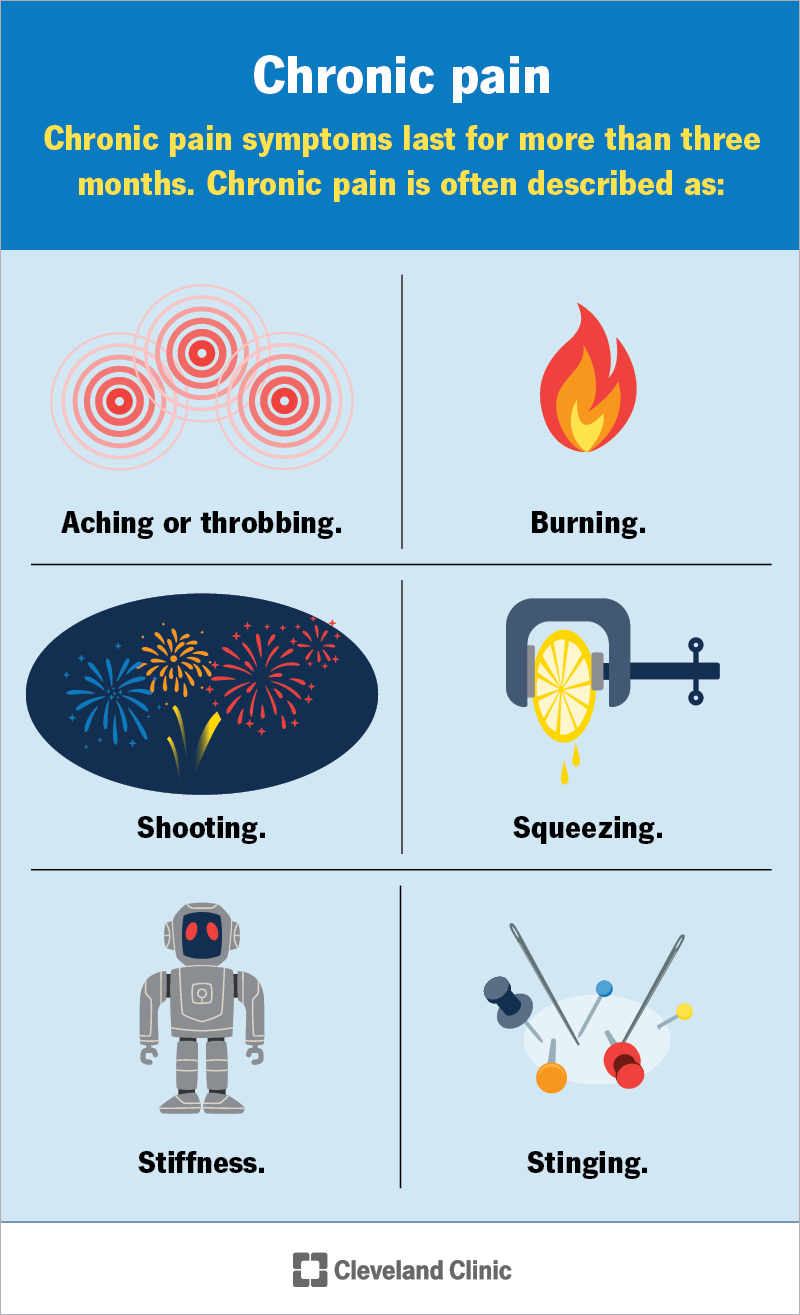
Chronic pain is pain that persists for at least three months. It may be constant, or it may come and go like a moody Wi-Fi signal. It can feel sharp, dull, burning, aching, throbbing, shooting, squeezing, or electric. It may affect one area, such as the lower back or knee, or it may appear in multiple parts of the body.
Pain itself is a protective signal. Acute pain warns you that something needs attention: a sprained wrist, a hot pan, a dental infection, a strained muscle. Chronic pain is different because the alarm may continue after tissues have healed, or it may arise from long-term disease, nerve changes, inflammation, or altered pain processing in the nervous system.
Chronic Pain vs. Acute Pain
Acute pain usually has a clear beginning and a reasonable end. You twist your ankle, it swells, you rest it, and eventually it stops auditioning for a medical drama. Chronic pain is more complicated. It may continue even when scans look normal, blood tests are quiet, or the original injury is old news. This is one reason chronic pain can be frustrating for patients. They feel real pain, but the cause is not always easy to see on a test.
Doctors sometimes describe chronic pain in categories. Nociceptive pain comes from tissue damage or inflammation, such as osteoarthritis. Neuropathic pain comes from nerve injury or irritation, such as diabetic neuropathy or sciatica. Nociplastic pain involves changes in how the nervous system processes pain, as seen in conditions such as fibromyalgia. Many people have a blend of these types, which is why one-size-fits-all treatment usually fits about as well as borrowed shoes.
Common Symptoms of Chronic Pain
The main symptom is ongoing pain, but chronic pain rarely travels alone. It often brings a suitcase full of extra problems.
Physical Symptoms
People with chronic pain may experience aching joints, muscle stiffness, burning nerve sensations, headaches, back pain, pelvic pain, abdominal pain, neck pain, or widespread tenderness. Some have pain triggered by movement, weather changes, stress, poor sleep, certain foods, or long periods of sitting. Others may develop sensitivity to touch, where something normally harmless, like clothing brushing the skin, feels painful.
Fatigue is also common. Living with pain takes energy. The body may feel like it is running too many apps in the background, draining the battery before lunch. Sleep problems can make this worse, creating a frustrating cycle: pain disrupts sleep, poor sleep increases pain sensitivity, and then the next day arrives wearing tap shoes.
Emotional and Cognitive Symptoms
Chronic pain can affect mood, focus, memory, and motivation. Anxiety, depression, irritability, frustration, and social withdrawal are common. This does not mean the pain is imaginary. It means pain and the brain communicate constantly. When pain becomes long-term, it can influence stress hormones, attention, emotions, and coping patterns.
Some people describe “brain fog,” especially when pain is severe or sleep is poor. They may forget appointments, lose words mid-sentence, or walk into a room and wonder why they entered it. To be fair, everyone does that occasionally, but chronic pain can make it feel like the mind is moving through wet cement.
What Causes Chronic Pain?
Chronic pain has many possible causes. Sometimes the cause is clear. Sometimes it is a detective story with multiple suspects and no dramatic courtroom confession.
Common Medical Causes
Conditions linked to chronic pain include arthritis, migraine, endometriosis, fibromyalgia, inflammatory bowel disease, neuropathy, multiple sclerosis, spinal stenosis, herniated discs, sickle cell disease, autoimmune disorders, cancer or cancer treatment, shingles complications, surgical injuries, and old fractures or sprains. Chronic low back pain is one of the most common forms and may involve muscles, discs, nerves, joints, posture, workload, stress, or deconditioning.
Nervous System Changes
In some cases, the nervous system becomes more sensitive over time. This process is sometimes called central sensitization. Imagine a smoke detector that starts screaming not only for smoke, but also for toast, steam, birthday candles, and someone saying the word “barbecue.” The nervous system becomes better at producing pain, even when danger is low.
This is why chronic pain management often focuses on calming the nervous system, improving movement confidence, reducing fear of activity, and rebuilding function gradually. The body needs reassurance, not a lecture.
How Chronic Pain Is Diagnosed
There is no single universal chronic pain test. Diagnosis usually begins with a detailed medical history and physical exam. A healthcare provider may ask where the pain is, when it started, what it feels like, what makes it better or worse, how it affects daily life, and what treatments have already been tried.
Depending on symptoms, tests may include blood work, X-rays, MRI, CT scans, nerve studies, ultrasound, or specialist evaluation. But tests are tools, not fortune-tellers. A scan can show arthritis in someone with no pain, or look fairly normal in someone with severe pain. Good chronic pain care combines test results with the patient’s story, function, goals, medical history, and risk factors.
When to Seek Medical Care Quickly
People should seek urgent medical help for pain with chest pressure, trouble breathing, sudden weakness, loss of bladder or bowel control, high fever, unexplained weight loss, new confusion, severe headache, major trauma, or signs of infection. Chronic pain may be long-term, but new or dangerous symptoms should never be shrugged off like a spam email.
Chronic Pain Treatment Options
The best chronic pain treatment plan is usually multimodal, meaning it uses more than one approach. Pain is complex, so treatment often works best when it addresses the body, mind, movement, sleep, stress, and daily routines together.
Physical Therapy and Movement
Physical therapy is a cornerstone of chronic pain management. A physical therapist can help improve strength, flexibility, balance, posture, body mechanics, and confidence with movement. The goal is not to punish the body with heroic workouts. The goal is to build capacity slowly, safely, and consistently.
For many people, gentle movement is medicine. Walking, stretching, swimming, tai chi, yoga, cycling, and low-impact strength training may help reduce stiffness and improve function. The key is pacing. Doing too much on a “good day” can trigger a flare, while doing nothing for too long can increase weakness and sensitivity. Chronic pain prefers extremes; management prefers rhythm.
Medications
Medication choices depend on the cause and type of pain. Options may include acetaminophen, nonsteroidal anti-inflammatory drugs, topical creams or patches, certain antidepressants, anti-seizure medicines used for nerve pain, muscle relaxants, or other condition-specific treatments. Some medications help pain directly, while others improve sleep, nerve signaling, inflammation, or mood.
Opioids may be appropriate for some people in specific situations, such as cancer-related pain, palliative care, severe acute pain, or carefully selected chronic pain cases. However, they are generally not the first-line treatment for most chronic noncancer pain because of risks such as tolerance, dependence, overdose, constipation, sleep-disordered breathing, and interactions with other medicines. When opioids are used, clinicians usually weigh benefits and risks carefully, set functional goals, monitor closely, and combine them with non-drug strategies.
Behavioral and Psychological Therapies
Cognitive behavioral therapy, acceptance and commitment therapy, mindfulness-based strategies, relaxation training, and pain coping skills can help people respond to pain in healthier ways. These approaches do not claim that pain is fake. They recognize that pain is influenced by stress, fear, attention, sleep, mood, and expectations.
For example, someone who fears movement may avoid activity, lose strength, become more sensitive, and experience more pain. A therapist trained in chronic pain can help break this cycle with practical tools, graded exposure, breathing techniques, thought reframing, and values-based goal setting.
Procedures and Interventional Pain Management
Some patients benefit from injections, nerve blocks, radiofrequency ablation, spinal cord stimulation, implanted devices, or other interventional treatments. These are typically considered when conservative care is not enough or when a specific pain generator can be targeted. Procedures are not magic wands, but for the right person, they can reduce pain enough to make rehabilitation and daily life more manageable.
Complementary Approaches
Complementary options may include acupuncture, massage, mindfulness meditation, yoga, spinal manipulation, heat and cold therapy, biofeedback, and relaxation exercises. Evidence varies by condition and therapy, so it is smart to discuss these options with a healthcare provider, especially if you have osteoporosis, nerve problems, pregnancy, bleeding risk, immune suppression, or complex medical conditions.
Daily Management Strategies That Actually Matter
Chronic pain management is not only what happens in a clinic. It is also the everyday choices that reduce flare frequency, protect energy, and keep life moving.
1. Track Patterns Without Becoming a Pain Accountant
A simple pain diary can reveal patterns: sleep, stress, meals, weather, activity, medication timing, menstrual cycles, work demands, or emotional strain. The goal is not to obsess over every twinge. The goal is to identify useful clues. A three-line daily note is often enough: pain level, activity level, and anything unusual.
2. Use Pacing
Pacing means dividing activities into manageable portions before pain forces you to stop. Instead of cleaning the whole kitchen like a caffeinated tornado, clean one section, rest, stretch, and continue later. Pacing helps prevent the boom-and-bust cycle: overdo, crash, recover, repeat.
3. Prioritize Sleep
Sleep is not a luxury for people with chronic pain; it is part of the treatment plan. A consistent bedtime, reduced screen time before bed, morning light exposure, limited late caffeine, and a comfortable sleep setup can help. If pain regularly destroys sleep, talk with a clinician. Poor sleep can make the nervous system more reactive.
4. Build a Support Team
A strong pain care team may include a primary care clinician, physical therapist, pain specialist, mental health professional, pharmacist, occupational therapist, dietitian, and supportive family or friends. Chronic pain can be isolating, so connection matters. Nobody should have to explain their pain to a skeptical houseplant because everyone else has stopped listening.
5. Set Function Goals
Pain scores matter, but function matters too. Helpful goals might include walking around the block, cooking dinner twice a week, returning to school or work with accommodations, sleeping six hours, playing with a child, gardening for ten minutes, or attending a social event. Progress can be slow, but small wins count. Chronic pain recovery often looks less like a movie montage and more like patient, stubborn, unglamorous consistency.
Living With Chronic Pain: Real-World Experiences and Lessons
Many people with chronic pain describe a long period of confusion before they find a plan that works. At first, they may chase a single cure: one scan, one pill, one specialist, one perfect pillow, one supplement recommended by a cousin who also sells candles online. The search is understandable. Pain demands answers. But chronic pain often improves through layers of support rather than one dramatic solution.
One common experience is the “invisible illness” problem. A person may look fine while privately managing severe discomfort, fatigue, or nerve sensitivity. Friends might say, “But you seemed okay yesterday.” That can be true and incomplete. Chronic pain fluctuates. A person can laugh at lunch and need two hours of recovery afterward. They can attend a birthday party and spend the next day in bed. Visibility is not the same as severity.
Another lesson is that movement can feel scary. When pain flares after activity, it is natural to think movement is dangerous. But with many chronic pain conditions, careful movement is part of rebuilding safety. A physical therapist might start with tiny goals: standing for two minutes, walking to the mailbox, stretching gently, or strengthening one muscle group at a time. This can feel almost too small to matter, but the nervous system often responds better to steady reassurance than dramatic heroics.
People also learn that communication with clinicians matters. Saying “my pain is an eight” is useful, but adding details is even better: “I can sit for only 20 minutes,” “I wake up four times a night,” “stairs make my leg burn,” or “I stopped grocery shopping because I cannot stand in line.” These details help providers understand function, not just intensity.
Work and school accommodations can be life-changing. Flexible scheduling, ergonomic chairs, standing desks, rest breaks, remote options, modified duties, voice-to-text tools, or lighter backpacks may help people remain active in daily life. The goal is not special treatment; it is practical access. A ramp does not give someone an unfair advantage. It lets them enter the building.
Relationships may need adjustment too. Loved ones often want to help but do not know how. Clear requests work better than hints. “Please carry the laundry basket,” “I need a quiet evening,” or “Can we choose a restaurant with comfortable seating?” is more useful than hoping everyone becomes a mind reader. Most families are not equipped with psychic software.
Emotionally, many people grieve the version of life they had before chronic pain. That grief is real. It may include anger, sadness, envy, fear, and exhaustion. Support groups, therapy, journaling, faith communities, creative outlets, and trusted friends can help. Acceptance does not mean giving up. It means stopping the daily argument with reality long enough to make a plan.
Over time, successful management often becomes less about “defeating” pain and more about building a life that pain does not fully control. That may include treatment, boundaries, humor, patience, medical care, and a willingness to celebrate modest victories. Showered today? Victory. Took a walk? Victory. Asked for help instead of silently suffering? Major victory. Chronic pain is hard, but people are remarkably good at adapting when they receive the right support.
Conclusion
Chronic pain is more than long-lasting discomfort. It is a complex health condition that can affect the nervous system, movement, sleep, mood, identity, work, and relationships. It may begin with injury, illness, inflammation, nerve damage, surgery, or no obvious cause at all. Whatever the source, chronic pain deserves serious, compassionate care.
Effective chronic pain treatment usually combines medical evaluation, physical rehabilitation, medication when appropriate, behavioral support, lifestyle changes, sleep improvement, pacing, and realistic goals. The best plans are personalized. They focus not only on lowering pain, but also on helping people move better, sleep better, think more clearly, participate in life, and feel less alone.
Note: This article is for educational purposes only and should not replace professional medical advice, diagnosis, or treatment. Anyone with severe, worsening, or unusual pain should contact a qualified healthcare professional.