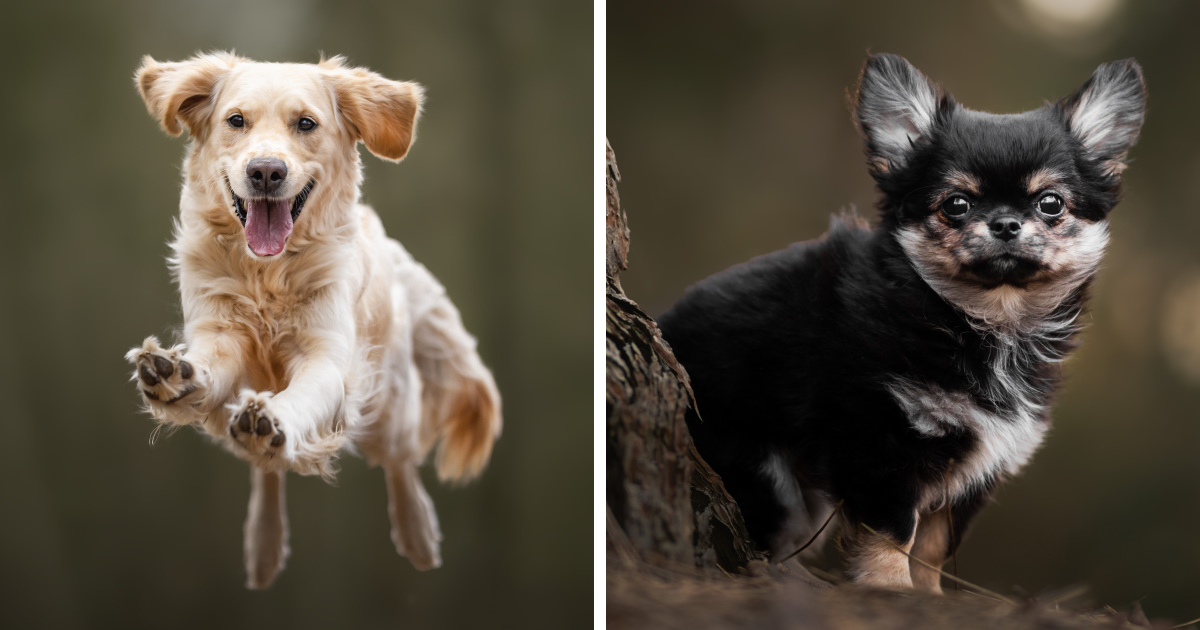
There are two kinds of people in the world: people who love dogs, and people who have not yet been properly introduced to a dog with eyebrows, dramatic ears, and the emotional range of a Shakespearean actor. As a Dutch dog photographer, I have spent countless hours crouching in grass, negotiating with treats, waiting for the perfect head tilt, and accepting that my clothes will never again be completely free of fur. Honestly, it is a small price to pay.
This collection of 37 favorite shots is a celebration of canine beauty, personality, and wonderfully chaotic charm. Dog photography is not just about making a pet look cute, although dogs do tend to handle that part with suspicious ease. It is about capturing character: the shy glance of a rescue dog learning to trust, the proud stance of a working breed, the zoomie-powered blur of a young pup, or the wise, calm eyes of a senior dog who has clearly seen humanity open far too many snack bags without sharing.
In the Netherlands, where soft skies, green fields, dunes, forests, and charming village paths create beautiful natural backdrops, photographing dogs can feel like working inside a living postcard. But the real magic is never just the scenery. It is the relationship between the dog, the camera, the handler, and the moment. A great dog portrait says, “This is who I am,” even if the dog’s main personality trait is stealing socks and pretending not to know about it.
Why Dog Photography Feels So Different From Regular Portrait Photography
Photographing a dog is not the same as photographing a person. A person can usually understand phrases like “turn slightly toward the light” or “hold that pose.” A dog hears those same instructions and thinks, “Excellent, this human is making noises. I shall now sniff this leaf with deep professional commitment.” That unpredictability is exactly what makes pet photography so rewarding.
Every dog arrives with a different story. Some are confident and ready to model as if they have a contract with a luxury kibble brand. Others are cautious, sensitive, or overwhelmed by new places. A good dog photographer must read body language, adjust the pace, and make the session feel safe. Comfort always comes before the shot. When a dog is relaxed, the eyes soften, the ears settle naturally, and the portrait becomes honest instead of forced.
That is why many of my favorite images are not technically perfect in a cold, mechanical sense. They are favorite shots because they feel alive. A little mud on the paws, a tilted horizon from chasing the action, or a goofy tongue escaping at the wrong moment can become the very thing that makes a photograph unforgettable.
The Secret Ingredient: Personality Before Perfection
The best dog portraits do not begin with the camera. They begin with observation. Is the dog playful, elegant, stubborn, nervous, sleepy, curious, or convinced that every pocket in the universe contains cheese? Before I press the shutter, I watch how the dog moves and reacts. Some dogs shine in action shots. Some look majestic while sitting quietly. Some need a toy. Some need patience. Some need a break. And some need to roll in something mysterious right before the most expensive part of the session.
For expressive dog portraits, I often use simple prompts rather than strict posing. A squeaky toy can create alert ears. A familiar command can bring confidence. A favorite treat can produce intense eye contact, though occasionally it also produces drool that deserves its own ZIP code. The goal is not to turn dogs into statues. The goal is to let them be dogs in the most beautiful light possible.
Light: The Quiet Hero Behind Every Great Dog Portrait
Natural light is one of the most flattering tools in dog photography. Early morning and late afternoon often create soft, warm tones that make fur glow and eyes sparkle. Cloudy Dutch days, which arrive with impressive enthusiasm, can also be a gift. Overcast light reduces harsh shadows and helps preserve detail in dark coats, white fur, and expressive faces.
Bright midday sun can be tricky, especially for dogs with shiny black coats or very pale fur. Strong light may create harsh contrast, blown-out highlights, or squinty expressions. Nobody wants a noble shepherd to look like it just checked its phone brightness at 3 a.m. When the light is too strong, shade, tree cover, or a softer background can save the session.
Indoors, window light works beautifully. A dog resting near a large window can look peaceful, intimate, and timeless. The key is to avoid clutter and let the light shape the face. A simple blanket, a favorite chair, or even a wooden floor can become a studio when the dog feels at home.
Action Shots: When the Dog Becomes a Furry Rocket
Some of my favorite shots come from action sessions. Dogs running through fields, splashing in water, leaping over sand, or charging toward the camera with total commitment can create images full of joy. These moments require fast shutter speeds, good focus, and a willingness to get low to the ground. Very low. “I may never stand up again” low.
Action photography shows a dog’s athleticism and spirit. A border collie flying after a ball, a retriever shaking water from its coat, or a dachshund sprinting with heroic seriousness can all tell different stories. The trick is to anticipate the movement rather than react too late. I usually plan the direction of the run, check the background, focus on the eyes, and then let the dog do what dogs do best: turn a calm plan into a comedy scene with excellent lighting.
Portraits That Celebrate Breed, Shape, And Soul
One of the joys of dog photography is the incredible variety of canine faces. The American Kennel Club recognizes hundreds of breeds worldwide, and each comes with its own structure, coat, expression, and personality traits. But even within a breed, no two dogs are the same. A corgi can look like a tiny royal advisor. A poodle can look like it knows more about art history than you do. A terrier can look as if it has just founded a small but determined revolution.
When photographing dogs, I try to honor both the breed and the individual. Long coats need room to move. Short-haired dogs may benefit from strong shapes and clean backgrounds. Senior dogs deserve gentle pacing and comfortable poses. Puppies need speed, patience, and the emotional resilience of a kindergarten teacher during glitter hour.
The most meaningful portraits are often the ones that reveal something personal: a crooked ear, a cloudy old eye, a favorite toy, a proud working stance, or the way a dog leans into its human. These details turn a nice picture into a memory.
Why The Background Matters More Than People Think
A beautiful dog can still get lost in a messy background. That is why location scouting is a major part of my process. I look for clean lines, soft colors, natural textures, and enough space to separate the dog from the surroundings. Dutch landscapes offer plenty of variety: forest paths, heathlands, beaches, old brick streets, garden corners, and misty fields that make even a muddy paw look poetic.
The background should support the dog, not compete with it. A golden retriever against tall grass can feel warm and nostalgic. A black dog against pale sand or soft green moss can create contrast. A small dog photographed from a low angle can suddenly look heroic, as if it is about to lead a tiny army into battle against the vacuum cleaner.
Good composition also means watching for distractions. Trash bins, parked cars, random signposts, and bright patches of color can pull attention away from the subject. The best backgrounds feel natural, but they are rarely accidental.
Working With Shy, Energetic, And “Absolutely Not Today” Dogs
Every dog photographer eventually meets the dog who has read the schedule and rejected it. Some dogs are shy. Some are overstimulated. Some are so excited that they become a blur with ears. This is where patience matters more than gear.
For nervous dogs, I begin slowly. I avoid sudden movements, keep the camera from becoming intimidating, and let the dog explore. I may photograph from farther away at first, using a longer lens so the dog does not feel crowded. For energetic dogs, I often start with movement. Let them run, sniff, play, and spend some of that sparkling chaos. A tired dog is not always a calm dog, but it is often a dog with slightly fewer opinions.
Breaks are essential. Water, shade, treats, and quiet time keep the session positive. A pet portrait should never feel like a battle of wills. If the dog is done, the dog is done. Respecting that boundary often leads to better images later, because trust is the real foundation of the session.
Details That Make Dog Photos Feel Emotional
Big portraits are wonderful, but small details can be just as powerful. A close-up of muddy paws after a beach run. A gray muzzle resting on a human hand. A wet nose with a tiny reflection of the sky. A tail frozen mid-wag. These details remind viewers that dogs are not just pets; they are daily companions, routine inspectors, emotional support comedians, and expert supervisors of kitchen activity.
Detail shots are especially meaningful for older dogs. Many owners treasure images of the little things they know by heart: the soft fur behind the ears, the white patch on the chest, the way one paw turns outward. These photographs become keepsakes because they preserve the ordinary details that someday feel extraordinary.
Editing: Enhancing The Moment Without Losing The Dog
Post-processing is part of modern pet photography, but the goal is not to turn a dog into a plastic cartoon with laser eyes. Editing should support the mood of the image while keeping the dog natural. I usually focus on exposure, contrast, color balance, sharpness around the eyes, and gentle cleanup of distractions.
Dark-coated dogs may need careful shadow recovery so their expressions remain visible. White dogs require highlight control to keep fur texture. Colorful backgrounds may need subtle adjustments so they do not overpower the subject. The best edit is one that makes the viewer feel the moment more clearly without noticing the editing first.
What My Favorite 37 Shots Have In Common
Although each image in a favorite collection has its own mood, the strongest dog photographs usually share a few qualities. They show personality. They feel honest. They have clear light, thoughtful composition, and emotional connection. Some are elegant. Some are silly. Some are peaceful. Some are full of movement. Together, they create a reminder that dogs are endlessly expressive creatures.
My favorite shots are not always the ones I expected to love. Sometimes it is the frame between poses, when the dog glances sideways. Sometimes it is the moment after a run, when the tongue is out and the eyes are bright. Sometimes it is a quiet portrait where nothing dramatic happens, yet everything about the dog is present.
That is the beauty of canine photography: the best image may arrive one second after the planned shot fails.
Experiences From Behind The Camera
After many dog photography sessions, I have learned that no two shoots are ever truly alike. I can arrive with a plan, a location, a shot list, clean shoes, and the confidence of a person who has clearly forgotten how dogs work. Within ten minutes, the plan may include unexpected rain, a dog who only wants to face away from the camera, and a tennis ball that has vanished into the landscape like a tiny green submarine.
One of the most memorable experiences is photographing dogs in windy weather. In the Netherlands, wind has a personality. It does not simply blow; it participates. Long-haired dogs can look spectacular when the breeze lifts their coats, creating movement and drama. Of course, the same wind can also flip ears inside out, blow treats into the grass, and give humans a hairstyle best described as “startled haystack.” Still, windy portraits often become favorites because they feel alive and cinematic.
Beach sessions bring another kind of magic. Dogs often become their truest selves near water. Some charge into the waves like heroes. Others delicately touch one paw to the surf and immediately file a formal complaint. Sand creates clean, bright backgrounds, while reflections in wet areas add depth and atmosphere. The challenge is protecting gear, watching the tide, and accepting that at least one dog will shake water directly beside the lens with the precision of a tiny sprinkler system.
Forest sessions are quieter and more intimate. The filtered light, mossy textures, and earthy colors create a calm setting for portraits. Dogs who are easily distracted may enjoy the smells a little too much, but that is part of the story. A nose to the ground, ears forward, tail raisedthese moments show curiosity. Not every photograph needs eye contact. Sometimes the best image is a dog fully engaged with the world.
I have also learned how deeply emotional these sessions can be for owners. A dog photography session may celebrate a new puppy, a rescue anniversary, a birthday, a competition achievement, or simply the bond between a person and their best friend. Sometimes it is a farewell session for an elderly or ill dog. Those shoots are gentle, quiet, and deeply meaningful. The goal is not perfection. The goal is tenderness: a soft look, a familiar touch, a peaceful memory preserved with care.
The funniest experiences usually involve treats. Dogs can hear a treat bag from a distance that science has not yet fully explained. One tiny sound and suddenly every dog in the area becomes a professional model. Treats help with attention, but they also create intense expressions. Some dogs gaze at the camera with soulful beauty. Others stare with the urgency of a lawyer presenting evidence. Both are valid artistic directions.
Working with multiple dogs adds another layer of comedy. Getting one dog to look at the camera is possible. Getting two dogs to look at the camera is a negotiation. Getting three or more dogs to look at the camera at the same time requires timing, luck, strange noises, and sometimes the dignity-sacrificing willingness to squeak like an injured rubber duck. When it works, though, the result is pure joy.
The greatest lesson I have learned is that dogs do not need to be perfect to be beautiful. A crooked sit, a muddy nose, a missing tooth, an awkward ear, or a wild expression can make a portrait more personal. Owners do not love their dogs because they are flawless. They love them because they are unmistakably themselves.
That is why these favorite shots matter. They are not just pictures of dogs. They are little stories about trust, play, patience, humor, and companionship. They remind us that beauty can be found in a flying ear, a sandy paw, a serious stare, or a joyful sprint toward someone holding a treat. And if that is not art, then art needs to spend more time with dogs.
Conclusion
Dog photography is a blend of technical skill, animal awareness, patience, and a healthy tolerance for mud. A strong image depends on light, timing, composition, and focus, but the heart of the photograph comes from the dog’s personality. Whether the subject is majestic, goofy, shy, bold, sleepy, or determined to eat grass at the worst possible moment, every dog has a story worth capturing.
As a Dutch dog photographer, my favorite shots are the ones that feel honest. They celebrate not only canine beauty, but also the bond between dogs and the people who love them. From action portraits in open fields to quiet close-ups of gray muzzles and soft eyes, these images show why dogs continue to be one of the most joyful subjects in photography. They do not pose for fame. They do not care about trends. They simply show up as themselvesand somehow, that is always enough.