A newborn puppy with a cleft palate is tiny, hungry, fragile, andlet’s be honestoften louder than something the size of a baked potato should legally be allowed to be. But beneath those squeaks is a serious medical emergency. A cleft palate is an opening in the roof of the mouth that allows milk to pass into the nasal passages and sometimes the airway. For a newborn puppy, that can quickly lead to choking, starvation, dehydration, or aspiration pneumonia.
The good news? A cleft palate puppy is not automatically without hope. Many puppies can survive when caregivers act fast, work closely with a veterinarian, and commit to careful round-the-clock support. The goal is simple but demanding: prevent milk from entering the lungs, keep the puppy warm and nourished, monitor every gram of weight, treat infections early, and help the puppy grow strong enough for possible surgical repair.
This guide explains three practical ways to save a newborn puppy with a cleft palate: recognizing the problem early, feeding safely under veterinary guidance, and planning long-term care. It is written for breeders, rescuers, foster caregivers, and panicked humans currently holding a squeaky puppy at 2 a.m. First rule: breathe. Second rule: call your veterinarian.
What Is a Cleft Palate in a Newborn Puppy?
A cleft palate is a congenital defect, meaning the puppy is born with it. During normal development, the tissues that form the roof of the mouth join together. When they do not close completely, a gap remains between the mouth and nasal cavity. This gap may affect the hard palate, the soft palate, the lip, or a combination of these structures.
In mild cases, the defect may be small. In severe cases, the opening can run a long distance along the roof of the mouth. The danger is not just cosmetic. A puppy needs suction to nurse. When the palate is open, the puppy may be unable to create a proper seal. Milk can come out of the nose, travel toward the lungs, or fail to reach the stomach in enough volume. That is why cleft palate in puppies is often associated with poor weight gain, repeated respiratory infections, and failure to thrive.
Some breeds appear more commonly affected, especially short-nosed or brachycephalic breeds, but any puppy can be born with a cleft palate. Genetics, nutrition, certain medications or toxins during pregnancy, and developmental accidents may all play a role. Whatever the cause, the immediate priority is not blame. It is survival.
Way 1: Recognize the Signs Early and Stop Unsafe Nursing
Check Every Newborn Puppy Carefully
The first way to save a newborn puppy with a cleft palate is to identify the defect before the puppy aspirates milk. Every newborn should be checked soon after birth. Wash your hands, make sure the puppy stays warm, and gently open the mouth. You may see a visible split, hole, or groove in the roof of the mouth. Sometimes the cleft is obvious. Sometimes it is sneaky, like a tiny trapdoor designed by a villain with a veterinary degree.
Do not rely only on appearance. Some clefts are difficult to see without a proper veterinary exam. Watch feeding behavior closely. A puppy with a cleft palate may latch poorly, make clicking sounds while nursing, sneeze during or after feeding, cough, gag, or have milk bubbling from the nose. The puppy may seem hungry all the time because it is working hard but not getting enough nutrition.
Red Flags That Need Immediate Veterinary Help
Call a veterinarian immediately if you notice milk coming from the nose, labored breathing, blue or pale gums, weakness, repeated coughing, unusual crying, failure to gain weight, or a cold body temperature. Newborn puppies can decline very fast because they have little energy reserve. A puppy that looks “a little off” in the morning can be critically ill by evening.
Aspiration pneumonia is one of the biggest threats. It happens when milk or fluid enters the lungs, causing inflammation and infection. Signs may include rapid breathing, crackling sounds, fever, lethargy, nasal discharge, and poor nursing. In neonates, symptoms can be subtle at first. When in doubt, assume it is urgent. Puppies do not read medical textbooks, and they rarely wait politely for office hours.
Do Not Let the Puppy Continue Nursing Normally
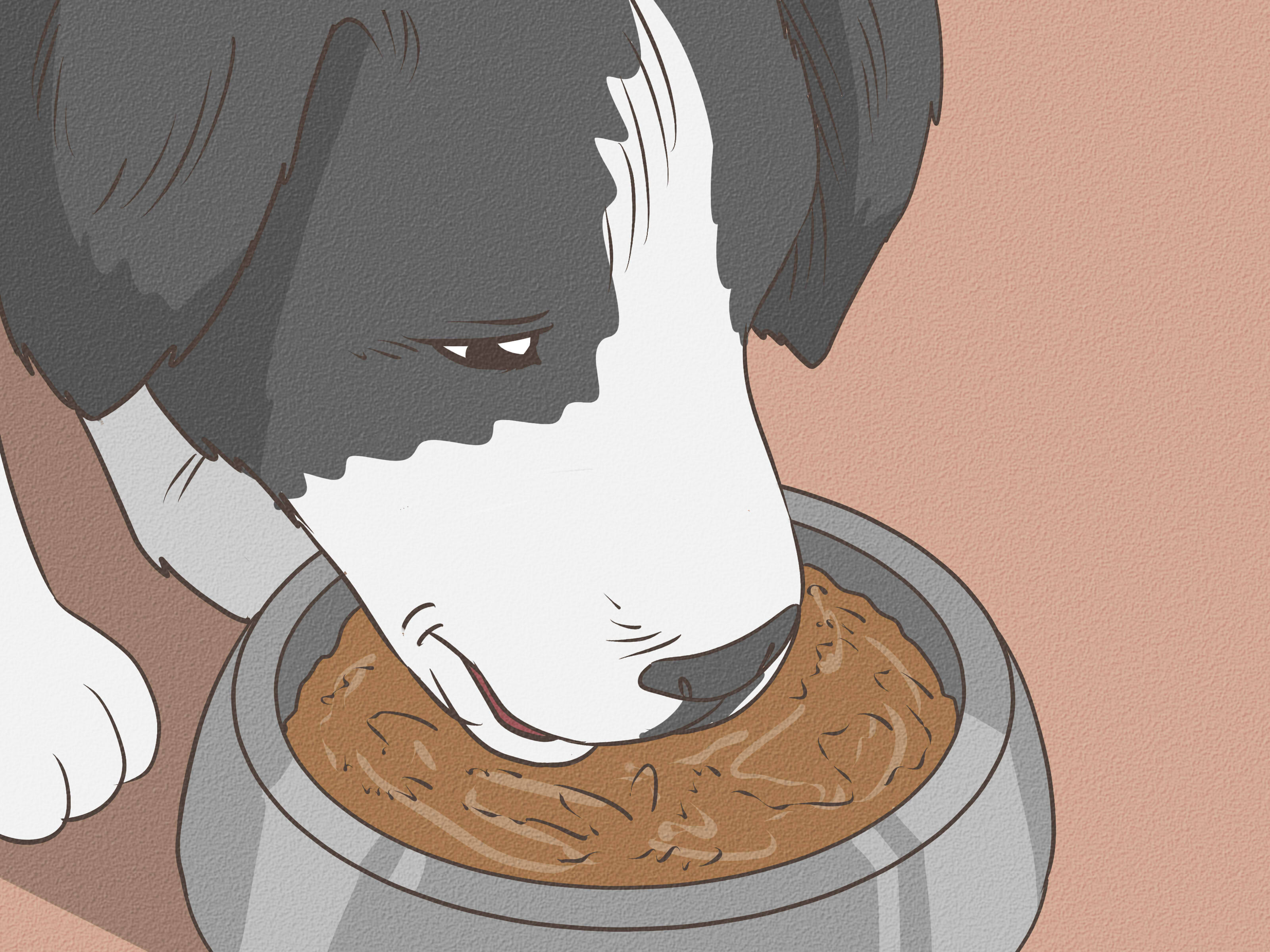
If you suspect a cleft palate, do not continue normal nursing until a veterinarian has examined the puppy. Nursing from the mother may feel natural, but it can be dangerous when milk enters the wrong place. Bottle-feeding can also be risky because the puppy may still be unable to swallow safely. Syringe feeding, eyedroppers, and squeezing milk into the mouth are especially dangerous because they can force liquid into the airway.
Separate the affected puppy only as needed for safety and feeding. The puppy still needs warmth, gentle stimulation, and clean bedding. If possible, keep the puppy near the mother between supervised care sessions, as long as the dam is calm and the puppy is not allowed to nurse unsafely. The mission is to prevent aspiration without depriving the puppy of comfort.
Way 2: Use Vet-Guided Tube Feeding and Strict Neonatal Care
Why Tube Feeding Is Often the Lifeline
For many newborn puppies with cleft palate, tube feeding is the safest way to deliver nutrition because it bypasses the mouth and places milk replacer directly into the stomach. This is not a casual kitchen experiment. Tube feeding must be demonstrated by a veterinarian or trained veterinary professional. Done correctly, it can save a puppy’s life. Done incorrectly, it can place formula into the lungs or overfill the stomach, which can be fatal.
Your veterinarian can help choose the correct feeding tube size, measure the tube, calculate feeding volume, and show you how to confirm placement. The tube is usually measured from the puppy’s nose to the last rib and marked so it is inserted to the correct depth. Formula should be warmed to body temperature, not microwaved, and the puppy should be warm before feeding. A cold puppy cannot digest properly.
Build a Feeding Schedule That Works
Newborn puppies need frequent feeding. Depending on age, size, health, and veterinary instructions, that may mean feeding every two to three hours around the clock. Yes, this includes the hours when reasonable adults are asleep and unreasonable puppies are not.
Use a high-quality commercial puppy milk replacer, not cow’s milk or human infant formula. The amount per feeding must be calculated based on the puppy’s weight and total daily needs. Overfeeding is dangerous because a full stomach can lead to regurgitation and aspiration. Underfeeding is also dangerous because the puppy may become weak, hypoglycemic, and dehydrated.
Keep a written log. Record the time, body weight, amount fed, urine and stool output, temperature concerns, behavior, and any coughing or nasal discharge. A simple notebook can become your puppy’s survival dashboard. If the puppy is not gaining weight or suddenly seems weaker, your vet needs that information quickly.
Warmth Comes Before Food
Neonatal puppies cannot regulate body temperature well. A chilled puppy may not digest formula and can spiral into weakness. Keep the puppy in a warm, draft-free environment with safe heat support. Use a heating pad only with caution: it should be set low, covered with towels, and arranged so the puppy can crawl away from heat. Overheating is dangerous too. Tiny puppies are not thermostats; they are fuzzy weather emergencies.
Before feeding, the puppy should feel warm, active enough to respond, and not limp or cold. If the puppy is cold, contact your veterinarian about safe warming before feeding. Feeding a cold puppy can worsen problems. After feeding, gently stimulate the puppy to urinate and defecate using a warm, damp cotton ball or cloth, similar to how the mother would lick the puppy.
Protect the Puppy from Infection
A cleft palate puppy is vulnerable. Wash hands before handling. Keep feeding supplies clean. Prepare formula carefully and discard leftovers as directed. Bedding should stay dry because dampness chills puppies and encourages bacteria. If the puppy develops nasal discharge, coughing, fever, poor appetite, or breathing changes, contact the veterinarian immediately. Antibiotics may be needed if pneumonia or infection is present, but medication should never be guessed at home.
Way 3: Treat Complications and Plan for Surgical Repair
Understand the Timing of Surgery
Surgery is often the definitive treatment for a cleft palate, but newborn puppies are usually too small and fragile for immediate repair. Many veterinarians prefer to wait until the puppy is older, larger, and stronger, often around three to four months or later depending on the case. Some specialists may plan earlier or later based on the size of the defect, the puppy’s health, breed anatomy, and anesthesia risk.
The purpose of surgery is to close the abnormal opening so food and liquid no longer pass between the mouth and nasal cavity. Repair may involve creating tissue flaps from the palate or nearby oral tissue. Some puppies need more than one procedure. A large or complicated cleft may require a veterinary surgeon or veterinary dentist with advanced training.
Prepare the Puppy for the Best Possible Outcome
The weeks before surgery matter. A puppy that arrives at the surgical stage strong, hydrated, and free of active pneumonia has a better chance than a puppy who is underweight and struggling. This is why daily weight tracking, safe feeding, warmth, and early treatment of respiratory symptoms are not optional details. They are the bridge between birth and repair.
Your veterinarian may recommend chest X-rays if aspiration pneumonia is suspected. They may also discuss bloodwork, nutrition adjustments, parasite control, vaccination timing, or referral to a specialist. The care plan should be individualized. Online advice can be helpful for understanding the road ahead, but your puppy’s mouth, lungs, and growth chart get the final vote.
Post-Surgery Care Is Serious Business
After cleft palate repair, the puppy will need careful recovery. Typical instructions may include soft food or tube feeding for a period of time, no hard toys, no chewing on blankets, and an Elizabethan collar to prevent rubbing at the face. If antibiotics or pain medications are prescribed, give them exactly as directed. Do not allow rough play until the veterinarian clears it.
The repaired tissue needs time to heal without tension or trauma. A puppy may feel better before the surgical site is fully strong, which is adorable and inconvenient. Think of the puppy as a tiny athlete after dental surgery: enthusiastic, completely unreasonable, and in need of supervision.
Common Mistakes That Can Put a Cleft Palate Puppy at Risk
Using a Syringe or Eyedropper to Force Milk
Forced feeding can push liquid into the airway. Even a small amount of formula in the lungs can become life-threatening. If the puppy cannot nurse safely, ask your veterinarian to teach tube feeding rather than improvising with syringes.
Skipping Daily Weigh-Ins
Weight gain is one of the clearest signs that a newborn puppy is surviving and developing. Use a gram scale and weigh at the same times each day. A puppy that is not gaining needs veterinary attention and a feeding-plan review.
Feeding a Cold Puppy
Warmth is not a luxury. It is part of digestion, circulation, and survival. A chilled puppy should be warmed safely before feeding, with veterinary guidance if the puppy is weak or unresponsive.
Waiting Too Long to Treat Breathing Problems
Aspiration pneumonia can move quickly. Coughing, nasal discharge, rapid breathing, crackly breathing, blue gums, or sudden weakness should be treated as urgent. Newborn puppies are small, and small patients do not have much room for “let’s see what happens.”
Supplies Caregivers Commonly Need
Your veterinarian should guide your exact supplies, but caregivers often need a digital gram scale, commercial puppy milk replacer, feeding tubes of the correct size, syringes that attach to the tube, a thermometer, clean towels, a safe heat source, disinfected feeding equipment, a notebook or digital log, and emergency clinic contact information. Keep everything organized. At 3 a.m., nobody wants to search for a syringe while a hungry puppy yells like a smoke alarm with paws.
When Humane Decisions Need to Be Discussed
Saving a newborn puppy with a cleft palate can be possible, but it can also be exhausting, expensive, and medically complicated. Some puppies have additional birth defects, severe pneumonia, or defects too extensive for a good quality of life. A compassionate veterinarian can help you understand prognosis, treatment options, costs, and welfare considerations.
Having this conversation is not giving up. It is responsible care. The goal is always to reduce suffering and give the puppy the best chance at a safe, comfortable life. Sometimes that means intensive support and surgery. Sometimes it means making a heartbreaking decision with kindness. Both require love.
Experience-Based Lessons: What Caregivers Learn While Raising a Cleft Palate Puppy
People who successfully raise cleft palate puppies often describe the experience as part medical routine, part endurance sport, and part emotional roller coaster operated by a very small dog. The first lesson is that consistency saves lives. Feeding at the right intervals, measuring the correct amount, warming the puppy before meals, and logging every detail may feel repetitive, but those repeated actions create stability. In neonatal care, small routines become big protection.
Another common lesson is that confidence should come from training, not guessing. Many caregivers feel nervous about tube feeding at first. That is normal. The tube looks intimidating, the puppy looks impossibly delicate, and the stakes feel high because they are high. After a veterinarian demonstrates the method and watches the caregiver practice, the process becomes more manageable. The key is never to rush. A calm handler, a properly measured tube, warm formula, and a quiet setup can make feeding safer and less stressful.
Caregivers also learn that weight tells the truth. A puppy may look cute and seem active, but the scale reveals whether nutrition is actually working. Even small daily gains can be encouraging. A plateau or loss may signal trouble before the puppy looks obviously sick. This is why experienced rescuers treat the gram scale like a tiny courtroom judge. It does not care about optimism; it cares about numbers.
Another experience many people share is the fear of aspiration pneumonia. A cleft palate puppy can seem fine one moment and then develop breathing trouble. Caregivers become experts at noticing subtle changes: a different cry, a weaker wiggle, a damp nose, a cough, or a strange breathing rhythm. The best caregivers do not wait until symptoms become dramatic. They contact the veterinarian early, because early intervention can make the difference between a manageable infection and a crisis.
There is also an emotional lesson: bonding happens fast. After days of feedings, cleaning, warming, and worrying, the puppy becomes more than a patient. It becomes the little creature you cheer for after every gram gained. This bond is beautiful, but it can make decisions harder. That is why it helps to have a veterinary team, rescue mentor, or experienced breeder involved. Good support keeps love practical.
Finally, caregivers learn that survival is a bridge, not the finish line. The newborn phase is about keeping the puppy alive and growing. The next phase is preparing for evaluation and possible surgery. The final phase is protecting the repair and helping the puppy become a normal, ridiculous, shoe-stealing dog. When the process works, the reward is enormous: a puppy that once could not nurse safely grows into a dog with a real future.
Conclusion
A newborn puppy with a cleft palate needs immediate, careful, veterinary-guided support. The three most important ways to save the puppy are to recognize the signs early, stop unsafe nursing, provide safe nutrition through trained tube feeding when recommended, and plan for medical treatment or surgical repair once the puppy is strong enough. This is not a wait-and-see condition, and it is not a do-it-yourself surgery situation. It is a high-risk neonatal emergency that can have a hopeful outcome with fast action and skilled care.
If you are caring for a cleft palate puppy right now, call your veterinarian, keep the puppy warm, avoid forcing milk into the mouth, and start a written care log. Hope is allowed. Panic is understandable. But the puppy needs a planand preferably one that does not involve guessing, squeezing bottles, or Googling at 3 a.m. with formula on your shirt.
Note: This article is educational and does not replace veterinary diagnosis, emergency care, or hands-on training. A newborn puppy with suspected cleft palate should be examined by a veterinarian as soon as possible.