Magnesium is not the flashiest nutrient in the grocery aisle. It does not wear a cape, it does not trend on TikTok every Tuesday, and it rarely gets a dramatic “superfood” headline unless someone is trying to sell you a powder with a name that sounds like a spaceship. Still, this mineral quietly helps your body run hundreds of important processes, from muscle and nerve function to energy production, blood sugar support, bone health, and normal heart rhythm.
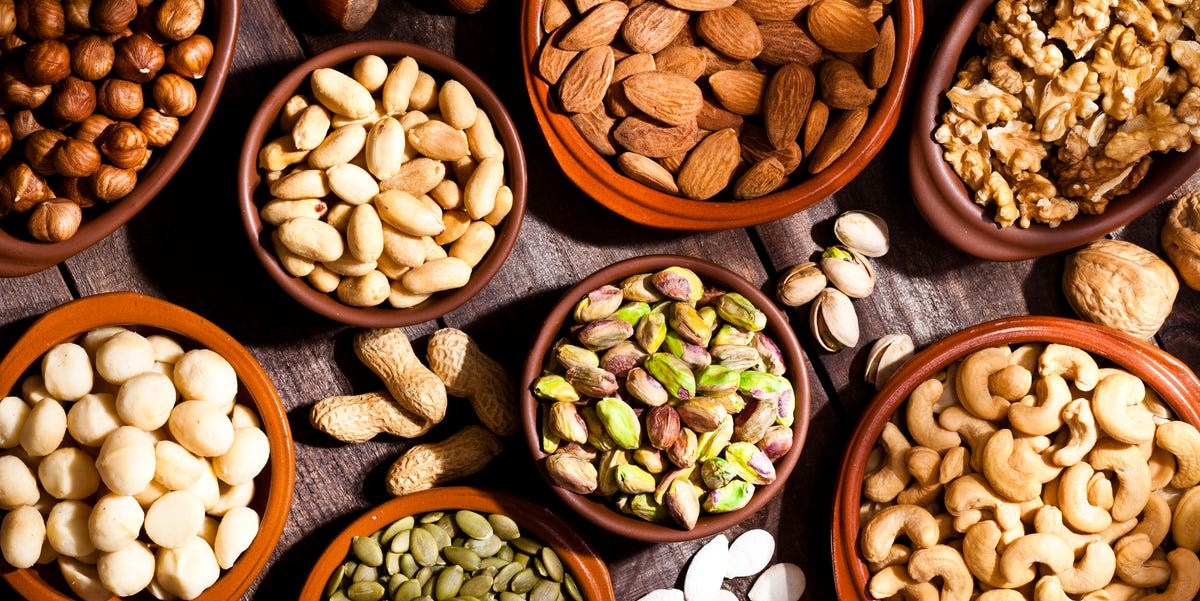
The good news? You do not need to chase magnesium through complicated supplements or suspicious neon drinks. One of the easiest, crunchiest, most snack-friendly ways to get more magnesium is to eat nuts. Almonds, cashews, Brazil nuts, pistachios, peanuts, walnuts, and other nutty favorites bring magnesium along with protein, fiber, unsaturated fats, antioxidants, and enough texture to rescue a boring salad from emotional collapse.
This guide breaks down 10 magnesium-rich nuts you should be eating, how much magnesium they offer, what makes each one special, and how to use them in everyday meals without turning your pantry into a squirrel bunker.
Why Magnesium Matters More Than Most People Realize
Magnesium is involved in more than 300 enzyme-related reactions in the body. That sounds like something from a biology textbook, but in normal-person language it means magnesium helps with a lot. Your body uses it to help make energy, build proteins, support muscle contraction, regulate nerve signaling, maintain strong bones, and keep your heart beating steadily.
Adult magnesium needs vary by age and sex, but many adults need roughly 310 to 420 milligrams per day. The exact amount depends on factors such as age, pregnancy, and individual health needs. While severe deficiency is not something to self-diagnose after one leg cramp and a dramatic Google search, falling short on magnesium intake can happen when diets are low in whole grains, legumes, leafy greens, nuts, and seeds.
Nuts are especially useful because they are portable, shelf-stable, and easy to add to meals. A one-ounce serving, which is usually a small handful, can provide a meaningful magnesium boost without requiring culinary heroics. Just remember: nuts are nutrient-dense and calorie-dense. The goal is not to eat them by the mixing bowl. A small handful is powerful enough.
How Much Magnesium Is in Nuts?
Magnesium content varies depending on the nut, whether it is raw or roasted, and the exact serving size. In general, one ounce of nuts can provide anywhere from about 35 to more than 100 milligrams of magnesium. Brazil nuts, almonds, cashews, pine nuts, and peanuts tend to be among the stronger options.
| Nut | Approximate Magnesium per 1 oz | Best Use |
|---|---|---|
| Brazil nuts | About 100 mg or more | Small snack portions, trail mix |
| Cashews | About 70–80 mg | Stir-fries, sauces, snack mixes |
| Almonds | About 75–80 mg | Oatmeal, yogurt, salads |
| Pine nuts | About 70 mg | Pesto, grain bowls, roasted vegetables |
| Peanuts | About 45–50 mg | Peanut butter, snacks, noodle bowls |
| Hazelnuts | About 45 mg | Granola, chocolate pairings, baked goods |
| Walnuts | About 45 mg | Salads, oatmeal, banana bread |
| Pistachios | About 30–40 mg | Snacking, rice dishes, yogurt toppings |
| Pecans | About 30–35 mg | Roasted vegetables, oatmeal, desserts |
| Macadamia nuts | About 35–40 mg | Snack plates, cookies, salads |
These numbers are best treated as practical estimates, not courtroom evidence. Different brands, roasting methods, and serving sizes can shift the final amount. Still, they give you a useful ranking when building a magnesium-rich diet.
1. Brazil Nuts: The Tiny Magnesium-and-Selenium Powerhouse
Brazil nuts are one of the highest-magnesium nuts you can eat. A one-ounce serving can provide around 100 milligrams or more of magnesium, making them a heavyweight in a very small package. They also contain healthy fats, protein, and an unusually high amount of selenium.
Selenium is important, but Brazil nuts are so rich in it that moderation matters. This is not the nut to eat by the handful every single day while declaring yourself “wellness royalty.” For many people, one or two Brazil nuts can be plenty as part of a varied diet. Think of them as the luxury espresso shot of the nut world: powerful, useful, and best enjoyed with restraint.
How to eat Brazil nuts
Chop one or two Brazil nuts into oatmeal, sprinkle them over yogurt, or mix them into a homemade trail mix with dried fruit and almonds. Their creamy texture also works nicely with dark chocolate, though your snack does not need to become a dessert every time. Your pantry may disagree, but stay strong.
2. Cashews: Creamy, Snackable, and Rich in Magnesium
Cashews are one of the most versatile magnesium-rich nuts. Depending on whether they are raw or roasted, a one-ounce serving often lands around 70 to 80 milligrams of magnesium. They are also known for their copper content, mild sweetness, and creamy texture.
Cashews are excellent for people who want a nut that can do more than sit in a bowl looking healthy. Soaked and blended, cashews can turn into a creamy sauce for pasta, soups, and dairy-free dips. Toasted, they add crunch to stir-fries and grain bowls. Eaten plain, they are the snack equivalent of a polite little hug.
How to eat cashews
Add roasted unsalted cashews to vegetable stir-fries, blend soaked cashews with lemon juice and garlic for a creamy sauce, or pair them with apple slices for a balanced snack. Choose unsalted varieties most often to keep sodium from sneaking into your day like a ninja with a salt shaker.
3. Almonds: The Everyday Magnesium Classic
Almonds are probably the most famous nut in the magnesium conversation, and for good reason. One ounce of almonds typically provides around 75 to 80 milligrams of magnesium. Almonds also bring fiber, plant protein, calcium, and vitamin E, an antioxidant nutrient that supports cell protection.
The best thing about almonds is how easy they are to use. They fit into breakfast, lunch, dinner, and snacks without demanding attention. Sliced almonds make a salad feel intentional. Almond butter turns toast into a meal. Whole almonds in a backpack can prevent the tragic vending machine decision known as “chips for lunch.”
How to eat almonds
Try almonds in overnight oats, Greek yogurt, roasted vegetables, chicken salad, homemade granola, or trail mix. For better portion control, pre-pack a small handful instead of eating directly from the bag. The bag is persuasive. The bag has no boundaries.
4. Pine Nuts: Small, But Sneakily Magnesium-Rich
Pine nuts may be tiny, but they can provide around 70 milligrams of magnesium per ounce. They also contain unsaturated fats and a rich, buttery flavor that makes them popular in Mediterranean-style dishes.
The catch? Pine nuts can be expensive. They are basically the designer handbag of the nut aisle. That does not mean you should avoid them, but it does mean you may want to use them strategically rather than tossing them around like confetti at a magnesium parade.
How to eat pine nuts
Toast pine nuts lightly and sprinkle them over roasted broccoli, pasta, grain bowls, soups, or salads. They are also the traditional star of pesto. A little goes a long way, especially when toasted, because heat deepens their flavor and makes your kitchen smell like you know exactly what you are doing.
5. Peanuts: Budget-Friendly Magnesium Support
Technically, peanuts are legumes, not tree nuts. Nutritionally and culinarily, however, most people treat them like nuts, and they absolutely belong in this magnesium-rich lineup. A one-ounce serving of dry-roasted peanuts provides roughly 45 to 50 milligrams of magnesium.
Peanuts are also affordable, accessible, and rich in plant protein. Peanut butter can be a smart pantry staple when it is made with simple ingredients and not loaded with added sugar or hydrogenated oils. In other words, peanut butter should taste like peanuts, not cake frosting wearing a fake mustache.
How to eat peanuts
Use peanuts in Thai-inspired noodle bowls, sprinkle chopped peanuts on slaw, spread peanut butter on whole-grain toast, or pair it with banana slices. For everyday use, choose unsalted or lightly salted peanuts when possible.
6. Hazelnuts: Magnesium With a Toasty, Dessert-Like Personality
Hazelnuts offer around 45 milligrams of magnesium per ounce, along with healthy fats, fiber, and vitamin E. Their flavor is warm, toasty, and slightly sweet, which explains why they so often end up near chocolate. Hazelnuts and chocolate are basically old friends who finish each other’s sentences.
But hazelnuts do not have to live only in desserts. They are excellent in savory dishes, too. Chopped toasted hazelnuts can make roasted carrots, Brussels sprouts, green beans, or grain salads taste restaurant-level without requiring you to whisper “chef’s kiss” at your own dinner.
How to eat hazelnuts
Add chopped hazelnuts to oatmeal, roasted vegetables, homemade granola, or a fall salad with apples and greens. If using hazelnut spreads, check the label. Many are more sugar-and-oil spread than nut butter, which is fun occasionally but not the same as eating whole hazelnuts.
7. Walnuts: Magnesium Plus Plant-Based Omega-3s
Walnuts provide about 45 milligrams of magnesium per ounce. They are especially known for alpha-linolenic acid, or ALA, a plant-based omega-3 fatty acid. Their slightly bitter, earthy flavor makes them a great match for both sweet and savory foods.
Walnuts are a strong choice for people who want variety in their nut routine. Almonds and cashews may get more attention, but walnuts have a nutritional personality all their own. They are also satisfying, which helps explain why a small serving can make breakfast or a snack feel more complete.
How to eat walnuts
Sprinkle walnuts over oatmeal, toss them into spinach salads, add them to banana bread, or blend them into a walnut pesto. Toasting walnuts for a few minutes can reduce bitterness and bring out their richer flavor. Watch them carefully, though. Nuts go from toasted to “smoke alarm concert” faster than anyone expects.
8. Pistachios: Magnesium, Protein, and Built-In Portion Control
Pistachios usually provide about 30 to 40 milligrams of magnesium per ounce. That is a bit lower than almonds or cashews, but pistachios make up for it with protein, fiber, potassium, and a fun eating experience. Shelling pistachios slows you down, which can naturally help with portion awareness.
Pistachios are also colorful thanks to natural plant pigments. Their green and purple tones come from compounds such as chlorophyll and anthocyanins. Translation: pistachios are not just tasty; they also look like they dressed up for the party.
How to eat pistachios
Use pistachios as a topping for yogurt, rice pilaf, roasted carrots, citrus salads, or baked fish. For snacking, in-shell pistachios can be helpful because the empty shells create visual evidence. It is hard to deny a snack happened when the little shell mountain is staring back at you.
9. Pecans: Southern Charm With a Magnesium Bonus
Pecans provide around 30 to 35 milligrams of magnesium per ounce. They are not the highest-magnesium nut on the list, but they still contribute to your daily intake while offering fiber, unsaturated fats, and a rich, buttery flavor.
Pecans are often associated with pie, which is delicious but not exactly an everyday health strategy unless your diet plan was written by a dessert cart. The better approach is to use pecans in smaller amounts to add flavor and crunch to nutrient-rich meals.
How to eat pecans
Add chopped pecans to oatmeal, roasted sweet potatoes, green salads, quinoa bowls, or plain yogurt with fruit. Toasted pecans are especially good with cinnamon, apples, pears, and winter squash. They make vegetables taste cozy, which is a highly underrated life skill.
10. Macadamia Nuts: Lower Magnesium, Big Flavor
Macadamia nuts provide about 35 to 40 milligrams of magnesium per ounce. While they are not the magnesium champion, they still deserve a spot on this list because they contribute minerals, fiber, and mostly unsaturated fats. They are rich, buttery, and satisfying, which means a small portion can feel indulgent.
Because macadamias are calorie-dense, portion size matters. A small handful is enough. This is not a “casually eat half the jar while answering emails” situation. That said, when used intentionally, macadamias can add luxurious texture to both sweet and savory dishes.
How to eat macadamia nuts
Chop macadamias into tropical fruit bowls, sprinkle them over salads, add them to homemade energy bites, or use them in occasional baked goods. Pairing them with high-fiber foods, such as fruit or oats, helps make the snack more balanced.
Tips for Eating Magnesium-Rich Nuts the Smart Way
Choose unsalted more often
Salted nuts are tasty, but sodium can add up quickly. Unsalted or lightly salted nuts are usually better for everyday snacking. If plain nuts feel boring, add your own spices: cinnamon, smoked paprika, chili powder, garlic powder, rosemary, or a tiny pinch of sea salt.
Watch the serving size
A standard serving of nuts is about one ounce, or a small handful. This can mean about 23 almonds, 18 cashews, 49 pistachios, 14 walnut halves, or 10 to 12 macadamia nuts. You do not need to count every nut like a snack accountant, but knowing the rough amount helps.
Mix nuts with other magnesium-rich foods
Nuts work even better when paired with other magnesium-containing foods such as oats, black beans, spinach, whole grains, dark chocolate, pumpkin seeds, chia seeds, and avocado. A bowl of oatmeal with almonds and chia seeds can do more for your magnesium intake than a lonely handful of nuts eaten while standing in the pantry at midnight.
Be allergy-aware
Tree nuts and peanuts are common allergens. Anyone with a known or suspected allergy should avoid the specific nut and follow guidance from a healthcare professional. For families, schools, and shared spaces, always respect allergy rules. No snack is worth causing a medical emergency.
Experience-Based Tips: How to Actually Eat More Magnesium-Rich Nuts
Knowing that nuts are healthy is easy. Actually eating them consistently, without turning your snack routine into chaos, is the real challenge. The trick is to make magnesium-rich nuts visible, convenient, and a little bit exciting. If they are buried behind three bags of flour, a mystery spice from 2017, and a box of crackers, they are not a snack. They are pantry archaeology.
One practical experience-based habit is to create a “nut station.” Use two or three clear containers and fill them with different options: almonds for everyday crunch, cashews for creamy richness, and pistachios for slower snacking. Keep the containers where you can see them, but not so close that you accidentally eat six servings while deciding what to watch. Visibility helps; unlimited access can be dangerous for anyone with a functioning hand and a love of crunch.
Another helpful approach is to pre-portion nuts at the start of the week. Add one-ounce servings to small containers or snack bags. This removes the guesswork and protects you from the classic “I only had a few” situation, which somehow ends with an empty bag and a suspicious trail of almond dust. Pre-portioned nuts are great for school, work, road trips, gym bags, and emergency hunger moments when your brain starts negotiating with the nearest vending machine.
For breakfast, magnesium-rich nuts are almost too easy. Add sliced almonds or walnuts to oatmeal, sprinkle pistachios on yogurt, or stir almond butter into a smoothie. The goal is to attach nuts to meals you already eat. You do not need a brand-new lifestyle. You need a spoonful of nut butter and a breakfast that keeps you full past 10 a.m.
For lunch, nuts can make salads and grain bowls feel less like homework. Try cashews with brown rice and roasted vegetables, peanuts over cabbage slaw, walnuts with spinach and apples, or pine nuts on a Mediterranean bowl with chickpeas and cucumbers. Nuts add texture, and texture is what keeps healthy meals from feeling like punishment.
For dinner, use nuts as a finishing touch rather than the main event. Toasted hazelnuts over green beans, pecans on roasted sweet potatoes, or chopped almonds on baked fish can make a simple meal taste more complete. Toasting is the secret move. A few minutes in a dry skillet can turn nuts from “nice” to “who made this?” Just keep an eye on them. They burn quickly, and burned nuts taste like disappointment with a smoke alarm.
Snack pairings also matter. Nuts alone are good, but nuts with fruit, yogurt, whole-grain crackers, or dark chocolate can be better. Pair almonds with berries, peanuts with banana, cashews with apple slices, or walnuts with dates. These combinations bring fiber, natural sweetness, and staying power. They also make the snack feel intentional instead of like you wandered into the kitchen and blacked out near the pantry.
Finally, rotate your nuts. Eating only almonds every day is fine, but variety gives you a broader range of nutrients and keeps boredom away. Try Brazil nuts once or twice a week, cashews in savory meals, walnuts at breakfast, pistachios for snacks, and pecans for cozy dishes. Magnesium-rich eating does not have to be strict. It should be practical, enjoyable, and crunchy enough to make your day slightly better.
Conclusion: A Small Handful Can Make a Big Difference
Magnesium-rich nuts are one of the simplest upgrades you can make to your daily diet. Brazil nuts, cashews, almonds, pine nuts, peanuts, hazelnuts, walnuts, pistachios, pecans, and macadamia nuts each bring something useful to the table. Some are higher in magnesium, some shine because of healthy fats or antioxidants, and some are just extremely good at making oatmeal less boring.
The best strategy is not to obsess over exact milligrams. Instead, build a regular habit: keep unsalted nuts around, use small portions, rotate your choices, and pair them with other whole foods. Your muscles, nerves, bones, heart, and snack-loving soul will appreciate the effort.
In the grand nutritional drama of life, nuts are small but mighty. They do not need a spotlight, a complicated recipe, or a wellness influencer holding them in perfect lighting. They just need a spot in your pantry and a reasonable serving size. That is a pretty good deal for something that crunches.