Winter has a way of making everyone nostalgic, even if the thing we are nostalgic for is mostly imaginary: sleigh bells, candlelit parlors, snow that looks charming instead of like a parking-lot hazard, and a warm drink served in a mug heavy enough to count as strength training. Long before peppermint mochas had loyalty points, holiday hosts leaned on punch bowls, simmering pots, spice cupboards, and the occasional alarming quantity of brandy to keep guests cheerful.
These old-fashioned holiday drinks are more than cute menu ideas. They tell stories about colonial kitchens, British taverns, American farmhouses, Victorian parties, and the ancient human belief that nearly anything can be improved with nutmeg. Some are creamy. Some are fruity. Some are hot enough to fog your glasses. A few are best served with a warning label and a plate of cookies.
Below are nine olde-timey holiday drinks to whip up this winter, inspired by vintage recipes, classic cocktail traditions, and historic winter warmers. Make them with alcohol, adapt them as mocktails, or simply read about them while sipping tea and feeling superior to your ancestors’ dishwashing situation.
1. Hot Brandy Punch
Hot brandy punch is the sort of drink that walks into the room wearing a waistcoat. Punch predates many modern cocktails and was traditionally built around a simple balance: spirit, citrus, sugar, spice, and water. In winter, the “water” often arrived boiling hot, turning the whole thing into a fragrant bowl of cheer.
A classic hot brandy punch usually combines brandy, rum, lemon, sugar, hot water, and grated nutmeg. The beauty is that it scales beautifully. Make one mug for a snowy night or a bowl for a gathering. Brandy brings warmth and fruitiness, rum adds depth, lemon cuts the sweetness, and nutmeg makes the room smell as if someone has been baking, even if the oven contains only emergency frozen pizza.
How to make it taste old-school but balanced
Use a decent but not precious brandy. Add a smaller measure of dark rum for richness, then sweeten lightly. Fresh lemon is non-negotiable; bottled lemon juice gives the drink the personality of a cleaning product. Finish with freshly grated nutmeg. If serving a crowd, keep the base warm in a slow cooker and let guests add extra hot water to taste.
2. Eggnog
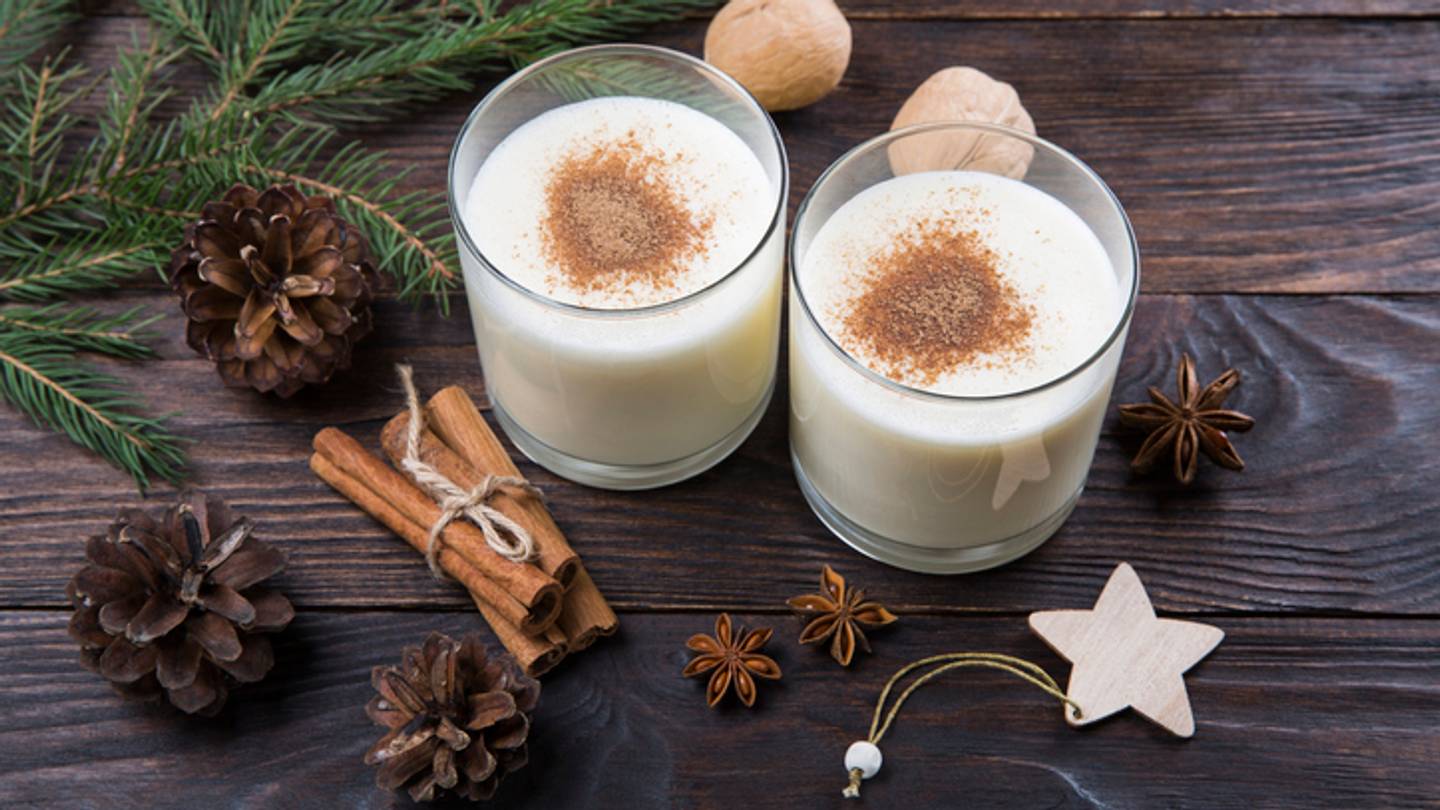
Eggnog is the holiday drink people either adore or accuse of being melted custard in a cardigan. Its roots are often traced to posset, a medieval British drink made with hot milk or cream, ale or wine, and spices. When the idea crossed into America, farms made eggs and dairy more available, while rum, brandy, whiskey, and later bourbon helped turn it into a celebration drink.
Classic eggnog includes eggs, milk or cream, sugar, nutmeg, and optional spirits. The best homemade versions are silky rather than gluey, lightly sweet rather than frosting-level, and spiced with restraint. Think velvet, not pancake batter.
Safety note for homemade eggnog
If your recipe uses raw eggs, use pasteurized eggs or a cooked custard method. For a cooked version, gently heat eggs with part of the milk and sugar until the mixture reaches a safe temperature and thickens slightly, then chill before folding in cream or whipped egg whites. Alcohol is not a magic food-safety wand, no matter how confidently Uncle Jerry says otherwise.
For a nonalcoholic version, skip the spirits and add vanilla, cinnamon, and extra nutmeg. For a lighter version, use whole milk instead of all cream. For a dessert-style version, serve tiny portions in small cups, because eggnog is delicious but it does not believe in subtle calories.
3. Mulled Cider
Mulled cider is winter hospitality in liquid form. It is also the easiest old-fashioned holiday drink to serve to everyone, because it can be made completely alcohol-free and still feel festive. Historically, warm spiced apple drinks overlap with the wassail tradition, where cider, ale, wine, or mead was heated with spices and sometimes served communally.
Modern mulled cider usually starts with fresh apple cider and adds cinnamon sticks, cloves, allspice, orange peel, and sometimes ginger. Simmer gently until the kitchen smells like a holiday movie. The trick is not to boil it to death. Let the spices steep; do not punish the apples.
Best serving idea
Serve mulled cider in heatproof mugs with orange slices, cinnamon sticks, or a thin apple wheel. Adults who want a spiked version can add bourbon, dark rum, brandy, or applejack to individual mugs. This keeps the main pot family-friendly and prevents the host from needing to label beverages like a chemistry lab.
4. Apple Toddy
The apple toddy is a cousin of the hot toddy, but with a softer, orchard-sweet personality. Traditional hot toddies are built from spirits, hot water, sweetener, and citrus. The apple version adds baked apple, cider, or apple brandy, creating a drink that tastes like pie filling took a winter vacation.
To make a simple apple toddy, place a spoonful of baked apple or applesauce in a mug, add a measure of brandy, bourbon, or applejack, then top with hot water or hot cider. Sweeten with honey or brown sugar and finish with lemon and nutmeg. The baked apple gives body and old-fashioned charm without requiring you to churn butter, split logs, or write with a quill.
Mocktail option
Use hot cider, baked apple, lemon, honey, cinnamon, and a splash of strong black tea. The tea adds tannic structure, making the drink feel grown-up without alcohol.
5. Mulled Wine
Mulled wine has been warming hands and loosening conversation for centuries. At its simplest, it is red wine heated gently with sugar, citrus, and spices. The important word is gently. Boiling wine is how you turn a festive drink into a sad grape sauna.
Use a dry, fruity red wine such as Merlot, Zinfandel, Grenache, or Cabernet Sauvignon. Add orange slices, cinnamon, cloves, star anise, and a small amount of sugar or honey. Some versions include brandy or port for extra richness. The result should be aromatic and cozy, not syrupy enough to patch a roof.
How to avoid bad mulled wine
Do not use your finest bottle; heat and spices will flatten its subtlety. Do not use terrible wine either, because spices cannot perform miracles. Warm the mixture below a simmer, taste as you go, and strain before serving if you do not want guests biting into cloves like tiny wooden landmines.
6. Hot Lemon Flip
A flip is one of those historic drinks that sounds cheerful until you learn it once involved a hot iron poker. Early flips were often made with ale, rum or brandy, sugar, spices, and egg, then heated dramatically. Today, we can create the same frothy comfort without waving fireplace tools around like a tavern magician.
A hot lemon flip brings together egg, sugar, lemon, hot water, and spirit. It lands somewhere between a toddy and a light custard, brightened by citrus. The egg adds foam and richness, while lemon keeps it from feeling heavy.
Modern method
Beat an egg with sugar until smooth. Add lemon juice and a small measure of brandy, rum, or whiskey. Slowly whisk in hot water while stirring constantly so the egg warms without scrambling. Top with nutmeg. The result is old-fashioned, lively, and just strange enough to be interesting.
For a no-alcohol version, replace the spirit with strong black tea and a little extra lemon. It will not be a true flip, but it will still warm your hands and make you feel as if you are reading weather reports by candlelight.
7. Hot Spiced Rum
Hot spiced rum sits comfortably between hot buttered rum and a toddy. It is simpler than making a butter batter but still has that deep, molasses-rich flavor associated with winter taverns, sea stories, and people saying “aye” with unnecessary confidence.
Combine dark rum with hot water, brown sugar or maple syrup, cinnamon, cloves, allspice, and a strip of orange peel. A tiny pat of butter can turn it into a richer drink, but it is optional. The goal is warmth and spice, not drinking a pastry.
Flavor upgrades
Add a splash of apple cider for fruitiness, a squeeze of lemon for brightness, or a pinch of salt to sharpen the flavors. If you like hot buttered rum, mix softened butter with brown sugar, cinnamon, nutmeg, and allspice, then store the batter in the refrigerator. Add a spoonful to hot rum and water whenever winter starts acting dramatic.
8. Bishop à La Prusse
Bishop à La Prusse sounds like something served by a butler who knows your secrets. It belongs to the family of “bishop” drinks, which are essentially warm wine punches flavored with roasted citrus, sugar, and spices. The most famous relative is Smoking Bishop, remembered by many readers because of Charles Dickens and A Christmas Carol.
The old method involves roasting bitter oranges until browned, covering them with sugar and wine, letting the mixture rest, then combining it with more wine or port and warming it. Roasted citrus gives the drink a deeper flavor than ordinary mulled wine: less fruit basket, more fireplace.
Home-friendly version
Roast oranges or tangerines studded with cloves until fragrant and lightly browned. Place them in a bowl with sugar and a splash of red wine, then let them sit for several hours or overnight. Warm the citrus mixture with red wine and port, strain, and serve in small cups. It is not difficult, but it does require patience. Consider it a holiday project for people who enjoy saying, “Actually, this started yesterday.”
9. Grandmother’s Cherry Bounce
Cherry bounce is a fruit cordial made by steeping cherries with sugar and spirits such as brandy, rum, or whiskey. It has strong ties to early American drinking traditions and is often associated with George Washington’s household. Unlike hot winter drinks, cherry bounce is usually made ahead and served in small portions, which makes it ideal for gifting or holiday sipping.
The basic method is simple: combine pitted cherries with sugar and spirit, then let time do the work. Weeks or months later, the liquid becomes ruby-colored, fruity, and potent. The cherries themselves can be used in desserts or cocktails, assuming nobody has been “checking on them” too enthusiastically.
Holiday serving ideas
Serve cherry bounce neat in small cordial glasses, mix it with sparkling wine, add a spoonful to hot cider, or use it in a Manhattan-style cocktail. If fresh cherries are out of season, frozen tart cherries can work well. Just remember that bounce needs time, so it is better as a planned-ahead drink than a “guests arrive in twenty minutes” emergency.
Tips for Hosting an Old-Fashioned Holiday Drink Night
A vintage drink party does not need to feel like a museum exhibit with snacks. Choose two hot drinks and one make-ahead cordial. Offer at least one alcohol-free option, preferably mulled cider, because it is generous, fragrant, and easy to keep warm. Put garnishes in small bowls: citrus wheels, cinnamon sticks, grated nutmeg, whipped cream, and cherries. Guests love customizing drinks, especially when customization makes them look knowledgeable.
Use small cups. Many old-fashioned holiday drinks are rich, sweet, and strong. A four-ounce serving can feel more elegant than a giant mug that causes everyone to start speaking in sea-shanty rhythm. Label drinks clearly, especially if they contain alcohol, dairy, eggs, or nuts. Keep hot drinks warm but not boiling, and never leave dairy or egg-based drinks sitting out for hours.
Most importantly, match the drink to the moment. Eggnog belongs near dessert. Mulled cider is perfect for arrivals. Hot brandy punch suits a small fireside gathering. Cherry bounce is a lovely closer, served after dinner with a plate of cookies. Bishop à La Prusse is for the guest who asks questions like, “What exactly am I drinking?” and genuinely wants the answer.
Personal Experiences With Olde-Timey Holiday Drinks
The first time I made old-fashioned holiday drinks at home, I expected the evening to feel sophisticated. I pictured polished glasses, gentle laughter, and maybe someone admiring the nutmeg grater. What actually happened was that the cinnamon sticks rolled off the counter, the orange slices looked like they had survived a tiny citrus battle, and one friend asked if wassail was “a medieval sports drink.” Still, by the end of the night, everyone was holding a warm mug and the room smelled like apples, cloves, and victory.
That is the secret charm of these drinks: they forgive imperfection. A modern cocktail can feel like a test. Is the ice clear? Did you measure the bitters? Is the garnish expressing enough oils, or is it emotionally unavailable? Olde-timey holiday drinks are more relaxed. They come from a world of punch bowls, family recipes, pantry substitutions, and hosts making do with what they had. If the cider is a little sweeter than planned, add lemon. If the mulled wine is too intense, dilute it with more wine or cider. If the eggnog is too rich, serve smaller portions and pretend that was the plan all along.
One of the best winter gatherings I remember centered on mulled cider rather than a complicated dinner. The pot sat on the stove for hours at the lowest heat, sending out waves of cinnamon and orange. People arrived cold and slightly grumpy, as people often do when weather has opinions. Within minutes, they had mugs in hand. The conversation got softer. Coats came off. Someone produced cookies. The cider did not perform magic, but it did what good holiday drinks do: it gave everyone an excuse to pause.
Eggnog, meanwhile, taught me humility. Homemade eggnog sounds simple until you realize that texture matters enormously. Too thin, and it tastes like confused milk. Too thick, and it feels like dessert escaped from a bowl. The best version I made used pasteurized eggs, a light hand with sugar, plenty of fresh nutmeg, and enough chilling time for the flavors to settle down and introduce themselves properly. Served in tiny glasses, it became elegant. Served in oversized mugs, it became a nap invitation.
Cherry bounce is the most satisfying for patient people and the most annoying for impatient ones. You mix cherries, sugar, and spirits, then wait. That is basically the whole recipe, and somehow it feels dramatic. Every week the color deepens, and every week you convince yourself it is probably ready. When it finally is, it tastes like preserved summer wearing a winter coat. A small bottle also makes a memorable homemade gift, especially for friends who appreciate food history or enjoy saying, “This needs to age.”
Hot spiced rum and apple toddies are my favorite “the house is quiet” drinks. They do not require a crowd. They ask only for a kettle, a mug, and five minutes. A strip of orange peel, a spoonful of honey, a little lemon, and a pinch of spice can make an ordinary night feel intentional. That may be why old-fashioned winter drinks keep coming back. They are not just beverages; they are rituals in liquid form.
There is also something pleasantly rebellious about serving drinks with names like Bishop à La Prusse or hot lemon flip. They sound fancier than they are, which is excellent hosting strategy. Guests become curious before they even taste them. A drink with a story always has an advantage over a drink with only a label. It starts conversations, and during the holidays, when everyone has already discussed traffic, weather, and whether the tree is leaning, conversation starters are worth their weight in cloves.
So this winter, try bringing one olde-timey drink back to the table. You do not need a fireplace, a silver punch bowl, or a powdered wig. You need warmth, spice, a little curiosity, and maybe a backup towel for the inevitable cider drip. The past was not necessarily better, but it certainly knew how to make a cold night smell wonderful.
Conclusion
Old-fashioned holiday drinks have survived because they offer more than sweetness and spice. They create atmosphere. Hot brandy punch turns a gathering into an event. Eggnog brings creamy nostalgia. Mulled cider welcomes everyone. Apple toddies, flips, spiced rum, mulled wine, Bishop à La Prusse, and cherry bounce each add their own historical wink to the winter table.
Whether you prefer a family-friendly cider, a tiny glass of cherry cordial, or a steaming mug of something bold enough to make your scarf jealous, these olde-timey holiday drinks are worth reviving. Make them carefully, serve them generously, and enjoy them responsibly. Nutmeg may be optional, but honestly, why would you skip the best-smelling part?
Note: For egg-based drinks, use pasteurized eggs or a cooked method. For alcoholic versions, serve moderate portions, label drinks clearly, and provide alcohol-free alternatives so every guest has something festive in hand.