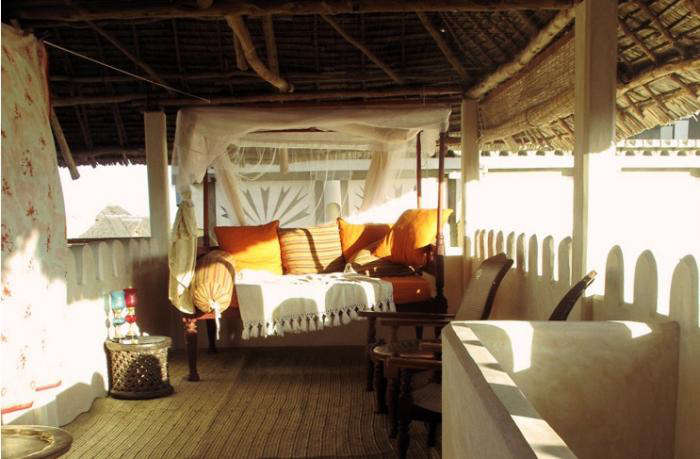
Some houses whisper. An ancient house in Old Town Lamu practically clears its throat, adjusts its carved wooden door, and begins a centuries-old story about ocean winds, coral stone, mangrove beams, dhow sailors, courtyard shade, and the kind of silence that makes modern life look slightly overcaffeinated.
Lamu Old Town, set on Lamu Island off Kenya’s Indian Ocean coast, is one of East Africa’s most treasured Swahili settlements. It is famous for its narrow lanes, coral-rag buildings, carved doors, mosques, donkeys, sea-facing verandas, and a rhythm of life that seems to have negotiated very firm boundaries with hurry. Recognized as a UNESCO World Heritage Site, Lamu is not preserved like a museum behind glass. It is alive. People live here, pray here, trade here, repair boats here, raise families here, and still find time to make a visitor feel as if the island has been expecting them since last Tuesday.
To understand an ancient house in Old Town Lamu is to understand more than architecture. It is to step into a Swahili worldview shaped by the sea, faith, trade, climate, privacy, hospitality, craft, and community. The house is not merely a building. It is a cooling system, a family archive, a social map, a spiritual space, and occasionally, thanks to Lamu’s beloved donkeys, an acoustic performance venue.
The Soul of Old Town Lamu
Lamu Old Town is often described as the oldest and best-preserved Swahili settlement in East Africa. Its character grew from more than seven centuries of contact among African, Arab, Persian, Indian, and European influences. But the result is not a random cultural smoothie. It is distinctly Swahili: coastal, graceful, practical, layered, and deeply tied to the Indian Ocean.
The town’s urban plan is a maze of narrow winding streets. These lanes are not designed for cars, which is good news because cars would take one look at the alleys and file a formal complaint. Movement happens by foot, donkey, handcart, and boat. This human scale shapes daily life. You hear conversation before traffic. You smell grilled fish, lime plaster, sea air, cardamom tea, and wood smoke. You notice doors, windows, shadows, and small thresholds that a faster town would blur into the background.
At the heart of this place are its stone houses. Built from coral stone and mangrove timber, they respond directly to the climate and the culture. Thick walls help hold cooler air. Courtyards invite light and ventilation. Verandas create shaded transitional spaces. Ornately carved wooden doors announce status, taste, and craftsmanship while protecting the privacy of the home within.
What Makes an Ancient Lamu House Special?
An ancient house in Old Town Lamu usually looks modest from the street. That is part of the genius. From the outside, it may present a tall whitewashed wall, a carved entrance, and only a few hints of the life inside. Step through the doorway, however, and the house opens into a carefully arranged world of shade, texture, and quiet drama.
Coral Stone Walls
The most important material is coral rag stone, traditionally gathered from the coast and used throughout Swahili architecture. When plastered with lime, these walls become both beautiful and functional. They soften sunlight, resist heat, and create a pale interior glow that feels almost cinematic. No expensive lighting consultant required; the Indian Ocean already did the mood board.
Mangrove Timber Beams
Mangrove poles, valued for strength and availability, were widely used as roof and ceiling supports. In many old houses, the beams remain visible, running across rooms like lines of memory. Their presence connects the home to the creeks, forests, boatyards, and maritime economy that shaped Lamu for centuries.
Inner Courtyards
The courtyard is one of the most important features of a traditional Lamu house. It brings air, light, and privacy into the home. Family life can unfold in the open without being exposed to the street. This design reflects both environmental wisdom and cultural values. In a hot coastal town, shade is not a luxury. It is a survival strategy with excellent taste.
Carved Wooden Doors
Lamu’s carved doors are among the town’s most photographed features. Their designs often include floral, geometric, and symbolic patterns influenced by Swahili, Arab, Indian, and Islamic artistic traditions. A door might signal wealth, welcome, lineage, or craftsmanship. It is also a reminder that in Lamu, even entering a house can feel like reading a beautifully illustrated introduction.
A House Built for Climate Before “Sustainable Design” Became Trendy
Long before glossy magazines praised passive cooling, ancient Lamu houses were already doing it with coral walls, shaded openings, high ceilings, courtyards, and ocean breezes. The town’s builders understood that architecture should cooperate with weather, not fight it like a tourist arguing with sunscreen.
Rooms were arranged to encourage airflow. Windows and carved screens allowed ventilation while protecting privacy. Roof terraces and upper spaces took advantage of cooler evening air. Thick walls buffered heat during the day. The result was not air-conditioned coldness but livable comfort: a gentle, breathable coolness that feels connected to the outside world.
This matters today because Lamu’s traditional houses offer lessons for climate-responsive architecture. Modern buildings often rely on mechanical systems to solve problems that older builders addressed through orientation, proportion, materials, and patience. An ancient house in Old Town Lamu is not primitive. It is intelligent in a quieter language.
The Social Life of the Swahili House
A traditional Lamu house balances privacy and hospitality. The entrance sequence often controls what visitors can see. Public or semi-public areas may welcome guests, while family spaces remain protected deeper inside. This arrangement reflects Swahili social customs, Islamic principles of modesty, and the practical needs of extended households.
The baraza, or built-in stone bench often found near entrances or along streets, is another important social feature. It creates a place to sit, talk, observe, negotiate, gossip politely, and greet neighbors. In a town without roaring traffic, the street becomes an extension of the home. Community is not scheduled in a calendar app. It happens at the doorway.
Inside, rooms may be multipurpose. A space can host guests, serve meals, shelter children from the midday heat, and become a sleeping area at night. Furnishings are often low, flexible, and beautifully crafted. Niches in plaster walls, known in Swahili interiors, may display pottery, brassware, Qur’anic boards, lamps, or family treasures.
Lamu’s Architecture as a Record of Indian Ocean Trade
Old Town Lamu was shaped by maritime trade. Dhows connected the Swahili coast with Arabia, India, Persia, and beyond. Goods moved across the ocean, but so did ideas, languages, styles, religions, recipes, and technologies. The ancient house became a place where these influences settled into daily life.
You can see this history in the carved doors, plasterwork, courtyard layouts, decorative niches, wooden screens, and street-facing restraint. Yet the house remains local. It is not simply Arab, Indian, or African; it is Swahili. That word matters because Swahili culture is not a borrowed costume. It is a coastal civilization with its own language, aesthetics, social systems, and architectural traditions.
The house, therefore, is a cultural document. Its materials speak of local ecology. Its decorations speak of trade and belief. Its plan speaks of family and privacy. Its endurance speaks of a community that has adapted without surrendering its identity.
Daily Life Around an Ancient House
Morning in Old Town Lamu begins gently but not silently. The call to prayer moves through the lanes. Donkeys clop past stone walls. Vendors prepare for the day. Doors open. Buckets move. Children hurry to school. Somewhere, someone is sweeping with the confidence of a person who knows dust is a daily opponent, not a one-time project.
By midday, the sun presses hard on the town, and the wisdom of the old house becomes obvious. The street may shimmer, but inside the thick walls and shaded rooms, the temperature softens. Courtyards filter the light. The house seems to inhale slowly. This is architecture as relief.
Evening brings another mood. The lanes cool. Families gather. Food smells drift through the alleys. On the waterfront, dhows rock against the harbor. The ancient house settles into the night, its carved door closed but not silent. Behind it are conversations, prayers, meals, memories, and the ordinary beauty of continuity.
Preservation: Keeping the House Alive
Preserving an ancient house in Old Town Lamu is not as simple as freezing it in time. A house must live. Roofs need repair. Walls need replastering. Families need kitchens, plumbing, lighting, and safe spaces. The challenge is to adapt without erasing what makes the building significant.
Conservation in Lamu involves traditional knowledge as much as formal heritage policy. Craftspeople who understand lime plaster, coral stone repair, timber work, and carved details are essential. Without them, preservation becomes cosmetic. With them, old houses can remain functional while retaining authenticity.
Tourism adds both opportunity and pressure. Restored houses can become guesthouses, cultural spaces, or private homes that support local employment. But careless renovation can turn heritage into stage décor. The best restorations respect the building’s proportions, materials, ventilation, and social logic. They do not force a Swahili house to behave like a generic beach villa wearing imported sunglasses.
Why Travelers Are Drawn to Lamu Houses
Travelers often come to Lamu for beaches, dhows, seafood, and the promise of slow living. But many leave remembering the houses. There is something unforgettable about walking through Old Town and seeing carved doors set into pale walls, balconies leaning over narrow lanes, and courtyards glimpsed for one second before a door closes again.
The appeal is not only visual. Ancient Lamu houses create an emotional atmosphere. They feel private but welcoming, old but not abandoned, simple but refined. They invite curiosity without shouting for attention. In the age of oversized everything, their restraint feels luxurious.
For design lovers, these houses offer lessons in proportion, texture, and climate response. For history lovers, they reveal the story of Indian Ocean exchange. For cultural travelers, they show how architecture supports community values. For anyone tired of glass towers and automatic doors, they provide a reminder that a building can have a face, a memory, and possibly better manners than most airports.
Experiences Related to An Ancient House in Old Town Lamu
Experiencing an ancient house in Old Town Lamu is not just about looking at walls and doors. It begins with the approach. You leave the waterfront, where boats nudge the harbor and the air smells of salt and diesel, then step into a lane barely wide enough for two people and a donkey with strong opinions. The sound changes immediately. The harbor noise fades. Footsteps become louder. Voices bounce gently between coral-stone walls. You are not entering a monument; you are entering a neighborhood.
The first memorable moment is usually the door. A carved wooden door in Lamu does not simply say “entrance.” It says, “Please pause; craftsmanship happened here.” The patterns are patient and deliberate, cut into wood by hands trained in tradition. Some doors are dark and polished, others weathered by salt air and time. Brass details may catch the sun. Even when the house behind the door remains private, the entrance offers a public gift: beauty shared with the street.
If you are invited inside a restored old house or stay in one converted into a guesthouse, the second experience is the cooling effect. Outside, the sun can be bold enough to deserve its own passport. Inside, the air changes. Thick walls soften the heat. A courtyard brings light without glare. Shadows move slowly across plaster. You begin to understand that the house was designed for comfort long before modern appliances tried to take all the credit.
Another unforgettable experience is sitting in a courtyard during the quiet part of the afternoon. The space may include potted plants, carved niches, a low table, woven mats, or a staircase leading upward. You may hear a distant call to prayer, children laughing in another lane, or the hollow sound of a donkey’s hooves. Nothing dramatic happens, which is exactly the point. Lamu teaches that atmosphere can be an event.
Climbing to an upper terrace adds another layer. From above, Old Town becomes a landscape of rooftops, palm fronds, minarets, and glimpses of the sea. The house connects earth and sky, privacy and openness, family life and maritime horizon. At sunset, the walls warm in color, and the town seems to glow from within. It is easy to imagine generations using the same upper spaces for conversation, cooling off, watching weather, or simply enjoying the rare pleasure of doing nothing efficiently.
Visitors should experience these houses respectfully. Lamu is not a theme park; it is home. Ask before taking photographs of people or private entrances. Dress modestly in town. Support local guides, artisans, museums, and conservation efforts. Choose accommodations that honor traditional architecture rather than exploiting it. The most rewarding experience comes when you slow down enough to notice small things: the curve of a plaster niche, the scent of limewashed walls after rain, the way a doorframe casts a patterned shadow, or the neighbor who greets everyone as if community is still the world’s most reliable technology.
In the end, an ancient house in Old Town Lamu offers more than visual charm. It offers a different pace of attention. It asks you to look carefully, listen patiently, and accept that old buildings are not empty relics. They are living conversations between people, climate, faith, craft, and sea.
Conclusion
An ancient house in Old Town Lamu is one of the clearest expressions of Swahili coastal heritage. Built from coral stone and mangrove timber, shaped by climate and culture, decorated with carved doors and cooled by courtyards, it carries the memory of Indian Ocean trade and the daily life of a living town.
Its beauty is not loud. It is measured, shaded, and deeply human. In every doorway, veranda, plaster niche, and quiet courtyard, Lamu reminds us that architecture can be both useful and poetic. The old house survives because it still knows how to serve life. That may be its greatest lesson: the most enduring buildings are not the ones that shout the loudest, but the ones that know how to breathe.
Note: This article is based on synthesized factual information from reputable heritage, travel, architecture, museum, and cultural sources about Lamu Old Town, Swahili architecture, UNESCO recognition, traditional materials, and local coastal life.