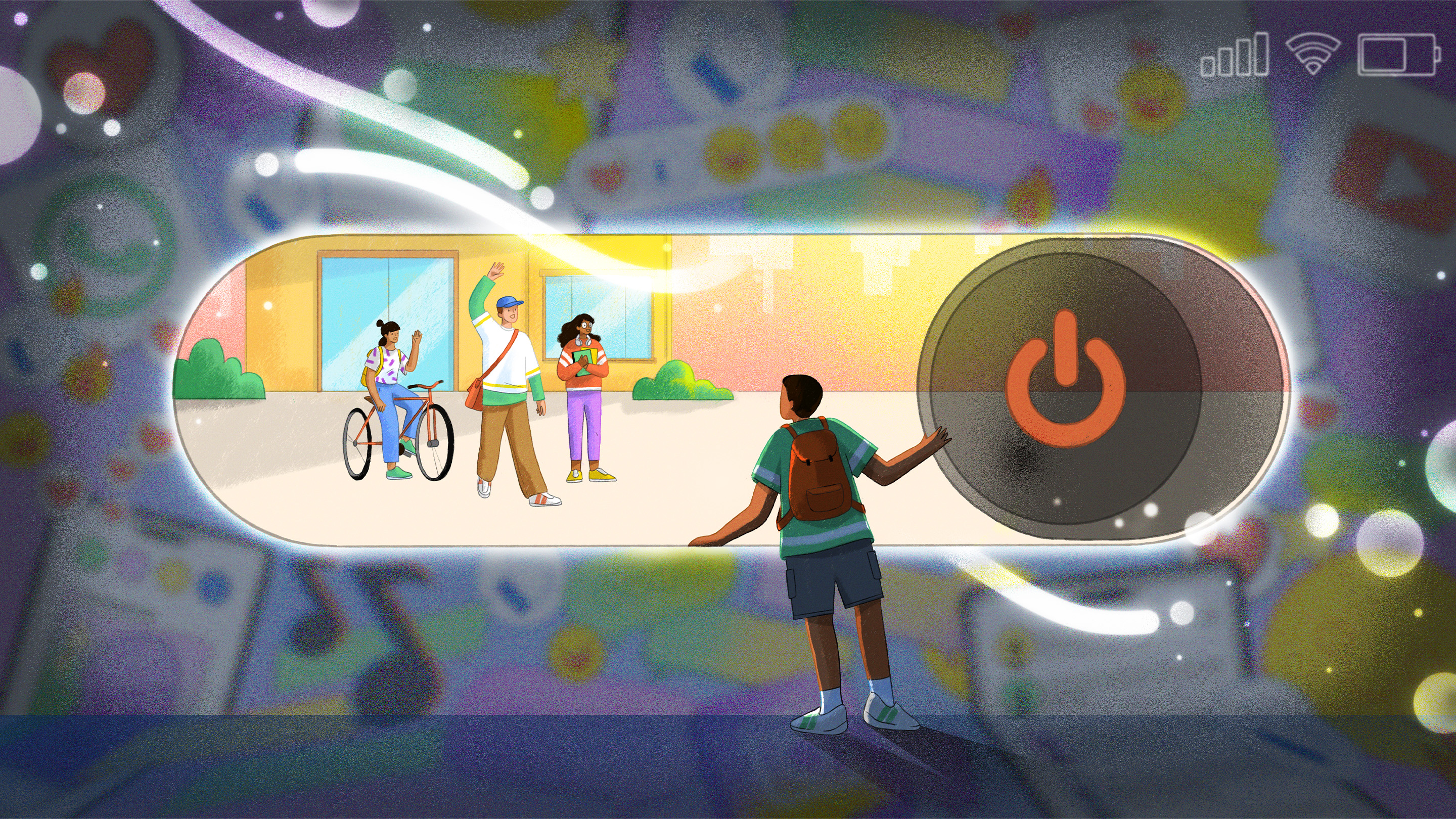
Cell phones in schools used to be a hallway nuisance. Now they are a full-blown leadership issue, right up there with attendance, safety, mental health, teacher morale, and the mystery of why cafeteria pizza is somehow both square and unforgettable. Across the United States, principals are being asked a serious question: should schools ban cell phones during the day, restrict them during class, or teach students to manage them responsibly?
The answer depends on whom you ask. Many principals say cell phone bans in schools improve focus, reduce drama, and make classrooms feel more like classrooms again. Teachers often cheer the policy because they can teach instead of playing “spot the glowing screen.” Parents, however, worry about emergency communication. Students tend to support some limits, especially during class, but many resist bell-to-bell bans that keep phones away at lunch and during passing periods.
In other words, the debate is not “phones good” versus “phones evil.” It is a practical question of school culture, safety, enforcement, equity, and common sense. Principals, sitting in the middle of everyone’s expectations, have some of the clearest insights.
Why Cell Phone Bans Are Gaining Momentum
The movement toward phone-free schools has accelerated because the problem is no longer limited to a few students sneaking texts under the desk. Smartphones bring social media, group chats, games, cameras, notifications, and endless entertainment into every class period. Even when a student is not actively using a phone, the possibility of a buzz, ping, or message can pull attention away from instruction.
For principals, the issue often appears in three places: classrooms, hallways, and discipline logs. In classrooms, phones compete with instruction. In hallways, they can amplify conflict, gossip, and social pressure. In discipline reports, they show up in cases involving cyberbullying, unauthorized recording, cheating, and student conflicts that begin online and explode in person.
That is why many schools have moved from “phones away during instruction” to stricter bell-to-bell policies. A bell-to-bell cell phone ban usually means students may bring phones to school, but they cannot access or use them from the first bell until dismissal. Some schools use lockers, locked pouches, classroom caddies, or office storage. Others require phones to remain powered off and stored in backpacks, although many principals say that approach is harder to enforce because a phone in a backpack is still a tiny entertainment casino waiting to open.
What Principals Say Works
Principals who support cell phone bans often describe the same early benefits: fewer classroom interruptions, more face-to-face conversation, less filming of conflicts, and a calmer school climate. The biggest benefit is not always a sudden test-score miracle. It is a shift in the daily atmosphere.
1. A More Focused Classroom
Teachers can lose several minutes at a time redirecting students who are checking messages, scrolling, or reacting to notifications. Principals hear this from staff constantly. When phones are out of reach, teachers report that students look up more often, participate more, and stay with the lesson longer.
This matters because attention is the doorway to learning. A student cannot analyze a poem, solve a geometry proof, or understand photosynthesis while mentally drafting the perfect reply to a group chat. Principals are not trying to create silent monasteries with lockers. They are trying to protect the conditions that make learning possible.
2. Fewer Social Conflicts During the Day
Many principals say phones do not merely distract students; they accelerate drama. A minor disagreement can become a recorded hallway event, a group-chat pile-on, or a social media post before an adult even knows what happened. Without constant phone access, conflicts still occur, because teenagers remain teenagers and have not yet been replaced by calm little philosophers. But schools can reduce the speed and scale of the drama.
Phone restrictions may also reduce unauthorized photos and videos in sensitive areas such as locker rooms, restrooms, and cafeterias. This is a major safety and privacy concern for school leaders. A cell phone policy is not just an academic rule; it is part of a school’s responsibility to protect students from embarrassment, harassment, and digital harm.
3. Better School Climate
Principals often judge a policy by what the building feels like. Are students talking at lunch? Are teachers spending less time arguing about phones? Are hallways calmer? Are office referrals connected to social media incidents dropping? These observations matter.
When a school moves toward a phone-free day, many leaders notice that students begin to rediscover simple human behaviors: chatting, playing cards, asking questions, reading, joking with friends, and occasionally making eye contact without needing a software update. This social reset can be one of the strongest arguments for a school cell phone ban.
The Concerns Principals Cannot Ignore
Even principals who support phone restrictions know the policy is not magic. A poorly designed ban can create frustration, inconsistent enforcement, and mistrust. The strongest school leaders do not pretend the drawbacks are imaginary. They plan for them.
Emergency Communication
The most common parent concern is simple: “How will I reach my child?” In a country where school safety is a real fear, this concern deserves respect. Principals must explain that school offices, classroom phones, parent portals, emergency messaging systems, and staff procedures are the official communication channels during the day.
A good policy should clearly tell families how to contact students for urgent needs, early dismissal, medical issues, transportation changes, or family emergencies. If parents believe the school is taking away their direct line without replacing it with a reliable system, the policy will struggle before the first pouch is zipped.
Student Anxiety
Some students feel anxious when separated from their phones. For adults, this can be tempting to dismiss with a cheerful “You’ll survive.” But principals know that anxiety can be real, especially for students who use phones to communicate with caregivers, manage health needs, translate language, or regulate stress.
The solution is not to abandon rules. It is to build thoughtful exceptions. Students with medical needs, individualized education programs, Section 504 plans, translation needs, caregiving responsibilities, or approved educational purposes may need access under defined conditions. A fair cell phone ban in schools is not one-size-fits-all; it is firm, predictable, and humane.
Equity and Discipline
Principals also worry about uneven enforcement. If some teachers strictly enforce the policy while others look the other way, students quickly learn that the rule depends on the room. Worse, discipline can fall harder on certain student groups if adults are not trained to apply the policy consistently.
Strong policies avoid automatic harsh punishments. Instead of suspending students for a phone violation, schools can use progressive responses: reminders, temporary storage, parent notification, restorative conversations, and clear consequences for repeat violations. The goal is not to fill the office with phones and frustrated teenagers. The goal is to protect learning time.
Bell-to-Bell Ban or Classroom-Only Restriction?
One of the biggest decisions for principals is whether to ban phone use all day or only during class. A classroom-only restriction is easier to sell because students can still use phones during lunch or passing periods. However, principals often find that problems do not politely wait for algebra to begin. Cyberbullying, filming, social media drama, and distraction can happen during lunch, in hallways, and even during restroom breaks.
A bell-to-bell ban is clearer: phones are away for the entire school day. It reduces gray areas and avoids constant negotiations. The downside is that it requires stronger systems for storage, communication, and enforcement. It also demands more parent education before implementation.
Many principals say the best policy is the one the school can actually enforce. A strict rule with weak follow-through becomes a daily argument. A moderate rule with consistent enforcement may work better than a dramatic ban that collapses by October. Schools must match the policy to their staffing, building layout, community expectations, student age, and available storage options.
What a Strong School Cell Phone Policy Includes
Principals who have implemented successful cell phone restrictions usually point to preparation. The policy itself is only half the work. The rollout determines whether families view the change as a thoughtful learning strategy or as a surprise attack on everyone’s favorite rectangle.
Clear Language
Students should know exactly when phones are prohibited, where they must be stored, what devices are included, and what happens if they violate the rule. Smartwatches, earbuds, tablets, and internet-enabled devices should be addressed directly. Otherwise, the first student with a smartwatch will become a walking loophole.
Family Communication
Parents need details before the policy begins. Schools should explain the reasons, the emergency contact process, the exception process, and the discipline steps. Principals should also provide translated materials and multiple communication channels so all families understand the change.
Staff Training
Teachers and staff must enforce the rule the same way. That means training, scripts, sample scenarios, and administrative support. If a teacher confiscates a phone and the office immediately returns it with a shrug, the policy becomes decorative.
Reasonable Exceptions
Policies should allow phones when required for medical monitoring, disability accommodations, language translation, caregiving needs, emergencies, or teacher-approved learning activities. The key is to define exceptions carefully so they do not swallow the rule.
Data Review
Principals should monitor outcomes. Are referrals decreasing? Are teachers reporting better attention? Are parents using the official communication system? Are discipline consequences applied fairly? A phone policy should be reviewed and improved, not framed like a stone tablet carried down from the mountain.
Do Cell Phone Bans Improve Learning?
The research picture is still developing, and honest principals know not to oversell the promise. A phone ban may improve focus, but it will not automatically fix weak instruction, chronic absenteeism, mental health challenges, or underfunded schools. If a ninth grader struggled with fractions before the phone ban, the phone ban will not personally tutor them after lunch.
Still, school leaders argue that removing phones protects instructional time. Teachers spend less energy policing devices and more energy teaching. Students have fewer chances to mentally leave the lesson. Class discussions can breathe. Group work becomes less like “one student works while three students scroll.”
The most realistic claim is this: cell phone bans create better conditions for learning. They are not a complete academic strategy by themselves. They work best when paired with strong instruction, engaging lessons, positive relationships, consistent routines, and student support.
How Principals Can Win Buy-In
The word “ban” can sound harsh, so principals often do better when they frame the policy around what students gain. They gain focus. They gain calmer lunches. They gain fewer online conflicts during school. They gain practice being present. Teachers gain instructional time. Parents gain a clearer schoolwide system.
The most effective principals also listen before launching. They hold parent meetings, survey students, involve teachers, consult counselors, and explain the “why” repeatedly. Students may not love the rule, but they are more likely to respect it when adults are transparent.
Principals can also build alternatives into the day. If phones disappear from lunch, give students something else to do: clubs, games, music areas, library access, outdoor time, conversation starters, or student-led activities. A phone-free cafeteria with nothing to do can feel like a waiting room. A phone-free cafeteria with games, friends, and movement can feel like a school community waking up again.
Experiences From the School Hallway: What the Policy Feels Like in Real Life
In practice, a cell phone ban does not begin with applause. It usually begins with groans, dramatic sighs, and at least one student announcing that the policy has ruined modern civilization. Principals should expect resistance. The first week is often the hardest because everyone is testing the edges: students, parents, teachers, and sometimes even staff members who are secretly checking whether earbuds count.
A common experience is the “withdrawal week.” Students reach for pockets that suddenly contain nothing exciting. Lunch feels louder, not quieter, because students who once scrolled silently now have to talk. Some are awkward at first. They ask what they are supposed to do. Then, slowly, the cafeteria changes. Card games appear. Students visit the library. Friends argue about sports, music, homework, and weekend plans instead of arguing with comment sections. The noise may increase, but many principals see that as healthy noise.
Teachers often report that the first improvement is not perfect attention but fewer interruptions. A student may still daydream, doodle, or stare heroically into space, but the teacher is no longer competing with a live feed of notifications. That matters. A distracted student without a phone can often be redirected with a question or a quick check-in. A distracted student inside a digital rabbit hole is much harder to retrieve.
Another real-world lesson is that storage matters. If phones are simply “away,” students may interpret that creatively. Away in the sleeve. Away under the thigh. Away behind the calculator. Away in the hoodie pocket that apparently has diplomatic immunity. Schools that use consistent storage systems tend to reduce arguments because everyone knows the routine. The fewer daily negotiations, the better.
Parent communication also becomes a defining test. When parents know how to reach the school and receive quick responses, trust grows. When calls go unanswered or messages are slow, frustration rises. Principals who succeed with phone bans usually strengthen front-office systems before enforcing the rule. They prepare staff for more routine messages about appointments, transportation, lunch deliveries, and family emergencies.
Student leadership can help, too. Some schools ask students to suggest phone-free lunch activities, create posters, lead peer discussions, or serve on advisory committees. This does not turn every teenager into a fan of the policy, but it moves the conversation from “adults took our phones” to “how do we make this school day better?”
The most important experience is patience. A phone-free school culture does not appear overnight. The first month may feel messy. By the second or third month, routines become more normal. Students complain less. Teachers enforce with less drama. Parents learn the new communication path. Principals can then evaluate the policy based on evidence, not panic. The schools that do best are not the ones that simply ban phones. They are the ones that replace constant digital access with clearer routines, stronger relationships, and a school day that feels worth paying attention to.
Conclusion: Principals Want Fewer Distractions, Not Fewer Tools
Cell phone bans in schools are not about pretending technology does not exist. Students live in a digital world, and schools should teach digital responsibility. But principals are increasingly saying that constant phone access during the school day makes that job harder, not easier.
The best policies balance firmness with flexibility. They protect instructional time, reduce social media-fueled conflict, support student safety, and create clear communication systems for families. They also include reasonable exceptions and careful discipline practices so the policy does not create new inequities.
Principals weighing in on cell phone bans are not asking for a return to chalk dust and carrier pigeons. They are asking for a school day where students can focus, connect, and learn without a pocket-sized distraction machine calling their name every seven seconds. That goal is not anti-technology. It is pro-learning.