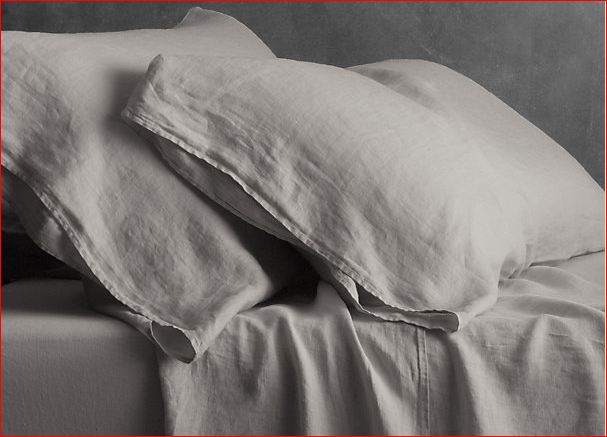
Garment-dyed linen pillowcases sound like something a very calm person with a perfectly curated bedroom would casually mention while pouring herbal tea. But behind the soft, lived-in look is a practical bedding upgrade that blends comfort, durability, breathability, and a relaxed style that says, “Yes, I made the bed,” even if you only sort of did.
At their best, garment-dyed linen pillowcases feel casual but refined. They are not shiny hotel pillowcases trying to impress your in-laws. They are textured, airy, slightly rumpled, and effortlessly elegant. The magic comes from two things: linen, a natural fabric made from flax fibers, and garment dyeing, a finishing process where the pillowcase is dyed after it has already been sewn. Together, they create bedding with soft color, natural variation, and that coveted “already broken in” feeling.
Whether you are a hot sleeper, a design enthusiast, a skincare minimalist, or simply someone who wants pillowcases that do not feel like a plastic handshake, garment-dyed linen pillowcases are worth understanding before you buy.
What Are Garment-Dyed Linen Pillowcases?
Garment-dyed linen pillowcases are pillow covers made from linen fabric and dyed after construction. In traditional fabric dyeing, yarn or fabric is dyed before the item is cut and sewn. With garment dyeing, the finished pillowcase is placed into a dye bath, allowing the color to settle into the completed piece.
This process gives garment-dyed bedding its signature softness, depth, and gently faded character. The color can look more nuanced than flat factory-perfect shades. You may notice subtle highs and lows in the fabric, especially around seams, hems, and folds. That is not a flaw. That is the charm. Think of it as the textile version of perfectly worn-in jeans, minus the drama of trying on 14 pairs.
Linen itself is made from flax, a plant fiber known for strength, breathability, and a naturally textured appearance. When linen is garment-dyed and washed, the fabric often develops a softer hand and more relaxed drape. The result is a pillowcase that looks less stiff and formal than crisp cotton percale but more elevated than basic jersey or microfiber.
Why Linen Is So Popular for Pillowcases
Linen has been used for centuries, and not just because people in old paintings needed something tasteful to nap on. It remains popular because it performs well in real bedrooms with real humans who sweat, toss, turn, and occasionally fall asleep with moisturizer still doing its slippery little job.
1. Linen Is Naturally Breathable
One of the biggest reasons people choose linen pillowcases is airflow. Linen fibers and linen weaves allow heat to move away from the body more easily than many synthetic fabrics. This can make linen pillowcases especially appealing for warm sleepers, humid climates, and anyone who has ever flipped a pillow over looking for the “cold side” like it was a buried treasure.
Because pillowcases sit directly against the face and neck, breathability matters. A fabric that traps heat can feel clammy. Linen tends to feel airy, dry, and relaxed, making it a smart choice for year-round comfort.
2. Linen Absorbs Moisture Without Feeling Heavy
Linen is absorbent, which means it can take in moisture from sweat, humidity, skincare products, or damp hair. At the same time, quality linen dries relatively quickly compared with heavier fabrics. This balance helps the pillowcase feel fresh instead of swampy. Nobody wants their pillow to feel like it has been emotionally affected by the weather.
3. Linen Gets Softer Over Time
Unlike some fabrics that look good on day one and then slowly surrender to pilling, thinning, or general sadness, linen often improves with use. Each wash can relax the fibers a little more, creating a softer, more familiar texture. This is one reason many shoppers prefer pre-washed, stonewashed, or garment-washed linen pillowcases. They skip part of the stiff “new linen” phase and arrive feeling more comfortable from the start.
4. Linen Has a Naturally Relaxed Look
If you want a bed that looks comfortable, organic, and quietly expensive, linen is your friend. It wrinkles, yes, but in a way that feels intentional. Cotton wrinkles can look like you lost an argument with the dryer. Linen wrinkles look like you read design magazines and own ceramic mugs made by someone named Oliver.
What Makes Garment Dyeing Different?
The term “garment-dyed” refers to when the finished product is dyed after it has been assembled. For pillowcases, this means the fabric has already been cut, sewn, hemmed, and finished before the color is applied.
This process can create several benefits:
- Softer feel: The dyeing and washing process can relax the fibers, giving the pillowcase a broken-in touch.
- Subtle color variation: Garment dyeing often produces nuanced tones rather than perfectly uniform color.
- Casual beauty: The finished look feels lived-in, warm, and less rigid.
- Pre-shrunk effect: Because the product is dyed and washed after sewing, some shrinkage may already happen before it reaches your bedroom.
Garment-dyed linen pillowcases are especially loved for earthy neutrals, muted pastels, dusty blues, terracotta shades, sage greens, warm whites, charcoal, and deep clay tones. The colors often look softer than bright synthetic dyes, which makes them easy to layer with quilts, duvet covers, throws, and decorative pillows.
Garment-Dyed vs. Yarn-Dyed vs. Piece-Dyed Linen
Not all dyed linen is created the same way. Understanding the difference can help you choose the right pillowcases for your style and expectations.
Garment-Dyed Linen
Garment-dyed linen is dyed after the pillowcase is sewn. It usually has a softer, more relaxed look, with subtle color variation. This is ideal if you like casual luxury and bedding that feels personal rather than overly polished.
Yarn-Dyed Linen
Yarn-dyed linen is made from yarns that are dyed before weaving. This method is often used for stripes, checks, gingham, chambray, and woven patterns. Yarn-dyed fabrics can offer strong color depth and long-lasting pattern clarity.
Piece-Dyed Linen
Piece-dyed linen is dyed after the fabric is woven but before it is sewn into a pillowcase. It can create a more uniform look than garment dyeing. It is common in bedding, apparel, and home textiles.
If you want relaxed texture and soft, washed color, garment-dyed linen pillowcases are the sweet spot. If you want crisp stripes or gingham that stay visually sharp, yarn-dyed linen may be the better choice.
Benefits of Garment-Dyed Linen Pillowcases
They Feel Comfortable in Every Season
Linen is often marketed as summer bedding, but it is more versatile than that. It breathes well in warm weather and layers beautifully in cooler months. A garment-dyed linen pillowcase can feel airy in July and cozy in November, especially when paired with a linen duvet cover, cotton blanket, or wool throw.
They Add Texture Without Visual Clutter
One of the easiest ways to make a bedroom look more designed is to mix textures. Garment-dyed linen adds texture even in a solid color. A simple ivory, oatmeal, clay, or navy pillowcase can make a bed feel layered and intentional without adding loud patterns.
They Pair Well With Many Decor Styles
Garment-dyed linen pillowcases work with modern farmhouse, coastal, Scandinavian, bohemian, minimalist, rustic, organic modern, and traditional bedrooms. Basically, if your room contains a bed and not a medieval drawbridge, linen can probably fit in.
They Can Be Gentle Against Skin
Quality linen pillowcases are often appealing to people who prefer natural fibers near their skin. While linen is not as slippery as silk or satin, it has a breathable, dry feel that many sleepers find comfortable. Look for options that are certified by textile safety standards such as OEKO-TEX Standard 100 if you want added confidence that the finished fabric has been tested for harmful substances.
They Are Durable
Linen is known for strength. A well-made linen pillowcase can handle repeated washing when cared for properly. The key is to avoid harsh detergents, high heat, and bleach, all of which can weaken fibers or fade garment-dyed color over time.
How to Choose the Best Garment-Dyed Linen Pillowcases
Check the Linen Source
Many premium pillowcases use European flax linen, French linen, or Belgian flax linen. These terms usually refer to the origin of the flax fiber or linen tradition, not always the place where the pillowcase was sewn. European flax is widely respected because flax grows well in the cool, damp climate of Western Europe.
Look for Pre-Washed or Garment-Washed Finishing
Garment-dyed and garment-washed pillowcases tend to feel softer immediately. If the product description mentions “washed linen,” “relaxed linen,” “stonewashed,” or “garment-washed,” that usually means the pillowcase has been finished for a softer texture.
Consider Weight and GSM
GSM stands for grams per square meter. It describes fabric weight. A lighter linen pillowcase may feel airier and better for hot sleepers, while a heavier linen may feel more substantial and durable. Many linen bedding pieces fall somewhere around the midweight range, offering a balance of breathability and structure.
Choose the Right Closure
Envelope closures are common in linen pillowcases because they keep the pillow tucked inside without zippers or buttons pressing against your face. Standard open-end pillowcases are easy to use but may slide around more. If you are a restless sleeper, an envelope closure is a small detail that can save you from waking up with your pillow half escaped like it had somewhere better to be.
Match the Size
Most pillowcases come in standard, queen, and king sizes. A standard pillowcase may fit standard and queen pillows depending on the brand, but it is always best to check dimensions. Linen can relax slightly with use, so a well-fitted case should not be overly tight.
Best Colors for Garment-Dyed Linen Pillowcases
Garment dyeing shines in soft, natural colors. The best choice depends on your bedroom palette and how much attention you want the pillowcases to attract.
- White or natural: Clean, timeless, and easy to layer.
- Oatmeal or flax: Warm, earthy, and forgiving.
- Sage or olive: Calm and organic, especially with wood furniture.
- Dusty blue: Cool, coastal, and peaceful.
- Terracotta or clay: Warm, modern, and cozy.
- Charcoal: Dramatic but softer than black.
- Blush or mauve: Gentle color without becoming sugary sweet.
For a layered designer look, mix two colors from the same family. Try natural linen sheets with clay pillowcases, white bedding with sage pillowcases, or charcoal pillowcases with a tan duvet. The goal is harmony, not a bedding situation that looks like a paint sample wall had a nervous breakdown.
How to Wash Garment-Dyed Linen Pillowcases
Always follow the care label first. In general, garment-dyed linen pillowcases do best with gentle care:
- Wash before first use.
- Use cold or warm water, depending on the label.
- Choose a mild liquid detergent.
- Wash with similar colors.
- Avoid chlorine bleach.
- Do not overload the washing machine.
- Tumble dry low or line dry.
- Remove promptly to reduce deep wrinkles.
Because pillowcases touch your face and hair, washing them once a week is a good baseline. If you use heavy skincare products, have oily skin, sweat at night, sleep with pets, or deal with allergies, changing pillowcases more often can help keep your sleep surface fresher.
Should You Iron Linen Pillowcases?
You can iron linen pillowcases, but you do not have to. In fact, many people buy linen specifically because it looks beautiful without ironing. The relaxed wrinkles are part of the aesthetic. If you prefer a smoother finish, iron while slightly damp on a low or medium setting, or use a steamer.
For most bedrooms, the best approach is simple: smooth the pillowcase with your hands after drying, put it on the pillow, and let linen be linen. It has texture. It has personality. It does not want to be micromanaged.
Garment-Dyed Linen Pillowcases vs. Cotton Pillowcases
Cotton pillowcases are popular for good reason. They can be crisp, smooth, affordable, and easy to find. Percale cotton feels cool and structured, while sateen cotton feels smoother and more lustrous. Linen, however, brings a different mood and performance profile.
Linen usually feels more textured than cotton. It may not have the silky smoothness of sateen, but it often feels more breathable and relaxed. Linen also tends to look better when imperfect. A cotton pillowcase may look wrinkled; a linen pillowcase looks casually elegant. That is unfair, but bedding has its own politics.
If you like a crisp hotel bed, cotton percale may be your favorite. If you like softness with drape, cotton sateen may win. If you like breathable texture, natural wrinkles, and earthy color, garment-dyed linen pillowcases are hard to beat.
Are Garment-Dyed Linen Pillowcases Worth It?
Garment-dyed linen pillowcases usually cost more than basic cotton or microfiber options. The higher price often reflects the flax fiber, weaving process, finishing, dyeing, and the durability of the final textile. For people who prioritize natural materials, breathable bedding, and relaxed design, the investment can make sense.
They are especially worth considering if:
- You sleep warm or live in a humid climate.
- You prefer natural fibers over synthetic fabrics.
- You like bedding that gets softer over time.
- You want a relaxed, designer-style bedroom without fussy styling.
- You enjoy muted, earthy, garment-dyed colors.
- You are willing to follow gentle washing instructions.
They may not be the best fit if you want perfectly smooth, wrinkle-free bedding. Linen wrinkles. It just does. Asking linen not to wrinkle is like asking a cat not to judge you. Technically possible for three seconds, but not realistic.
Common Mistakes to Avoid
Using Too Much Detergent
Extra detergent does not make pillowcases extra clean. It can leave residue that makes linen feel stiff. Use the recommended amount and choose a mild formula.
Drying on High Heat
High heat can shrink linen, weaken fibers, and fade garment-dyed colors faster. Low heat or line drying is safer.
Washing With Rough Items
Avoid washing linen pillowcases with jeans, towels, zippers, or heavy garments. Rough items can increase abrasion and wear.
Expecting Perfect Color Uniformity
Garment-dyed linen often has subtle shade variation. That is part of the look. If you want perfectly even color, choose a more uniform dyed fabric.
Real-Life Experience: Living With Garment-Dyed Linen Pillowcases
The first thing you notice about garment-dyed linen pillowcases is that they do not behave like showroom bedding. They are not stiff, glossy, or overly formal. They feel more like something you would find in a beautifully designed guest room where the host also owns good olive oil and somehow keeps fresh eucalyptus in a vase.
On the first night, the texture may surprise you if you are used to smooth cotton sateen or microfiber. Linen has a dry, airy hand. It is soft, but not slippery. It feels natural against the skin, almost like the fabric is breathing with the room. For hot sleepers, this can be a genuine improvement. Instead of waking up with a pillowcase that feels warm and damp, linen tends to stay more comfortable through the night.
After a few washes, the pillowcases usually become more relaxed. The fabric softens, the seams settle, and the color starts to look even more natural. A clay or sage garment-dyed pillowcase, for example, may look slightly different in morning light than it does under a bedside lamp. That subtle shift is part of the appeal. The color has dimension rather than looking flat.
Styling them is easy. Two garment-dyed linen pillowcases can make a basic white sheet set feel more intentional. Add a textured throw at the foot of the bed, and suddenly the room looks like you had a plan. Even if the plan was “hide the laundry basket behind the door,” the pillowcases are doing their part.
There are practical lessons, too. Washing them with similar colors matters, especially in the first few washes. So does removing them from the dryer while slightly damp or promptly after the cycle ends. If they sit in the dryer overnight, they will wrinkle with the confidence of a fabric that knows it is still fashionable.
One of the nicest experiences is how low-pressure linen feels. You do not need to make the bed with military precision. A slightly rumpled linen pillowcase looks inviting, not lazy. This makes garment-dyed linen especially useful for busy households, relaxed bedrooms, guest rooms, and anyone who wants beauty without a daily wrestling match with bedding.
They also make seasonal decorating easier. In spring, pale blue or soft blush linen pillowcases can lighten the room. In summer, white, flax, or sage feels cool and fresh. In fall, terracotta, olive, and warm taupe add coziness. In winter, charcoal or deep navy brings depth without making the room feel heavy. A few pillowcase sets can refresh the whole bed without replacing every piece of bedding.
The biggest adjustment is accepting wrinkles. If you need your pillowcases to look perfectly pressed every day, linen may test your patience. But if you can embrace the relaxed texture, garment-dyed linen becomes one of those small home upgrades that quietly improves daily life. You see it when you walk into the room. You feel it when you lie down. And you appreciate it most after a long day, when your pillow feels cool, soft, and welcoming.
In other words, garment-dyed linen pillowcases are not just decorative. They are a small nightly luxury, the kind that does not shout. It simply waits on the bed, looking calm, breathing well, and making your room feel a little more grown-up than your junk drawer would suggest.
Conclusion
Garment-dyed linen pillowcases combine the natural performance of linen with the soft, lived-in beauty of garment dyeing. They are breathable, absorbent, durable, stylish, and easy to layer with many bedroom designs. Their subtle color variations and relaxed wrinkles make them feel warm and personal rather than overly perfect.
For shoppers who value natural materials, year-round comfort, and effortless style, they are a smart bedding upgrade. Choose quality linen, check the sizing and closure, wash gently, avoid high heat, and let the fabric soften over time. The result is a pillowcase that looks better, feels better, and somehow makes bedtime feel more civilizedeven if you are still scrolling your phone under the blanket.
Note: Care instructions, dye behavior, sizing, and fabric weight can vary by brand. Always follow the care label on your specific garment-dyed linen pillowcases for the best long-term results.