Note: This article is for informational purposes only. Ford Escape owners should verify their specific vehicle by VIN through Ford, NHTSA, or an authorized Ford or Lincoln dealer, because recall eligibility depends on the exact vehicle record.
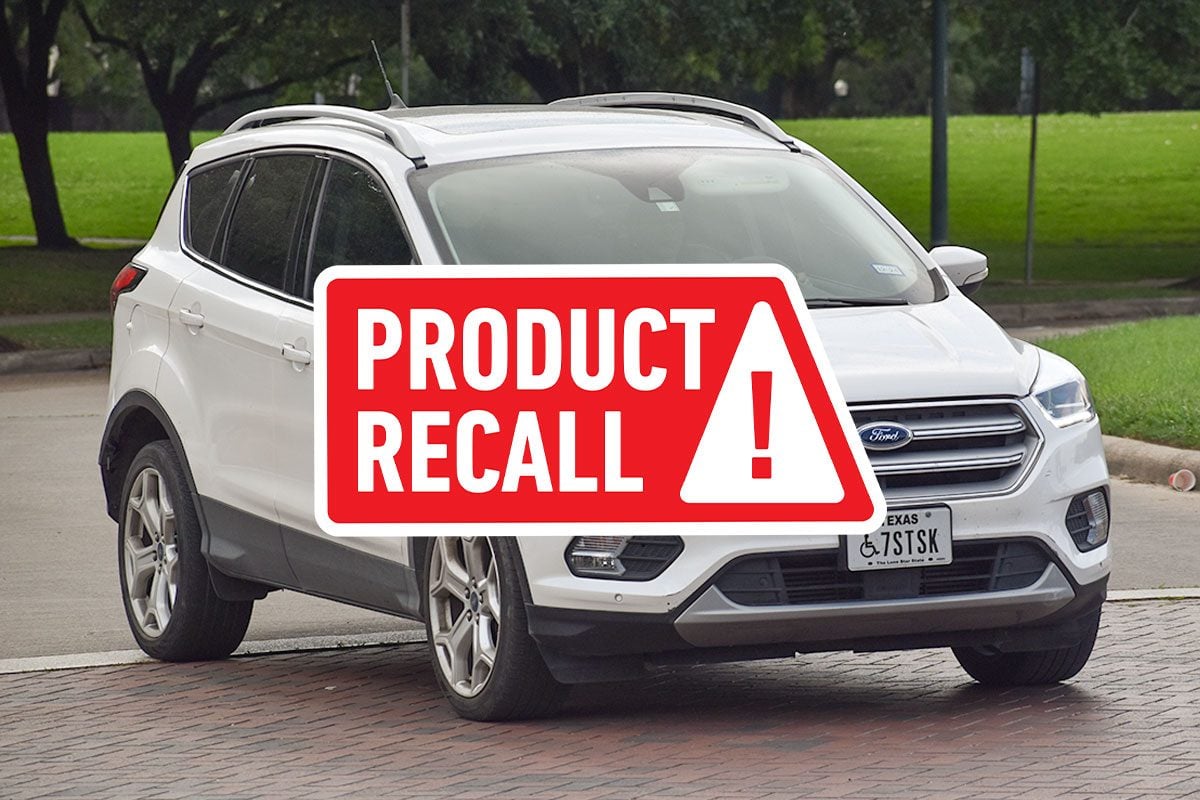
If your Ford Escape has been making a suspicious rattle from the rear roof area, it may not be trying to sing backup vocals. Ford has issued a safety recall affecting more than 100,000 Escape SUVs because the liftgate hinge covers may not be properly secured. In plain English: a small exterior trim part near the rear hatch can loosen, detach while driving, and become a road hazard for other drivers. That is the kind of “surprise accessory” nobody wants flying down the highway.
The recall involves certain 2020–2022 Ford Escape models and certain 2025 Ford Escape models equipped with the panoramic roof option. The official campaign is tied to NHTSA Recall No. 25V829 and Ford recall number 25SD6. The potentially affected population is 108,762 vehicles in the United States, with Ford estimating that about 6 percent may actually have the defect.
At first glance, a liftgate hinge cover may sound like a small cosmetic issue. It is not an engine fire, brake failure, or transmission meltdown. Still, road safety often comes down to small parts behaving properly at high speeds. A piece of trim that pops loose at 65 mph can distract drivers, bounce into traffic, or create a sudden hazard for motorcycles, bicyclists, and vehicles following behind. Think of it as a tiny plastic drama queen with unusually bad timing.
What Ford Escape Models Are Included in the Recall?
The Ford Escape liftgate recall does not include every Escape on the road. The affected group is narrower than the headline number might suggest. According to the recall filing, the vehicles involved are certain 2020–2022 Ford Escape SUVs and certain 2025 Ford Escape SUVs equipped with the panoramic roof option.
The larger group includes 102,350 Ford Escape vehicles from the 2020, 2021, and 2022 model years. These vehicles were produced between November 13, 2018, and April 5, 2022. A smaller group includes 6,412 Ford Escape vehicles from the 2025 model year, produced between December 2, 2024, and April 1, 2025.
That said, production dates and model years alone are not enough to confirm whether your SUV is on the recall list. Vehicles are not always produced in VIN order, and not every Escape from those years has the panoramic roof configuration involved in the campaign. The safest move is to check your 17-character Vehicle Identification Number, better known as the VIN. You can usually find it on the driver-side dashboard near the windshield, on the driver-side door jamb, on your registration, or in insurance documents.
Why Is the Liftgate Hinge Cover a Safety Concern?
The liftgate hinge cover is an exterior trim piece located near the rear hatch area. Its job is not glamorous. It covers hardware, improves appearance, and helps the vehicle look finished instead of like someone forgot a final step at the factory. But if it is not properly attached, it can loosen and detach while the vehicle is in motion.
NHTSA identifies the safety risk as a potential distraction or road hazard for other road users. That is important because recalls are not issued only when the affected driver is at risk. A vehicle part that separates from one SUV can endanger the driver behind it, the motorcyclist in the next lane, or the person who swerves to avoid debris. Road hazards do not politely ask which car they belong to before causing trouble.
Ford’s recall report states that the liftgate hinge cover may detach from the vehicle while driving. If it does, the part may tumble onto the roadway or strike another vehicle. Even if the cover is lightweight, the sudden appearance of debris can cause drivers to brake, swerve, or lose focus. On busy highways, a small object can create a big chain reaction.
What Caused the Ford Escape Liftgate Problem?
The recall points to two different root causes depending on the model year group. For certain 2020–2022 Ford Escape vehicles, Ford found that liftgate hinge cover attachments may not have been fully engaged during vehicle assembly. In other words, the cover may have looked installed but did not have all of its attachment points properly locked into place.
For certain 2025 Ford Escape vehicles, the issue is tied to a DUAL LOCK retention patch that may not adhere correctly to the vehicle’s panoramic roof frame. Ford also noted that contact between the liftgate and hinge covers during liftgate opening could contribute to the problem if the covers were installed in an over-flush condition. That sounds technical, but the practical takeaway is simple: the cover may not stay where it was designed to stay.
Manufacturing issues like this are not always obvious during daily driving. A trim piece may pass a casual glance, survive a car wash, and then start making noise after temperature changes, road vibration, repeated liftgate use, or highway airflow. Cars live hard lives. They get slammed shut, baked in summer sun, frozen in winter, sprayed with salt, and asked to cruise at interstate speeds while carrying groceries, strollers, golf clubs, camping gear, and occasionally one very judgmental family dog.
Warning Signs Ford Escape Owners Should Watch For
Owners may notice a few clues before a liftgate hinge cover detaches. One warning sign is that the cover may not sit flush with the roof. If the trim looks raised, uneven, loose, or slightly out of place near the rear hatch area, it deserves attention.
Another warning sign is wind noise. A loose exterior part can create a whistle, flutter, or rushing sound while driving, especially at highway speeds. Rattling is another possible symptom. If you hear a new noise from the rear roof or liftgate area, do not automatically blame the cargo cover, the kids’ sports equipment, or that one mystery object rolling around since 2021. Inspect the liftgate hinge cover area when parked safely.
Owners should not tug aggressively on the trim or attempt a backyard repair with glue, tape, or heroic optimism. A dealer inspection is the smarter route because recall repairs must follow Ford’s service procedure. A temporary tape job may make you feel mechanically powerful for ten minutes, but it is not a recall remedy.
How Many Warranty Claims Has Ford Received?
Ford reported 1,835 warranty claims related to liftgate hinge cover detachment in affected vehicles produced for the U.S. and U.S. federal territories markets. Those claims were received between November 16, 2019, and August 25, 2025. Ford also reported one potentially related NHTSA Vehicle Owner Questionnaire.
The company stated that it was not aware of any accidents or injuries related to this condition at the time the recall report was filed. That is good news, but it does not mean owners should ignore the recall. Recalls are designed to reduce risk before luck runs out. Waiting until a part flies away is a strategy best left to cartoon villains and people who store soup cans on top of refrigerators.
What Will Ford Dealers Do to Fix It?
The remedy is straightforward: Ford or Lincoln dealers will inspect the liftgate hinge covers, remove them if necessary, and reinstall or secure them properly. If components are missing or damaged, the dealer will replace them. The repair is free of charge for affected owners.
Free matters. Safety recall repairs are performed at no cost, regardless of whether the vehicle is still under the original warranty. You also do not need to visit the dealer where you bought the vehicle. Any authorized Ford or Lincoln dealer should be able to verify the recall and perform the repair when parts and procedures are available.
Owners should mention Ford recall number 25SD6 when contacting a dealer. It is also helpful to have the VIN ready. A service advisor can check the Ford OASIS database to confirm whether the vehicle is included and whether the remedy is available for that specific VIN.
How to Check If Your Ford Escape Is on the Recall List
The fastest way to check your Ford Escape recall status is by VIN. Entering your VIN through Ford’s recall lookup tool, NHTSA’s recall database, or asking a Ford dealer provides the most accurate answer. Searching by year and model can help you understand whether your SUV might be in the affected group, but the VIN tells the real story.
Step 1: Find Your VIN
Look at the lower corner of the windshield on the driver’s side. You can also open the driver-side door and check the label on the door jamb. Your VIN also appears on registration papers, insurance cards, and many loan or lease documents.
Step 2: Run a Recall Check
Use the VIN to check for open recalls. If the liftgate hinge cover recall appears, contact a Ford or Lincoln dealer to schedule service. If it does not appear, your vehicle may not be included, even if it is a 2020–2022 or 2025 Escape.
Step 3: Schedule the Repair
Once the dealer confirms the recall, ask whether parts or updated service instructions are available. If the final remedy is not available yet for your VIN, ask the dealer to record your information and notify you when the repair can be completed.
Should You Keep Driving Your Escape?
The recall report does not include a “do not drive” instruction or a “park outside” warning for this issue. That matters because some safety recalls require immediate action, while others allow owners to keep using the vehicle until repairs are scheduled. Still, owners should use common sense. If you see that the hinge cover is loose, missing, rattling heavily, or visibly separated from the roof, call a dealer promptly and avoid highway driving until you receive guidance.
If the cover has already detached, do not assume the problem is over. The remaining attachment points, adjacent trim, or the opposite-side cover may also need inspection. A missing cover may expose mounting areas or allow additional wind noise. It also means your vehicle may be eligible for replacement components under the recall.
Why Panoramic Roof Models Matter
The recall specifically concerns affected Escape vehicles equipped with the panoramic roof option. Panoramic roofs change the roof structure and trim environment compared with vehicles without that option. The liftgate hinge cover attachment system interacts with the panoramic roof frame area, which is why the recall population is tied to that configuration.
For shoppers considering a used Ford Escape, this detail is worth remembering. A panoramic roof is a popular feature because it makes the cabin feel brighter and more open. It also adds more seals, glass, trim, and attachment points to inspect over time. That does not mean buyers should avoid panoramic roofs. It means they should check recall history, inspect trim fit, and confirm that any open recall has been completed before signing paperwork.
What This Recall Says About Modern Vehicle Quality
Modern vehicles are complicated machines built from thousands of parts. Some recalls involve software, batteries, airbags, fuel systems, or advanced driver-assistance technology. Others involve trim, fasteners, seals, clips, and covers. The Ford Escape liftgate recall belongs to that second category, but it still matters because exterior parts must remain attached under real-world driving conditions.
Today’s SUVs are expected to be quiet, aerodynamic, stylish, efficient, connected, safe, and affordable enough that customers do not faint in the showroom. That is a lot to ask from one vehicle. To meet those expectations, automakers use lightweight materials, adhesive systems, clips, modular assemblies, and supplier-built components. When one small part of that process goes wrong, a recall can follow.
The lesson for owners is not to panic every time a recall appears. Recalls are part of the safety system. They are public acknowledgments that a defect needs correction. The more important question is whether owners respond quickly, verify their VIN, and complete the repair.
Tips for Ford Escape Owners Before Visiting the Dealer
Before your service appointment, take a few simple steps. First, photograph the liftgate hinge cover area, especially if you can see looseness, gaps, missing trim, or uneven fit. Photos can help document the condition before repair. Second, write down any symptoms, such as rattling, wind noise, or when the sound occurs. Third, remove personal items from the cargo area if the technician may need access near the liftgate.
Ask the dealer how long the inspection should take and whether parts are in stock. Recall visits can be quick, but schedules vary depending on dealer workload, parts availability, and whether your vehicle needs replacement components. If you rely on the Escape for commuting, school pickup, medical appointments, or work, ask about transportation options when scheduling.
After the repair, inspect the area again. The covers should sit properly, and the rattling or wind noise should be gone. Keep the repair paperwork with your vehicle records. If you later sell the Escape, proof of completed recall work can reassure buyers and reduce unnecessary negotiation drama.
What If You Bought a Used Ford Escape?
Used vehicle owners should pay special attention to recalls because notices may have gone to a previous owner. If you purchased a used 2020–2022 or 2025 Ford Escape, do not assume you would automatically receive a recall letter. Update your ownership information with Ford and check your VIN manually.
This is especially important for vehicles bought from independent dealers, online marketplaces, auctions, or private sellers. A used Escape can look perfect on the lot while still having an open recall. The good news is that recall repairs follow the vehicle, not the original owner. If your VIN is included and the repair has not been completed, you should still be eligible for the free recall service.
Real-World Experience: What This Recall Feels Like for Drivers
For many drivers, the first sign of a liftgate hinge cover issue will not be a dramatic flying part. It may be a small noise that gets blamed on everything else first. Maybe you hear a faint rattle on the highway and assume it is a loose water bottle in the cargo area. Maybe a gusty day makes the rear of the roof sound louder than usual. Maybe you wash the SUV and notice one side of the trim looks slightly raised, but you convince yourself it has always been that way. Vehicle problems often begin as tiny mysteries, then slowly become impossible to ignore.
Imagine a family using a Ford Escape for daily life. It handles the morning school run, the commute, the grocery store, and the weekend trip to the lake. The panoramic roof is one of the reasons they bought it. The cabin feels airy, the kids like looking up at clouds, and the dog probably thinks the sky window is a personal entertainment system. Then one day, the driver hears a rattle from the rear roof area. At first, it is only noticeable above 50 mph. By the next week, it appears more often. That is exactly the kind of situation where checking for recalls makes sense.
Another common experience is discovering the recall during routine maintenance. You bring the Escape in for an oil change, tire rotation, or brake inspection, and the service advisor says there is an open recall. That can be annoying, especially when you were hoping for a quick visit. But it is also useful. Dealers can identify recall campaigns by VIN, and many owners learn about open recalls this way before receiving or noticing a letter.
For road-trip drivers, this recall is a reminder to do a quick walkaround before long drives. Check tire pressure, lights, wipers, fluid levels, and exterior trim. You do not need to crawl over the vehicle like a forensic detective with a flashlight and dramatic music. Just look for anything loose, uneven, cracked, or missing. Pay special attention after car washes, storms, icy weather, or rough-road driving because vibration and temperature swings can reveal weak attachment points.
For used-car buyers, the experience is slightly different. A buyer may be comparing several compact SUVs and see a 2021 Escape with a panoramic roof at an attractive price. The vehicle may drive well, look clean, and have a nice service history. Before buying, the smart move is to check the VIN for open recalls. If this liftgate hinge cover recall appears, it does not automatically mean the vehicle is a bad purchase. It means the buyer should ask whether the repair has been completed and, if not, plan to have it done.
Owners should also resist the temptation to treat recalls as a personal insult. A recall does not mean every affected Escape is falling apart. It means a defined group of vehicles may have a defect that needs inspection or correction. The grown-up response is boring but effective: verify the VIN, schedule service, keep records, and move on with life. The less grown-up response is yelling at a plastic hinge cover in the driveway. Understandable, but rarely productive.
The best experience is the uneventful one. You check your VIN, discover your Escape is included, schedule the appointment, and the dealer secures or replaces the hinge covers at no charge. The rattle disappears. The trim sits flush. Other drivers are not introduced to airborne Ford accessories. Everyone wins, including the hinge cover, which finally learns the value of commitment.
Conclusion
The Ford Escape liftgate recall affects more than 100,000 SUVs, but the key issue is specific: certain 2020–2022 and 2025 Escape models with panoramic roofs may have liftgate hinge covers that are not properly secured. If those covers detach while driving, they can become a distraction or road hazard and increase crash risk.
Owners should check their VIN, watch for warning signs such as wind noise, rattling, or trim that is not flush with the roof, and contact a Ford or Lincoln dealer if their vehicle is included. The dealer repair involves inspection, securing, reinstallation, or replacement of missing or damaged liftgate hinge cover components at no cost.
This recall is a good reminder that vehicle safety is not only about big mechanical systems. Sometimes it is about a small exterior part staying exactly where engineers intended. In the world of modern SUVs, even the quiet little trim pieces have responsibilities.