Note: This article intentionally focuses on humane, legal, and practical raccoon control instead of killing raccoons. In many places, wildlife removal is regulated, and unsafe do-it-yourself methods can put people, pets, and wildlife at risk.
Raccoons are clever, curious, and surprisingly good at turning your backyard into an all-night buffet. One evening your trash can is upright and respectable; the next morning it looks like a tiny masked burglar hosted a raccoon food festival behind your garage. While raccoons may look cute, they can damage roofs, attics, gardens, chimneys, insulation, garbage areas, and pet-feeding stations. They may also carry health risks such as rabies and raccoon roundworm, so the goal is not to cuddle them, chase them, or try risky “quick fixes.” The goal is to remove the invitation.
If you searched for ways to kill raccoons, the real problem is probably frustration: noise in the attic, overturned trash, damaged vents, poop on the deck, or a bold raccoon staring through the sliding glass door like it pays rent. The better answer is a control plan that works long-term: remove food, block shelter, clean safely, and call licensed wildlife help when needed. Killing one raccoon rarely solves the reason raccoons came in the first place. If your home still offers food, water, and shelter, another raccoon may move in like it found a furnished apartment with free snacks.
Why Killing Raccoons Is Usually the Wrong Solution
Raccoons are native wildlife in North America, and rules for trapping, relocating, or dispatching them vary by state, county, and city. In some areas, homeowners are limited in what they can legally do. In other areas, relocation is restricted because it can spread disease, stress the animal, or move the problem to someone else’s property. Because raccoons are considered rabies-vector wildlife in many regions, handling them without training can create serious public-health concerns.
Poison is also a bad idea. Rodenticides and similar toxic baits can harm non-target wildlife, pets, and birds of prey, and they may leave a sick or dead animal hidden inside a wall, attic, crawl space, or chimney. That is not pest control; that is how a house starts smelling like regret. Shooting, drowning, illegal trapping, or using homemade lethal devices can also be dangerous, inhumane, and legally risky.
The safest solution is humane raccoon removal and exclusion. That means you make your property boring to raccoons, remove active animals safely, close entry points, and prevent a repeat visit. Below are four easy, practical, and responsible ways to solve a raccoon problem without creating new ones.
1. Remove Food Sources That Attract Raccoons
Raccoons are not visiting because they admire your landscaping. They are usually following their nose. Garbage, pet food, birdseed, compost, fallen fruit, garden vegetables, fish ponds, outdoor grills, and unsecured chicken feed can all turn a yard into a raccoon restaurant. The first and easiest way to get rid of raccoons is to close the buffet.
Secure trash cans like you mean it
Use trash cans with tight-fitting lids, locking handles, or bungee cords. If possible, store garbage in a garage, shed, or locked outdoor container until pickup day. Raccoons have nimble paws and impressive problem-solving skills, so a loose lid is not a barrier. It is a puzzle, and raccoons love puzzles.
Bring pet food indoors
Outdoor pet food is one of the fastest ways to attract raccoons. Feed pets indoors when possible. If pets eat outside, pick up bowls immediately after feeding and clean spilled kibble. A raccoon that finds dinner on your porch once may return nightly with the confidence of a regular customer.
Manage bird feeders and compost
Bird feeders often drop seeds that attract raccoons, rodents, squirrels, and other wildlife. Bring feeders in at night or use raccoon-resistant poles and trays. Compost bins should be fully enclosed, especially if they contain food scraps. Avoid adding meat, grease, dairy, or strong-smelling leftovers to outdoor compost piles.
Protect gardens and fish ponds
Raccoons may raid sweet corn, berries, grapes, melons, and fish ponds. Use sturdy fencing, motion-activated sprinklers, pond netting, or electric fencing where legal and appropriate. The idea is not to hurt the animal but to make the reward harder to reach than the raccoon thinks it is worth.
2. Block Entry Points to Attics, Chimneys, Decks, and Crawl Spaces
Food brings raccoons close. Shelter makes them stay. Raccoons often den in chimneys, attics, wall voids, crawl spaces, sheds, barns, roof gaps, and under decks. A female raccoon may choose a warm attic or chimney as a nursery, especially during baby season. If you hear thumping, scratching, chittering, or heavy movement overhead at night, you may have a raccoon roommateand no, it will not help with utilities.
Inspect your home from roofline to foundation
Walk around your property and look for loose soffits, torn vents, missing chimney caps, damaged fascia boards, gaps under eaves, broken crawl-space screens, and holes near roof intersections. Raccoons are strong climbers and can use trees, fences, downspouts, and porch posts to reach higher entry points.
Install chimney caps and vent covers
A heavy-duty chimney cap is one of the best investments for preventing raccoons from entering chimneys. Use strong metal vent covers for attic vents, roof vents, and crawl-space openings. Lightweight plastic covers may not stand up to a determined raccoon. Think “hardware cloth and screws,” not “hope and decorative plastic.”
Trim tree branches away from the roof
Branches that touch or overhang the roof can act like raccoon highways. Trim limbs back several feet from the house when possible. Also remove stacked materials, ladders, or outdoor furniture that give raccoons easy access to roofs or vents.
Do not seal an entry point until you know no animals are inside
This is important. If you close a hole while a raccoon is inside, you may trap the animal in the structure. If babies are inside, the mother may tear through walls, vents, shingles, or screens to get back in. Before sealing, confirm the space is empty or work with a licensed wildlife-control professional who can identify active dens and remove animals safely.
3. Use Humane Deterrents and Eviction Methods
Humane deterrents work best when paired with food removal and exclusion. A raccoon will ignore a weak scare tactic if your yard still has trash, pet food, and cozy shelter. But when you make the area less comfortable and less rewarding, raccoons often move on.
Use light, sound, and smell carefully
For raccoons in a shed, under a deck, or near a temporary den, bright lights, a radio, and mild odor deterrents may encourage them to leave. These methods are most useful when raccoons are not trapped and when babies are not present. Avoid harsh chemicals, smoke, fire, ammonia-soaked messes, mothballs, or anything that creates toxic fumes. Your goal is “annoying hotel lobby,” not “hazardous waste site.”
Try motion-activated sprinklers
Motion-activated sprinklers can discourage raccoons from gardens, lawns, and pond areas. Many raccoons dislike sudden water bursts, and the device can work without harming them. It also gives your yard the energy of a tiny automated security guard with excellent aim.
Make nesting areas uncomfortable
If a raccoon is using an outdoor sheltered area, remove nesting material after the animal leaves and block re-entry. Keep brush piles, woodpiles, and clutter away from the house. Clear vegetation around foundations and sheds to reduce denning opportunities.
Know when deterrents are not enough
If raccoons are inside your attic, chimney, wall, or crawl space, deterrents may not solve the problem. This is especially true if you suspect a mother and babies. In those cases, professional humane removal is the safest route. A trained operator can determine whether young are present, remove animals according to local rules, and seal entry points after the space is clear.
4. Call a Licensed Wildlife Professional for Active Infestations
Sometimes the easiest way to get rid of raccoons is to stop trying to turn yourself into a midnight wildlife technician. If raccoons are inside your home, acting aggressive, appearing sick, or repeatedly returning despite prevention, call local animal control, a licensed nuisance wildlife control operator, or a qualified humane wildlife-removal service.
When to call immediately
Call for help right away if a raccoon is inside a living space, trapped in a chimney, nesting in an attic, showing signs of illness, approaching people, fighting with pets, or active during the day while acting disoriented, unusually bold, or aggressive. Daytime activity alone does not always mean rabies, but abnormal behavior should be treated seriously.
Ask the right questions before hiring
Before hiring a company, ask whether it is licensed, insured, and familiar with local wildlife laws. Ask how it handles mothers and babies, whether it uses humane exclusion methods, whether it seals entry points, and whether cleanup or sanitation is included. A good company should not simply remove one raccoon and leave the raccoon door wide open for the next furry tenant.
Do not relocate raccoons yourself
Live-trapping and relocating raccoons may be illegal or restricted in many places. It can also expose you to bites, scratches, parasites, and disease risks. Relocated animals may struggle to find food and shelter or may spread disease into new areas. If trapping is necessary, it should be handled according to local regulations by trained professionals.
Health and Safety: What to Know Before Cleaning Raccoon Messes
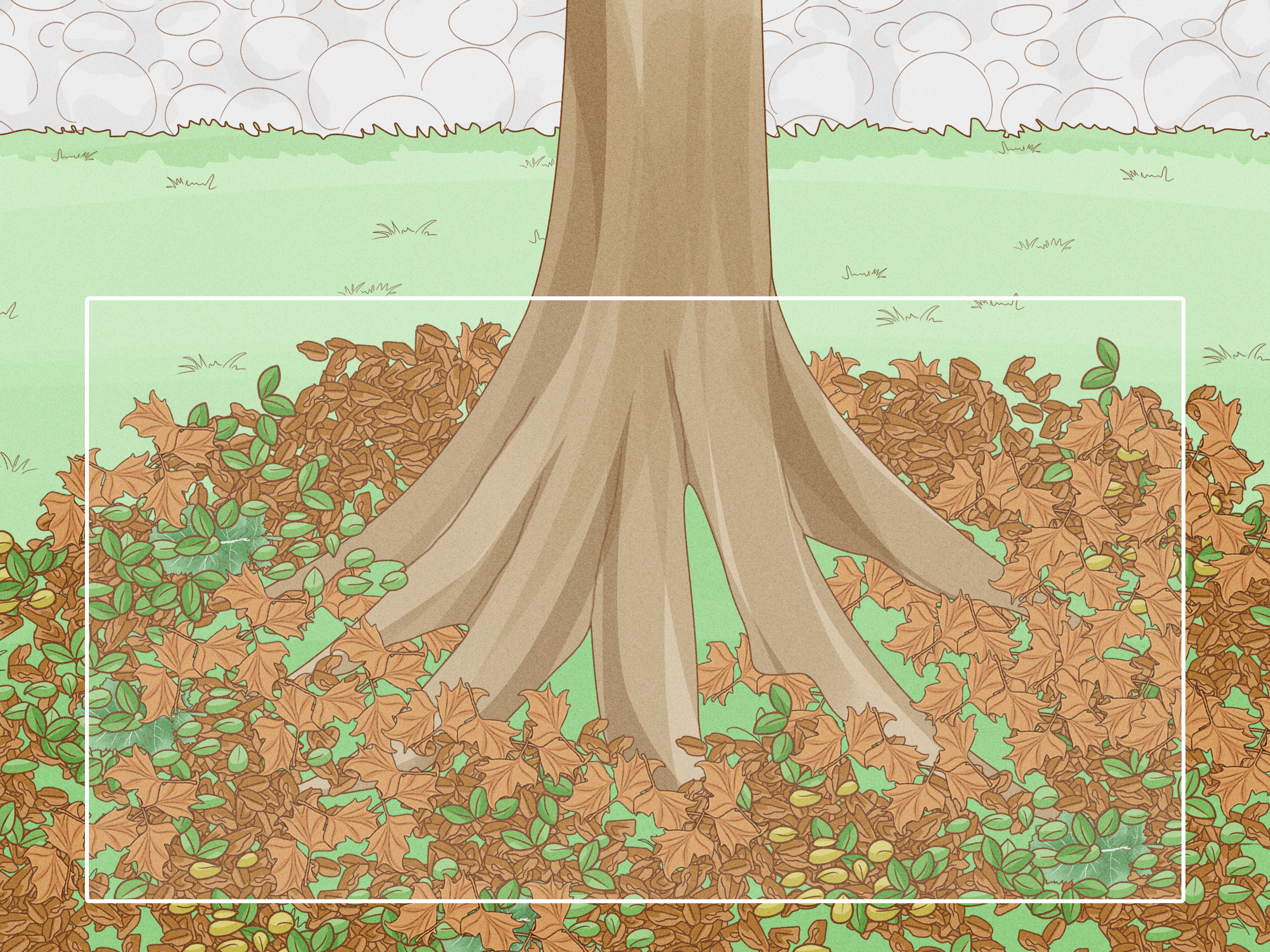
Raccoons can leave behind feces, urine, parasites, fleas, and damaged insulation. Raccoon feces may contain eggs of raccoon roundworm, a parasite that can cause serious illness if microscopic eggs are accidentally swallowed. Raccoons often use repeated bathroom sites called latrines, which may appear on decks, roofs, woodpiles, fallen logs, sandboxes, attics, or near large trees.
Do not sweep or vacuum dry raccoon feces. That can stir up dust and contamination. Wear disposable gloves, protective clothing, and appropriate respiratory protection when needed, especially in enclosed spaces. Lightly mist the area to reduce dust, remove contaminated material carefully, bag it securely, and wash hands and clothing thoroughly afterward. If children, pets, or vulnerable people use the area, consider hiring a professional cleanup service.
Also keep pets vaccinated against rabies and avoid letting dogs or cats interact with raccoons. If a person or pet is bitten or scratched, wash the wound with soap and water and contact a medical professional, veterinarian, or local health department promptly. Rabies prevention is time-sensitive, and guessing is not a strategy.
Common Signs You Have a Raccoon Problem
Raccoon problems are often easier to spot than people think. Look for overturned garbage cans, paw prints with long toes, missing fish from ponds, damaged bird feeders, torn vents, roof damage, droppings, muddy prints on siding, or loud nighttime noises in the attic. Raccoons are heavier than squirrels, so attic noises may sound like slow thumping, dragging, or heavy footsteps rather than light scampering.
In gardens, raccoons may pull back corn husks, disturb mulch, dig in lawns for grubs, raid fruit, or damage melons. Around homes, they may tear insulation, chew ductwork, damage soffits, or leave droppings in hidden areas. The sooner you respond, the easier the problem is to fix.
What Not to Do When Trying to Get Rid of Raccoons
Do not feed raccoons. Feeding wildlife teaches animals to associate people with food, which increases conflict. Do not corner a raccoon, grab it, poke it with a broom, or send a dog after it. A frightened raccoon can bite or scratch. Do not use poison, glue traps, illegal traps, smoke bombs, gasoline, fire, or homemade lethal devices. These methods can harm pets, children, non-target wildlife, and your home.
Do not assume that seeing a raccoon in the daytime automatically means it is rabid. Raccoons may be active during daylight if they are feeding young, disturbed from a den, or searching for food. However, stumbling, paralysis, excessive drooling, aggression, confusion, or unusually fearless behavior should be reported to local authorities.
500-Word Experience Section: Lessons From Real-Life Raccoon Problems
Most raccoon conflicts start small. A homeowner notices the trash lid is crooked one morning. The next week, garbage is scattered across the driveway. Soon after, the dog barks at midnight, the motion light clicks on, and there is a raccoon standing on the fence with the calm confidence of someone who has never paid property tax. This is usually the moment people realize raccoons are not random visitors. They are repeat customers.
One of the most common experiences with raccoon control is discovering that the animal is only part of the issue. The real problem is the environment. A loose garbage lid, cat food left on the porch, a bird feeder that spills seed, and an uncapped chimney can invite raccoons again and again. People may remove one raccoon and feel victorious, only to see another arrive two weeks later. That is because the vacancy sign is still glowing.
Another familiar scenario is the attic surprise. Homeowners hear scratching and assume it is a squirrel or mouse. Then the sound becomes heavier: slow steps, rolling noises, maybe soft chattering. Raccoons are strong animals, and when they nest in attics, they can crush insulation, soil surfaces, and damage vents. The experience is stressful because the noise usually happens when the house is quiet and everyone is trying to sleep. Nothing says “peaceful evening” like a masked mammal doing renovations above the bedroom.
People who handle the problem successfully usually follow a pattern. First, they stop the food supply. Trash gets locked down, pet food comes inside, and bird feeders are removed at night. Second, they identify entry points. A chimney cap, a roof vent, a soffit gap, or an opening under a deck often explains the mystery. Third, they avoid sealing animals inside. This step matters because trapping a raccoon indoors can turn a manageable problem into property damage, odor, and panic. Fourth, they call a professional when babies, chimneys, attics, or health risks are involved.
There is also an emotional lesson. Many people start angry and want the raccoon gone immediately. That is understandable. Raccoons can be destructive, noisy, and messy. But after learning how wildlife conflicts work, many homeowners realize that killing is not the clean solution they imagined. A dead raccoon does not repair a roof vent. It does not secure trash cans. It does not clean a latrine. It does not stop another raccoon from finding the same opening. Prevention is less dramatic, but it works better.
The best experience-based advice is simple: act early, stay calm, and think like a raccoon. Where is the food? Where is the water? Where is the shelter? Remove those three rewards, and your property becomes much less interesting. Raccoons are smart, but they are also practical. If your yard stops offering dinner and a den, they will usually spend their energy somewhere else.
Conclusion
Getting rid of raccoons does not require cruelty, chaos, or risky shortcuts. The most effective raccoon control plan is built on four steps: remove food, block shelter, use humane deterrents, and call licensed help for active infestations. This approach protects your home, keeps pets and children safer, reduces disease risk, and prevents the same problem from returning. Raccoons may be clever little bandits, but you do not have to run a 24-hour snack bar and Airbnb for them. Secure the buffet, close the doors, clean carefully, and let professionals handle the situations that require training.