Some tiles know their place. They line up politely behind the sink, sparkle when asked, and spend their lives pretending grout is a personality. Then there are Laura Carlin’s tiles: curious, creature-filled, slightly mischievous, and very much alive. A lion looks out as if he owns the backsplash. A gorilla appears to be mid-thought. A cheetah brings the kind of casual confidence usually reserved for runway models and house cats.
“Where the Wild Things Are: Tiles from Laura Carlin” is not simply a design story about decorative ceramic tiles. It is a small manifesto for homes that want more imagination, more hand-drawn charm, and fewer surfaces that look as though they were selected by a spreadsheet. Carlin, an award-winning illustrator and ceramicist, brings the language of storytelling into clay, transforming tile from background material into a cast of characters.
Her work sits beautifully at the intersection of illustration, artisan tile, contemporary craft, and playful interior design. It also arrives at exactly the right cultural moment. Homeowners and designers are increasingly drawn to handmade ceramic tile, imperfect surfaces, story-rich interiors, and pieces that feel personal rather than mass-produced. In other words, the wild things have escaped the bookcase and are headed straight for the kitchen wall.
Who Is Laura Carlin?
Laura Carlin is a London-based illustrator and ceramicist known for work that feels observant, humorous, emotional, and quietly theatrical. She has illustrated children’s books, contributed editorial artwork, collaborated with major cultural institutions, and developed a distinctive ceramic practice alongside her illustration career.
What makes Carlin especially interesting is that she does not treat ceramics as a side project or a decorative afterthought. Her ceramics extend the same visual language found in her drawings: loose lines, expressive figures, animals with suspiciously human moods, and scenes that seem to contain entire stories in a single glance. A Carlin tile does not shout for attention. It simply sits there with a bear on it, and suddenly the whole room has better conversation skills.
Her official ceramics portfolio includes private and commercial commissions, vessels, figurative works, tile pieces, animal forms, and narrative surfaces. Through Such Stories, her collaborative design studio with creative director Jo Briggs, Carlin also explores murals and commissioned surfaces across ceramics, paper, wood, fabric, metal, walls, floors, and doors. The mission is rooted in storytelling: crafting narratives that make people pause, notice, and rediscover familiar places.
The Original Charm of Laura Carlin’s Animal Tiles
Laura Carlin’s animal tiles became a design-world favorite because they manage to be whimsical without becoming sugary. The tiles feature wild beasts and domestic creatures rendered in her unmistakable hand: lions, bears, cheetahs, gorillas, cats, dogs, and other characters that seem less like illustrations and more like houseguests who arrived early and found the good chair.
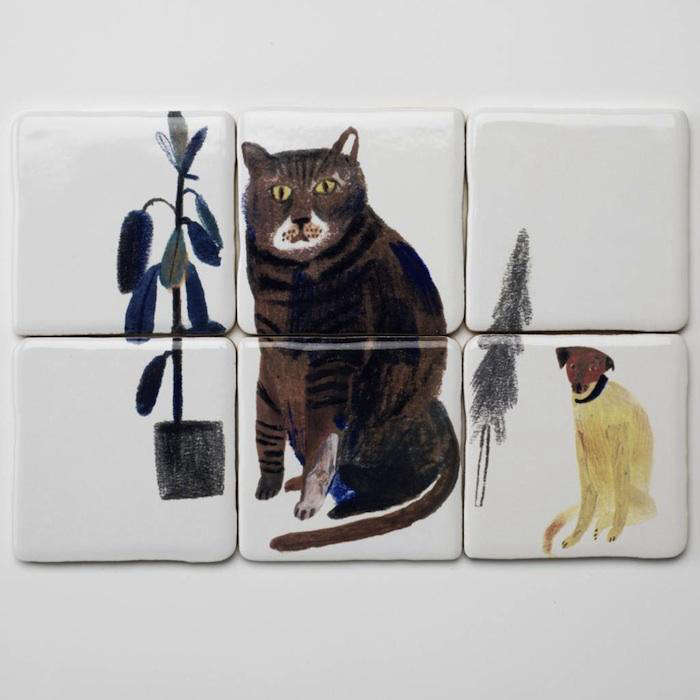
Remodelista’s original feature highlighted collections of decorative animal tiles available through The New Craftsmen, including cat and dog tiles, lion tiles, bear tiles, cheetah tiles, and gorilla tiles. Some were sold as small sets, while the truly committed could commission an entire mural. That distinction matters. A single tile can behave like framed art; a full mural becomes architecture with a sense of humor.
Carlin’s tile work is often described as hand-painted or hand-decorated in spirit, with illustrations applied to earthenware or glazed clay surfaces depending on the collection. The result has a warm, human quality. These are not sterile printed patterns endlessly repeated by a machine. They are narrative fragments: a paw, a face, a glance, a jungle, a city, a joke waiting patiently in ceramic form.
Why These Tiles Feel So Fresh
They Tell Stories Instead of Filling Space
The biggest reason Laura Carlin’s tiles stand out is that they behave like illustrations. Traditional tile design often focuses on pattern, color, texture, or geometry. Carlin adds narrative. Her tiles suggest a before and after. Why is that animal looking sideways? Is the lion proud, shy, or annoyed about the lighting? Has the dog just heard the word “walk”? The viewer becomes part of the story.
This storytelling quality is central to Carlin’s ceramic practice. Her larger works, including tile murals, show how clay can operate like a page, a wall, a stage, and a historical record all at once. In exhibitions, Carlin has explored the idea that illustration does not have to live only on paper. A vessel, plate, figurine, or tile can carry narrative just as powerfully as a book spread.
They Embrace Imperfection
Current tile trends are moving away from perfectly uniform surfaces and toward artisan aesthetics: brush marks, tonal variation, softened edges, handmade character, and visible craftsmanship. Laura Carlin’s tiles fit this movement naturally. Their charm comes from personality, not precision. They are polished enough to feel intentional, but loose enough to feel alive.
That balance is difficult to fake. Too much perfection and a tile becomes cold. Too much chaos and a room starts to feel like a craft fair after three espressos. Carlin’s work lands in the sweet spot: imaginative, elegant, odd, and deeply usable.
They Make Rooms Less Serious
Interior design can become painfully solemn. People whisper about veining. They debate warm white versus almost-warm white. Someone says “organic modern” and everyone nods as if a tiny Scandinavian judge is watching. Laura Carlin’s tiles interrupt that seriousness in the best possible way.
A row of animal tiles in a kitchen adds instant character. A bathroom mural turns a routine space into a small adventure. A framed set of lion tiles can bring warmth to a hallway, pantry, breakfast nook, or child’s room without making the space feel childish. These tiles have wit, but they are not gimmicks. They are playful in the way good art is playful: smart, surprising, and emotionally memorable.
How to Use Laura Carlin-Inspired Tiles at Home
1. Create a Kitchen Backsplash with a Twist
The kitchen is the natural habitat for illustrated ceramic tile. A backsplash already asks for durability, wipeability, and visual rhythm. Add Carlin’s animal tiles or similar story-driven handmade tiles, and suddenly the backsplash becomes a gallery wall that can survive tomato sauce.
For a subtle look, mix a few illustrated tiles into a field of plain white, cream, pale blue, or soft gray ceramic tile. Let the animals appear unexpectedly between quieter tiles, like little design Easter eggs. For a bolder approach, install a concentrated panel above the range or sink. This creates a focal point without requiring the entire kitchen to become a zoo, unless that is the goal, in which case: respect.
2. Frame Tiles as Wall Art
Not every decorative tile needs to be installed permanently. One of the easiest ways to enjoy Laura Carlin’s tile aesthetic is to frame a small set as art. This works especially well for renters, commitment-shy decorators, and people who still have emotional scars from choosing bathroom grout in 2016.
A set of four or six animal tiles can be mounted in a simple frame and hung in a kitchen, powder room, hallway, nursery, or studio. The frame gives the tiles a gallery feel while preserving flexibility. If you move, the lion comes with you. Frankly, he looks like he expects to.
3. Add a Tile Mural to a Bathroom
Bathrooms are excellent places for narrative tile murals because they are small enough to handle drama. A full wall of illustrated animals behind a bathtub, around a vanity, or inside a shower niche can make a bathroom feel like a private storybook retreat.
When planning a tile mural, scale is everything. A small powder room may need just a focused scene or scattered characters. A larger bathroom can handle a more expansive composition. The key is to let the illustrated tiles breathe. Pair them with simple fixtures, calm paint colors, and understated hardware so the artwork remains the star.
4. Use Animal Tiles in Children’s Rooms Without Making Them Babyish
One of the best things about Carlin’s animal imagery is that it appeals to children and adults at the same time. The drawings are imaginative, but not cartoonishly cute. That makes them ideal for children’s rooms, playrooms, reading corners, or family bathrooms where the design needs to grow up gracefully.
A few animal tiles above a low bookshelf can create a charming reading nook. A framed tile set over a dresser adds character without relying on predictable nursery themes. In a shared family bathroom, animal tiles can make the room cheerful for kids while still feeling sophisticated enough for adults who pay the mortgage and therefore deserve nice things.
The Design Language: Wild, Gentle, and Slightly Wry
Laura Carlin’s creatures are not slick mascots. They feel observed rather than invented. A bear may look solid and sleepy. A cheetah may appear alert but not aggressive. A gorilla might seem philosophical, possibly concerned about your open shelving. This emotional ambiguity gives the tiles depth.
The style is also wonderfully adaptable. Carlin’s illustrated tiles can sit comfortably in a modern farmhouse kitchen, a colorful cottage, a vintage-inspired bathroom, an eclectic apartment, or a minimalist room that needs one strange and perfect note. They work because they do not depend on trendiness. They depend on character.
The palette often feels warm, natural, and approachable, especially when paired with earthenware surfaces or soft glazes. Instead of high-gloss glamour, the appeal is tactile and human. You can imagine the hand behind the drawing. You can imagine the clay before it became a tile. That sense of process makes the finished surface feel intimate.
Why Artisan Tile Is Having a Moment
The renewed interest in artisan tile is not random. After years of sleek sameness, many homeowners want interiors with more evidence of human touch. Handmade ceramic tile offers variation, texture, durability, and emotional warmth. It can be practical and poetic at the same time, which is not something one can say about many building materials, or most fitted sheets.
Tile-industry trend reports have highlighted growing demand for craft-forward surfaces, hand-painted effects, irregular finishes, bold color, and story-driven design. These trends align perfectly with Carlin’s work. Her tiles do not merely decorate a room; they give it a point of view.
Ceramic tile also has practical advantages. It is durable, easy to clean, and suitable for kitchens, bathrooms, fireplaces, and other hard-working areas when properly specified and installed. This is part of the magic. A Laura Carlin-style tile mural can feel like art, but it still belongs to the useful world of splash zones, steam, crumbs, and real life.
Decorating Tips: Getting the Look Without Overdoing It
Keep the Surroundings Simple
Illustrated tiles need visual breathing room. If you pair animal tiles with busy wallpaper, patterned countertops, colorful cabinets, and three competing metals, the room may begin to feel like it is auditioning for a circus permit. Instead, let the tiles lead. Use plain field tile, quiet paint, natural wood, or simple stone around them.
Choose a Focus Area
Pick one location where the tiles can make an impact: above the stove, behind the sink, inside a shower niche, around a fireplace, or as framed art. A focused installation looks intentional. Random scattering can work, but only when the layout is carefully planned. The goal is “delightful discovery,” not “someone dropped a box of animals.”
Mix Whimsy with Quality Materials
The easiest way to make playful tile feel sophisticated is to pair it with serious materials. Think unlacquered brass, honed marble, handmade zellige, oak shelving, plaster walls, linen curtains, or classic white ceramic field tile. The contrast lets the illustrated tiles feel artistic rather than novelty-driven.
Think About Scale
A single tile can be charming. Six tiles can feel like a collection. A full mural becomes a world. Before choosing, consider the room’s size, sightlines, and daily use. A small kitchen may benefit from a compact panel, while a large dining area or bathroom wall can support a more ambitious mural.
Specific Examples for Styling Laura Carlin Tiles
Imagine a white kitchen with shaker cabinets, butcher-block counters, and a row of Carlin-style animal tiles above the sink. The room remains classic, but the tiles add a sly wink. Morning coffee suddenly comes with a gorilla. This is what designers call “layering,” and what everyone else calls “much better than beige.”
In a powder room, a small tile mural behind the vanity could turn a narrow wall into a tiny jungle. Pair it with a round mirror, warm brass sconces, and a deep green or smoky blue paint color. The result feels intimate, surprising, and expensive in that low-key way that makes guests say, “Where did you find this?” while pretending not to inspect your grout lines.
For a child’s reading corner, frame a set of animal tiles and hang them above a low bench with cushions. Add bookshelves, a soft rug, and a lamp. The tiles become companions to the books rather than mere decoration. That is the heart of Carlin’s appeal: her work belongs naturally beside stories.
Experience Notes: Living with Wild Tiles
There is a special feeling that comes from bringing illustrated tiles into a home. At first, you think you are choosing a surface. Then the surface starts behaving like a memory. You walk into the kitchen half-awake, reach for the coffee, and there is a lion regarding you with the calm authority of someone who has never forgotten to buy filters. The room feels less like a showroom and more like a place where life happens.
The experience of using Laura Carlin-inspired tiles is also different from choosing a standard backsplash. With ordinary tile, the main questions are color, size, finish, and whether the installer will look disappointed when you mention herringbone. With illustrated tile, the questions become more personal. Which animal feels right for this room? Should the scene be quiet or crowded? Do you want the tile to surprise visitors, comfort children, amuse you while washing dishes, or all of the above?
In a kitchen, these tiles can soften the machinery of daily routine. Cooking can be messy, repetitive, and occasionally dramatic, especially when pancakes decide to become abstract sculpture. A small row of animal tiles makes the space feel more forgiving. The artwork does not demand perfection. In fact, its charm often comes from looseness, gesture, and imperfection. That makes it a wonderful companion for real homes, where counters collect mail and someone is always opening the refrigerator as if new snacks have magically appeared.
In a bathroom, animal tiles can create a surprising sense of retreat. A shower wall with illustrated creatures feels less like a utility zone and more like a private landscape. The effect is especially powerful in small rooms, where a few tiles can carry a lot of atmosphere. A bear near the bathtub, a bird by the mirror, or a cheetah tucked into a niche can make the space feel curated without becoming precious.
There is also emotional value in choosing handmade or artist-designed tile. Mass-produced interiors often fade from memory because they are designed to offend nobody. Artist tiles do the opposite. They risk being specific. They reveal taste, humor, and curiosity. That specificity is what makes a room memorable. Guests may forget your faucet brand, but they will remember the gorilla in the backsplash.
The best experience comes from restraint. Let the wild things roam, but give them a good habitat. Plain tile, quiet colors, and natural materials make illustrated ceramics feel intentional. Too many competing patterns can flatten the magic. But when the balance is right, the tiles become part of the home’s personality. They are not just decoration; they are tiny ceramic stories that greet you every day.
And perhaps that is why Laura Carlin’s tiles continue to feel relevant. They remind us that interiors do not have to choose between beauty and play. A home can be elegant and funny. A bathroom can be practical and poetic. A kitchen wall can hold both sauce splatters and a small, watchful lion. In a design world that often takes itself far too seriously, that feels not only refreshing but necessary.
Conclusion: Let the Wild Things Stay
Laura Carlin’s tiles prove that ceramic surfaces can do more than cover walls. They can tell stories, introduce characters, create atmosphere, and make everyday spaces feel imaginative. Whether used as a full tile mural, a framed set, a backsplash accent, or a small decorative surprise, her work brings together illustration, craft, humor, and durable design.
For homeowners, designers, and tile lovers, the lesson is simple: do not be afraid of personality. A room does not become less sophisticated because a bear appears near the sink. If anything, it becomes more human. Laura Carlin’s wild things are not unruly intruders. They are charming reminders that the best homes leave room for art, curiosity, and a little ceramic mischief.