The pandemic may no longer dominate every dinner-table argument, every office Slack channel, or every school pickup line, but coronavirus has not packed a little suitcase and politely left the country. COVID-19 is still very much part of American life. It just behaves more like an uninvited relative now: quieter than before, still disruptive, and absolutely capable of ruining your week if you ignore it.
That matters when people head back into classrooms, offices, break rooms, buses, cafeterias, and conference rooms, which are all wonderful places to share ideas and less-wonderful places to share respiratory viruses. Returning to work and school today is not about panic. It is about being smart, practical, and a little less casual than the phrase “It’s probably nothing” would suggest.
If you want the short version, here it is: stay home when you are actually sick, use testing more intelligently, and think in layers when it comes to prevention. Those three habits are still the backbone of COVID safety. And yes, they are less dramatic than a hazmat suit. That is good news for all of us.
Fact #1: COVID Is No Longer a Constant Emergency, but It Is Still a Real Disruptor
One of the biggest mistakes Americans make before returning to work or school is assuming that fewer headlines mean less risk. That is not how viruses work. COVID may not command daily breaking-news banners the way it did in 2020, but it still causes illness, missed school days, missed shifts, family spread, and serious outcomes for people who are older, pregnant, immunocompromised, or managing chronic conditions.
In other words, the public mood changed faster than the virus did.
That is why the first coronavirus fact Americans must know is simple: COVID still deserves basic respect. Not fear. Not obsession. Respect. The kind of respect that says, “Maybe I should not bring my mystery cough to algebra class or the quarterly budget meeting.” Revolutionary stuff, really.
What “returning safely” actually means now
Current U.S. guidance has shifted away from rigid one-size-fits-all isolation rules and toward symptom-based decisions. That sounds freeing, but it also means people need common sense. If you have fever, chills, fatigue, cough, runny nose, sore throat, or other respiratory symptoms, the smartest move is to stay home until you are improving and fever-free for at least 24 hours without fever-reducing medicine.
This is especially important in schools and workplaces because these environments are built around shared air, shared surfaces, and shared routines. A classroom full of sniffly students becomes a tiny respiratory exchange program. An office with one heroic “I’m fine” employee can turn into a week of calendar cancellations and passive-aggressive email replies written through congestion.
There is another reason this still matters: many schools and employers follow CDC-style guidance, but local districts, state rules, and workplace policies may be stricter. So the smartest plan is not just to ask, “Can I go back?” It is also to ask, “Should I go back today, and what does my school or employer require?”
Who should be extra careful
Some Americans have more room for error than others. A healthy teenager with mild symptoms may recover quickly. A teacher over 65, a school bus driver with diabetes, a pregnant office manager, or a child with an underlying lung condition may face a much higher risk if infection spreads.
That is why “It’s just like a cold for me” is not always a responsible standard. Workplaces and schools are not made up only of you. They include the coworker caring for an elderly parent, the child with asthma, the immunocompromised classmate, and the colleague who cannot afford another week of sickness.
So yes, the first fact is not glamorous. It is not a gadget, a supplement, or a social-media hack. It is this: if you are sick, staying home is still one of the best coronavirus prevention strategies Americans have.
Fact #2: A Negative Rapid Test Is Helpful, but It Is Not a Magic Wand
The second coronavirus fact Americans must know before returning to work and school is that testing is still useful, but only if you use it correctly. Too many people treat one fast negative test like a hall pass from science. They swab once, glance at a single line, and declare themselves medically invincible by lunchtime.
Unfortunately, COVID does not always cooperate with that plan.
Why one test may not tell the whole story
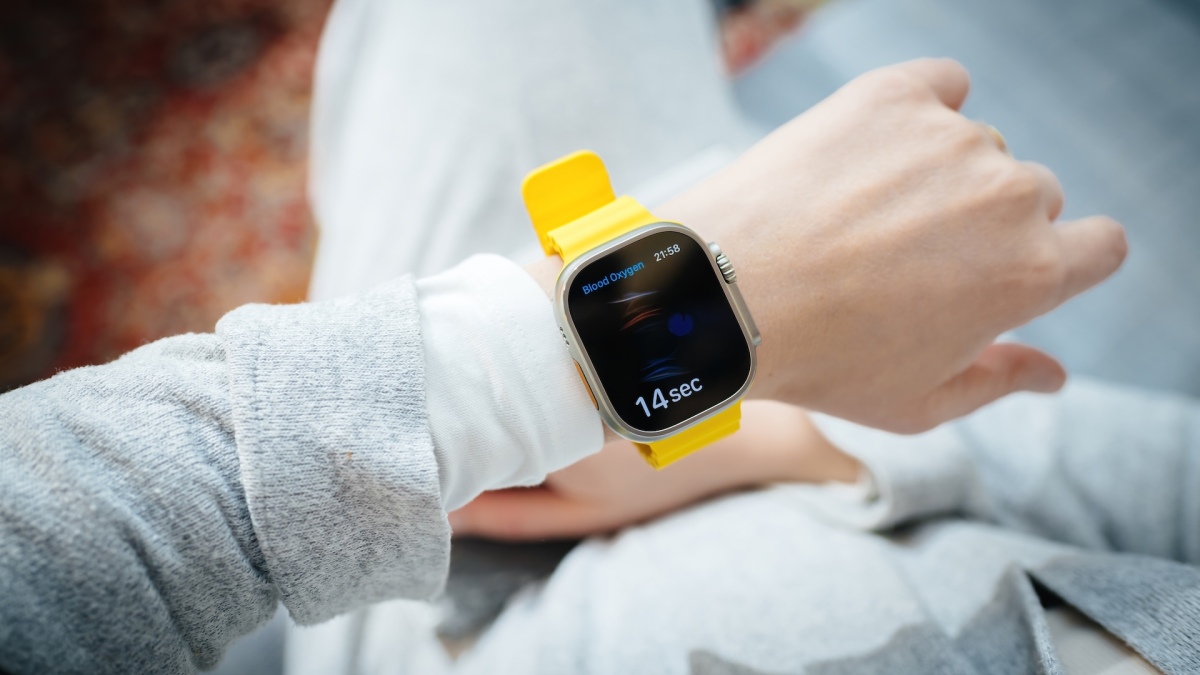
At-home antigen tests are convenient, fast, and still widely used. They are great tools, especially when symptoms start or when you want to reduce risk before being around others. But they can miss infection early, especially if viral levels are still building or the swab was poorly done. That is why repeat testing matters after a negative result.
If you feel sick and test negative once, do not automatically assume you are in the clear. Retesting about 48 hours later is often the smarter move. Think of it as a sequel nobody asked for but one that occasionally delivers useful plot development.
There is also the expiration-date issue. Many Americans still have a dusty stash of COVID tests in a bathroom drawer next to old sunscreen, mystery cold medicine, and a hair tie from 2019. Some tests have extended expiration dates, but you have to check. Using an expired test without verifying whether its shelf life was extended is like consulting an outdated GPS and then being shocked when you end up at a cornfield.
Testing is not just about attendance. It is about timing.
Testing matters for another reason: treatment. If you are at higher risk for severe illness, a positive COVID diagnosis can help you move quickly toward antiviral treatment. That is a big deal because antiviral medications work best when started early after symptoms begin. Waiting too long because you thought it was “just allergies” can close the treatment window before you even call your doctor.
This is especially relevant for older adults, people with chronic medical conditions, pregnant people, and anyone with a weakened immune system. For these groups, a COVID test is not just informational. It can shape the next medical step.
How Americans should use testing before returning
Here is the practical approach. If you have symptoms, test. If the first antigen test is negative and symptoms continue, test again. If you are high risk and symptomatic, contact a healthcare provider early, especially if you may qualify for treatment. And if your school or employer has its own testing rules, follow those too, because public health guidance and institutional policy are not always identical twins.
Put simply: testing still works best when paired with good timing, repeat testing when needed, and a little humility. The swab cannot do all the thinking for you.
Fact #3: The Best Protection Is Layered, Not All-or-Nothing
Americans love a simple answer. One trick. One product. One miracle move. But coronavirus prevention has always worked better as a stack of small decisions than as a single silver bullet.
That brings us to the third fact: before returning to work and school, the best COVID strategy is layered protection. Vaccination, cleaner indoor air, masks in higher-risk situations, hand hygiene, and staying home when sick all work better together than alone.
Vaccines still matter, even if people are tired of hearing about them
Yes, people are fatigued. Pandemic fatigue is real, and so is “Please do not make me hear the word booster before coffee.” But updated COVID vaccines still play an important role in reducing the risk of severe illness, hospitalization, and death. They are particularly important for older adults, high-risk individuals, pregnant people, and others more vulnerable to complications.
Vaccination is not a force field. It does not guarantee you will never get infected. What it does is tilt the odds in your favor, especially when it comes to serious outcomes. That is a pretty good bargain for something that takes less time than most people spend choosing a streaming show.
Cleaner air is not a luxury. It is a practical prevention tool.
One lesson the country has slowly absorbed is that respiratory viruses spread through the air. That means indoor air quality matters more than many people used to think. Opening windows when safe, improving ventilation, using filtration, and moving activities outdoors when possible can all help reduce the spread of illness.
This matters enormously in schools, where many people share the same indoor space for hours. It also matters in workplaces with meeting rooms, open office layouts, break rooms, and front-desk interactions. Cleaner air is one of the least flashy and most useful things institutions can improve. Nobody throws a parade for a better HVAC setup, but honestly, maybe they should.
Masks still have a role, even if they are no longer universal
Masking is no longer the broad, everyday default it once was, but it remains a helpful option in certain situations. If you are recovering and returning after illness, if community spread is high, if you work around vulnerable people, or if you are personally high risk, wearing a well-fitting mask can still be a smart courtesy and a practical protection tool.
That is especially true in the first several days after returning, when you may be feeling better but still want to reduce the chance of spreading germs. Think of it as the respiratory version of using your turn signal: not everyone does it, but it still makes the road better for the rest of us.
Do not forget long COVID
There is one more reason layered prevention still matters: long COVID. Anyone who has had COVID can experience lingering symptoms or longer-term health problems, including fatigue, shortness of breath, cognitive issues, sleep problems, and more. Adults can deal with it. Children can deal with it. Healthy people can deal with it. It does not ask whether this is a convenient week on your calendar.
That reality changes the conversation. Returning to work and school is not just about avoiding one bad week. It is also about reducing the chance of longer disruptions that affect learning, concentration, attendance, and day-to-day quality of life.
So the modern COVID mindset is not “do everything” or “do nothing.” It is “do the things that make sense for your risk, your environment, and the people around you.” That is less dramatic, more sustainable, and frankly far more useful.
What Smart Return-to-Work and Return-to-School Planning Looks Like
If you want a practical checklist, here it is.
Before you go back
- Stay home if you have active respiratory symptoms and are not clearly improving.
- Make sure you have been fever-free for at least 24 hours without medication before returning.
- Use an at-home COVID test if you have symptoms, and repeat it if the first negative result does not match how you feel.
- Check whether your test is still valid and not past its usable date.
- Know your school or employer’s policy, since local rules may differ.
- If you are high risk, have a treatment plan in mind before you need one.
When you return
- Consider masking for a few days if you are just coming back from illness.
- Prioritize fresh air and ventilation whenever possible.
- Wash hands, cover coughs, and skip the “I’m back, let me hug every coworker” reunion tour.
- Pay attention to worsening symptoms, because “better” should actually mean better.
None of this is extreme. It is basic respiratory etiquette with a modern update. And in a country that loves productivity, it is worth remembering that the fastest way to lose a week of productivity is to send contagious people back too early.
Experiences From Real-Life Return Routines: Three Composite Stories
The stories below are composite, realistic examples based on common American experiences around returning to work and school during COVID seasons.
Melissa, a middle-school teacher in Ohio, woke up on a Monday with a sore throat and the kind of fatigue that makes brushing your hair feel like cardio. Her first thought was classic teacher math: sub plans are annoying, students are behind, and maybe tea would solve everything. She took a rapid test, got a negative result, and almost went in anyway. Instead, she stayed home, retested two days later, and got a positive result. That choice likely spared a full classroom, her teaching team, and her older father, who picks up her kids after school. Melissa’s takeaway was not that rapid tests are useless. It was that timing matters, and one negative result on day one does not deserve blind loyalty.
Andre, an accountant in Georgia, had a different experience. He developed mild symptoms on a Thursday afternoon, tested positive that night, and immediately called his doctor because he has high blood pressure and is over 60. Since he acted quickly, he was able to talk through treatment options while still early in the illness. He missed several workdays, but he avoided the spiral that can happen when people wait too long, hoping they will “tough it out.” Andre later said the best part of having a plan was peace of mind. He did not have to guess in real time. He knew what symptoms to watch, who to call, and how to return once he was truly improving.
The Ramirez family in Arizona learned that school return rules can feel straightforward on paper and complicated in real life. Their 10-year-old son had a fever one day, then seemed dramatically better the next. His energy returned. His appetite returned. His ability to request expensive snacks also returned, which usually means health is improving. But his parents still kept him home until he had been fever-free for a full day without medicine. When he went back, they packed tissues, reminded him to wash his hands, and asked the school nurse what current guidance looked like. The result was not perfect control. No family gets that. But it was a calmer, smarter return than sending him back based only on morning vibes and optimism.
These experiences share a pattern. Nobody needed panic. Nobody needed a ten-step decontamination tunnel in the garage. They needed timing, honesty, and a willingness to slow down for a day or two so things would not get worse for a week or two. That is what COVID common sense looks like in 2026. It is less about dramatic gestures and more about boring, effective decisions. And boring, effective decisions are wildly underrated.
Conclusion
Before returning to work and school, Americans do not need a fresh round of chaos. They need clarity. COVID is still around, even if public attention has drifted. Testing still helps, especially when it is used correctly and repeated when needed. And prevention still works best in layers: vaccines, ventilation, staying home when sick, and masking when the situation calls for it.
The real lesson is this: smart COVID habits are no longer emergency habits. They are everyday public-health habits. They help protect not only the people who are most vulnerable, but also the people who simply want to make it through a semester, a pay period, or a family weeknight without the whole house getting flattened by a preventable infection.
So before you head back to your desk, your classroom, your bus stop, or your morning meeting, remember these three coronavirus facts: respect symptoms, use tests wisely, and think in layers. That approach may not be flashy, but it is a lot more effective than pretending the virus reads your calendar.