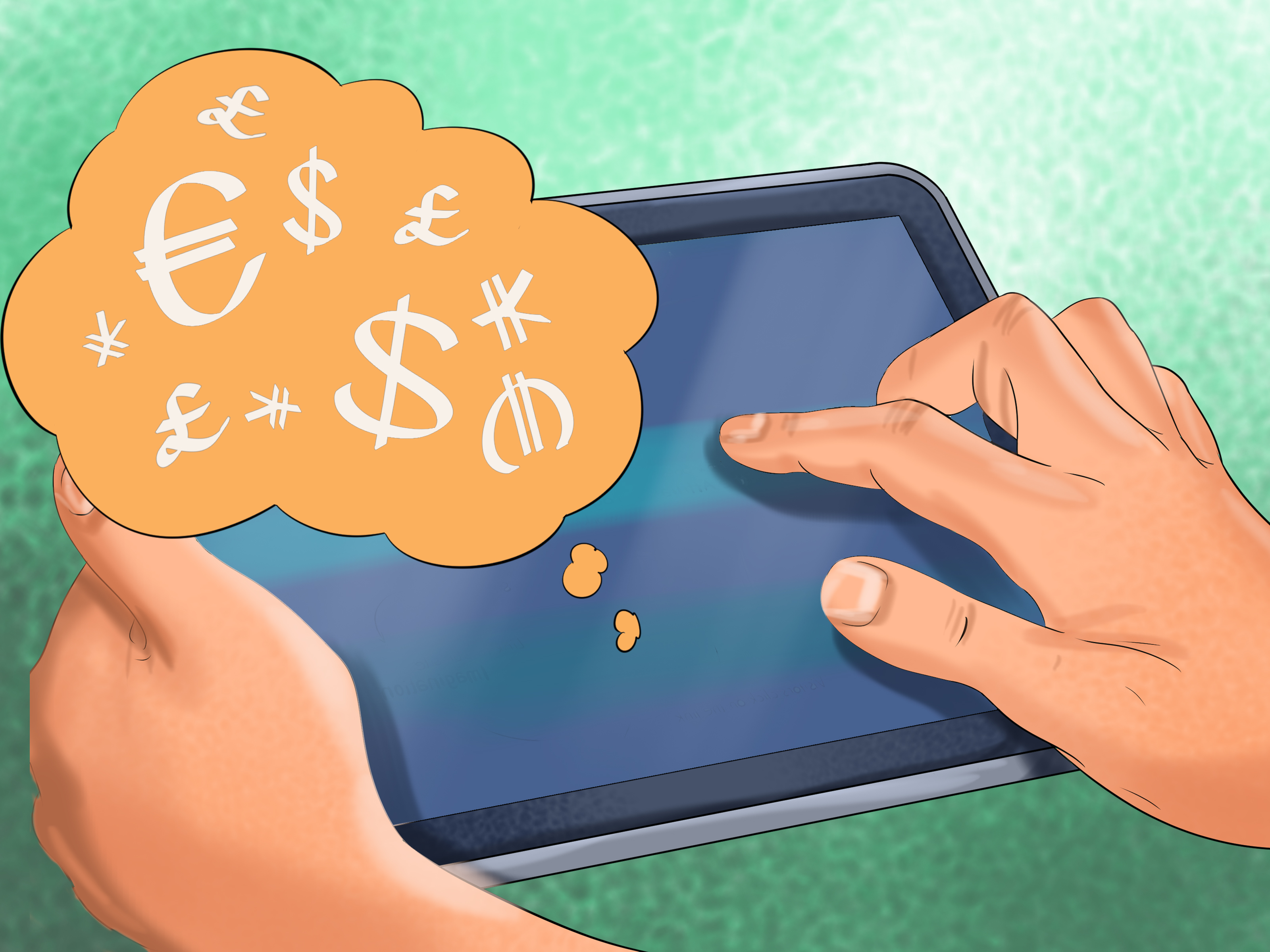
Buying and selling currency sounds mysterious until you realize you have probably already done it. If you have exchanged dollars for euros before a vacation, paid for a hotel abroad with a credit card, sent money overseas, or watched the EUR/USD rate wiggle like a caffeinated snake, you have met the foreign exchange world. Currency is not just money in your wallet; it is also a price, a market, a tool for travel, and, for some people, a speculative trading instrument.
This guide explains how to buy and sell currency in practical, plain American English. We will cover two common situations: exchanging physical or digital currency for travel and payments, and trading currencies through the forex market. Those are related, but they are not the same thing. Exchanging $500 for Japanese yen at a bank is a consumer transaction. Opening a leveraged position on USD/JPY through a forex broker is trading, and it carries much higher risk. Same family reunion, very different cousins.
Before you begin, remember one golden rule: currency prices move because economies move. Interest rates, inflation, trade, central bank policy, wars, elections, commodity prices, and plain old market emotion can all push exchange rates up or down. Nobody knows the future with certainty, including the person on social media standing beside a rented sports car promising “guaranteed forex profits.” Especially that person.
Step 1: Understand What Currency Buying and Selling Means
Currency is always exchanged in pairs. You buy one currency and sell another at the same time. If you exchange U.S. dollars for euros, you are selling dollars and buying euros. If you later exchange those euros back into dollars, you are selling euros and buying dollars.
In forex trading, currency pairs are written like EUR/USD, GBP/USD, USD/JPY, or USD/CAD. The first currency is the base currency, and the second is the quote currency. If EUR/USD is quoted at 1.0800, it means one euro costs 1.08 U.S. dollars. If the rate rises to 1.0900, the euro strengthened against the dollar. If it falls to 1.0700, the euro weakened against the dollar.
For travelers, the concept is similar. If one U.S. dollar buys 150 Japanese yen, then $1,000 would theoretically buy 150,000 yen before fees and exchange-rate markups. In real life, the bank, exchange kiosk, ATM, or card network will use its own rate and may add fees. That is why the exchange counter with the giant “NO COMMISSION” sign can still be expensive. The fee may be hiding inside the rate, wearing sunglasses and pretending not to be there.
Step 2: Decide Why You Need Currency
Your purpose determines your safest and smartest method. Are you buying currency for travel? Paying an overseas supplier? Sending money to family? Diversifying cash holdings? Trading forex for profit? Each goal calls for a different approach.
If you are traveling, your priorities are convenience, safety, and low fees. A mix of a no-foreign-transaction-fee card, a debit card with reasonable ATM costs, and a small amount of local cash usually works better than carrying a brick of bills through the airport like a nervous movie character.
If you are a business owner paying foreign invoices, your priorities are reliable settlement, clear records, and possibly hedging exchange-rate risk. If you are trading, your priorities should be education, regulation, risk controls, and position sizing. The word “profit” can wait in the hallway until “survival” has entered the room.
Step 3: Learn the Basic Exchange Rate Math
Exchange-rate math is easier than it looks. Suppose the EUR/USD rate is 1.1000. To buy 1,000 euros, you need about $1,100 before fees. If you have $1,100 and want euros, divide your dollars by the exchange rate: $1,100 ÷ 1.1000 = €1,000.
Now suppose USD/JPY is 150.00. That means one U.S. dollar equals 150 yen. If you exchange $500, the basic calculation is $500 × 150 = ¥75,000 before fees. If an exchange provider gives you only ¥72,000, the difference may come from a weaker retail rate, service fees, or both.
When comparing providers, do not only ask, “What is the fee?” Ask, “How much foreign currency will I receive after all costs?” That final number is what matters. A provider charging a $5 fee but offering a strong rate may beat a “fee-free” provider with a poor rate. In currency exchange, the headline fee is the appetizer; the exchange spread is often the main course.
Step 4: Compare Banks, Credit Unions, ATMs, and Online Services
For physical currency, banks and credit unions are often better than airport kiosks and hotel desks. Many banks let customers order foreign currency before a trip, and some offer more competitive rates than walk-up exchange counters. Online currency services and money-transfer companies can also be useful, especially when sending funds internationally.
ATMs abroad can be convenient, but check your bank’s foreign ATM fee, out-of-network fee, and foreign transaction fee. Use ATMs located at reputable banks when possible, not suspicious machines in dim corners that look like they also sell pirate treasure maps. Before accepting a withdrawal, read the screen carefully. If the ATM offers to convert the transaction into U.S. dollars, decline that conversion and choose the local currency. This is usually called dynamic currency conversion, and it often produces a worse rate.
Credit cards can be excellent for purchases abroad when they have no foreign transaction fee. Still, always choose to pay in the local currency when a merchant offers a choice. Your card network or bank will generally handle the conversion more competitively than a merchant’s point-of-sale conversion offer.
Step 5: Choose a Regulated Forex Broker If You Plan to Trade
If your goal is forex trading, do not treat broker selection like choosing a pizza topping. It matters. U.S. retail forex trading is regulated, and firms that offer certain off-exchange forex transactions to retail customers must meet specific registration and compliance requirements. Look for firms properly registered with the appropriate U.S. regulators, and verify them before depositing money.
A good broker should clearly disclose spreads, commissions, margin requirements, trading platforms, withdrawal rules, customer support options, and risk warnings. Be cautious with offshore brokers that aggressively advertise extreme leverage, bonuses, “account managers,” or guaranteed returns. In trading, “guaranteed return” is often Wall Street poetry for “run.”
Also check how your funds are handled, whether the broker is the counterparty to your trade, what happens during volatile market conditions, and whether the platform allows stop-loss and limit orders. The goal is not to find the flashiest platform. The goal is to find a reliable, transparent, regulated place where your risk is not made worse by bad infrastructure.
Step 6: Learn Key Forex Terms Before Placing a Trade
Forex has its own language. You do not need to sound like a hedge fund manager at breakfast, but you should understand the basics.
Bid and Ask
The bid is the price at which you can sell. The ask is the price at which you can buy. The difference between them is the spread. If EUR/USD has a bid of 1.0800 and an ask of 1.0802, the spread is 2 pips.
Pip
A pip is a small standardized price movement. For most major currency pairs, one pip is the fourth decimal place, such as a move from 1.0800 to 1.0801. For yen pairs, one pip is usually the second decimal place, such as 150.01 to 150.02.
Lot Size
A lot refers to trade size. Standard lots, mini lots, and micro lots represent different quantities of currency. Beginners should understand lot size before trading because position size directly affects profit and loss.
Leverage and Margin
Leverage allows you to control a larger position with a smaller amount of money. Margin is the amount required to open and maintain that position. Leverage can magnify gains, but it also magnifies losses. It is a power tool, not a toy. Use it carelessly and your account may learn gravity very quickly.
Step 7: Create a Currency Buying or Trading Plan
A plan prevents emotional decisions. For travel, your plan may include how much cash to carry, which card to use, where to withdraw money, and how to avoid poor exchange rates. For example, you might carry $100 worth of local currency for taxis and snacks, use a no-fee credit card for hotels and restaurants, and withdraw cash from bank ATMs as needed.
For trading, your plan should be stricter. Define which currency pairs you will trade, what market conditions you understand, how much you are willing to risk per trade, where you will enter, where you will exit if wrong, and where you will take profit if right. Do not open a trade simply because a chart “looks ready.” Charts can look ready the way a cat looks sorry after knocking over a glass. It may be an illusion.
A simple trading plan might say: “I will trade only EUR/USD and USD/JPY. I will risk no more than 1% of my account on any trade. I will use a stop-loss order. I will not trade during major news releases until I understand volatility.” That plan may not sound glamorous, but boring rules often save real money.
Step 8: Start Small and Use a Demo Account First
If you are new to forex trading, practice with a demo account before using real money. A demo account lets you learn order types, spreads, charts, platform buttons, and trade management without turning your savings into tuition.
However, demo trading has one weakness: it does not fully simulate emotion. Losing fake money feels like losing Monopoly cash. Losing real money feels like stepping on a financial Lego. So once you move from demo to live trading, start very small. Your first goal should not be to double your account. Your first goal should be to place trades correctly, manage risk, and stay calm.
For travel currency, starting small also helps. Exchange a modest amount before departure, then use cards and ATMs after you understand local costs. Unless you are going somewhere cash-heavy, converting your entire budget into paper currency before leaving home can create safety and convenience problems.
Step 9: Place Buy and Sell Orders Carefully
When buying or selling currency, the order type matters. A market order buys or sells immediately at the best available price. It is fast, but the final execution price may vary during volatile conditions. A limit order sets the price you want. It may not fill, but it gives you control. A stop-loss order helps limit losses if the market moves against you.
Suppose you believe the euro will rise against the U.S. dollar. You might buy EUR/USD at 1.0800. If the pair rises to 1.0850, that is a 50-pip move in your favor. If it falls to 1.0750, that is a 50-pip move against you. Your actual profit or loss depends on trade size, spread, commissions, and financing costs.
For physical exchange, the “order” is simpler but still deserves attention. Confirm the exchange rate, fee, final amount received, and refund policy before handing over money. Count cash before leaving the counter. Keep receipts for records, especially if the exchange is related to business travel or taxes.
Step 10: Track Costs, Taxes, and Records
Currency transactions can create costs beyond the obvious. Travelers may face foreign transaction fees, ATM fees, exchange-rate markups, and dynamic currency conversion charges. Traders may face spreads, commissions, overnight financing, platform fees, and tax reporting obligations.
U.S. taxpayers generally report income and expenses in U.S. dollars. If you receive income, pay expenses, or realize gains in a foreign currency, keep careful records of dates, amounts, rates used, and transaction purposes. Forex trading tax treatment can be complicated, so active traders should speak with a qualified tax professional. A spreadsheet may not be exciting, but neither is reconstructing six months of trades while your tax deadline breathes heavily over your shoulder.
For personal travel, keep receipts for large exchanges and card statements for review. For business, document the exchange rate used for invoices, reimbursements, and accounting. Good records help you understand your real cost and avoid unpleasant surprises.
Step 11: Manage Risk and Avoid Currency Scams
Currency markets can move fast. A political announcement, central bank decision, inflation report, or surprise crisis can change prices in seconds. If you trade with leverage, small price moves can create large account swings. Use stop-loss orders, control position size, and never risk money you need for rent, food, tuition, taxes, or emergency savings.
Be especially cautious of anyone promising high returns with low risk. Forex scams often use polished websites, fake testimonials, social media influencers, pressure tactics, and “limited-time” investment opportunities. Some ask you to deposit money into a trading platform that looks real but is controlled by the scammer. Others show fake profits, then demand more deposits before allowing withdrawals.
Red flags include guaranteed profits, secret algorithms, unregistered firms, pressure to act quickly, requests for crypto deposits, refusal to explain risks, and difficulty withdrawing funds. A legitimate opportunity can survive your research. A scammer hates research the way vampires hate sunrise.
Common Mistakes Beginners Should Avoid
The first mistake is confusing currency exchange with forex trading. Exchanging dollars for euros before a vacation is not the same as speculating on EUR/USD with leverage. The second mistake is ignoring the spread. Whether you are using a broker or a travel exchange counter, the spread is part of your cost.
The third mistake is using too much leverage. Many beginners focus on how much they can make, not how quickly they can lose. The fourth mistake is trading without a stop-loss or changing the stop-loss because “surely it will come back.” Sometimes it does. Sometimes it keeps going and sends your account a postcard from the basement.
The fifth mistake is failing to compare providers. For travelers, airport kiosks and hotel desks are often convenient but costly. For traders, an unregulated or poorly reviewed broker can create problems that no trading strategy can fix. The sixth mistake is chasing news after the move already happened. By the time everyone is screaming about a currency online, the easy part may be over.
Practical Example: Buying Currency for a Trip
Imagine you are traveling from the United States to Italy. You estimate that you need €300 in cash for taxis, tips, small cafés, and emergencies. Your bank offers EUR/USD at 1.1050 with a $10 fee. The airport kiosk offers a “no commission” rate of 1.1700. At the bank, €300 costs $331.50 plus $10, or $341.50 total. At the airport kiosk, €300 costs $351. The airport sign said “no commission,” but the poorer exchange rate cost more.
Now suppose you use a credit card with no foreign transaction fee for most purchases and always choose euros when the terminal asks whether to charge in euros or dollars. You reduce conversion costs and avoid carrying too much cash. That is not flashy, but it is smart. Travel money should help you enjoy the trip, not become the trip’s most annoying souvenir.
Practical Example: Selling a Currency Pair in Forex
Suppose you believe the British pound will weaken against the U.S. dollar because U.K. economic data looks soft while U.S. rates remain relatively attractive. You decide to sell GBP/USD at 1.2700. If GBP/USD falls to 1.2600, the pound weakened and your short trade gained 100 pips before costs. If GBP/USD rises to 1.2800, your trade lost 100 pips.
The important part is not the prediction. The important part is the risk plan. Before entering, you decide how much you are willing to lose, where your stop-loss goes, and whether the potential reward is worth the risk. Good traders can be wrong often and still survive because they control losses. Bad traders can be right several times, then lose everything on one oversized trade.
Experience-Based Tips for Buying and Selling Currency
Real-world currency decisions often come down to preparation. The best time to think about exchange rates is not when you are tired, hungry, and standing in an airport arrivals hall while your suitcase performs its traditional disappearing act. Before traveling, check your bank’s currency options, card fees, ATM network, and daily withdrawal limits. Tell your bank about travel plans if required. Carry at least two payment methods because cards can be declined, ATMs can be offline, and life enjoys testing people who packed only one solution.
One practical habit is to calculate a “mental exchange shortcut.” If USD/JPY is around 150, then ¥1,500 is about $10. If EUR/USD is around 1.10, then €100 is about $110. The shortcut will not be perfect, but it helps you avoid paying $42 for a sandwich because the zeros got intimidating. For countries with large-number currencies, this habit is especially useful. Your brain deserves a calculator-shaped life jacket.
Another experience-based lesson: convenience has a price, and sometimes it is worth paying. If you arrive late at night and need a small amount of local cash for a taxi, using an airport ATM may be reasonable. The mistake is not paying a few dollars for convenience; the mistake is exchanging your entire travel budget at the worst rate because you did not plan ahead. Think in layers: a little cash before arrival, card payments when possible, bank ATMs for refills, and emergency dollars tucked safely away.
For forex traders, the biggest experience lesson is that the market does not care about your opinion. You may have a smart thesis, a beautiful chart setup, and three economic indicators nodding in agreement. The market can still move the other way. That is not personal. That is trading. Successful traders focus less on being impressive and more on being consistent. They journal trades, review mistakes, reduce size after losses, and avoid revenge trading. Revenge trading is when your ego grabs the mouse. Do not let your ego operate heavy machinery.
Keep a simple journal for every currency transaction or trade. For travel, record where you exchanged money, the rate, the fee, and whether you would use that provider again. After one or two trips, you will know which methods actually saved money. For trading, record the pair, entry, exit, position size, reason for trade, emotional state, and result. Patterns will appear. Maybe you trade well during calm sessions but poorly during major news. Maybe you overtrade after a win. Maybe you ignore your plan on Fridays because your brain has already left for the weekend. The journal will tell the truth with fewer excuses than memory.
Finally, respect currency as both a tool and a risk. Used wisely, it helps you travel, do business, invest internationally, and understand the global economy. Used carelessly, it can drain money through hidden fees, bad timing, scams, or leveraged losses. You do not need to fear currency markets, but you should not stroll into them wearing a blindfold and flip-flops. Learn the basics, compare your options, verify providers, control risk, and make decisions slowly enough that your future self can thank you.
Conclusion
Buying and selling currency is a practical skill for travelers, business owners, international shoppers, and traders. The basic idea is simple: one currency is exchanged for another at a quoted rate. The details are where people either save money or lose it. Compare providers, understand spreads and fees, choose local currency when paying abroad, use reputable institutions, and keep records.
If you trade forex, treat it as a high-risk financial activity, not a shortcut to wealth. Learn the terminology, practice first, start small, use stop-loss orders, verify broker registration, and never believe promises of guaranteed profit. Currency markets reward preparation and punish overconfidence. In other words, bring a plan, not just vibes.