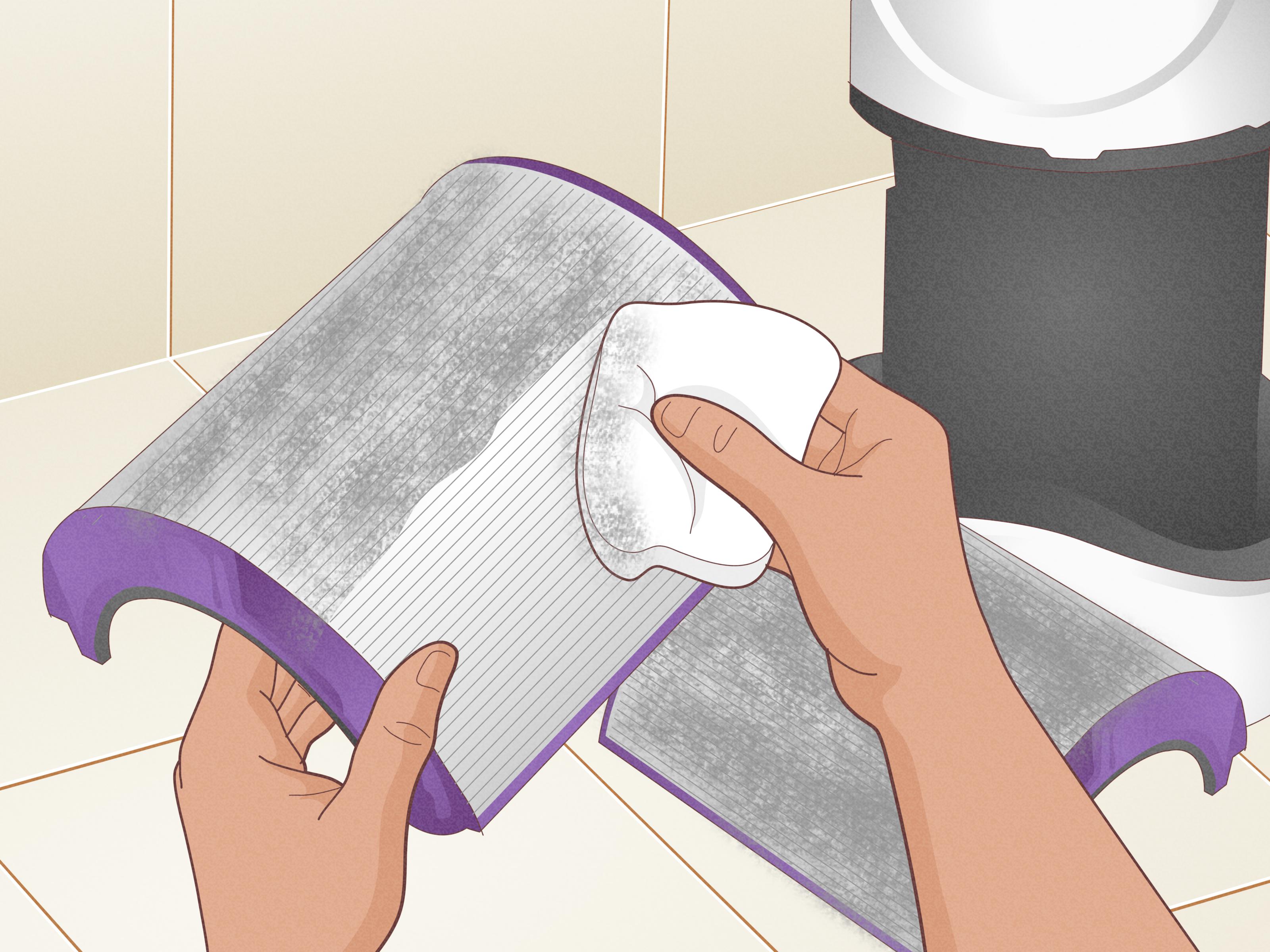
A Dyson vacuum is supposed to make your home smell cleaner, not announce itself like a damp gym sock with wheels. If your Dyson filter smells musty, sour, dusty, doggy, or suspiciously like something died in the carpet and wrote a memoir, don’t panic. In many cases, the odor comes from trapped dust, pet dander, moisture, food crumbs, bacteria-friendly grime, or a filter that was reinstalled before it was completely dry.
The good news: removing the smell from a Dyson filter is usually simple. The less-good news: the fix is not pouring perfume, vinegar, bleach, soap, essential oils, or “just a tiny bit of detergent” into the filter. Dyson filters are designed to be washed with water only, then dried thoroughly before going back into the machine. A smelly filter often needs patience more than powerful chemicals.
This guide explains how to clean a smelly Dyson filter safely, how to tell whether the filter is actually the problem, when to replace it, and how to prevent that mysterious vacuum funk from returning every time you clean the living room.
Why Does a Dyson Filter Smell Bad?
A Dyson filter can smell for several reasons, and the odor usually tells a story. Unfortunately, it is not a charming bedtime story. It is more like a detective novel starring dust, moisture, pet hair, and one forgotten cereal crumb.
1. The Filter Was Put Back While Damp
This is the most common cause of a musty Dyson smell. A washable filter may feel dry on the outside but still hold moisture deep inside the pleats or foam. Once that damp filter is placed back into a closed vacuum, airflow pushes the smell through the machine. The result is that “wet dog in a basement” aroma no one ordered.
2. Dust and Pet Dander Have Built Up
Dyson filters trap fine particles. Over time, dust, pollen, hair, skin flakes, pet dander, and microscopic debris collect in the filter. If you vacuum pet beds, rugs, litter-tracked floors, or high-traffic areas, the filter can become odor-loaded faster.
3. The Vacuum Picked Up Something Smelly
Vacuuming coffee grounds, food crumbs, damp soil, fireplace ash, old pet hair, or anything slightly moist can create lingering odors. Even if the debris is in the bin, the smell can cling to the filter because air passes through it.
4. The Bin, Cyclone, Wand, or Brush Bar Is Dirty
Sometimes the filter gets blamed unfairly. A Dyson vacuum smell can come from the clear bin, cyclone area, wand, cleaner head, or brush bar. Hair wrapped around the brush roll, dusty residue inside the bin, and trapped debris in attachments can all create odor.
5. The Filter Is Old or Damaged
Washable does not mean immortal. If the filter remains smelly after proper washing and drying, looks worn, has damaged pleats, feels clogged, or causes reduced suction, replacement may be the most practical solution.
Before You Start: What Not to Use on a Dyson Filter
Before we clean, let’s save your filter from an overenthusiastic cleaning experiment. Do not use detergent, dish soap, laundry soap, vinegar, bleach, baking soda paste, disinfectant spray, scented oils, or carpet deodorizer directly on a Dyson filter. Also avoid dishwashers, washing machines, dryers, microwaves, ovens, radiators, and hair dryers.
Why so strict? A Dyson filter is a precision part. Soap and cleaners can leave residue, clog filter material, damage performance, or create new odors when the vacuum heats up during use. Strong chemicals can also degrade materials. Heat can warp the filter or damage its structure. In plain English: your filter wants a cold-water spa day, not a chemical peel.
How to Remove the Smell from a Dyson Filter Step by Step
Use this method for most washable Dyson vacuum filters, including many cordless stick, upright, and canister models. Always check your specific model instructions, because filter design varies.
Step 1: Turn Off and Unplug the Vacuum
For cordless Dyson vacuums, remove the machine from the charger and make sure it is powered off. For corded models, unplug it from the wall. Never remove or wash parts while the vacuum is connected to power.
Step 2: Remove the Filter
Most Dyson cordless models have a twist-off or pull-out filter near the top or back of the machine. Some models have more than one filter. Remove all washable filters carefully. If you are unsure where the filter is, check the model name and look up the official Dyson support page for that machine.
Step 3: Tap Out Loose Dust
Hold the filter over a trash can and gently tap it to release loose dust and debris. Do this outside if possible, especially if the filter is very dusty. Do not bang the filter aggressively. You are removing dust, not auditioning for a percussion band.
Step 4: Rinse with Cold Water Only
Run cold tap water through the filter. Do not add detergent. Gently rub or squeeze the washable foam area if your model allows it. For a pleated filter, let water flow through the open end and continue rinsing until the water runs clear.
If the filter smells strongly, rinse it longer than usual. Rotate it under the water so every section gets flushed. The goal is to remove trapped dirt, not mask the odor.
Step 5: Fill, Shake, and Rinse Again
For many Dyson filter designs, you can fill the filter with clean water, cover the open ends with your hands, and shake it firmly. Pour out the dirty water and repeat until the water looks clear. This helps loosen fine dust hiding deep inside the filter.
Step 6: Shake Out Excess Water
After rinsing, shake the filter firmly over the sink to remove as much water as possible. Keep shaking until water stops dripping heavily. This step shortens drying time and reduces the chance of musty odor returning.
Step 7: Air-Dry for at Least 24 Hours
Place the filter in a warm, well-ventilated area with good airflow. A spot near an open window or fan is ideal. Let it dry for at least 24 hours, and longer if the air is humid, cool, or still. In many real homes, 36 to 48 hours is safer, especially for thick filters.
Do not dry the filter in direct high heat. Do not use a tumble dryer, microwave, oven, or hair dryer. The filter must be completely dry before reinstallation. Touch-test it carefully. If you feel any coolness, dampness, or heavy sponginess, give it more time.
Step 8: Reinstall and Test
Once the filter is bone dry, reinstall it securely. Run the vacuum for a short test. If the smell is gone, congratulations: your Dyson has returned from the swamp. If the smell remains, the odor may be coming from another part of the machine.
If the Filter Still Smells, Clean the Rest of the Vacuum
A clean filter cannot fix a dirty vacuum body. If odor continues after proper filter washing, inspect the bin, cyclone area, wand, hose, cleaner head, and brush bar.
Empty and Wipe the Bin
Remove the clear bin according to your model instructions. Empty it completely. Wipe the inside with a damp, lint-free cloth, then let it dry fully before reattaching. Do not put the bin back while damp. Moisture plus dust equals odor soup.
Check the Cyclone Area
The cyclone assembly can trap fine dust. For most Dyson models, you should not wash the cyclone assembly unless your manual specifically says it is safe. Instead, tap out loose dust and wipe accessible areas with a dry or lightly damp cloth. Let everything dry completely.
Clear the Wand and Hose
Remove the wand or hose and look through it. A clog made of hair, crumbs, lint, or pet fur can smell surprisingly bad. Use a long, flexible cleaning tool or carefully push out debris with a blunt object. Avoid sharp tools that could puncture the hose.
Clean the Brush Bar
Hair and fibers wrapped around the brush bar can hold odors, especially in homes with pets. Remove the brush bar if your model allows it. Cut away tangled hair carefully with scissors, avoiding the bristles and plastic. Some Dyson brush bars can be rinsed with cold water, but the end cap or motorized components should not be washed unless the manual says so. Dry washable brush parts completely before reinstalling.
Common Dyson Filter Smells and What They Mean
Musty or Mildew Smell
A musty smell usually means moisture. The filter may have been reinstalled too soon, the bin may be damp, or the vacuum may have picked up wet debris. Wash and dry the filter again, clean the bin, and allow everything to air out longer.
Wet Dog Smell
This odor often comes from pet hair, dander, and damp dust. Clean the filter, empty the bin after every pet-hair session, and check the brush bar for fur buildup. If you vacuum pet beds often, consider keeping a spare clean filter ready.
Burning Smell
A burning smell is different from a dirty-filter smell. Stop using the vacuum immediately. Check for a jammed brush bar, blocked airflow, a clogged filter, or trapped debris near moving parts. If the smell continues, contact Dyson support or a repair professional. Do not keep running the machine “just to see what happens.” That is how small problems become expensive problems.
Sour or Rotten Smell
This often means the vacuum picked up food, damp crumbs, pet mess residue, or organic debris. Clean the filter, bin, wand, and cleaner head. Avoid vacuuming wet food, spills, damp soil, or anything that belongs in a paper towel first.
How Often Should You Wash a Dyson Filter?
For many Dyson vacuums, a monthly filter wash is recommended to maintain suction and performance. However, real life does not always follow the calendar. You may need to wash the filter more often if you have pets, vacuum fine dust, clean construction debris, live in a dusty area, or use the vacuum daily.
A good rule: if the vacuum smells, pulses, loses suction, shows a filter alert, or looks visibly dusty, check the filter. A clean filter helps airflow, protects the motor, and keeps your vacuum from turning into a portable odor cannon.
When Should You Replace a Smelly Dyson Filter?
Replace the filter if odor remains after careful washing and complete drying, or if the filter looks damaged. Signs that replacement is smarter than another rinse include torn material, collapsed pleats, stubborn discoloration, sour odor after drying, reduced suction, frequent filter warnings, or a filter that feels clogged even when clean.
Use a genuine or properly compatible replacement designed for your exact Dyson model. A poor-fitting filter can reduce performance and may allow dust to bypass the filtration system.
Can You Add Baking Soda or Essential Oils to a Dyson Filter?
No. Do not add baking soda, essential oils, fragrance beads, carpet powder, or deodorizing sprays to the filter. These products can clog filter material, leave residue, or release particles into the machine. Essential oils may smell lovely in a diffuser, but inside a vacuum filter they can attract dust and create sticky buildup.
If you want to control household odors, treat the source before vacuuming. Sprinkle baking soda on carpets only if your carpet and vacuum manufacturer allow it, then use it sparingly. Very fine powders can clog filters quickly. For Dyson filter odor specifically, water-only washing and complete drying are the safest approach.
How to Prevent Dyson Filter Smell from Coming Back
Let the Filter Dry Longer Than You Think
The biggest prevention tip is simple: dry the filter completely. If your home is humid, 24 hours may not be enough. Give it 48 hours when needed. A spare filter makes this easy because you can keep cleaning while one filter dries.
Empty the Bin Often
Do not wait until the bin is packed to the MAX line like a suitcase before vacation. Empty it after vacuuming pet hair, food crumbs, or dusty areas. The longer debris sits, the more likely it is to smell.
Avoid Wet Debris
Most standard Dyson vacuums are designed for dry debris. Avoid vacuuming wet spills, damp soil, fresh food, wet pet hair, or moist bathroom messes. Moisture is the villain in many odor stories.
Store the Vacuum in a Dry Area
Do not store your Dyson in a damp basement, laundry room corner, or closet with poor airflow if you can avoid it. Indoor moisture encourages musty odors. A dry, ventilated storage area helps the filter and bin stay fresh.
Clean Attachments Regularly
Pet tools, crevice tools, and cleaner heads collect grime. Wipe attachments and remove hair from rollers. A clean filter will not help much if the cleaner head smells like last month’s pet bed project.
Quick Troubleshooting Checklist
- Smell appears only after washing: The filter is probably still damp. Dry it longer.
- Smell appears when vacuum starts: Check the filter, bin, cyclone area, and wand for trapped debris.
- Smell is musty: Look for moisture and let all washable parts dry completely.
- Smell is burning: Stop using the vacuum and check for blockages or brush bar jams.
- Smell remains after cleaning: Replace the filter and inspect the rest of the machine.
Real-Life Experience: What Actually Works When a Dyson Filter Smells
In everyday use, the most successful fix is usually not dramatic. It is not a secret cleaning hack involving lemon juice, a freezer, or a ritual performed under a full moon. It is simply a thorough rinse, a longer dry time, and a full-machine check.
One common experience is the “I washed it yesterday, why does it smell worse today?” problem. This happens when the filter is technically washed but not fully dry. The outside feels fine, so the user twists it back into the vacuum. Then the motor pulls air through the damp inner filter, and suddenly the room smells like an old towel. The solution is to remove the filter immediately, rinse again if necessary, shake out the water, and dry it in moving air for another full day or two.
Pet owners often notice a different pattern. The filter may smell clean after washing, but the odor returns after vacuuming one rug or sofa. In that case, the filter is only part of the issue. Pet dander and hair collect in the bin, brush bar, mini motorized tool, and wand. The best routine is to empty the bin after every pet-heavy cleaning session, cut hair from the brush roll weekly, and wash the filter monthly or more often during shedding season. A spare filter is especially useful in homes with dogs or cats because one filter can dry fully while the other is in use.
Another real-world lesson: fine powders are filter troublemakers. Baking soda, drywall dust, fireplace ash, flour, and carpet deodorizing powder can clog filters quickly and create stale smells. Even when these materials look harmless, they are so fine that they settle deep into filter media. If you accidentally vacuum a lot of fine powder, wash the filter soon afterward and check suction. If odor and weak airflow continue, replacing the filter may save time.
Humidity also matters. A filter drying in Arizona may be ready faster than one drying in a rainy coastal apartment or a basement laundry room. If your home feels humid, place the filter near a fan or in a room with better airflow. Do not rush it with heat. The safest drying method is time plus ventilation.
Finally, many users discover that the smell they blamed on the filter was actually hiding in the bin seal or cleaner head. Dust can cling to rubber gaskets, and hair can wrap tightly around the brush bar ends. A careful wipe-down and debris removal can make a surprising difference. Think of the filter as one member of the cleaning team, not the only suspect. When the entire vacuum is clean and dry, the smell usually disappearsand your Dyson can go back to its real job: making floors cleaner without adding “mystery aroma” as a bonus feature.
Conclusion
Removing the smell from a Dyson filter comes down to three essentials: wash with cold water only, dry completely, and check the rest of the vacuum for hidden odor sources. Avoid soaps, scents, bleach, vinegar, and heat drying. They may seem helpful, but they can damage the filter or create new problems.
If the odor is musty, give the filter more drying time and improve airflow. If the smell is pet-related, clean the bin and brush bar more often. If the odor remains after proper cleaning, replace the filter with one made for your exact model. A fresh filter, a dry vacuum, and a little maintenance discipline can turn your Dyson from “what is that smell?” back into the sleek dust-hunting machine it was meant to be.