Note: This article is for educational purposes only and does not replace veterinary diagnosis or treatment. If your Rottweiler is limping, struggling to rise, avoiding stairs, or acting painful, schedule a veterinary exam before starting any treatment plan.
Rottweilers are powerful, loyal, gloriously block-headed dogs who often believe they are lap puppies long after they have become 100-pound furniture movers. Unfortunately, their size, muscle, genetics, and rapid growth can make them vulnerable to joint problems, especially hip dysplasia and elbow dysplasia. When dysplasia appears, the goal is not simply to “make the limp go away.” The real mission is to reduce pain, protect mobility, slow arthritis, and help your Rottie live like a confident, comfortable dognot a creaky old door hinge with paws.
Dysplasia in Rottweilers usually refers to abnormal joint development. In hip dysplasia, the ball-and-socket joint does not fit as tightly as it should, leading to looseness, cartilage wear, inflammation, and arthritis over time. In elbow dysplasia, abnormal development inside the elbow can cause pain, lameness, bone changes, loose fragments, and progressive arthritis. Both conditions can be managed, but early action matters. A young dog with mild signs may have more treatment options than a dog whose arthritis has already become advanced.
The following 13 steps explain how to treat dysplasia in Rottweilers using a practical, veterinarian-guided approach. Some steps are simple lifestyle changes. Others involve medication, imaging, rehabilitation, or surgery. The best plan depends on your dog’s age, weight, symptoms, X-ray findings, activity level, and overall health.
Understanding Dysplasia in Rottweilers
Why Rottweilers Are at Risk
Rottweilers are a large, fast-growing breed with a known risk for orthopedic conditions. Genetics play a major role, but environment also matters. Overfeeding during puppyhood, rapid weight gain, high-impact exercise, slippery floors, and excess body weight can all make joint stress worse. This is why treatment often combines several strategies instead of relying on one magic pill. Spoiler alert: there is no magic pill, although many dogs strongly believe cheese is medicine.
Common Signs of Hip or Elbow Dysplasia
Signs can vary from subtle stiffness to obvious lameness. Watch for difficulty getting up, reluctance to jump into the car, bunny-hopping while running, reduced enthusiasm for walks, limping after exercise, swaying hips, front-leg lameness, loss of thigh muscle, or irritability when touched around the hips or elbows. Some Rottweilers are stoic and hide pain well, so small behavior changes deserve attention.
How to Treat Dysplasia in Rottweilers: 13 Steps
1. Get a Veterinary Diagnosis Before Treating at Home
The first step is a proper veterinary exam. Dysplasia can look like other problems, including cruciate ligament injury, spinal pain, panosteitis, muscle strain, arthritis from another cause, or even neurological disease. Your veterinarian will watch your dog move, examine the joints, check range of motion, and look for pain or instability.
Do not guess based on a limp alone. A Rottweiler who “just seems stiff” may need X-rays, sedation for proper positioning, or referral to an orthopedic specialist. Treating the wrong problem wastes time and may allow the real issue to worsen.
2. Use X-Rays and Advanced Imaging When Needed
Radiographs are commonly used to confirm hip or elbow dysplasia and assess arthritis. Hip imaging may show joint looseness, shallow sockets, remodeling, or degenerative changes. Elbow imaging may show bone spurs, sclerosis, fragments, or changes linked to developmental joint disease.
In some cases, your veterinarian may recommend PennHIP evaluation for young dogs, OFA-style screening, CT scans, MRI, or arthroscopy. Advanced imaging is especially helpful for elbow dysplasia because small cartilage or bone fragments may not always be obvious on standard X-rays.
3. Ask Whether the Problem Is Hip Dysplasia, Elbow Dysplasia, or Both
Rottweilers can have more than one orthopedic issue. A dog may have sore hips, painful elbows, or a combination of both. This matters because treatment is not identical. Hip dysplasia often centers on hip laxity and secondary arthritis. Elbow dysplasia may involve fragmented coronoid process, ununited anconeal process, joint incongruity, osteochondrosis, or severe arthritis.
If your Rottweiler shifts weight forward, has big shoulder muscles, and weak rear thighs, hip pain may be part of the picture. If the limp is in the front leg, worsens after activity, or appears with elbow stiffness, the elbows need careful evaluation.
4. Keep Your Rottweiler Lean, Not “Big and Impressive”
Weight control is one of the most powerful dysplasia treatments. Extra pounds increase pressure on already vulnerable joints. For a Rottweiler, even a small amount of excess weight can turn stairs, walks, and rising from the floor into a daily struggle.
Ask your veterinarian to score your dog’s body condition and muscle condition. You should usually be able to feel the ribs with light pressure and see a waist from above. A lean Rottweiler is not under-loved; he is biomechanically blessed. Measure food, limit calorie-heavy treats, avoid free-feeding, and use low-calorie rewards such as small pieces of carrot, green beans, or part of the daily kibble allowance if your vet approves.
5. Feed for Controlled Growth in Puppies
If your Rottweiler is still growing, nutrition is especially important. Large-breed puppies should not be pushed to grow as fast as possible. Rapid growth and excess calories can worsen expression of orthopedic disease in genetically predisposed dogs.
Choose a complete and balanced large-breed puppy food, follow feeding guidelines carefully, and adjust based on your veterinarian’s advice. Avoid adding calcium supplements unless prescribed. More nutrients do not automatically mean stronger bones; sometimes they mean a puppy grows like a weed in a fertilizer commercial, and the joints pay the bill.
6. Create a Low-Impact Exercise Routine
Exercise should build strength without pounding the joints. Most dogs with dysplasia benefit from controlled, regular, low-impact movement. Short leash walks on even ground are usually better than weekend warrior marathons. Several gentle walks may be easier than one long adventure.
Avoid repetitive jumping, rough play on slick surfaces, forced running beside a bike, long sessions of fetch, and explosive turns. If your Rottweiler loves fetch, roll the ball gently instead of launching it into the next county. Swimming or underwater treadmill therapy may help some dogs, but it should be introduced with professional guidance, especially if the elbows are painful.
7. Make Your Home Joint-Friendly
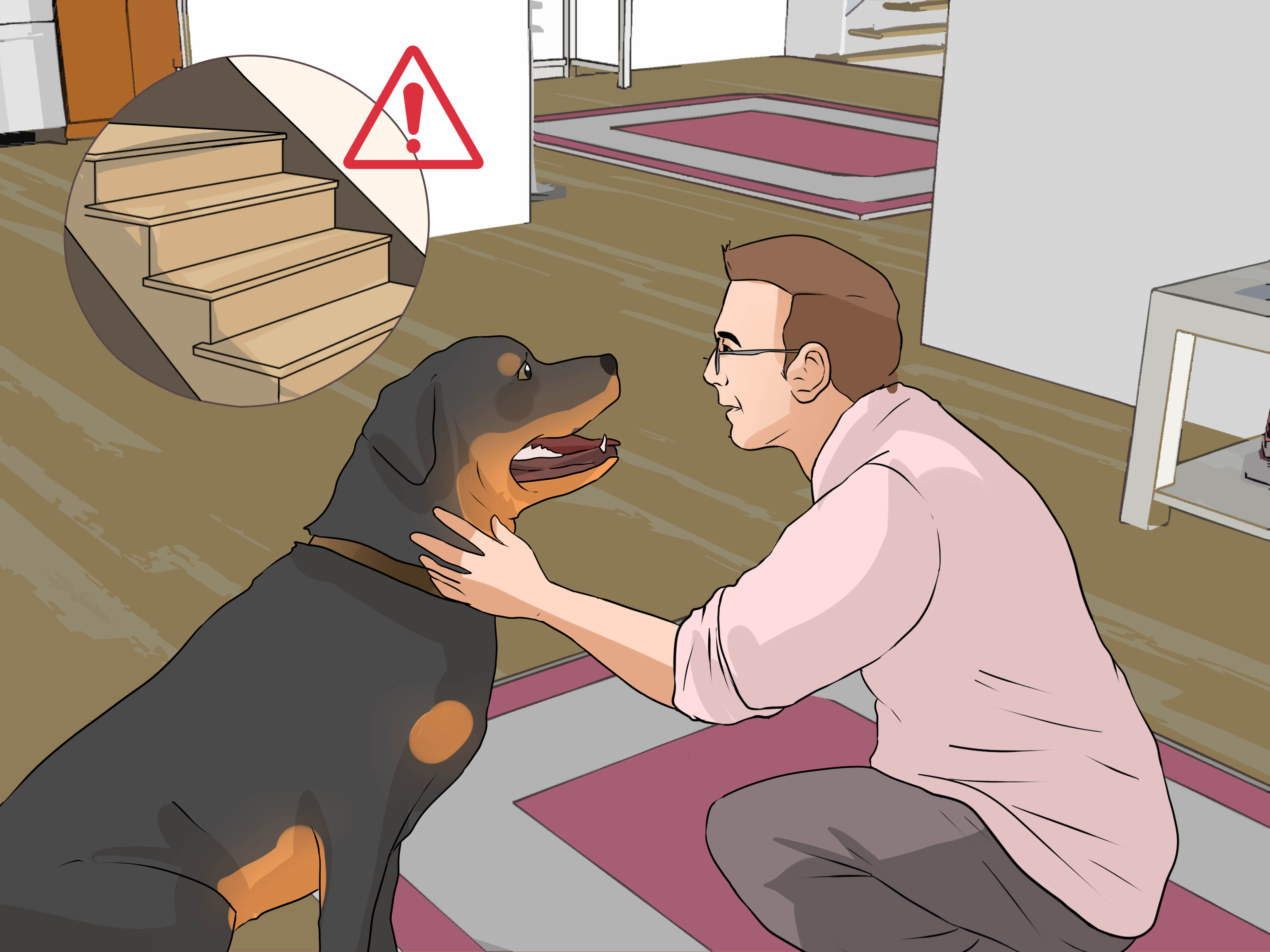
A few home changes can reduce daily pain. Add rugs or runners on slippery floors. Use ramps for cars and furniture if your dog is allowed up. Choose a supportive orthopedic bed that is easy to step onto. Raise food and water bowls only if your vet recommends it for your dog’s size and health needs. Keep nails trimmed so the paws grip better and the gait stays balanced.
Stairs can be especially hard. Use baby gates to limit unnecessary stair climbing, and help your dog move slowly. A rear-support harness can make bathroom breaks and car loading easier for dogs with weak hindquarters.
8. Use Prescription Pain Relief Safely
Many dogs with dysplasia need medication at some point. Veterinarians often prescribe dog-approved nonsteroidal anti-inflammatory drugs, commonly called NSAIDs, to reduce pain and inflammation from osteoarthritis or after surgery. Common veterinary NSAIDs may include carprofen, meloxicam, firocoxib, grapiprant, or other prescription options.
Never give human pain relievers such as ibuprofen, naproxen, or acetaminophen unless a veterinarian specifically instructs you. These can be dangerous or toxic to dogs. Before using NSAIDs, your vet may recommend bloodwork, especially for older Rottweilers or dogs with liver, kidney, stomach, or medication concerns. Follow dosing instructions exactly. “A little extra because he looks sad” is not medical care; it is how emergency bills are born.
9. Consider Joint Supplements as Support, Not a Cure
Joint supplements may be part of a dysplasia plan, but they should not replace diagnosis, weight control, pain management, or surgery when needed. Your veterinarian may discuss omega-3 fatty acids, glucosamine, chondroitin, green-lipped mussel, or other products. Quality, dosing, and safety vary, so ask for a specific recommendation.
Supplements often work best as one small piece of a larger plan. If a product promises to “reverse dysplasia,” treat that claim the way your Rottweiler treats a cucumber: suspiciously.
10. Add Veterinary Rehabilitation or Physical Therapy
Rehabilitation can help reduce pain, rebuild muscle, improve balance, and protect mobility. A certified canine rehabilitation professional may use controlled exercises, stretching, massage, range-of-motion work, underwater treadmill sessions, therapeutic laser, heat or cold therapy, and strength-building routines.
For Rottweilers, rehab is especially useful because muscle support matters. Strong glutes, thighs, core muscles, and shoulder stabilizers help compensate for imperfect joints. Rehabilitation should be customized. Exercises that help one dog may overload another, especially if elbow disease is present.
11. Discuss Surgery Early, Especially for Young Dogs
Surgery is not always necessary, but it should be discussed early when dysplasia is diagnosed in a puppy or young adult. Some procedures are most useful before severe arthritis develops. For hip dysplasia, options may include juvenile pubic symphysiodesis in very young puppies, double or triple pelvic osteotomy in selected young dogs, femoral head ostectomy, or total hip replacement.
Total hip replacement can be highly effective for severe hip disease in appropriate candidates, but it requires specialist evaluation, cost planning, and careful recovery. Femoral head ostectomy may reduce pain in some dogs, though results can vary in large, heavy breeds like Rottweilers. For elbow dysplasia, surgery may involve arthroscopic fragment removal, correction of joint incongruity, ulnar osteotomy, reattachment or removal of an ununited anconeal process, or joint replacement in severe cases.
12. Follow Post-Surgery Restrictions Like They MatterBecause They Do
If your Rottweiler has surgery, recovery rules are not optional decorations. Most orthopedic procedures require restricted activity, leash walks only, no jumping, no wild zoomies, and controlled rehabilitation. The exact timeline depends on the surgery.
This stage can be challenging because many Rottweilers feel mentally ready to wrestle a sofa before their bones, implants, or soft tissues agree. Use crates, pens, gates, puzzle feeders, lick mats, and calm training games to reduce boredom. Ask your vet about safe sedation or anxiety support if your dog is too energetic during recovery.
13. Create a Long-Term Management Plan
Dysplasia is usually a lifelong condition. Even with good treatment, arthritis may progress over time. That does not mean your Rottweiler is doomed to a sad, inactive life. It means the plan should evolve.
Schedule regular veterinary rechecks. Track your dog’s weight, gait, willingness to rise, ability to climb, sleep comfort, and mood. Keep a pain diary if symptoms fluctuate. Adjust exercise during flare-ups. Revisit medications, supplements, rehab, and surgical options as needed. The best treatment plan is not frozen in time; it grows with your dog.
When to Call the Vet Immediately
Contact your veterinarian promptly if your Rottweiler suddenly cannot bear weight, cries out in pain, drags a limb, has severe swelling, refuses food, vomits while taking medication, develops black stools, becomes extremely lethargic, or worsens rapidly. Joint disease can be chronic, but sudden changes deserve urgent attention.
Prevention and Responsible Breeding
You cannot fully prevent dysplasia in every genetically predisposed dog, but responsible choices reduce risk. For puppies, choose breeders who screen breeding dogs for hip and elbow health and share results openly. The American Rottweiler Club emphasizes health testing for breeding stock, including hip certification and elbow evaluation. Dogs with diagnosed canine hip dysplasia should not be used for breeding.
At home, prevention means keeping puppies lean, avoiding overfeeding, using appropriate large-breed nutrition, preventing high-impact exercise during growth, and scheduling early veterinary checks if movement looks abnormal. A puppy who bunny-hops or hesitates on stairs should not be dismissed as “just awkward.” Puppies are naturally goofy, yes, but orthopedic pain is not a personality trait.
Real-Life Experience: Living With and Managing a Dysplastic Rottweiler
Anyone who has cared for a Rottweiler with dysplasia knows the condition is not just a medical diagnosisit becomes part of daily life. The first experience many owners notice is the emotional whiplash. One day your dog is bouncing around like a bowling ball with eyebrows, and the next day he hesitates before getting into the car. At first, it is tempting to blame the weather, a pulled muscle, or dramatic Rottweiler acting skills. But when stiffness keeps returning, the pattern becomes harder to ignore.
One practical lesson is that small routines matter more than heroic efforts. A dysplastic Rottweiler usually does better with steady, predictable habits: measured meals, short walks, good footing, a supportive bed, and medication given exactly as prescribed. Owners often discover that “rest” does not mean leaving the dog bored and frustrated. Mental enrichment becomes a lifesaver. Food puzzles, scent games, gentle obedience practice, and calm chew time can tire the brain without hammering the joints.
Another common experience is learning to read subtle pain signals. Rottweilers are tough dogs. They may not yelp or complain. Instead, they may lag behind on walks, sit differently, lick a joint, avoid turning sharply, shift weight forward, or become grumpy when another dog bumps them. A dog who suddenly refuses to jump into the SUV is not being stubborn; he may be making the smartest medical decision in the parking lot.
Weight management is often the hardest and most rewarding part. Many owners feel guilty reducing portions because Rottweilers are world-class food lawyers. They will present a convincing case that starvation began 11 minutes after breakfast. But once the dog becomes leaner, the difference can be remarkable. Rising gets easier. Walks last longer. The dog may sleep better and seem brighter. Keeping a Rottweiler lean is not cosmeticit is joint protection in a food bowl.
Rehabilitation can also change the owner’s perspective. At first, exercises may seem too simple: slow walking, controlled sit-to-stand movements, balance work, or gentle range-of-motion routines. But over weeks, those boring little movements can rebuild strength. The magic is not intensity; it is consistency. A Rottweiler does not need to train like an athlete with a whistle and a protein shake. He needs safe, repeated motion that supports weak joints.
Surgery, when needed, brings another set of experiences. The recovery period can test everyone’s patience. The dog feels better before he is fully healed, which is dangerous because Rottweilers are not famous for reading discharge instructions. Owners often learn to prepare the home before surgery: gates installed, rugs placed, crate ready, ramp available, medications organized, and emergency numbers saved. The smoother the environment, the safer the recovery.
The biggest lesson is that dysplasia treatment is not about giving up on activity. It is about choosing better activity. Many Rottweilers with dysplasia still enjoy walks, training, sniffing adventures, car rides, and family life. They may need shorter outings, more warm-up time, fewer stairs, and careful pain control, but they can still have joyful lives. The goal is not to turn your Rottweiler into a fragile museum exhibit. The goal is to help him move comfortably, age gracefully, and continue supervising the household like the serious, snuggly security manager he was born to be.
Conclusion
Treating dysplasia in Rottweilers takes patience, teamwork, and a realistic plan. Start with a veterinary diagnosis, identify whether the hips, elbows, or both are involved, and build treatment around weight control, controlled exercise, pain relief, rehabilitation, home adjustments, and surgery when appropriate. The earlier you act, the more options your dog may have.
A Rottweiler with dysplasia can still live a full, happy, deeply loved life. The key is not ignoring symptoms or hoping the limp disappears. The key is making smart choices every day: lean body, safe movement, professional guidance, and a home that supports comfort. Your Rottie may not understand X-rays, arthritis, or joint mechanics, but he absolutely understands feeling betterand probably also understands the sound of the treat bag from three rooms away.