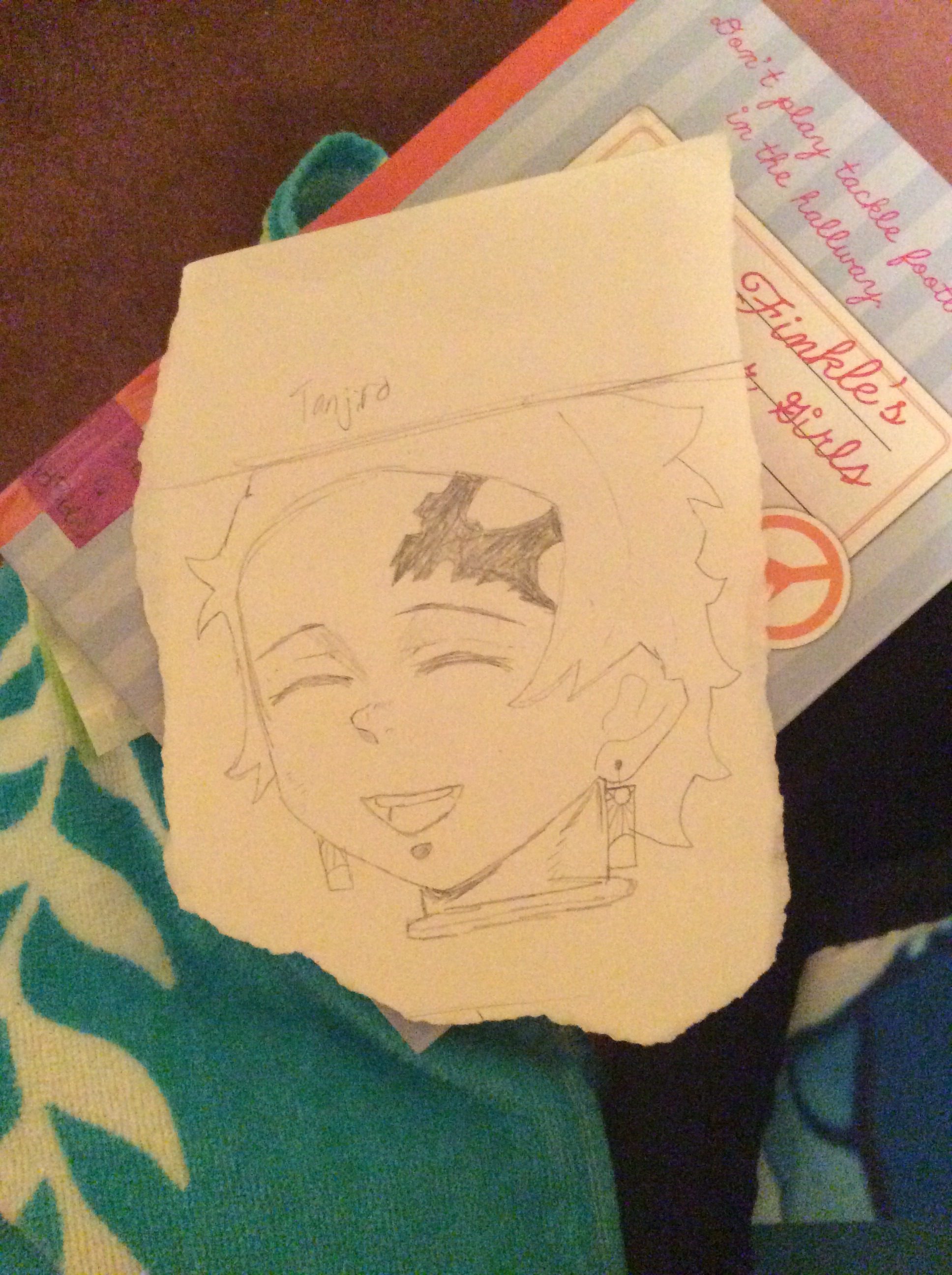
There is a special kind of bravery in posting a drawing online. It is not the same as skydiving, wrestling a bear, or telling your group chat that pineapple on pizza is actually fine. It is quieter, but just as real. You take a sketch that once lived safely in your notebook, tablet, or suspiciously crowded “Untitled Canvas 47” file, and you let other people see it. That is exactly the charm behind the prompt: “Hey Pandas, Post A Drawing Of An Anime Character You Drew.”
Anime character drawings have a way of turning casual doodles into tiny emotional fireworks. A single pair of expressive eyes can say, “I have a tragic backstory,” “I missed the bus,” or “I am about to defeat a cosmic villain using friendship and excellent hair volume.” Whether the character is an original hero, a fan-inspired sketch, a chibi mascot, or a dramatic warrior with a coat that clearly ignores the laws of physics, anime art invites personality onto the page.
This article explores why anime character drawings are so fun to share, what makes a drawing feel memorable, how artists can improve their sketches, and how online art communities can make the experience more encouraging than terrifying. Grab your pencil, stylus, eraser, snack, and emotional support reference folder. We are going in.
Why Anime Character Drawings Are So Addictive to Create
Anime art is popular because it gives artists permission to exaggerate life without abandoning emotion. The eyes can be bigger, the hair can be sharper, the outfits can be wildly impractical, and the facial expressions can go from “peaceful tea break” to “world-ending betrayal” in half a second. Yet underneath all the style, the best anime character drawings still rely on the same foundations as other forms of illustration: shape, proportion, gesture, contrast, and storytelling.
One reason people love drawing anime characters is that the style offers flexibility. You can create a soft slice-of-life character with a hoodie and shy smile, a fantasy mage with glowing accessories, a cyberpunk racer with neon goggles, or a school-club president who looks calm but definitely controls the entire plot. The style can be cute, dramatic, elegant, chaotic, mysterious, or all of those at once.
Anime drawing also feels approachable for beginners. Many artists start with eyes, hair, or simple head shapes before moving into full-body poses and detailed backgrounds. That sense of gradual progress matters. A beginner can create something expressive with just a face sketch, while an advanced artist can push into anatomy, perspective, lighting, digital painting, and complex character design.
The Heart of a Great Anime Character Drawing
A polished anime character drawing is nice, but a memorable one has personality. Viewers may admire clean line art, but they remember the character who looks like they just stole the last cookie and blamed a dragon. Personality begins before the final details. It starts with the idea.
Start With a Simple Character Concept
Before drawing, ask one useful question: who is this character? Not a 40-page biography, unless you enjoy that, in which case please continue being powerful. A simple concept is enough. Maybe your character is a nervous apprentice witch who keeps turning spells into soup. Maybe they are a futuristic delivery rider who races across floating cities. Maybe they are a villain who insists they are “not dramatic” while standing on a rooftop in a cape.
A clear concept helps shape the pose, expression, hairstyle, clothing, and even the line quality. A cheerful character may have rounder shapes and open gestures. A serious character may use sharper angles, darker values, and a controlled stance. A mischievous character might lean forward, smirk, or hide one hand behind their back like they are definitely holding a harmless frog. Probably.
Use Silhouette to Make the Character Recognizable
Strong character design often works even in shadow. If the viewer can recognize the character from the outline alone, the design is doing its job. Anime characters often use distinct silhouettes through hairstyles, jackets, accessories, weapons, hats, ribbons, or unusual proportions.
For example, a character with twin buns, oversized sleeves, and chunky boots will read differently from one with a long scarf, angular hair, and a narrow coat. The silhouette tells the viewer what kind of energy to expect before they notice the tiny details. This is also why anime hair seems to have its own engineering department. It is not just hair. It is branding.
Let the Face Carry Emotion
Anime faces are famous for expressive eyes, simplified noses, and flexible mouths. But expressive does not always mean loud. A tiny eyebrow tilt can make a character look doubtful. A slight mouth curve can suggest confidence. Wide eyes with a stiff pose can feel surprised, while half-lidded eyes and a relaxed shoulder line can suggest boredom, mystery, or “I have already solved the problem and will now be annoying about it.”
When posting a drawing online, emotion helps people connect quickly. Viewers may not know the character’s full story, but they can understand a feeling. That feeling becomes the doorway into the artwork.
How to Draw an Anime Character People Want to Comment On
People comment on drawings for many reasons: the design is cool, the expression is funny, the coloring is beautiful, or the character looks like they belong in a series viewers suddenly wish existed. To make your anime drawing stronger, focus on clarity first, decoration second.
Build the Head With Guidelines
Most anime head drawings begin with basic structure: a circle, a center line, and horizontal guide marks for the eyes, nose, and mouth. This structure prevents the face from drifting into “one eye lives in New York, the other moved to Oregon” territory. Guidelines are not cheating. They are scaffolding. Even experienced artists use them because faces are sneaky.
Once the structure is in place, you can adjust the chin, jaw, cheeks, and eye spacing based on the character’s age, personality, and style. A softer character may have rounder cheeks and wider eyes. A more mature or intense character may have a longer face, sharper jaw, and narrower eyes.
Make the Eyes Expressive, Not Just Huge
Anime eyes can be large, but size alone does not create emotion. Shape, eyelid angle, iris placement, highlights, lashes, and brows all matter. A bright hero might have open eyes with clear highlights. A tired student might have smaller highlights, flatter lids, and eyebrows that say, “Homework has defeated me.”
Try drawing the same character with five different eye expressions: excited, annoyed, scared, proud, and confused. This simple practice teaches emotional range faster than endlessly redrawing one perfect neutral face. Neutral faces are useful, but they rarely win the comment section unless the outfit is doing Olympic-level work.
Design Hair in Big Sections First
Anime hair often looks complicated, but it becomes easier when treated as large shapes instead of individual strands. Start with the hairline and overall silhouette. Then divide the hair into sections: bangs, side pieces, back volume, ponytail, braid, or loose strands. After that, add smaller details.
This approach keeps the hairstyle readable. If every strand is drawn with equal importance, the hair can become visual spaghetti. Delicious in a bowl, confusing on a head.
Use Poses That Tell a Story
A standing front-facing pose is fine for practice, but a storytelling pose can make a drawing feel alive. Is the character reaching for something? Turning away? Jumping? Holding a sketchbook? Looking over their shoulder? Protecting a tiny magical creature that may or may not pay rent?
The line of action helps here. It is the invisible curve that runs through the body and gives the pose movement. A strong line of action can make even a simple pose feel dynamic. Without it, the character may look stiff, like they were politely assembled from furniture.
Original Characters vs. Fan Art: What Should You Post?
Both original characters and fan art have a place in anime drawing communities. Original characters show your imagination. Fan art shows your love for an existing story. The best choice depends on your goal.
If you want to develop your own visual voice, original characters are excellent practice. You make decisions about personality, costume, color palette, powers, flaws, and worldbuilding. You are not just drawing a character; you are designing a tiny universe around them.
If you want to study style, expression, and recognition, fan art can be helpful. Drawing a beloved anime character teaches you how design elements work together. However, artists should be thoughtful about credit, copyright, and commercial use. Sharing a personal fan drawing is common in art communities, but selling art based on protected characters can raise legal and ethical issues. When in doubt, focus on original designs or clearly credit inspiration without implying ownership of someone else’s character.
How Online Communities Make Artists Better
The “Hey Pandas” style of prompt works because it lowers the pressure. Instead of asking for a masterpiece, it asks people to share something they made. That difference is huge. A prompt like “Post a drawing of an anime character you drew” invites beginners, hobbyists, students, digital artists, traditional sketchers, and people who draw exclusively on the back of math worksheets. Art grows better when it has room to be human.
Online art communities can help artists improve through feedback, inspiration, and accountability. Seeing other people’s drawings can spark ideas about poses, color palettes, line weight, expressions, or costume design. A supportive comment can motivate an artist to keep practicing. A thoughtful critique can point out what to improve without crushing the artist’s soul like a poorly timed piano drop in a cartoon.
The key is respectful sharing. Good community feedback is specific, kind, and useful. “This is bad” helps nobody. “The expression is strong, and the hand might look more natural if the fingers overlap slightly” is much better. Artists are more likely to grow when critique feels like a flashlight, not a hammer.
Simple Ways to Improve Your Anime Drawing Before Posting
Before you upload your anime character drawing, take a few minutes to review it. Small adjustments can make a big difference.
Flip the Canvas
Digital artists often flip the canvas horizontally to catch mistakes. Traditional artists can use a mirror or take a photo and flip it on a phone. This trick reveals uneven eyes, tilted faces, awkward shoulders, and other sneaky problems that hide when you stare at the same drawing too long.
Check the Values
Value means lightness and darkness. Even colorful anime art needs strong values. Convert your image to grayscale or squint at it. Can you still understand the face, hair, outfit, and pose? If everything blends together, add contrast. Clear light and shadow help the character pop.
Clean the Line Art Strategically
Not every line needs the same thickness. Thicker lines can emphasize the outer silhouette, shadow areas, or important overlaps. Thinner lines can describe small details, hair strands, fabric folds, and facial features. Varied line weight gives the drawing rhythm and prevents it from looking flat.
Add One Memorable Detail
A memorable detail can be simple: a star-shaped hair clip, patched jacket, glowing bracelet, unusual scarf, tiny backpack charm, mismatched socks, or dramatic earrings. The goal is not to bury the character in accessories until they look like they lost a fight with a craft store. One or two meaningful details are often stronger than twenty random ones.
Common Anime Drawing Mistakes and How to Fix Them
Every artist makes mistakes. That is not failure; that is the subscription fee for improvement. The trick is learning what to notice.
Mistake 1: Copying Style Without Learning Structure
Anime style is stylized, but it still sits on top of anatomy and perspective. If the structure is weak, the style may look unstable. Practice basic head construction, torso shapes, hands, feet, and simple poses. The more you understand the form underneath, the more confidently you can exaggerate it.
Mistake 2: Overloading the Design
Details are fun. Too many details can make a character hard to read. If your character has six belts, four capes, glowing armor, floating crystals, three mascots, and a sword shaped like a weather forecast, the viewer may not know where to look. Choose a focal point and let the rest support it.
Mistake 3: Avoiding Hands Forever
Hands are difficult, yes. Hands are also expressive. A clenched fist, nervous fingers, a peace sign, or a hand holding a pencil can add personality. Start with simple mitten shapes, then divide into fingers. Use your own hand as reference. It is usually nearby and rarely charges modeling fees.
Mistake 4: Comparing Your Sketch to Someone’s Finished Art
Do not compare your rough draft to another artist’s polished final piece. You are seeing their highlight reel, not the abandoned sketches, weird layers, failed hands, and deleted faces behind it. Progress is easier to measure when you compare your current work to your older work.
Why Posting Your Drawing Matters
Posting your anime character drawing is not just about collecting likes. It is a record of your creative progress. Today’s imperfect sketch may become tomorrow’s “before” image. The drawing you feel nervous about sharing may inspire someone else to post theirs. The character you created for fun could become the start of a comic, animation, sticker set, game concept, or personal art challenge.
Art does not have to be perfect to be worth sharing. In fact, perfect art is not usually what makes communities interesting. Growth is interesting. Style experiments are interesting. Sketchbook pages with notes in the margins are interesting. A character with one excellent eye and one eye that appears to be planning a vacation is still part of the journey.
of Real Drawing Experience: What It Feels Like to Post an Anime Character You Drew
The first time you post an anime character drawing, your brain may become a tiny courtroom. One side argues, “This is fun, share it!” The other side objects, “The left hand looks like a confused starfish.” Then the judge, who is apparently also your insecurity, bangs the gavel and says, “Proceed with panic.” That feeling is normal.
Many artists begin with a character they secretly love more than they admit. Maybe the sketch started as a random face during a boring afternoon. Then you added hair. Then the hair needed a jacket. Then the jacket needed a backstory. Suddenly, this character has a favorite drink, a rival, three emotional wounds, and a theme song. That is the magic of anime-style drawing: it turns small visual choices into personality.
One common experience is discovering that the sketch has an awkward phase. At first, the circle and guidelines look promising. Then the eyes go in and everything feels strange. The nose is too high. The mouth is too low. The hair looks like wet leaves. This is where beginners often quit, but experienced artists know the awkward phase is just part of the process. Most drawings pass through a “please do not perceive me” stage before they become presentable.
Coloring brings another adventure. You choose a beautiful palette in your head, but on the canvas it somehow becomes “highlighter soup.” Then you adjust the shadows, add warmer skin tones, soften the blush, and place tiny highlights in the eyes. Suddenly, the character wakes up. This moment feels fantastic. It is like the drawing finally says, “Hello, yes, I live here now.”
Posting the finished piece can feel scary, but it also creates momentum. A kind comment can stay with you for days. Even a simple “I love the hair!” can make the hours of sketching feel worthwhile. Sometimes people notice details you almost removed. They may like the crooked smile, the little charm on the bag, or the dramatic sleeve shape. This teaches an important lesson: artists often judge their work by flaws, while viewers often enjoy the feeling of the whole piece.
Another valuable experience is looking back months later. The drawing that once felt amazing may suddenly reveal mistakes. The shoulders are uneven. The shading is muddy. The pose is stiff. But instead of embarrassment, that moment can become proof of growth. If you can see the mistakes now, your eye has improved. Your skill is catching up. That old drawing did its job.
The best part of sharing anime character drawings is that it connects imagination with community. Someone else may be drawing their own shy mage, cyberpunk student, space idol, or sleepy demon prince at the same time. When everyone posts their work, the comment section becomes a tiny gallery of effort, humor, style, and courage. Not every drawing needs to be professional. Not every character needs a perfect design sheet. Sometimes the point is simply this: you made something, it has personality, and now it gets to meet the world.
Conclusion: Post the Drawing, Panda
“Hey Pandas, Post A Drawing Of An Anime Character You Drew” is more than a casual prompt. It is an invitation to celebrate creativity at every level. Anime character art combines emotion, design, storytelling, and style in a way that feels both playful and deeply personal. Whether your drawing is a polished digital illustration or a pencil sketch with eraser crumbs still emotionally attached, it deserves a chance to be seen.
The best anime drawings are not always the most technically perfect. They are the ones with life in them: a bold expression, a clever silhouette, a funny detail, a dramatic pose, or a character who seems ready to leap into their own story. So post the drawing. Share the character. Let the comments roll in. And if the hands look weird, congratulationsyou are officially an artist.
Editorial note: This article is an original, web-ready synthesis based on established drawing fundamentals, anime-style illustration practices, online art community behavior, and general U.S. creator-rights considerations. It is written for informational and creative publishing purposes.