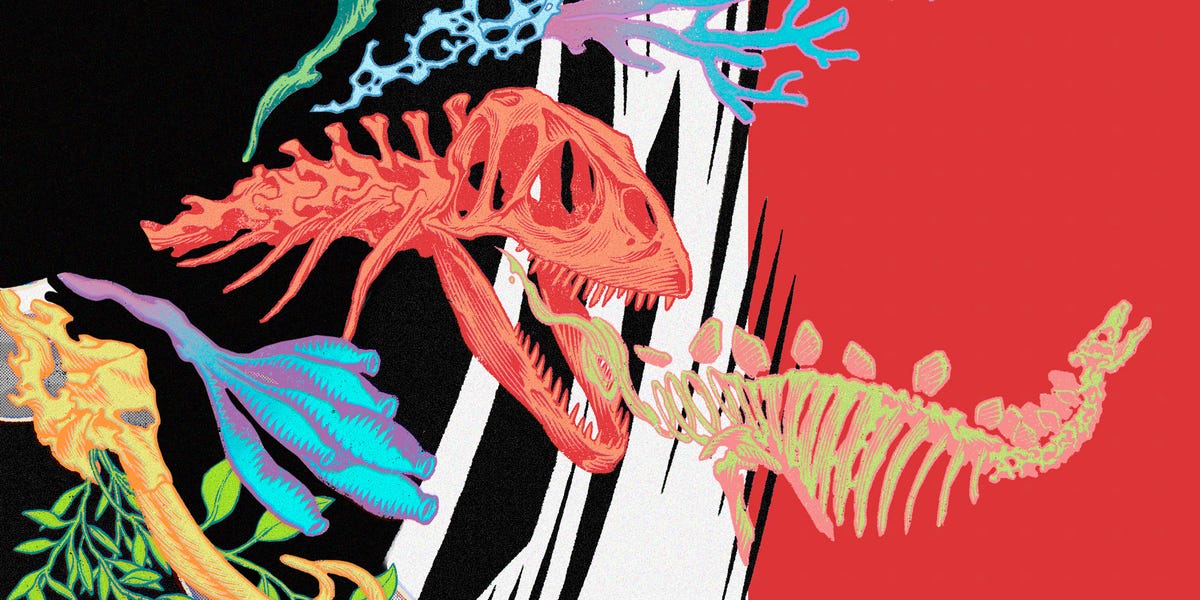
Let’s begin with the obvious: nobody is actually ordering Tyrannosaurus tartare, mammoth brisket, or a megalodon steak with lemon butter. These animals are extinct, many modern relatives are protected, and any chef attempting a Jurassic pop-up would face a few tiny problemslike ethics, law, biology, and the lack of a working time machine.
Still, as a culinary thought experiment, the idea is irresistible. Professional chefs are experts at reading an ingredient: muscle structure, fat, connective tissue, diet, habitat, and flavor clues. Paleontologists do something surprisingly similar with fossils, except their “menu notes” are bones, teeth, jaw shape, footprints, and evolutionary relatives. So what happens when the science of prehistoric creatures meets the craft of fine dining?
This playful guide imagines how chefs might prepare 11 prehistoric creatures if they could source them safely, legally, and without causing a scientific scandal. The result is part paleontology, part kitchen strategy, and part “please do not deep-fry museum specimens.”
How Chefs Would Think About Prehistoric Meat
A professional chef would not start by asking, “Can I put this in a taco?” Although, eventually, yes, someone always asks that. The first question would be: what kind of animal was it?
Diet matters. Herbivores often suggest cleaner, grassier, sometimes sweeter meat profiles, while apex predators can be leaner, stronger, and more mineral in flavor. Movement matters too. A powerful runner or swimmer develops firm, hard-working muscles that may need slow cooking, curing, or slicing thinly. Fat matters most of all. A large Ice Age herbivore with insulating fat would behave very differently from a lean flying reptile or an armored fish.
Chefs would also look for modern analogs. Dinosaurs are connected to birds, so smaller theropods might inspire techniques used for turkey, ostrich, pheasant, or duck. Marine reptiles might be approached through alligator, monkfish, or swordfish logic. Ammonites, being ancient cephalopods, invite comparisons to squid, cuttlefish, and octopus. Mammoths point toward large herbivorous mammals, though no responsible chef should treat living elephants as culinary inspiration beyond anatomy and cautionary respect.
1. Tyrannosaurus Rex: Dry-Aged Apex Predator Roast
Tyrannosaurus rex was not a dainty little salad enthusiast. This massive theropod was built for power, with enormous jaws and a reputation that still stomps through pop culture like it owns the parking lot. If a professional chef had to prepare T. rex, the smartest move would be to avoid treating it like supermarket chicken. This animal would likely have large, dense muscles, especially around the legs and tail.
Chef’s approach
A chef might dry-age select cuts to concentrate flavor and tenderize the meat. The leg could be broken down like a giant turkey thigh crossed with ostrich and wild game. Slow roasting, confit-style cooking, or braising would help manage toughness. For a luxury plate, a chef might serve thin slices of seared T. rex “prime” with roasted bone marrow, black garlic jus, charred onions, and a sharp herb salad to cut through the richness.
The flavor? Probably bold, dark, and slightly gamey. Imagine if turkey went to the gym for 20 years, hired a personal trainer, and developed an attitude problem.
2. Triceratops: Herbivore Short Ribs With Ancient Root Vegetables
Triceratops was a famous horned dinosaur and a committed plant eater. Its heavy body, powerful shoulders, and grazing or browsing lifestyle make it a better candidate for slow-cooked comfort food than delicate fine-dining minimalism. A chef would likely treat it more like bison, beef, or wild herbivore meat.
Chef’s approach
The best cuts would probably come from the shoulder, ribs, and haunch. A professional kitchen might braise Triceratops short ribs for hours with red wine, roasted mushrooms, juniper, bay leaf, and mirepoix. Because herbivore meat can become lean and tough, moisture would be essential. The goal would be tenderness without turning the dish into prehistoric pot roast soup.
A modern plating idea might include celery-root puree, charred carrots, fermented berry sauce, and crispy dinosaur-sized “cracklings” made from rendered fat. The dish would feel rustic, hearty, and dramaticbasically steakhouse meets natural history museum.
3. Velociraptor: Game Bird Spatchcock With Citrus and Herbs
Real Velociraptor was much smaller than the movie monster version, and it belonged to a group closely related to the evolutionary line that leads toward birds. That makes it one of the more chef-friendly prehistoric thought experiments. Rather than a monster roast, imagine something closer to a lean, athletic game bird.
Chef’s approach
A chef might spatchcock it, salt it overnight, and roast it hot to crisp the skin while keeping the meat juicy. Since lean birds dry out quickly, a butter baste or duck-fat glaze would be welcome. Citrus zest, rosemary, garlic, cracked pepper, and smoked paprika would bring brightness and warmth.
For a restaurant plate, Velociraptor could be served with farro, wild mushrooms, bitter greens, and a pan sauce made from roasted bones. It would likely taste more intense than chicken but less rich than duck. If T. rex is the heavyweight boxer of the prehistoric kitchen, Velociraptor is the wiry little line cook who never stops moving and somehow scares everyone.
4. Woolly Mammoth: Smokehouse Brisket of the Ice Age
The woolly mammoth was a shaggy Ice Age giant adapted to cold environments. Its closest living relatives are elephants, but this is strictly a fossil-based fantasy, not a culinary suggestion. A professional chef would expect large muscles, significant connective tissue, and possibly valuable fat reserves that helped the animal survive harsh climates.
Chef’s approach
Low and slow would be the winning method. A chef might cure and smoke mammoth shoulder or brisket over hardwood, using salt, black pepper, coriander, mustard seed, and a little maple. The meat would need time for collagen to soften, just as barbecue pitmasters coax tenderness from beef brisket.
A mammoth tasting plate might include smoked slices, rendered fat potatoes, pickled cranberries, and a dark stock reduction. The marrow bones would be a prize, roasted and served with sourdough toast and sea salt. This is the kind of dish that would require a reservation, a nap, and possibly a forklift.
5. Megalodon: Giant Shark Steak With Charred Lemon
Megalodon was one of the largest predatory sharks known from the fossil record. Since shark skeletons are mostly cartilage, scientists rely heavily on teeth and vertebrae to understand its size and biology. In culinary terms, shark meat presents a special challenge because many sharks retain compounds that can create ammonia-like flavors if not handled properly.
Chef’s approach
A professional chef would immediately focus on careful trimming, soaking, chilling, and quick processing. The best imagined preparation would be thick megalodon steaks, marinated briefly with citrus, olive oil, garlic, and herbs, then grilled over high heat. The texture might resemble swordfish or mako: firm, meaty, and steak-like.
Because an apex marine predator could have strong flavors, the plate would need acidity and freshness. Think charred lemon, fennel salad, capers, parsley, and a clean salsa verde. The portion size would be modest, because “all-you-can-eat megalodon night” sounds less like dinner and more like the beginning of a lawsuit.
6. Mosasaurus: Citrus-Braised Marine Reptile
Mosasaurus and its relatives were large marine reptiles, not dinosaurs. They hunted in ancient seas and had jaws suited for catching slippery prey. From a chef’s perspective, this creature would raise an interesting question: would it cook more like fish, reptile, or something entirely its own?
Chef’s approach
A chef might borrow techniques from alligator, monkfish, and swordfish. Tougher tail or shoulder muscles could be braised with citrus, white wine, garlic, tomato, and saffron, creating something between seafood stew and reptile osso buco. Leaner cuts might be grilled quickly and sliced thin.
The best version would probably be a coastal dish: mosasaur medallions with roasted peppers, olives, preserved lemon, and herbs. If the meat were mild, it could handle spice. If it were strong, acidity would be the chef’s best friend. Either way, the kitchen would need a very large cutting board and nerves of steel.
7. Quetzalcoatlus: Lean Flying Reptile Confit
Quetzalcoatlus was a giant pterosaur, part of a group of flying reptiles that were not birds and not dinosaurs. Pterosaurs had wings made from skin membranes supported by elongated fingers, a body plan unlike anything in modern kitchens. That makes this one trickyand fascinating.
Chef’s approach
Because flying animals tend to be lean, a chef would avoid dry roasting large cuts without added fat. Confit would be a smart method: salt the meat, cook it slowly in fat at low temperature, then crisp the exterior before serving. The wing joints might be treated like an enormous duck leg, while the breast could be sliced and seared rare if the texture allowed.
A chef might pair Quetzalcoatlus with smoky beans, roasted squash, chili oil, and bitter greens. The final plate would be elegant but slightly spooky, like duck confit designed by a paleontologist with dramatic lighting.
8. Dunkleosteus: Armored Fish Collar and Ocean Broth
Dunkleosteus was a heavily armored Devonian fish and one of the early great jawed predators of the ocean. Its head and jaws were protected by bony plates, and its mouth worked like a set of natural cutting blades. For a chef, this would be less “fish fillet” and more “how do we get past the armor?”
Chef’s approach
The collar and cheek areas would be especially valuable, as they are in many large fish. A chef might roast the collar over charcoal, glaze it with miso or fermented grain paste, and serve it with pickled vegetables. Large fillets could be cured lightly, pan-seared, or poached in aromatic broth.
The bones and trimmings would make a deep, mineral-rich stock. The armor itself would not be food, but it would make an unforgettable serving vessel. Imagine a seafood restaurant presenting Dunkleosteus broth in a polished replica skull. Subtle? No. Memorable? Absolutely.
9. Ammonite: Ancient Cephalopod With Garlic Butter
Ammonites were shelled marine cephalopods, related in broad terms to squid, octopus, cuttlefish, and nautiluses. Their coiled shells are among the most recognizable fossils on Earth. In the kitchen, the shell would be presentation; the soft body would be dinner.
Chef’s approach
Cephalopods reward precision. Cook them very quickly or very slowlyanything in the middle can become rubber bands with ambition. A chef might slice ammonite meat thin and flash-sear it with garlic, chili, lemon, and parsley. Larger specimens could be braised gently in olive oil, tomato, wine, and herbs until tender.
The most theatrical dish would be “stuffed ammonite,” with the cooked meat folded into breadcrumbs, herbs, fennel, and seafood stock, then served inside a cleaned shell-shaped dish. It would taste like the ocean, look like a fossil, and give every diner permission to say, “I ordered the spiral.”
10. Glyptodon: Armored Herbivore Barbacoa
Glyptodon was a giant armored mammal related to modern armadillos. It carried a protective shell made of bony plates and lived during the age of large mammals. A chef would see a challenge: tough exterior, big body, herbivore muscles, and a lot of slow-cooking potential.
Chef’s approach
The best treatment would be barbacoa-style cooking. Shoulder, neck, or leg meat could be rubbed with dried chiles, cumin, garlic, oregano, salt, and citrus, then wrapped and cooked slowly until it pulled apart. The shell would be useless as food but irresistible as inspiration for presentation.
A modern chef might serve Glyptodon tacos with pickled onions, roasted tomatillo salsa, cilantro, and fresh lime. Another version could be a refined tasting menu dish: shredded glyptodon with masa dumplings, smoky broth, and charred cabbage. This is prehistoric comfort foodthe kind that says, “Yes, I arrived in armor, but I’m emotionally available with tortillas.”
11. Giant Ground Sloth: Slow-Roasted Megafauna Shoulder
Giant ground sloths were not the tiny tree-hugging slowpokes we know today. Some were enormous mammals that roamed ancient landscapes and fed largely on plants. Their size suggests large, hard-working muscles, and their herbivorous diet would make them one of the more appealing imaginary proteins on this list.
Chef’s approach
A chef might treat giant ground sloth shoulder like a cross between pork shoulder, bison, and wild boar. Long roasting or braising would be ideal. A marinade of herbs, garlic, fermented fruit, vinegar, and warm spices could tenderize and brighten the meat.
For a creative plate, the chef might serve slow-roasted ground sloth with avocado relish, a cheeky nod to the idea that extinct megafauna helped disperse large fruits in ancient ecosystems. Add roasted sweet potatoes, pumpkin seed sauce, and crisp greens, and the dish becomes surprisingly elegant. It is also proof that even in a fantasy kitchen, side dishes matter.
What This Imaginary Menu Teaches Us About Real Cooking
The fun of this prehistoric menu is not just the absurdity of asking whether T. rex needs a steak knife. It reveals how real chefs think. Cooking is not random heat plus hope. It is observation, adaptation, and respect for the ingredient.
Lean meat needs protection: brining, barding, confit, or quick searing. Tough muscles need time: braising, smoking, pressure cooking, or slow roasting. Strong flavors need balance: acid, herbs, smoke, sweetness, bitterness, or fermentation. Delicate seafood needs restraint. Large animals require full-use cooking, from prime cuts to stock bones, because waste is bad cooking in any era.
The same thinking applies to modern ingredients. Octopus becomes tender when cooked patiently. Brisket becomes luxurious when smoke and time transform collagen. Duck tastes better when its fat is managed wisely. Venison benefits from careful trimming and gentle cooking. Even humble chicken improves dramatically when salted in advance and not roasted into sadness.
Experience Notes: Cooking Lessons From a Prehistoric Fantasy
Imagining how professional chefs might prepare prehistoric creatures feels silly at first, but it quickly becomes a useful kitchen exercise. The moment you stop laughing about mammoth brisket, you begin asking practical questions that chefs ask every day. Is this meat lean or fatty? Did the animal run, swim, fly, graze, or ambush? Would the muscle fibers be delicate or dense? Should it be cooked hot and fast, or low and slow? That kind of thinking turns a joke into a surprisingly good cooking class.
In real kitchens, the closest experiences come from working with unusual proteins. Ostrich, for example, looks like poultry on paper but behaves more like lean red meat. Cook it too long and it becomes dry. Alligator can be mild and firm, but it needs either quick cooking or enough time to tenderize. Octopus is famously dramatic: one minute it is tough enough to bounce off the wall, and after patient cooking it becomes silky and luxurious. These modern examples help explain why a chef facing Velociraptor, Mosasaurus, or Ammonite would not simply toss everything on the grill and hope for applause.
Another lesson is the importance of flavor architecture. Big, strong meats need contrast. A smoked mammoth-style dish would feel heavy without pickles, herbs, fruit acidity, or sharp mustard. A megalodon-style shark steak would need citrus and freshness. A giant ground sloth roast would benefit from spice, vinegar, and bright salsa. Professional chefs rarely think of protein alone; they build a complete bite. Fat needs acid. Smoke needs sweetness. Salt needs crunch. Richness needs relief. Otherwise, dinner becomes a one-note drum solo.
There is also a sustainability lesson hiding inside the fantasy. A serious chef would never waste a massive animal. Bones become stock. Fat becomes cooking medium. Tough cuts become braises. Trim becomes sausage, dumpling filling, or sauce base. This nose-to-tail mindset is not just trendy; it is old wisdom. If a kitchen somehow received a Triceratops-sized ingredient, the worst possible approach would be serving only the glamorous cuts and ignoring the rest. Respect means using the whole animal thoughtfully.
Finally, this thought experiment reminds us that food is storytelling. Diners do not only eat flavor; they eat curiosity, memory, theater, and context. A dish inspired by Dunkleosteus could teach guests about armored fish. An ammonite course could introduce ancient oceans. A “prehistoric” tasting menu, even using modern legal ingredients, could make science feel delicious. That is the magic professional chefs bring to the table: they turn information into experience. Sometimes that experience is elegant. Sometimes it is smoky, messy, and served with extra napkins. Either way, it makes people lean forward and ask questionswhich is exactly what good food and good science both do.
Conclusion
Professional chefs would not treat prehistoric creatures as gimmicks. They would study them the way they study any ingredient: anatomy first, technique second, flavor always. T. rex calls for bold dry-aging and slow cooking. Triceratops belongs in a braise. Velociraptor suits game-bird roasting. Mammoth practically begs for a smokehouse. Megalodon demands careful handling and bright acidity. Mosasaurus needs coastal flavors. Quetzalcoatlus benefits from confit. Dunkleosteus becomes a dramatic fish course. Ammonite shines with cephalopod technique. Glyptodon fits slow-cooked barbacoa. Giant ground sloth turns into herbivore comfort food.
Of course, this entire menu belongs safely in imagination. But as a way to blend paleontology, culinary creativity, and practical cooking logic, it is deliciously useful. The prehistoric world may be gone, but it still has plenty to teach usespecially if we bring salt, fire, and a sense of humor.