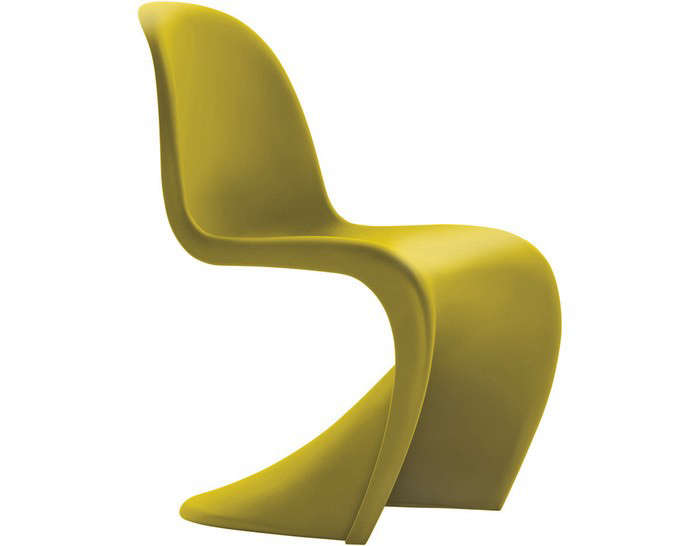
Some chairs politely sit in the corner and do their job. The Panton molded plastic chair enters the room like it has its own theme music. Curvy, sculptural, glossy or matte depending on the version, and instantly recognizable from across a loft, gallery, dining room, or design-obsessed Instagram feed, the Panton Chair is one of those rare furniture pieces that looks futuristic even decades after its debut.
Designed by Danish designer Verner Panton, the Panton Chair became famous for doing something that sounds simple now but was wildly ambitious at the time: it turned a chair into one continuous molded plastic form. No separate legs. No traditional frame. No polite little wooden joints pretending not to creak. Just one sweeping S-shaped silhouette that functions as backrest, seat, base, and attitude.
Today, Panton molded plastic chairs are popular with collectors, modern homeowners, interior designers, restaurants, galleries, and anyone who believes a dining chair should do more than merely behave. But before you add one to your space, it helps to understand what makes the Panton Chair special, how it evolved, how to style it, and why this piece remains one of the most important plastic chairs in modern furniture design.
What Are Panton Molded Plastic Chairs?
Panton molded plastic chairs refer primarily to the iconic Panton Chair, a cantilevered chair designed by Verner Panton and developed for production with Vitra. Its most recognizable feature is the seamless S-shaped body, formed from a single piece of plastic or plastic-based material. Unlike conventional chairs with four legs, the Panton Chair supports the sitter through a continuous flowing base that curves from the floor up into the seat and back.
That design choice is not just visual drama, although let’s be honest, there is plenty of drama. The shape allows the chair to flex slightly, giving it a more comfortable feel than its sculptural profile might suggest. It also makes the chair stackable in many versions, easy to clean, and suitable for a wide range of modern interiors.
The Panton Chair is often described as one of the first successful one-piece molded plastic chairs and one of the most famous examples of 20th-century furniture design. It belongs to the family of modernist and space-age furniture, but it has enough personality to avoid feeling like a museum piece trapped behind velvet rope.
A Brief History of the Panton Chair
Verner Panton began exploring the idea of a one-piece plastic chair in the late 1950s. At the time, plastic was becoming an exciting material for designers who wanted to break away from traditional wood, metal, and upholstery. Panton saw plastic not as a cheap substitute, but as a material with its own expressive power. He wanted a chair that could be molded into a continuous, organic shape and produced for everyday use.
The road from idea to finished product was not exactly a leisurely Sunday drive. The Panton Chair took years of experimentation, revisions, failed attempts, and material changes. Early versions involved fiberglass-reinforced materials and rigid polyurethane foam. Later versions moved toward more practical plastics as production technology improved.
Vitra began serial production of the Panton Chair in the late 1960s, helping transform Panton’s ambitious concept into a design icon. Over time, the chair evolved through several production phases. Modern versions are commonly made from dyed-through polypropylene, while the Panton Chair Classic preserves the look and feel of earlier glossy versions with rigid polyurethane foam and a lacquered finish.
That evolution is part of the chair’s magic. The Panton Chair is not frozen in time. It has adapted as manufacturing, materials, and sustainability expectations have changed. The basic silhouette remains unmistakable, but the technology behind it has continued to improve.
Why the Panton Chair Became a Design Icon
It Broke the Rules of Chair Construction
Most chairs are built from parts: legs, seat, back, supports, screws, brackets, and sometimes a few mystery pieces left over after assembly. The Panton Chair challenged that logic by asking, “What if a chair could be one continuous object?” The result was a piece of furniture that felt more like industrial sculpture than household seating.
Its cantilevered structure was especially bold. Instead of relying on four vertical legs, the chair uses its curved base and flexible material to distribute weight. That gives it a floating, springy quality. Visually, it looks like it should not work. Functionally, it does. That tiny moment of disbelief is one reason people keep staring at it.
It Captured the Spirit of the 1960s
The Panton Chair arrived during a period of experimentation in art, fashion, architecture, and interiors. Designers were embracing bright color, space-age curves, synthetic materials, and playful forms. The chair fit that cultural moment perfectly. It looked modern, optimistic, and slightly rebelliouslike it had just parked its spaceship outside.
Yet the design never became purely nostalgic. Many 1960s objects feel trapped in their era. The Panton Chair still feels fresh because its form is clean, simple, and architectural. It can look retro in a bright orange room, minimalist in white, edgy in black, or playful in a colorful children’s space.
It Works as Both Furniture and Art
One reason Panton molded plastic chairs remain popular is that they can carry a room visually. A single chair can work as an accent piece in a bedroom corner, entryway, reading nook, or office. A full set around a dining table becomes the main character of the room. You do not need much else competing for attention because the chair already understands the assignment.
Materials: From Early Experiments to Modern Polypropylene
The material story of the Panton Chair is important because the chair’s form demanded more from plastic than ordinary furniture did. It needed strength, flexibility, durability, and the ability to hold a complex molded shape.
Early versions explored fiberglass-reinforced polyester and polyurethane-based construction. These materials helped achieve the dramatic shape but came with challenges, including production complexity and cost. The Panton Chair Classic still reflects that earlier glossy, lacquered aesthetic and is often chosen by collectors or design purists who want a version close to the original visual impact.
Modern standard Panton Chairs are typically made from polypropylene, a durable plastic that can be molded, colored through the material, and maintained more easily. Polypropylene versions usually have a matte surface and are practical for daily use. Many are also suitable for temporary or seasonal outdoor use, depending on the specific model and manufacturer guidance.
For buyers, the key distinction is simple: the Panton Chair Classic is more luxurious, glossy, and collectible, while the polypropylene Panton Chair is more casual, durable, and everyday-friendly. One is the design-world tuxedo. The other is the stylish jacket you can actually wear to dinner without panicking over every fingerprint.
Key Features of Panton Molded Plastic Chairs
One-Piece Construction
The defining feature is the single continuous body. This gives the chair its smooth profile and eliminates visual clutter. There are no exposed joints, separate back legs, or bulky support bars. The chair looks clean from every angle, which is why it works so well in open-plan spaces.
S-Shaped Silhouette
The chair’s flowing S curve is both structural and decorative. It supports the body while creating a dramatic visual rhythm. This silhouette is the reason even people who do not know furniture history often recognize the chair instantly.
Cantilever Comfort
The Panton Chair has a slight flex when you sit in it. That gentle movement gives it more comfort than many rigid sculptural chairs. It is not a plush lounge chair, and it will not swallow you like a cloud, but for dining, conversation, and everyday seating, it offers a surprisingly pleasant sit.
Stackability
Many Panton molded plastic chairs are stackable, making them practical for dining rooms, event spaces, patios, cafes, and flexible interiors. Stackability is one of those features you do not fully appreciate until you need to clean, rearrange, or make room for a very enthusiastic holiday gathering.
Easy Maintenance
Plastic seating is generally easier to wipe clean than upholstered chairs. That makes Panton Chairs appealing for families, kitchens, breakfast nooks, and high-use areas. Spilled coffee, crumbs, and mysterious sticky fingerprints are less dramatic when the chair surface can be cleaned with a soft cloth and mild soap.
Where to Use Panton Molded Plastic Chairs
Dining Rooms
The dining room is one of the best places to use Panton Chairs. Their sculptural form pairs beautifully with simple rectangular, oval, or round tables. A white table with black Panton Chairs creates a crisp modern look. A wood table with colored Panton Chairs adds warmth and contrast. A glass table lets the chair’s curved base remain visible, which is a clever move if you enjoy guests saying, “Wait, how is that chair standing?”
Kitchen Nooks
In kitchens, Panton molded plastic chairs bring a clean, practical edge. They are easy to wipe down, visually light, and bold enough to make a small breakfast area feel designed rather than accidental. In an all-white kitchen, a red, yellow, or green version can act like a burst of espresso for the eyes.
Home Offices
A Panton Chair can work well as an occasional desk chair, especially in a creative workspace. It is best for shorter work sessions rather than marathon ergonomic office use. Pair it with a minimal desk, a graphic rug, and strong task lighting for a workspace that looks sharp without feeling corporate.
Entryways and Accent Corners
Because the Panton Chair has such a strong silhouette, it works beautifully as a standalone accent. Place one in an entryway, under a large piece of art, beside a bookcase, or in a bedroom corner. Add a small side table or sculptural lamp, and suddenly that forgotten corner has a personality.
Patios and Covered Outdoor Areas
Some modern polypropylene versions are suitable for seasonal outdoor use. They can look fantastic on a patio, balcony, or covered terrace. However, prolonged sun exposure may affect color and surface over time, so it is smart to follow the manufacturer’s care guidance and avoid treating a design icon like a disposable lawn chair.
How to Style Panton Chairs in Modern Interiors
Pair Them with Natural Materials
One of the easiest ways to style Panton molded plastic chairs is to pair them with wood, stone, linen, wool, or rattan. The smooth plastic surface creates contrast with natural textures. For example, a walnut dining table with white Panton Chairs feels balanced: warm but modern, organic but clean.
Use Color Strategically
The Panton Chair is famous for bold color. Red, orange, blue, green, black, and white versions can all change the mood of a space. A set of matching white chairs feels gallery-like and minimal. A single red chair becomes a statement. Mixed colors can feel playful, but use restraint unless you want your dining room to look like a very stylish bag of candy.
Let the Shape Breathe
Because the chair has a strong profile, it benefits from a little visual space. Avoid crowding it with overly fussy furniture. Simple tables, clean rugs, and uncluttered walls let the chair’s silhouette stand out.
Mix with Other Chair Styles
You do not have to use Panton Chairs as a full set. Two Panton Chairs at the ends of a dining table can pair well with simpler side chairs. One Panton Chair in a living room can sit beside a sofa as a sculptural accent. The trick is to repeat at least one elementcolor, material, or shapeelsewhere in the room so the chair feels intentional.
Original vs. Replica Panton Chairs
Because the Panton Chair is so famous, replicas and lookalikes are everywhere. Some are inexpensive and visually similar from a distance, while others miss the proportions, flexibility, finish, and structural quality that make the original design work. If authenticity matters to you, buy from authorized retailers or directly from recognized dealers who clearly identify the manufacturer.
An original Vitra Panton Chair will generally have better material quality, more accurate proportions, and stronger long-term value. It also supports the legacy of the designer and the ongoing production standards behind the piece. Replicas may be tempting for budget reasons, but they can vary widely in comfort, finish, durability, and safety.
For a design collector, the original is the obvious choice. For a casual decorator, the decision depends on budget, usage, and expectations. Just remember: when a chair’s entire charm depends on one continuous curve, small differences in proportion can make a big difference. A poor copy can go from “design icon” to “plastic question mark” very quickly.
Are Panton Molded Plastic Chairs Comfortable?
Comfort is subjective, but the Panton Chair is more comfortable than many people expect. The curved back supports the body, the seat has a generous shape, and the cantilevered base provides a subtle flex. It is suitable for dining, meetings, casual conversation, and everyday seating.
However, it is not heavily cushioned. If you prefer soft upholstery or need strong ergonomic support for long workdays, you may want to add a seat pad or choose a more specialized chair. The Panton Chair is best understood as a stylish, functional dining or accent chairnot a recliner, not a task chair, and definitely not the place to take a three-hour nap unless you are very committed to modernism.
Care and Maintenance Tips
Maintaining Panton molded plastic chairs is relatively simple. Use a soft damp cloth for everyday cleaning. For tougher marks, mild soap and water are usually enough. Avoid abrasive pads, harsh solvents, or aggressive cleaners that may dull or damage the surface.
If your chair is used outdoors, clean it regularly and store it during extreme weather when possible. Even durable plastics appreciate a little kindness. For glossy classic versions, fingerprints and fine scratches may be more visible, so gentle cleaning is especially important.
To prevent floor scratches, check whether the chair has appropriate glides or protective pads. This is especially useful on hardwood floors. A beautiful chair is wonderful; a beautiful chair that scrapes the floor like a tiny plastic dinosaur is less wonderful.
Buying Guide: What to Consider Before You Purchase
Material and Finish
Choose polypropylene if you want a practical, durable, matte chair for everyday use. Choose the Classic version if you want a glossy, collectible piece with a more luxurious presence. Both are beautiful, but they serve slightly different lifestyles.
Color
White and black are timeless and easy to style. Red, orange, and bright colors make stronger statements. If you are buying a full set, consider how the color will work with your table, floor, wall color, and lighting. A color that looks playful in a showroom may feel louder at home, especially before coffee.
Indoor or Outdoor Use
Check whether the version you are buying is suitable for outdoor use. Not every molded plastic chair performs the same way outside. If you plan to use it on a patio or balcony, confirm weather guidance and sun exposure recommendations.
Authenticity
Buy from authorized sellers if you want an original. Look for clear product details, manufacturer information, warranty terms, and return policies. Authentic pieces cost more, but they offer better design integrity and long-term confidence.
Room Size
The Panton Chair has a strong visual footprint. Measure your dining table height, available floor space, and clearance before buying a set. The chair’s curves need room to look elegant rather than squeezed.
Why Designers Still Love the Panton Chair
Designers love the Panton Chair because it solves several problems at once. It is practical, stackable, easy to clean, visually memorable, and historically meaningful. It can anchor a modern room, disrupt a traditional one, or add playful contrast to a neutral palette.
It also represents a rare moment when technological innovation and artistic imagination met in one object. The Panton Chair was not just a new shape; it was a new way of thinking about furniture production. It asked what plastic could do when treated as a serious design material rather than a cheap afterthought.
That is why the chair still appears in design books, museum collections, stylish homes, and commercial interiors. It is not merely trendy. It is part of the vocabulary of modern furniture.
Common Mistakes to Avoid
Using Too Many Statement Pieces Together
The Panton Chair is already expressive. Pairing it with an equally loud table, rug, wallpaper, and chandelier can make the room feel chaotic. Let the chair shine by balancing it with calmer elements.
Choosing the Wrong Color for the Space
Bright colors are exciting, but they should relate to the rest of the room. If your space already has strong colors, a neutral Panton Chair may be smarter. If your space is quiet, a bold chair can bring it to life.
Ignoring Comfort Needs
For most dining situations, the Panton Chair works well. For long desk sessions or people who need extra lumbar support, it may not be ideal as the only seating option. Good design should support real life, not just photographs.
Buying a Poor-Quality Copy
Low-quality replicas can look tempting online, but they may lack the strength, finish, and comfort of the original. If the price seems suspiciously low, inspect the details carefully. A chair that wobbles, cracks, or feels flimsy is not a bargain; it is future clutter.
Experience Notes: Living With Panton Molded Plastic Chairs
Living with Panton molded plastic chairs is a little different from living with ordinary dining chairs. The first thing you notice is how often people comment on them. Even guests who do not follow furniture design tend to recognize that something unusual is happening. They may not know Verner Panton’s name, but they understand the chair has confidence. It is the furniture equivalent of walking into a room wearing excellent sunglasses.
In a dining area, the chairs can instantly sharpen the whole room. A simple table that once looked plain suddenly feels intentional. This is especially true in apartments, small homes, or open-plan spaces where every furniture choice has to work harder. Because the Panton Chair has such a distinctive shape, it can create a design focal point without needing extra decoration. You can keep the table simple, the walls clean, and the lighting minimal, and the room still feels finished.
Another practical experience is the ease of cleaning. In homes with children, pets, frequent guests, or snack enthusiasts who believe crackers belong everywhere, molded plastic chairs are refreshingly forgiving. Crumbs do not vanish into upholstery. Spills do not trigger a household emergency. A quick wipe usually solves the problem. That makes the chair feel more livable than its museum-worthy appearance might suggest.
The comfort is also better than many people expect. The curve supports the back, and the slight flex keeps the chair from feeling stiff. For dinner, coffee, conversation, or laptop work for an hour or two, it performs well. That said, if you regularly sit for eight-hour workdays, you will probably want a true ergonomic office chair. The Panton Chair can handle a thoughtful email session; it does not necessarily want to join your quarterly spreadsheet marathon.
One of the most enjoyable ways to use a Panton Chair is as a single accent piece. A white chair in a bedroom corner can feel calm and sculptural. A red chair in an entryway can add instant energy. A black chair beside a bookcase can look sophisticated and slightly dramatic. The chair does not need a full matching set to make sense. In fact, one well-placed Panton Chair can sometimes be more powerful than six of them shouting around a table.
There are a few realities to consider. Glossy versions show fingerprints more easily. Dark colors may show dust. Light colors may need more frequent cleaning in busy households. On hard floors, it is worth checking protective glides to prevent scratches. And because the chair has a wide, flowing base, it needs a little breathing room. If you force too many around a small table, the curves can feel crowded instead of elegant.
The biggest lesson from using Panton molded plastic chairs is that iconic design does not have to feel precious. Yes, the chair has serious design history behind it. Yes, it belongs in museum collections. But it also works in real homes with real dinners, real messes, and real people who sit down while carrying plates that are slightly too full. That balance is rare. The Panton Chair is artistic without being useless, playful without being silly, and practical without being boring.
For anyone who wants a chair that brings personality into a room, the Panton molded plastic chair is still a strong choice. It is not quiet furniture. It is not trying to disappear. It has curves, history, and a little bit of swagger. And sometimes, that is exactly what a room needs.
Conclusion
Panton molded plastic chairs remain among the most influential and recognizable seating designs in modern furniture history. Their one-piece construction, cantilevered shape, sculptural profile, and evolving plastic technology helped redefine what a chair could be. Whether used around a dining table, as a colorful accent, in a creative office, or on a covered patio, the Panton Chair brings instant personality and design credibility.
Its appeal comes from a rare combination: it is bold but functional, historic but still modern, artistic but easy to live with. For homeowners, collectors, and designers, the Panton Chair is more than a place to sit. It is a conversation starter, a design lesson, and a reminder that furniture can be fun without losing its purpose.
Editorial note: This article is based on verified design history, manufacturer information, museum references, and current furniture design knowledge.