Note: Web-ready HTML body only. Citation artifacts and unnecessary source-code clutter have been removed as requested.
If you have found a katydid on your porch, in your garden, or hanging out like a tiny green leaf with opinions, you are not alone. Katydids are some of the most charming insects in North America. They look like leaves, sing at night, and move with the kind of dramatic caution that makes you wonder whether they are insects or tiny woodland actors. The good news is that katydid care is not complicated. The tricky part is that it is specific. A katydid is not a cricket in a new outfit. It needs the right food, the right kind of space, and a very gentle touch.
Most katydids eat plant material, especially leaves, though some species also nibble flowers, fruit, or even other insects. Many live high in trees or shrubs, and most are most active at night. That means the best care plan is usually simple: recreate a leafy, airy, calm environment that feels like the place where you found it. In other words, think “mini branch hotel,” not “plastic prison of doom.”
Below are three practical, research-based ways to take care of a katydid insect, whether you are observing one for a short time, helping a child learn about backyard bugs, or trying not to accidentally serve your new guest a terrible salad.
Why Katydid Care Is Different From Other Backyard Insect Care
Before getting into the three main care tips, it helps to understand what makes katydids different. Katydids belong to the family Tettigoniidae. They are close relatives of crickets and grasshoppers, but many species are more tree- and shrub-loving than ground-loving. Common true katydids, for example, spend much of their lives in deciduous trees, where they eat leaves and stay hidden in the canopy. Many species are beautifully camouflaged, slow walkers, and more likely to jump when startled than to explore boldly.
They also go through gradual development. A katydid starts as an egg, hatches into a nymph, molts several times, and finally becomes an adult. Molting is a big deal. During that process, the insect needs space, steady conditions, and something secure to cling to. If the enclosure is cramped, too wet, too dry, or too stressful, the katydid can struggle. So while katydids are hardy in the wild, they do best in captivity when humans resist the urge to over-handle, over-decorate, or overhelp.
1. Create a Safe, Leafy Habitat That Feels Like the Outdoors
Choose a container with height, airflow, and climbing space
A katydid does not want a flat, bare box. It wants height, branches, and fresh plant material. The ideal enclosure is taller than the insect is long and has good ventilation. A mesh-top terrarium, critter keeper, or well-ventilated container works better than a sealed jar. Katydids like to perch high and often hang from the upper parts of an enclosure, especially at night.
Add a few thin branches, twigs, or pesticide-free plant stems so the insect can climb and rest naturally. If the katydid came from a shrub or tree, include a cutting from that same type of plant if possible. This helps with both comfort and feeding. For short-term observation, a simple setup with paper towel on the bottom, a few upright sticks, and fresh leaves is often enough. For longer care, a roomier planted enclosure is better.
Keep conditions lightly humid, never stuffy or soggy
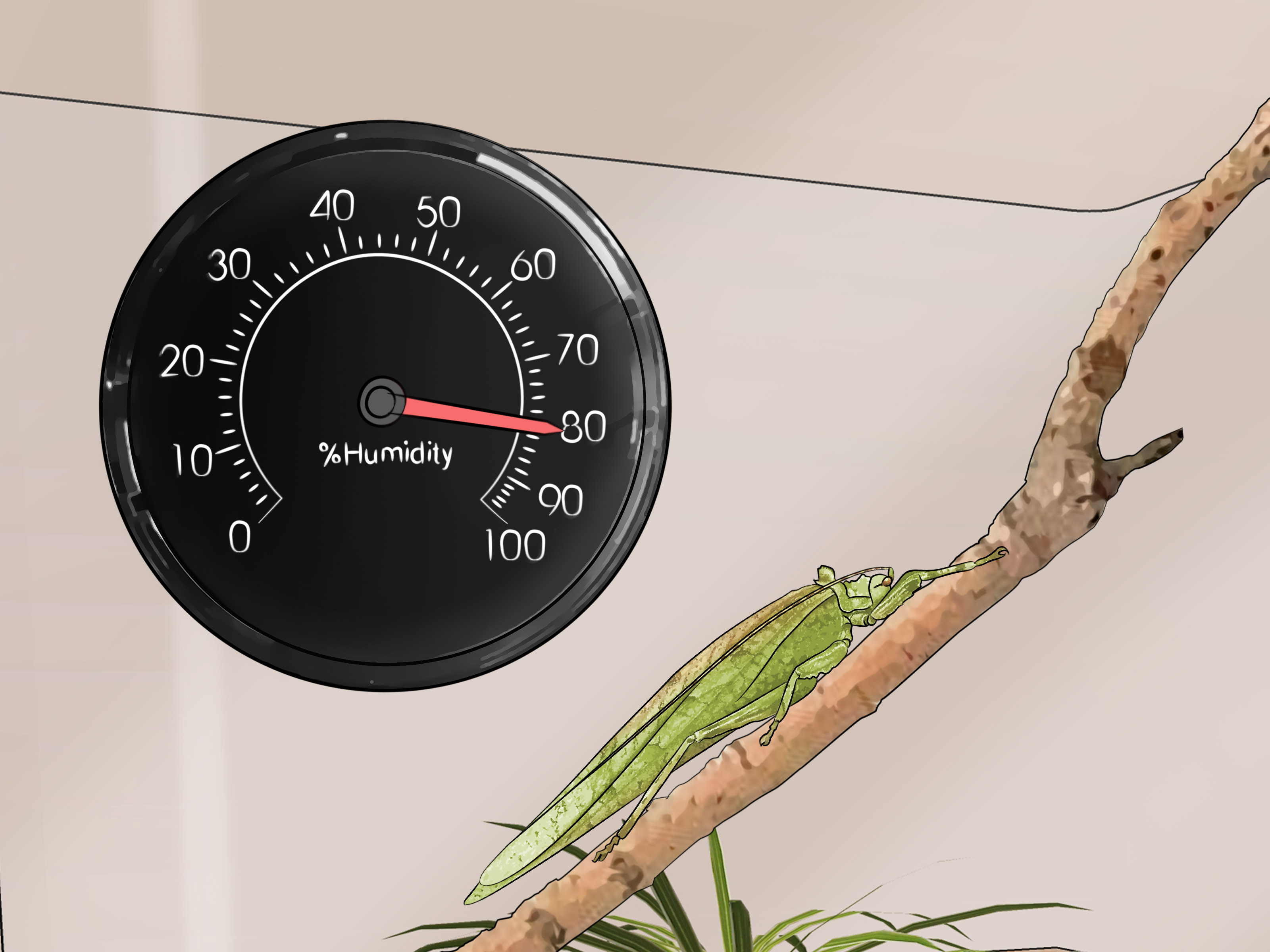
Katydids benefit from a little humidity, but they do not need a swamp. Lightly misting the enclosure once in a while can help keep fresh plant material from drying out too fast, and it can support easier molting. At the same time, stagnant wet air is a bad idea. Good ventilation matters. Zoo husbandry work with katydids has shown that humidity, plant cover, and perching surfaces all matter, but so does airflow and overall enclosure stability.
The safest rule for home care is this: keep the enclosure fresh, airy, and slightly humid, not dripping wet. Avoid direct sun through glass or plastic, which can turn a container into an insect-sized sauna in a hurry. Room temperature or mild outdoor-like temperatures are usually better than heat-lamp heroics for a backyard katydid.
Respect molting like it is a private event, because it is
If your katydid is a nymph, molting is one of the most important parts of its care. Insects need room to hang and pull free from the old skin. They also need calm. Do not handle a katydid that is molting or has just molted. Freshly molted insects are soft, vulnerable, and one bad grab away from injury. If you see the insect hanging oddly, staying still longer than usual, or looking pale after shedding, that is not the moment for a photo shoot with flash and a background soundtrack.
Give it time. Give it space. Give it a perch. This is one of those rare moments in life where doing less is genuinely the smartest thing you can do.
2. Feed a Katydid What It Actually Eats, Not What Looks Cute in a Bowl
Start with the plant where you found it
The best first food for a katydid is usually the plant it was already sitting on. Many North American katydids eat leaves from trees and shrubs. Common true katydids are associated with deciduous trees, and some are known to feed on leaves from maple, oak, ash, and various shrubs. Other katydids may also eat flower parts, petals, stamens, soft fruit, or tender plant growth.
So if you found the katydid on a rose bush, shrub, tree branch, or vine, begin there. Fresh, untreated leaves from the same plant are often your best bet. Replace wilted leaves regularly. A katydid is much more likely to eat something familiar than to suddenly decide that mystery iceberg lettuce is the key to happiness.
Offer a small menu if the species is unknown
If you are not sure what species you have, offer a small variety of fresh plant foods without overcrowding the enclosure. Good options may include leafy cuttings, soft greens, cucumber slices, a little apple, or tender flower petals. Some species accept fruit or produce more readily than others. Zoo keepers caring for dragon-headed katydids have successfully used a varied menu that included produce, seeds, and some animal protein, but that does not mean every backyard katydid wants the full buffet.
In general, start simple. Try leaves first. Add one or two backup foods. Watch what disappears. Remove old food before it molds. If the insect ignores a food item, do not treat that as a personal attack. It is just being a specialist with standards.
Water comes mostly from food and light moisture
Katydids often get much of their moisture from fresh plant material. A light mist on the enclosure or leaves can help, but standing water is unnecessary and may create mess or risk. Fresh leaves, a bit of moisture, and clean conditions are more useful than turning the habitat into a tiny water park.
If you are caring for nymphs, food quality matters even more. Young katydids grow through repeated molts, and poor food or crowding can quickly become a problem. Research on captive katydid rearing has also shown that some nymphs may grow better when provided varied nutrition, and crowding can increase cannibalism. Translation: hungry, cramped teenagers are difficult in every species.
3. Keep Stress Low, Handle Gently, and Know When to Release It
Observe more, touch less
A katydid is built for climbing branches, hiding among leaves, and singing after dark. It is not built for constant handling. Because many species are slow walkers that leap only when frightened, frequent grabbing can stress them out and increase the chance of escape or injury. If you need to move one, coax it onto a leaf, twig, or your hand rather than pinching it.
Gentle movement matters even more with nymphs, which are smaller, softer, and easier to injure. The antennae and legs are especially delicate. Think “polite usher,” not “airport security.”
Do not crowd nymphs or mixed-size katydids
One of the biggest mistakes people make is assuming that because insects are small, they are automatically good roommates. Not always. Captive rearing work has shown that katydid nymphs may disappear in crowded conditions, likely because of stress, scavenging, or cannibalism. Even when food is available, tight space can create problems.
If you are caring for more than one katydid, especially young ones, make sure there is plenty of room, lots of perching space, and enough food distributed across the enclosure. If aggressive behavior appears, separate them. Solitary housing is often simpler and safer for observation.
For a wild katydid, short-term care is usually best
If the katydid is healthy and you found it outdoors, temporary care is often the most sensible plan. A short observation period can be fun and educational, but katydids are wild insects that do best in the habitat they already know. After a day or two of observation, or once a child has finished the “wow, it really does look like a leaf” phase, return the insect to the same general area where you found it. Place it gently on a tree, shrub, or plant during mild weather, ideally when the environment is calm and not blazing hot.
That approach makes sense because katydids are tied to specific food plants and outdoor rhythms. Their nightly activity, camouflage, mating calls, and seasonal life cycle all work best outside. They are not trying to become indoor pets. They are trying to continue being weird little forest musicians.
Common Katydid Care Mistakes to Avoid
- Using a sealed container: no airflow means stress, excess moisture, and bad enclosure conditions.
- Skipping perches: katydids need places to climb and hang, especially during molts.
- Feeding random scraps: start with the plant where the insect was found, then test other fresh items carefully.
- Letting food rot: old leaves and fruit attract mold and make the habitat gross fast.
- Handling too much: gentle observation beats constant touching.
- Crowding nymphs: cramped quarters can increase stress and cannibalism.
- Overheating the enclosure: direct sunlight through clear plastic is a terrible babysitter.
How Long Can You Care for a Katydid?
That depends on the life stage and species, but many katydids complete their life cycle in about a year, with eggs laid late in the season and overwintering until spring. Adults are often most noticeable in late summer and fall. If you found an adult katydid late in the season, it may already be well along in its natural life. In that case, the goal is not long-term perfection. It is simply safe, respectful, short-term care.
If you are raising nymphs for observation, the commitment is longer and more delicate. Growth involves repeated molts, careful feeding, and steady housing. That can be rewarding, but it also requires patience and attention. Katydid care is less about fancy gear and more about consistency.
What Caring for a Katydid Actually Feels Like: Real-World Experiences and Lessons
People are often surprised by how quiet and low-maintenance a katydid seems at first. During the day, it may sit almost motionless, blending so perfectly into a leaf or stem that you spend half your time wondering whether it teleported. Then nighttime arrives, and suddenly the insect becomes more active, more curious, and much more obviously alive. That shift alone teaches one of the biggest katydid care lessons: a still insect is not always a struggling insect. Sometimes it is just following its normal schedule and politely ignoring you until after sunset.
Another common experience is realizing how picky katydids can be about food. People tend to offer whatever vegetable is handy, only to discover that the katydid treats it like an insult. Put in a clipping from the same tree or shrub where it was found, though, and the insect often becomes much more interested. That moment is oddly satisfying. It also reminds you that wild insects are not being dramatic; they are adapted to specific plants and textures. Their preferences are not random. They are survival tools.
Many first-time caretakers also notice how important vertical space is. A katydid rarely uses a container the way a beetle or caterpillar might. It heads upward. It hangs from the lid. It claims the highest branch like it pays rent. Once you see that behavior, enclosure design suddenly makes sense. A roomy container with branches feels right. A short cup with a leaf shoved in it feels like bad real estate.
Molting is usually the part people remember most. A katydid nymph that seemed fine the day before may hang quietly and look vulnerable for hours. New caretakers often worry and want to intervene. Experienced observers learn the opposite lesson: this is the moment to back away. Good katydid care often means resisting the urge to “help” when help would make things worse. Space, humidity balance, and stillness do far more than hovering hands.
Then there is the emotional side, which is surprisingly real for such a tiny creature. Katydids have a way of making people slow down. You start paying attention to leaf shapes, nighttime sounds, and the difference between a healthy resting posture and a stress posture. You notice how much of care is really observation. Noticing. Adjusting. Leaving things alone when “alone” is what the animal needs most.
And finally, one of the best experiences is release. After a short period of care, placing a katydid back onto a branch outdoors can feel more meaningful than expected. The insect pauses, grips the leaf, and becomes part of the landscape again almost instantly. It is a good reminder that responsible care is not always about keeping something longer. Sometimes it is about learning just enough to protect it well, then letting the wild stay wild.
Final Thoughts
If you want to take care of a katydid insect successfully, focus on three things: build a tall, airy, leafy habitat; feed it the kind of plant material it naturally uses; and keep stress low by handling gently and avoiding overcrowding. That is the heart of good katydid care.
These insects do not need luxury. They need realism. Fresh leaves, climbing space, clean conditions, patience, and a little respect go a long way. Do that, and your katydid has a much better chance of staying healthy, behaving naturally, and continuing its quiet career as a leaf impersonator with a surprisingly loud social life.