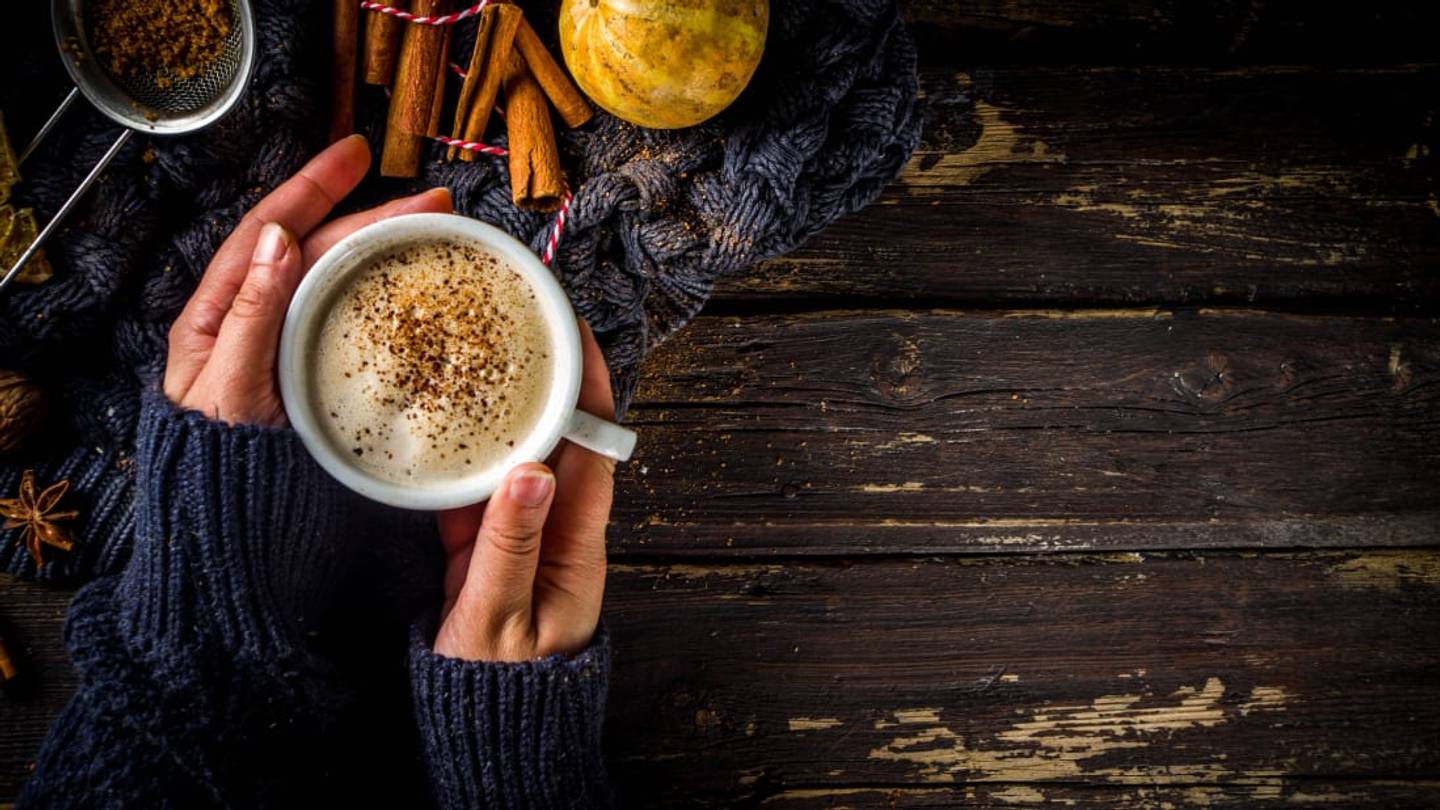
Every fall, something strange happens in America. The air gets cooler, leaves start showing off like tiny botanical influencers, and suddenly a nation of otherwise reasonable people begins craving pumpkin spice with the urgency of someone who just remembered they left cookies in the oven. Pumpkin spice coffee, pumpkin spice muffins, pumpkin spice candles, pumpkin spice cereal, pumpkin spice dog treatsif it can legally hold cinnamon, someone has probably autumnized it.
But the pumpkin spice obsession is not just a marketing trick wrapped in an orange scarf. There is real science behind why this flavor feels so comforting, exciting, and oddly emotional. The answer involves aroma chemistry, memory, nostalgia, seasonal rituals, sugar, caffeine, cultural signals, and the human brain’s adorable habit of turning smells into time machines.
So, why do we love pumpkin spice so much? The short answer: because it tastes like fall. The better answer: because our senses, memories, emotions, and shopping habits have teamed up to make pumpkin spice one of the most powerful seasonal flavor cues in modern American culture.
What Is Pumpkin Spice, Really?
Here is the first plot twist: pumpkin spice usually does not contain pumpkin. Pumpkin spice, or pumpkin pie spice, is a blend of warm baking spices traditionally used to flavor pumpkin pie. A classic version includes cinnamon, ginger, nutmeg, cloves, and sometimes allspice. McCormick’s well-known pumpkin pie spice blend, for example, combines cinnamon, ginger, nutmeg, and allspice. Other home-baking versions may add cloves for extra intensity.
That means pumpkin spice is less about the squash and more about the emotional costume the squash wears to Thanksgiving dinner. Pumpkin itself is earthy, mild, and slightly sweet. The spices do the dramatic work. Cinnamon brings warmth, ginger adds brightness, nutmeg gives a creamy depth, cloves deliver a bold aromatic punch, and allspice ties everything together with a peppery-sweet finish.
In other words, pumpkin spice is a carefully balanced sensory shortcut. One whiff says: sweaters, pies, cozy kitchens, family gatherings, hayrides, football games, and possibly that decorative gourd your aunt takes very seriously.
A Brief History of Pumpkin Spice in America
Pumpkin and warm spices have deep roots in American cooking. Early American recipes often paired pumpkin with spices such as ginger, mace, nutmeg, and allspice. Long before pumpkin spice became a coffee-shop celebrity, it was part of home baking, harvest meals, and holiday desserts.
Commercial pumpkin pie spice became popular in the 20th century because it solved a very practical kitchen problem. Instead of measuring several spices one by one, bakers could reach for one convenient jar. That convenience helped turn the blend into a pantry staple. It was not glamorous at first. It was just useful, like a measuring spoon that never disappears into the drawer.
Then came the modern pumpkin spice boom. Starbucks introduced the Pumpkin Spice Latte in 2003 after testing the drink in select stores. The beverage combined espresso, steamed milk, sweet pumpkin spice flavoring, whipped cream, and the emotional power of autumn in a cup. It became a seasonal hit, then a cultural event, then practically a fall holiday with a lid.
Once the Pumpkin Spice Latte proved that consumers would line up for a limited-time fall flavor, other brands joined the parade. Suddenly, pumpkin spice was not just in pie or coffee. It appeared in cookies, creamers, granola, protein bars, breakfast cereal, ice cream, yogurt, and enough snack foods to make the grocery aisle look like it had been gently dusted with cinnamon.
The Brain Science: Why Smell Makes Pumpkin Spice So Powerful
The biggest reason pumpkin spice hits so hard is smell. Flavor is not just taste. Your tongue can detect basic tastes such as sweet, salty, sour, bitter, and umami, but much of what you experience as “flavor” comes from aroma. When you sip a pumpkin spice latte, volatile aroma compounds travel through the nose and retronasal pathway, creating the full flavor experience.
Smell is especially emotional because the olfactory system is closely connected with brain regions involved in memory and emotion, including the amygdala and hippocampus. That is why a scent can instantly bring back a vivid memory. You do not calmly think, “Ah yes, cinnamon.” Your brain goes, “Third-grade Thanksgiving craft project! Grandma’s kitchen! Cold morning! Flannel!”
This is one reason pumpkin spice feels bigger than taste. It is an aroma-based memory trigger. The spices remind many people of pies cooling on counters, holiday meals, school-year beginnings, family traditions, and the first crisp days after summer. Even if your personal fall memories involve less homemade pie and more store-bought cookies eaten over the sink, the scent can still feel comforting because it belongs to a cultural season of warmth and gathering.
Nostalgia: The Secret Ingredient Nobody Lists on the Label
Nostalgia is a major part of the pumpkin spice obsession. Humans do not experience food in a vacuum. We eat with our memories, moods, expectations, and social surroundings. Pumpkin spice arrives at a very specific time of year, when people are transitioning from summer’s bright energy to fall’s slower, cozier rhythm.
That seasonal shift matters. Fall often signals new routines: back-to-school schedules, football weekends, Halloween planning, Thanksgiving anticipation, cooler mornings, and earlier sunsets. Pumpkin spice becomes a flavor marker for that transition. It tells the brain, “We are entering the cozy chapter now.”
For many people, that is deeply comforting. In a world full of unpredictable news, busy calendars, and inboxes that breed like rabbits, seasonal rituals provide structure. Buying the first pumpkin spice drink of the year is a tiny ceremony. It is affordable, repeatable, and emotionally clear. You are not just purchasing flavored coffee. You are purchasing the feeling of fall arriving on schedule.
The Chemistry of Warm Spices
Pumpkin spice works because its ingredients create a layered aromatic profile. Cinnamon is sweet, woody, and familiar. Ginger is sharp and lively. Nutmeg adds a nutty, almost creamy warmth. Cloves are intense and slightly medicinal in the best possible way. Allspice tastes like a tiny committee meeting of cinnamon, clove, and pepper.
These spices contain aromatic compounds that humans often associate with baked goods and warming foods. Cinnamon has cinnamaldehyde, cloves are rich in eugenol, ginger contains gingerols and related compounds, and nutmeg contains fragrant oils that contribute to its distinctive aroma. Together, they create a sensory profile that feels warm even when the drink is iced, which is hilarious and impressive. An iced pumpkin cream cold brew can taste like wearing a sweater in beverage form.
The blend also pairs beautifully with sugar and fat. That is important because many pumpkin spice products are not just spice-forward; they are sweet, creamy, and indulgent. Sugar boosts pleasure, dairy or creaminess carries flavor, and coffee adds bitterness and caffeine. The result is a balanced treat: sweet but spiced, rich but aromatic, familiar but seasonal.
Why Limited-Time Flavors Make Us Want Them More
Scarcity is another reason pumpkin spice feels irresistible. If pumpkin spice lattes were available with the same emotional urgency as plain tap water, they would probably lose some magic. Their limited seasonal availability creates anticipation. People wait for the launch date, talk about it, post about it, debate whether it is too early, and then buy it partly because it will not be around forever.
This is classic consumer psychology. Limited-time products can feel more valuable because the window to enjoy them is smaller. Pumpkin spice season turns an ordinary purchase into a now-or-wait-another-year moment. Nobody wants to be the person who misses the annual cinnamon parade.
Social media amplifies this effect. A pumpkin spice drink is photogenic, recognizable, and easy to turn into a personal seasonal announcement. Posting one says, “I am participating in fall.” It is a small identity signal, like boots, scarves, apple picking, or pretending you are going to carve an elaborate pumpkin instead of making a triangle-eyed classic at 10 p.m.
The Role of Comfort Food
Pumpkin spice also belongs to the comfort food family. Comfort foods often feel familiar, warm, soft, sweet, or connected to home and childhood. Pumpkin spice checks many of those boxes. It tastes like baked desserts and holiday tables, even when it appears in a protein shake with a label trying very hard to look healthy.
Comfort foods are not only about calories. They are about emotional regulation. A warm, fragrant drink can create a moment of calm during a busy day. The ritual of holding a cup, smelling cinnamon, and taking a slow sip can feel grounding. It is not therapy, but it is a tiny edible pause button.
Of course, not every pumpkin spice product is automatically wholesome. Many seasonal drinks and snacks are high in sugar, saturated fat, or calories. The spices themselves may contain interesting plant compounds, but a giant sugary latte is still a treat, not a medical strategy. Pumpkin spice can be enjoyed as part of a balanced diet, but it should not be asked to do the work of vegetables, sleep, and a reasonable breakfast.
Why Pumpkin Spice Became a Cultural Punchline
Part of the pumpkin spice phenomenon is that people love to love itand love to mock it. That tension has kept it culturally alive. Pumpkin spice is cozy, but it is also easy to parody. Every year, brands push the flavor into more unexpected places, and the internet responds with jokes. Pumpkin spice toothpaste? Pumpkin spice motor oil? Pumpkin spice Wi-Fi? At this point, someone has probably considered it in a meeting.
The joking does not weaken the trend. It strengthens it. When people make fun of pumpkin spice, they keep talking about it. The flavor has become a seasonal meme, and memes are powerful cultural engines. Even people who claim to dislike pumpkin spice know exactly what it represents.
That recognizability is marketing gold. Pumpkin spice is not just a flavor; it is shorthand for a mood. Brands use it because consumers instantly understand the message: cozy, limited, autumnal, familiar, indulgent, and a little playful.
Pumpkin Spice and the “Flavor Halo” Effect
One fascinating part of the pumpkin spice obsession is the flavor halo effect. Once people associate pumpkin spice with cozy pleasure, that feeling can transfer to almost any product carrying the label. A basic cookie becomes a fall cookie. Ordinary coffee creamer becomes seasonal coffee creamer. A candle becomes not just a candle, but a tiny jar of emotional weather.
This effect explains why pumpkin spice can succeed even in products that contain no pumpkin. The words “pumpkin spice” activate expectations before the first bite or sip. Your brain prepares for warmth, sweetness, and fall. If the product delivers even part of that experience, the expectation helps complete the picture.
That does not mean all pumpkin spice products are good. Some taste like a cinnamon broom lost a fight with a cupcake. But the best ones respect balance. They use spice for warmth, sweetness for comfort, and aroma for memory.
Why We Crave Pumpkin Spice Earlier Every Year
One common complaint is that pumpkin spice arrives too early. Sometimes it appears while people are still sweating through August, which creates a confusing emotional situation: your mouth says autumn, but your forehead says portable fan.
Still, early launches make business sense. Seasonal products need time to build momentum, and many consumers enjoy using food to anticipate the next season. Pumpkin spice in late summer is not always about the current weather. It is about wanting the feeling of fall before fall fully arrives.
That anticipation is part of the pleasure. Humans enjoy looking forward to things. The first pumpkin spice drink of the year can feel like a preview of cooler days, even when the sidewalk is still hot enough to toast a bagel.
How to Enjoy Pumpkin Spice Without Overdoing It
Pumpkin spice is best enjoyed with intention. If you love the flavor, there is no need to apologize for it. Food joy matters. But because many commercial pumpkin spice products lean heavily on sugar, it helps to choose the versions that actually satisfy you.
Try Better Balance
Choose a smaller latte, reduce added syrup, or pair a sweet drink with a protein-rich snack. At home, stir pumpkin pie spice into oatmeal, Greek yogurt, coffee, chia pudding, smoothies, pancake batter, or roasted sweet potatoes. You get the aroma and seasonal feeling without turning every breakfast into dessert wearing a scarf.
Use Real Pumpkin When It Makes Sense
Real pumpkin puree adds moisture, color, fiber, and earthy sweetness to baked goods. It works beautifully in muffins, breads, pancakes, soups, and sauces. But remember: pumpkin spice and pumpkin are not the same thing. Pumpkin brings body; spice brings personality.
Make Your Own Blend
A homemade pumpkin spice blend is easy. Combine cinnamon, ginger, nutmeg, and cloves or allspice in a small jar. Adjust the ratio based on your taste. More cinnamon makes it sweeter and softer. More ginger adds brightness. More clove makes it bolder, though clove is powerful, so do not let it drive the bus unless you trust it.
Experience Section: Living Through Pumpkin Spice Season
The pumpkin spice obsession is not just something you read about; it is something you experience. You notice it first in small ways. A coffee shop chalkboard suddenly has orange lettering. Grocery stores rearrange their displays like autumn has a public relations team. A friend texts, “PSL is back,” with the energy usually reserved for concert tickets or celebrity gossip.
For many people, the first pumpkin spice drink of the year feels like a personal milestone. Maybe it happens on the way to work, when the morning air is finally cool enough to justify a hot drink. Maybe it happens in late August, when it is absolutely not cool enough, but optimism wins. You take the first sip, and there it is: cinnamon, sweetness, coffee, cream, and the strange but pleasant belief that life might be more manageable if everything smelled like pie.
At home, pumpkin spice often turns ordinary routines into seasonal rituals. A spoonful in oatmeal makes breakfast feel less like a responsibility and more like a cabin weekend. A pinch in coffee can make a Monday morning slightly less Monday-shaped. Baking pumpkin muffins fills the kitchen with an aroma so persuasive that people wander in pretending they “just happened” to be nearby.
There is also a social experience to pumpkin spice. People bond over loving it, rejecting it, or dramatically claiming they are “above it” while secretly eating pumpkin bread. Offices develop seasonal snack tables. Families debate pie recipes. Friends plan apple-picking trips that are mostly excuses to buy cider doughnuts and take pictures near hay. Pumpkin spice becomes part of the background music of fall.
One reason the experience feels so strong is that it is multisensory. You see orange packaging, feel colder air, hear leaves crunching, smell cinnamon and nutmeg, and taste sweetness and spice. The brain does not separate these details neatly. It combines them into one big autumn file and stores it under “cozy.” Next year, one sip can reopen the whole folder.
The experience can be funny, too. Pumpkin spice has a way of making people temporarily theatrical. Someone who normally orders black coffee may suddenly request whipped cream and extra spice topping. A person who owns zero candles in July may own five by October, each promising some variation of “harvest farmhouse moonlight.” Even people who complain about pumpkin spice overload participate by noticing it, joking about it, and sharing photos of the most ridiculous products they find.
But beneath the jokes, the experience is genuinely meaningful. Pumpkin spice season gives people a small, familiar pleasure at a predictable time. It marks the year. It creates anticipation. It invites people to slow down, bake something, sip something warm, or remember a kitchen from childhood. That is why the flavor has lasted. It is not only delicious. It is emotional architecture built from spice, memory, marketing, and a little whipped cream.
Conclusion: Pumpkin Spice Is a Feeling Disguised as a Flavor
The science behind our pumpkin spice obsession is a perfect blend of biology and culture. Aromatic spices activate smell pathways closely tied to memory and emotion. Nostalgia gives the flavor personal meaning. Seasonal scarcity makes it exciting. Sugar, cream, and caffeine make many pumpkin spice products rewarding. Marketing turns that reward into a yearly ritual.
Pumpkin spice succeeds because it does more than taste good. It tells a story the brain already wants to hear: fall is here, comfort is possible, and somewhere nearby there may be pie. Whether you adore it, mock it, or only tolerate it in muffin form, pumpkin spice has earned its place as America’s unofficial flavor of autumn.
So the next time someone jokes about pumpkin spice taking over the world, remember: this obsession is not random. It is neuroscience with nutmeg. It is nostalgia with foam. It is a seasonal ritual in a paper cup. And honestly, as cultural phenomena go, that is pretty delicious.