Note: This article is written for adults considering permanent or long-term family estrangement. If you are under 18, unsafe at home, or being harmed, do not disappear or try to handle it alone. Talk to a trusted adult, school counselor, doctor, local child protection agency, or emergency services. Safety comes first; dramatic exits can wait their turn in the parking lot.
Ending all ties with your family is not like unsubscribing from an annoying email list. There is no cheerful button that says, “No thanks, I prefer peace.” Family relationships are tangled with history, money, holidays, guilt, documents, emergency contacts, shared group chats, and that one aunt who still comments “You’ve grown!” under every photo even though you are thirty-two.
For some adults, going no contact with family is a painful but necessary decision. It may happen after years of emotional abuse, manipulation, violence, neglect, boundary violations, addiction-related chaos, financial exploitation, or repeated disrespect. For others, the relationship is not physically dangerous but has become so damaging that distance is the only way to breathe normally again.
The goal of ending family ties should never be revenge, punishment, or winning the “who suffered more” Olympics. The healthiest goal is protection: protecting your mental health, your safety, your home, your finances, your future, and your right to live without constant emotional warfare. Below are three practical ways to end all ties with your family in a careful, realistic, and legally sensible way.
1. Decide What “Ending All Ties” Actually Means
Before taking action, define what no contact means for you. “Cutting ties with family” sounds simple, but in real life it can mean several different things. One person may stop answering calls but still attend funerals. Another may block everyone, move, change emergency contacts, and avoid all family events. A third may cut off parents but stay connected to siblings, cousins, or grandparents.
Clarity matters because unclear boundaries invite confusion. If you tell your family, “I need space,” they may interpret that as “Call me again in forty-eight hours.” If you mean, “Do not contact me unless there is a medical emergency involving a dependent child,” say that. It may feel awkward, but vague boundaries are like screen doors on submarines: technically present, not especially useful.
Ask Yourself Why You Want No Contact
Write down the specific reasons you are considering family estrangement. Avoid broad labels at first. Instead of only writing, “They are toxic,” list the actual behaviors. For example:
- They insult my partner, job, body, parenting, or identity after I have asked them to stop.
- They borrow money and use guilt or anger when I say no.
- They share private information about me with other relatives.
- They deny or minimize abuse, violence, neglect, or harmful behavior.
- They threaten me, stalk me, harass me, or show up uninvited.
This exercise helps you separate a temporary emotional storm from a long-term pattern. Everyone has family arguments. Not every argument requires a lifetime ban and a ceremonial burning of the holiday sweater. But repeated harm, especially after clear requests for change, may justify stronger boundaries.
Try Lower-Contact Options When It Is Safe
If the relationship is not abusive or dangerous, consider whether a lower-contact approach could work first. Low contact might mean fewer visits, shorter phone calls, written communication only, no discussion of certain topics, or meeting only in public places. Some people use “gray rock” communication, meaning they keep responses brief, neutral, and boring enough to make drama lose interest.
However, low contact is not required when there is violence, stalking, serious intimidation, or ongoing abuse. In unsafe situations, the priority is not giving someone “one more chance” to behave. The priority is getting support and making a safe plan.
Create a Boundary Statement
A boundary statement is a short message that explains what will happen next. It does not need to be a courtroom speech, a memoir, or a twelve-page emotional PowerPoint titled “Every Reason Thanksgiving Was Weird.” Keep it simple.
Example:
“I am not continuing contact with you. This decision is final for now. Please do not call, text, email, visit my home, contact my workplace, or reach me through other people. I will reach out if I decide to communicate in the future.”
You do not have to explain every wound. In many families, explanations become debate fuel. If someone has repeatedly ignored your limits, a shorter message may be safer and more effective than a detailed emotional history.
Prepare for Pushback
Some families respond to no contact with sadness and silence. Others respond with guilt, anger, bargaining, denial, surprise visits, fake emergencies, or messages sent through cousins who suddenly become unpaid emotional delivery drivers. Prepare for this before you send the message.
Decide ahead of time what you will do if relatives call repeatedly, send gifts, contact your friends, post about you online, or show up at your home. Your response might be blocking numbers, saving messages for documentation, telling mutual contacts not to pass along messages, or seeking legal advice if harassment continues.
2. Separate Your Practical Life: Money, Mail, Legal Documents, and Digital Access
Family estrangement is emotional, but it is also practical. If you share bank accounts, phone plans, passwords, housing, insurance, vehicles, documents, or debt, emotional distance will not be enough. You need logistical independence. Think of it as building a moat, except with fewer crocodiles and more paperwork.
Secure Your Important Documents
Gather original or certified copies of key documents. These may include your birth certificate, Social Security card, passport, driver’s license or state ID, immigration documents, medical insurance cards, financial records, school records, vehicle title, lease, marriage or divorce documents, custody orders, and court records.
If you are leaving an unsafe household, get help from a domestic violence advocate, attorney, trusted professional, or local support organization before collecting documents if doing so could put you at risk. Documents are important, but your physical safety is more important than a file folder. Paper can be replaced. You cannot.
Separate Your Finances
Open bank accounts in your own name at a different financial institution if needed. Update direct deposit, change account passwords, remove shared access where legally allowed, and review automatic payments. If family members know your security questions, update them. “Mother’s maiden name” is not a security answer when your mother is the problem and half the family has Facebook.
Check your credit reports and consider placing a credit freeze if you are worried someone may use your personal information. A credit freeze can help prevent new credit accounts from being opened in your name without your permission. This is especially relevant if relatives have had access to your Social Security number, birth date, address history, or financial paperwork.
Update Your Mailing Address Carefully
If you move, update your address with banks, employers, insurance providers, government agencies, schools, doctors, subscriptions, and any court-related offices. Use the official USPS change-of-address process when appropriate, but understand that address updates can generate confirmation mail. If privacy is a serious safety issue, look into options such as a P.O. box, private mailbox, attorney’s address, or your state’s address confidentiality program when available.
Do not rely on one forwarding form to protect your privacy. A determined relative may still find information through shared contacts, public records, online profiles, old accounts, or mutual acquaintances. Privacy works best as a system, not a single magic curtain.
Review Legal and Emergency Documents
Update emergency contacts at work, school, medical offices, gyms, and phone settings. If your family members are listed as emergency contacts, health care decision-makers, beneficiaries, or agents under a power of attorney, review those documents with a qualified professional.
Adults may need to update a will, health care proxy, living will, durable power of attorney, life insurance beneficiary, retirement account beneficiary, payable-on-death bank designations, and estate plan. Laws vary by state, so do not rely on internet vibes for legal decisions. Internet vibes are how people end up arguing with strangers about soup.
Protect Your Digital Life
Change passwords for email, banking, cloud storage, phone accounts, streaming services, social media, online shopping, and password managers. Turn on two-factor authentication using a device or app that family members cannot access. Review shared location settings, family phone plans, shared calendars, smart home devices, vehicle apps, photo albums, and cloud backups.
Also check old recovery emails and phone numbers. A strong password is not enough if the recovery email still goes to a parent, sibling, former partner, or family account. Digital independence means closing the back doors, not just painting the front door a dramatic color.
Make a Safety Plan if Abuse Is Involved
If there is abuse, stalking, threats, or fear of retaliation, create a safety plan with professional help. A safety plan can include where to go, who to call, what to bring, how to protect children or pets, how to document harassment, and how to leave without escalating danger. Do not announce your plans to someone who may become violent or controlling.
In urgent danger, call emergency services. If the situation is not immediately life-threatening but still unsafe, contact a domestic violence hotline, local shelter, legal aid organization, therapist, or victim advocate. Cutting ties with an abusive family is not just a relationship decision; it can be a safety transition.
3. Maintain No Contact and Build a New Support System
The first week of no contact may feel strangely peaceful. Then comes the emotional echo. You may feel guilt, grief, relief, anger, loneliness, freedom, doubt, and random nostalgia for pancakes your dad made in 2009. These feelings do not mean you made the wrong decision. They mean you are human, annoyingly complex, and probably in need of snacks and support.
Block Communication Channels
Block phone numbers, emails, social media accounts, and messaging apps if needed. Adjust privacy settings so relatives cannot view your location, friends list, tagged photos, workplace, relationship status, or new address. Tell mutual contacts, calmly and clearly, that you do not want messages passed between you and your family.
Example:
“I know you care, but I am not in contact with them. Please do not share updates about me or pass messages to me. I am not discussing the details.”
You do not need to defend your decision to every cousin with a Wi-Fi connection. A boundary does not require a public debate tournament.
Document Harassment Without Engaging
If family members ignore your no-contact request, keep records. Save texts, emails, voicemails, letters, screenshots, call logs, and photos of unwanted visits or property damage. Do not respond emotionally if it is unsafe or unhelpful. Documentation may be useful if you later need workplace security help, housing support, a protective order, or legal advice.
Documentation is not the same as obsession. Set a system: save the evidence, store it securely, then return to your life. Do not reread every message at midnight like you are studying for a final exam in misery.
Expect Grief, Even When the Decision Is Right
Family estrangement often includes grief for the family you had, the family you wanted, and the family you finally admitted you may never get. You may miss good moments while still knowing the relationship was harmful. That is normal. A relationship can contain love and damage at the same time.
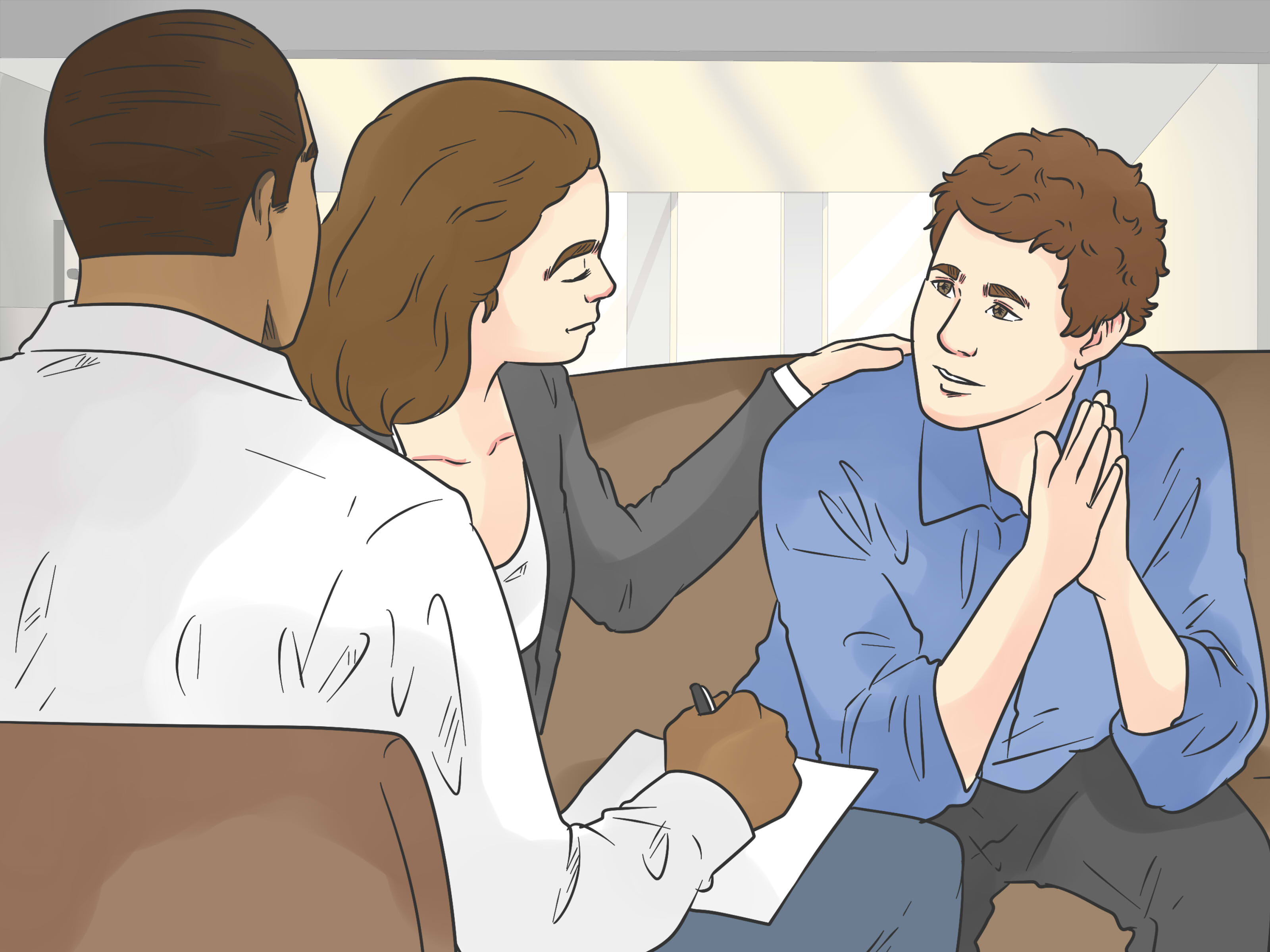
Therapy can help you process guilt, trauma, anger, and identity shifts. Support groups, trusted friends, mentors, faith communities, coaches, and chosen family can also help. The goal is not to replace your family overnight. The goal is to build a life where connection feels safer, more respectful, and less like emotional dodgeball.
Create New Rituals
Holidays, birthdays, weddings, graduations, and emergencies may feel strange after cutting ties. Plan ahead. Decide where you will spend major holidays, who you will call on your birthday, and what you will do when family-centered events trigger sadness.
New rituals can be simple: breakfast with friends, a solo road trip, volunteering, movie night, a quiet dinner, or writing yourself a letter each year about what you survived and what you are building. You are allowed to make new traditions. Tradition is just peer pressure from dead people until you choose it on purpose.
Leave Room for Future Choice, Not Future Pressure
No contact can be permanent, temporary, or conditional. You do not have to decide forever today. Some people never reconnect, and that is valid when the relationship remains harmful. Others reconnect years later with strict boundaries, therapy, apologies, changed behavior, or limited contact.
The key is choice. Reconnection should not happen because someone guilted you, shamed you, threatened you, or recruited relatives to wear you down. It should happen only if it is safe, voluntary, and aligned with your well-being.
Common Mistakes to Avoid When Cutting Ties With Family
Making a Big Announcement Before You Are Ready
A dramatic announcement can feel satisfying for about eight minutes. Then come the replies, calls, accusations, and screenshots. If you are still financially dependent, living with relatives, sharing accounts, or unsafe, pause before announcing anything. Prepare first. The cleanest exit is often quiet, organized, and boring. Boring is underrated. Boring pays rent.
Explaining Too Much to People Who Do Not Listen
If someone has spent years twisting your words, a longer explanation may simply give them more material to twist. You can be clear without being exhaustive. “This relationship is harmful for me, and I am not continuing contact” is enough.
Letting Guilt Make the Rules
Guilt may show up even when you are doing the right thing. You may hear, “But they are family,” from relatives, friends, or your own inner voice. Family can matter deeply, but family status does not excuse cruelty, threats, manipulation, or repeated boundary violations. Love is not a lifetime permission slip for harm.
Trying to Heal Alone
Independence does not mean isolation. Ending all ties with family can leave emotional gaps, practical challenges, and identity questions. Get support. A therapist, attorney, advocate, financial counselor, or trusted friend can help you think clearly when emotions are loud.
Personal Experiences and Real-Life Lessons About Ending Family Ties
Many adults who go no contact describe the decision as less of a single moment and more of a long hallway. They did not wake up one morning, sip coffee, and say, “Today feels like a wonderful day to become estranged.” More often, they spent years trying smaller fixes: explaining, forgiving, arguing, apologizing for things they did not do, setting boundaries, lowering expectations, and hoping the next family event would not become a live-action stress test.
One common experience is the “last straw” moment. It may not look dramatic from the outside. Sometimes it is not the worst thing the family ever did. It might be a cruel comment at dinner, a parent sharing private information again, a sibling mocking therapy, or a relative ignoring a clear request for the hundredth time. The final straw is rarely heavy by itself. It is heavy because of everything underneath it.
Another common lesson is that peace can feel suspicious at first. People raised in chaotic families may be used to constant monitoring: checking tone, scanning faces, predicting anger, smoothing conflict, and apologizing before anyone asks. When contact stops, the nervous system may not immediately celebrate. It may look around and ask, “Where is the emergency?” That is why the first months after estrangement often require patience. Peace may feel unfamiliar before it feels comfortable.
People also learn that not everyone will understand. Some friends may project their own family experiences onto yours. If they have loving, respectful parents, they may say, “I could never cut off my mom.” That may be true for them, but they did not live your history. You do not need unanimous public approval to protect your private life. A healthy support system does not have to fully understand every detail; it should respect your boundaries anyway.
Another real-life challenge is managing mutual connections. Cousins, grandparents, family friends, and siblings may become accidental messengers. Some mean well. Others enjoy drama the way raccoons enjoy unsecured trash cans. A useful approach is to give one calm statement: “I am not discussing the relationship, and I do not want messages passed either direction.” Then repeat it as needed. You are not required to attend every argument you are invited to.
Many adults also discover grief in unexpected places. A grocery store song, a holiday decoration, a childhood recipe, or a random photo can bring up sadness. Missing someone does not automatically mean they should have access to you. You can miss the good parts and still protect yourself from the harmful parts. That emotional contradiction is not hypocrisy; it is healing with all the lights turned on.
Over time, people who maintain no contact often describe a shift from survival to design. At first, the focus is stopping the harm: blocking calls, protecting money, finding a safe home, and calming the body. Later, the question becomes bigger and more hopeful: “What kind of life do I want now?” That is where chosen family, healthier friendships, therapy, career goals, hobbies, travel, rest, and new traditions enter the picture. Ending family ties is not only about who leaves your life. It is also about what finally has room to grow.
The most important lesson is this: no contact is a boundary, not a personality. You are not “the estranged one” forever unless you choose that label. You are a person making a hard decision to protect your well-being. Build slowly. Keep records when needed. Get help when possible. Let peace become normal. And remember, a healthy life does not require a perfect family tree; sometimes it starts with pruning the branches that kept blocking the sun.
Conclusion
Ending all ties with your family is one of the most serious relationship decisions an adult can make. It deserves thought, planning, support, and honesty. Start by defining what no contact means and why you need it. Then separate your practical life by securing documents, money, mail, legal forms, digital access, and safety plans. Finally, maintain the boundary while building a healthier support system.
This choice may bring grief, relief, guilt, freedom, and confusion all at once. That does not mean you are broken. It means the decision matters. Whether no contact lasts six months, six years, or the rest of your life, the point is not to punish anyone. The point is to create enough safety and space to become yourself without constant harm knocking at the door.